Retiring teacher, coach urges Colony grads to ‘find their 68’
By Jeremiah Bartz Frontiersman.com A football coach using a hockey reference as the centerpiece for his keynote address may


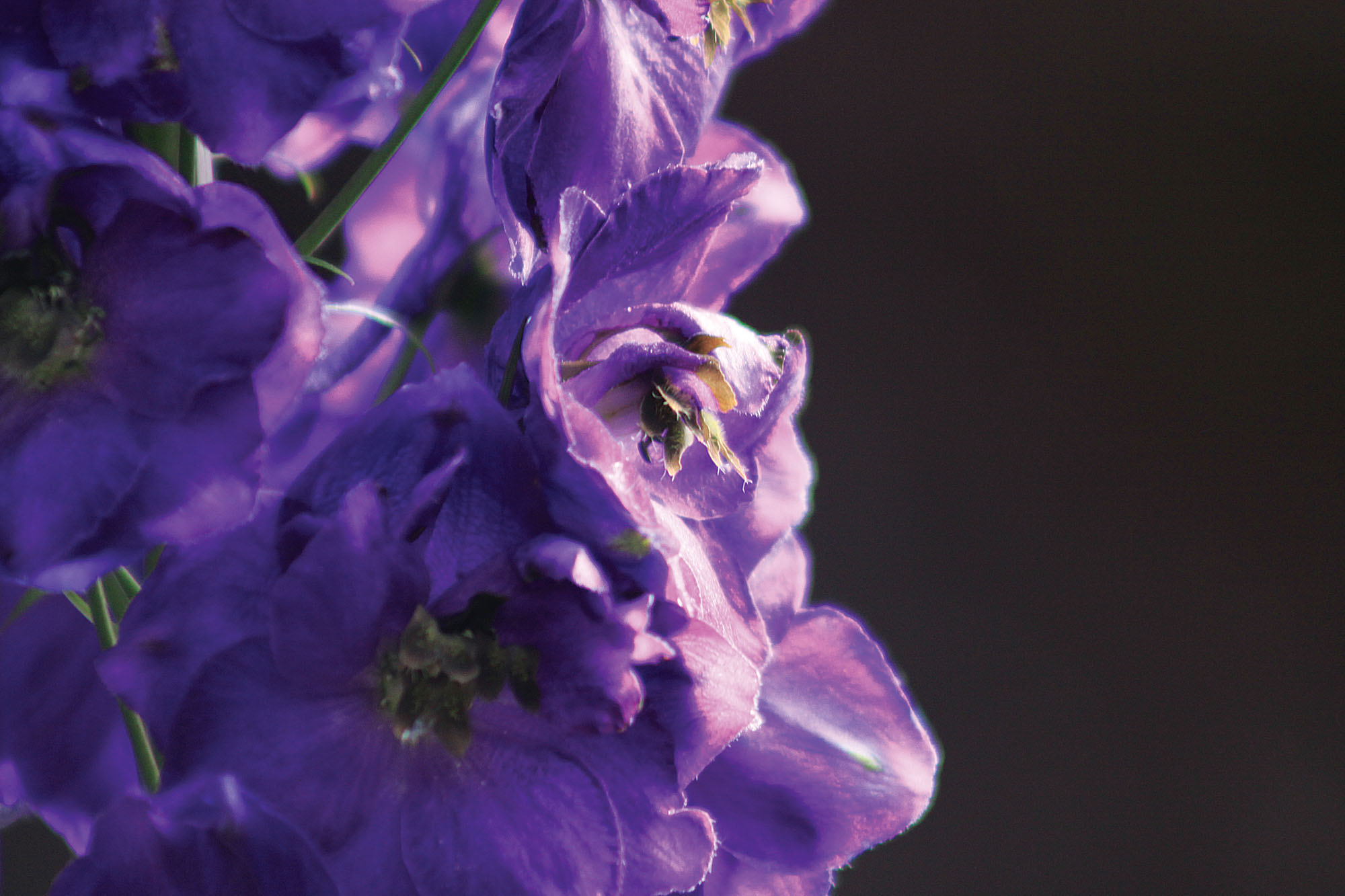
WILLOW — The season for buds, blossoms and bees is just beginning, but already the Willow Garden Club is preparing for its 30th annual tour July 25-26.
But instead of visiting five or six garden stops, as in past years, tour co-chair Marsha Van Abel said this year’s tour features one garden exclusively: Les Brake’s Coyote Garden.
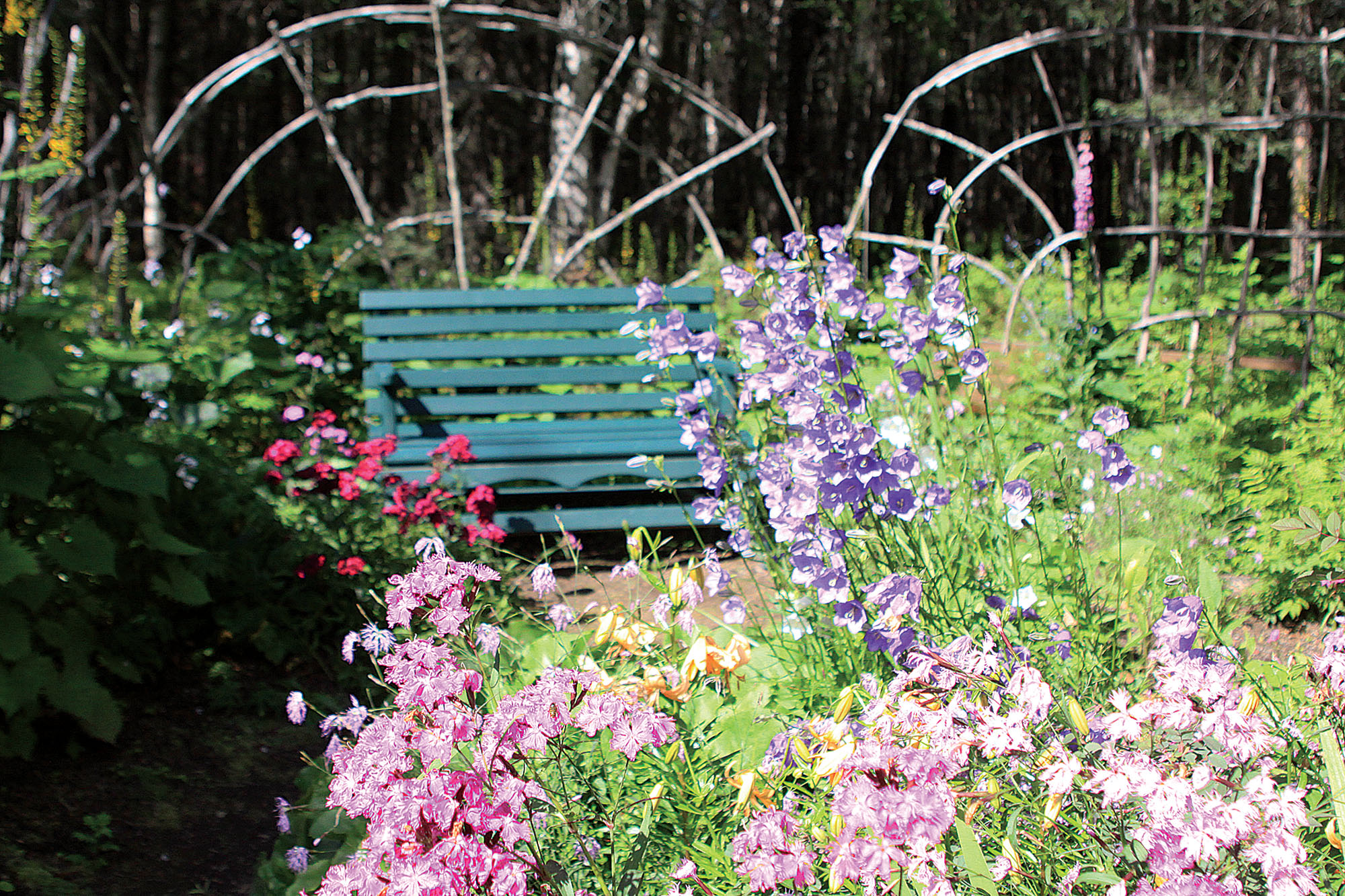
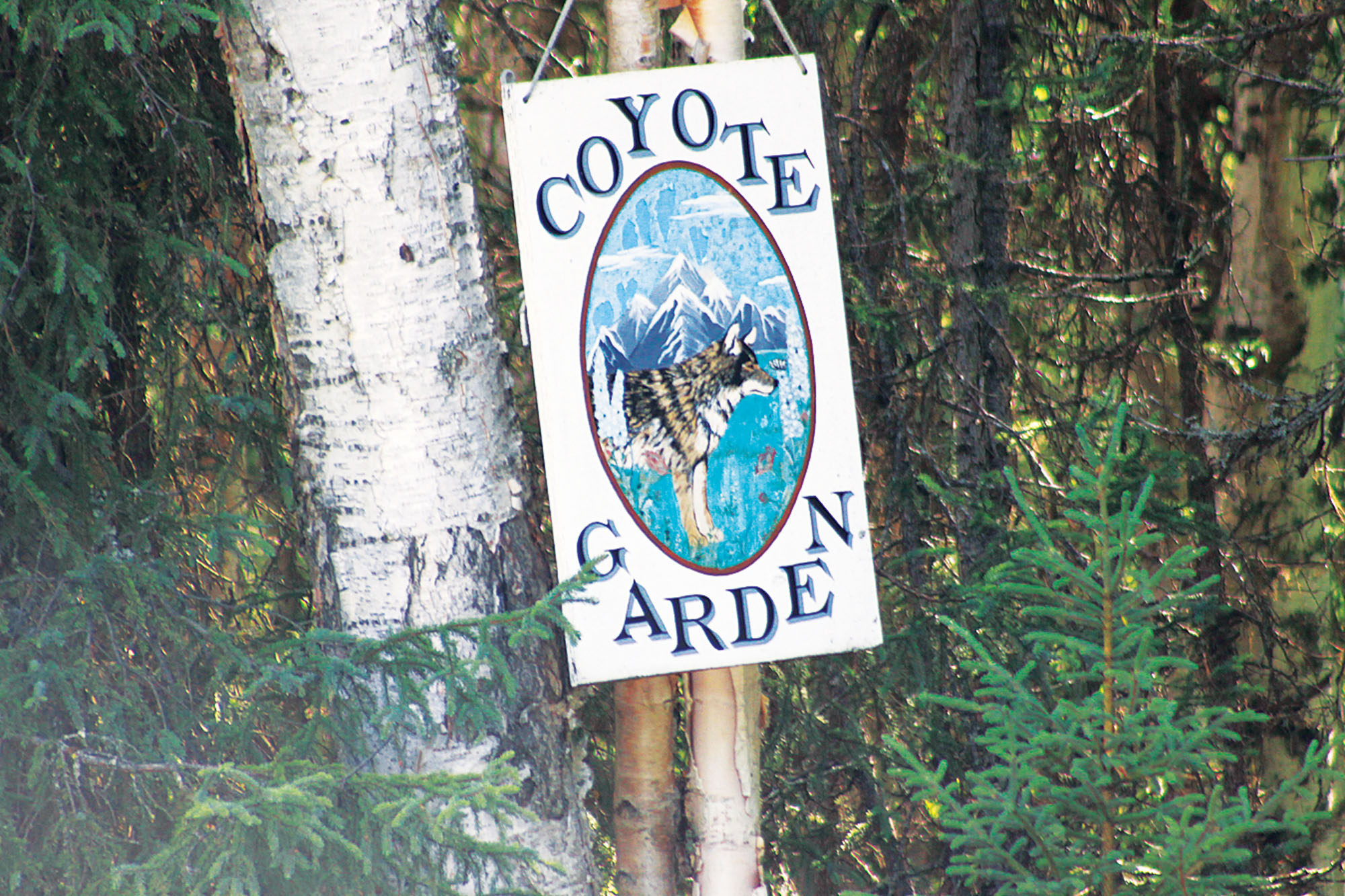
Nestled in the trees along the edge of a pond near Mile 7, Willow Fishhook Road, the garden has been the subject of more than 20 magazines and books, as well as several TV programs.
Coyote Garden is also what will bring well-known American horticulturalist, award-winning author, plant explorer and lecturer Dan Hinkley to Willow in August. He’s writing a feature about it for a publication called “Garden Design.”
(Although Brake and Hinkley are longtime friends, Hinkley said he’s never seen his friend’s garden in person, except for a few days in January 1998.)
Hinkley pitched his idea to the editors of the quarterly gardening magazine as either a winter feature about Brake’s ice sculptures, or a summer feature about the garden, Brake said.
“That was easy. I like ice. But I love gardens,” he said.
Hinkley has seen photos of Coyote Garden at various stages over the years, he said, but he’s eager to see it at its summer peak.
“I know few other gardeners that are as committed to their garden as is Les,” Hinkley wrote in an email. “Anyone who has done battles with extremely long winters and moose, and still remains uber excited and optimistic about the process each year, for decades, has my nod of approbation. He is indeed a true gardener in every sense of the word.”
That’s high praise coming from Hinkley, the only contemporary horticulturist to hold the Scott Gold Medal, the Liberty Hyde Bailey Medal of Honor and the Veitch Memorial Medal from the Royal Horticultural Society.
Hinkley will share stores and photos from his recent plant exploration treks to China, Vietnam and Myanmar at 1:30 p.m., Aug. 1 at the Willow Community Center, Mile 69.5, Parks Highway. Tickets are $12 and are available online at danhinkleyinwillow.eventbrite.com. Only 175 tickets will be sold.
Van Abel said Hinkley’s presentation highlights examples of plants found on his trip that could be grown in Alaska’s garden zones.
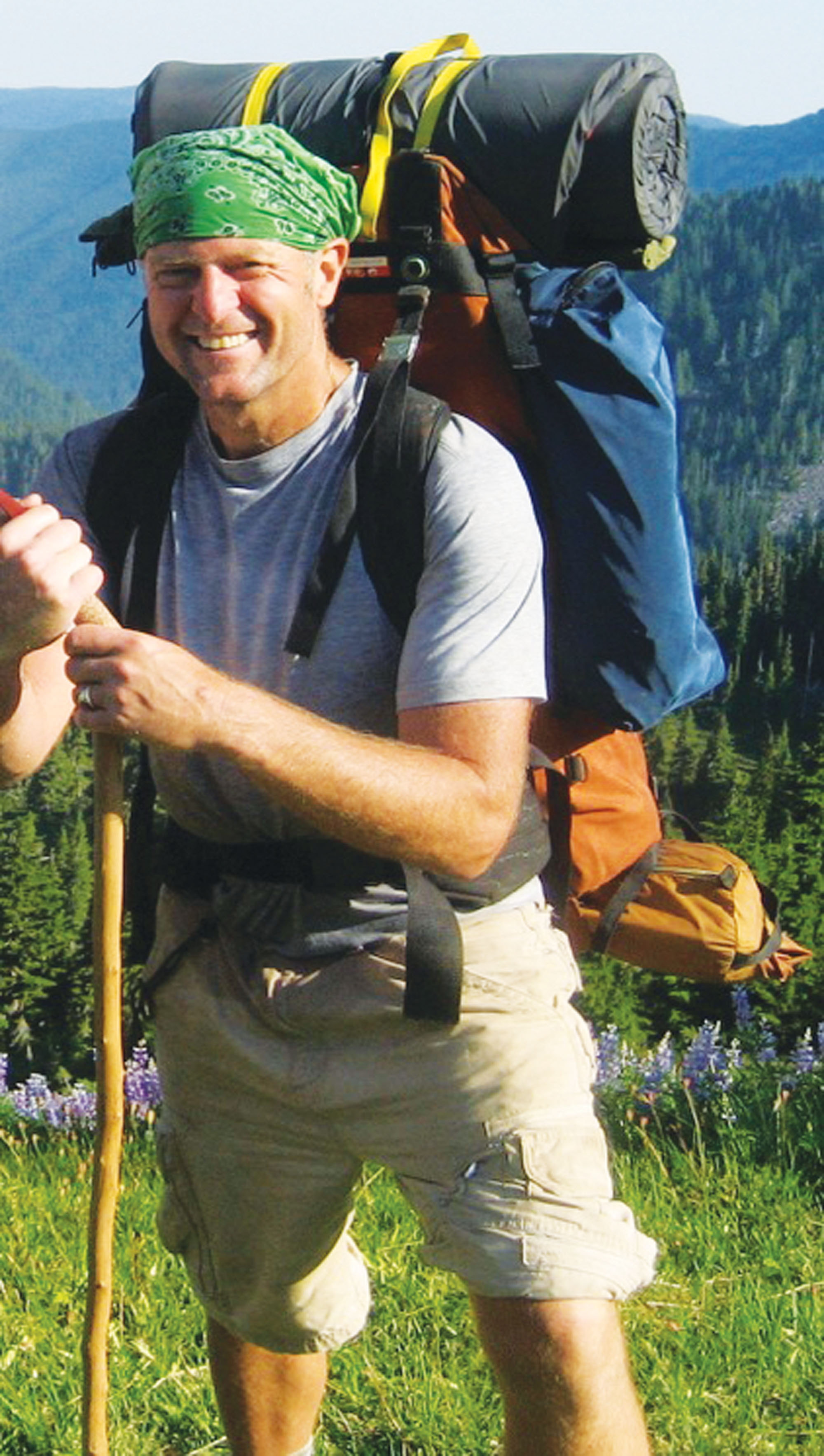
“To me, he is America’s green giant,” Brake said.
It’s tough to find a serious gardener in Alaska who doesn’t have something with roots in their garden that trace back to Brake. Several garden clubs and public gardens — from Fairbanks to Anchorage — also count Brake among their longtime supporters, or founders.
It was his friend Steve Bunton’s garden that inspired him to take up the study of plants and gardens as art in 1984, he said. Bunton lived in downtown Anchorage, just a block from the Sheraton. He tended a true cottage garden with vegetables and flowers together and chickens running through it all, Brake said.
“I knew from that summer, big beautiful gardens were possible in Alaska,” he said. “When I saw his garden, I knew what I was going to be.”
Bunton died in the early 1990s, but his influence, and some of his plants — like his annual red poppies — live on in Coyote Garden, his friend said.
“He had a big influence,” Brake said, of Bunton.
Bunton is part of a long list of Alaska, Outside and international gardeners who Brake credits with growing his art. Valley gardeners Jerry Freely and Phyllis Folta, for example, taught him to take care of the soil — a lesson that took 10 to 15 years to take root, he said.
There’s also Brake’s longtime friend Joyce Smith, who passed away in 2012. She was an English gardener who came to Willow in the 1950s and brought her love of gardening with her, he said.
Mat-Su College instructor Wendy Anderson also makes the list of gardeners who helped Brake grow.
“Those years were big turning point years for me,” he said. “That’s where I got turned on to gardening as an art.”
As much as the classes themselves, Brake said the books in the college library also were an influence. A garden should get simpler the farther it gets from the house. Colors should flow from warmer to cooler as it moves away from the house. Plant items together that will bloom at different times during the season.
“You can break your own rules, too, you don’t want to be bullied by them,” he said.
Brake loves the art of gardening. There is no such thing as a finished product, just the process, he says. He also says he is his truest self when working in the garden.
If his art succeeds, the Coyote Garden also has the power to transform those who walk among its blooms.
“When I look back over the whole season, most of it is grunt work — down on the ground turning compost with hayseeds in my hair,” he said. “But if you can just have a few minutes when it takes you to that other place, if you get just a few minutes, that’s more than most people ever get. If you get that few minutes, it’s worth it to me.”
For more information, contact willowgardenclub@hotmail.com.

Frontiersman.com Multi-platinum, Grammy-winning artist Amy Grant will perform at the 2026 Alaska State Fair on Monday, August

By Kyle Wilkinson For the Frontiersman Friday Fling returns to downtown Palmer this week and will continue through the summer.

By Barbara Hunt Palmer Buzz She walks in Palmer twice a day on Alaska Street from Arctic to Jenski’s.

By Russell Clark For the Frontiersman Obstacle courses. Alaska seafood. Live music. Farmers. Fishermen. Yoga. Art. Birds. Rock climbing. Kids