Retiring teacher, coach urges Colony grads to ‘find their 68’
By Jeremiah Bartz Frontiersman.com A football coach using a hockey reference as the centerpiece for his keynote address may


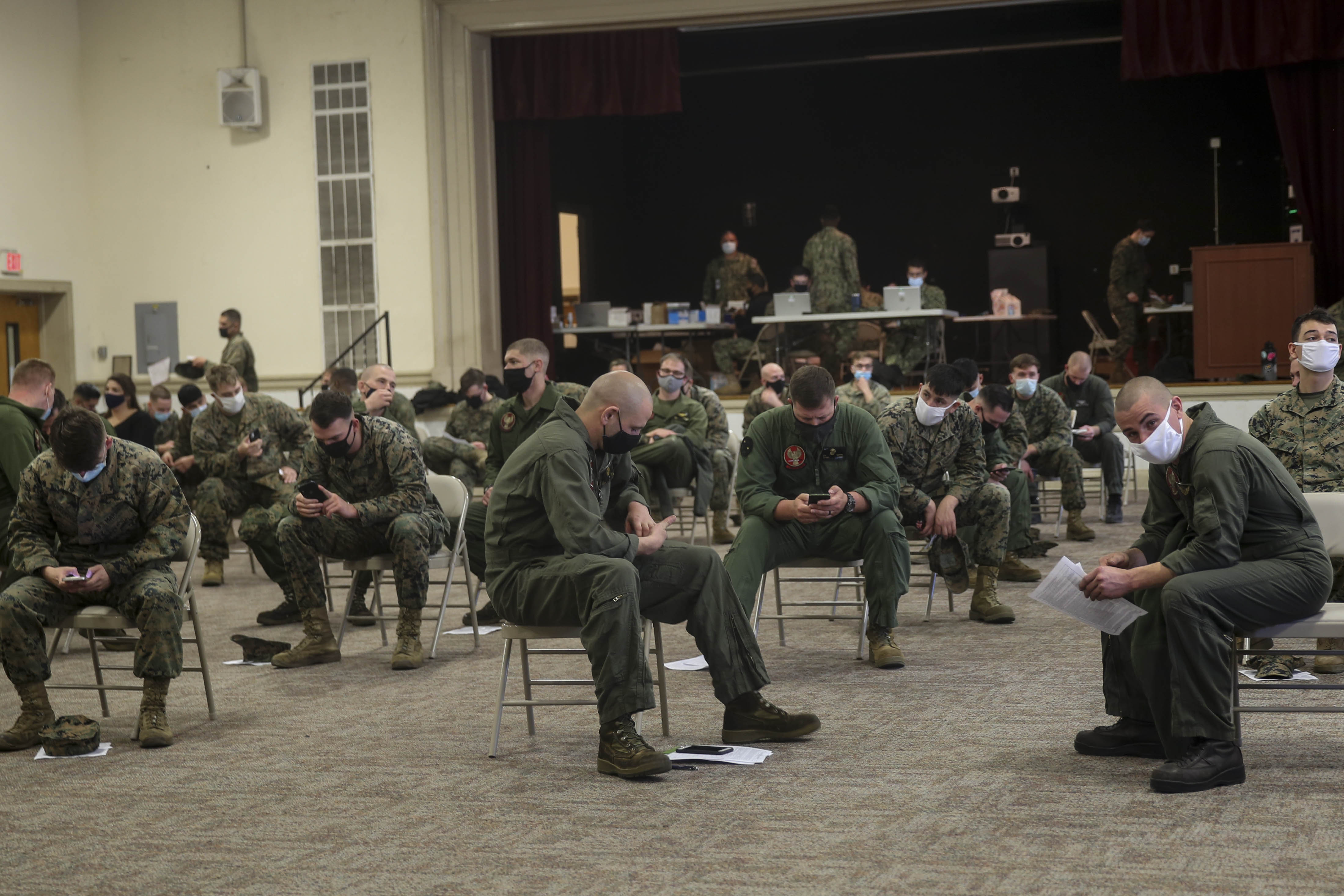
By any measure, the vaccination process in the military has been enormously successful with 6,540,793 shots administered with 1,915,932 service members fully vaccinated or having the first shot of a two-shot protocol.
The Army released its figures today with 468,459 active-component soldiers vaccinated against COVID-19. This is 98 percent of the force, with 96 percent of active duty soldiers fully vaccinated against the disease. The service is still processing exemption requests.
Secretary of Defense Lloyd J. Austin III made the vaccinations mandatory for service members soon after the Food and Drug Administration fully approved the vaccine. The Army deadline was December 15. Deadlines for reserve component service members are in June.
Service members who refuse the vaccine will be administratively discharged. The Air Force discharged 27 service members earlier this week for refusing the vaccine. The Army will not begin discharging those who refuse until next month.
Austin sees the vaccination process as a readiness issue. If service members are medically eligible to receive the vaccines, "it's the best way to protect themselves and their units," Pentagon Press Secretary John F. Kirby said today. "That's the readiness concern with getting the vaccine vaccination rate as close to 100 percent as possible."
Even with a 98 percent vaccination rate, there are still a few thousand service members not vaccinated. "They still have an opportunity to do the right thing for themselves and for their units," Kirby said. "We obviously hope that they will. But if they don't, it is a lawful order. And it has to be obeyed because it is a valid medical readiness requirement."
Kirby said vaccinations may be a political issue in society, but it is not in the United States military. "We're looking at it from the science, and we're looking at it from the readiness perspective," the press secretary said.
The military has not only been involved in protecting its own, but the greater U.S. population. In the Army alone, more than 6,000 Army medical professionals have supported the federal response, deploying to hospitals and vaccination sites around the country. Thousands more sailors, airmen, Marines and National Guardsmen also aided the effort since March 2020.

By Airman 1st Class Theodore Gowdy Joint Base Elmendorf-Richardson Public Affairs In July 2025, the Secretary of War released
Frontiersman.com Alaskans aged 17 to 28 have a unique opportunity to earn a college degree with major financial support
By Katie Stavick Frontiersman.com The United States Marine Corps has launched a strategic initiative known as "Campaign - Alaska,
By Katie Stavick Frontiersman.com As the 'Guardian of the North,' Alaska has historically been on the front