Retiring teacher, coach urges Colony grads to ‘find their 68’
By Jeremiah Bartz Frontiersman.com A football coach using a hockey reference as the centerpiece for his keynote address may


“It's really the American dream. A guy grows up in blue collar Massachusetts, telling stories about the streets, the factories, and ends up a scholar, acting in the arts. How does that happen? It can, and that's what we are about. You can be who you want to be. He exemplified that. We can expand ourselves, we can be more than what we are.”
Nancy Scheetz-Freymiller smiled as she said these words about her friend, Bob Pond.
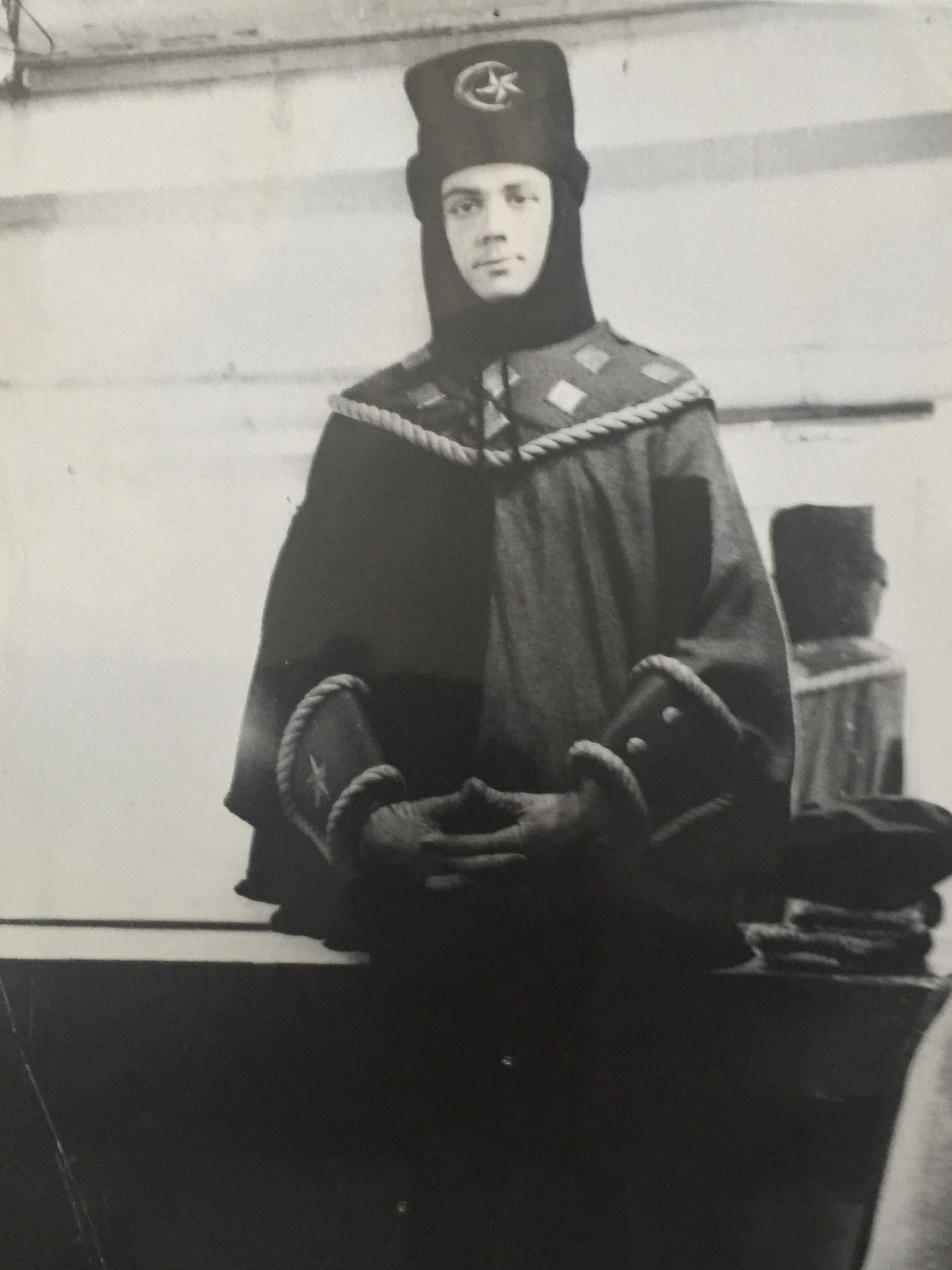
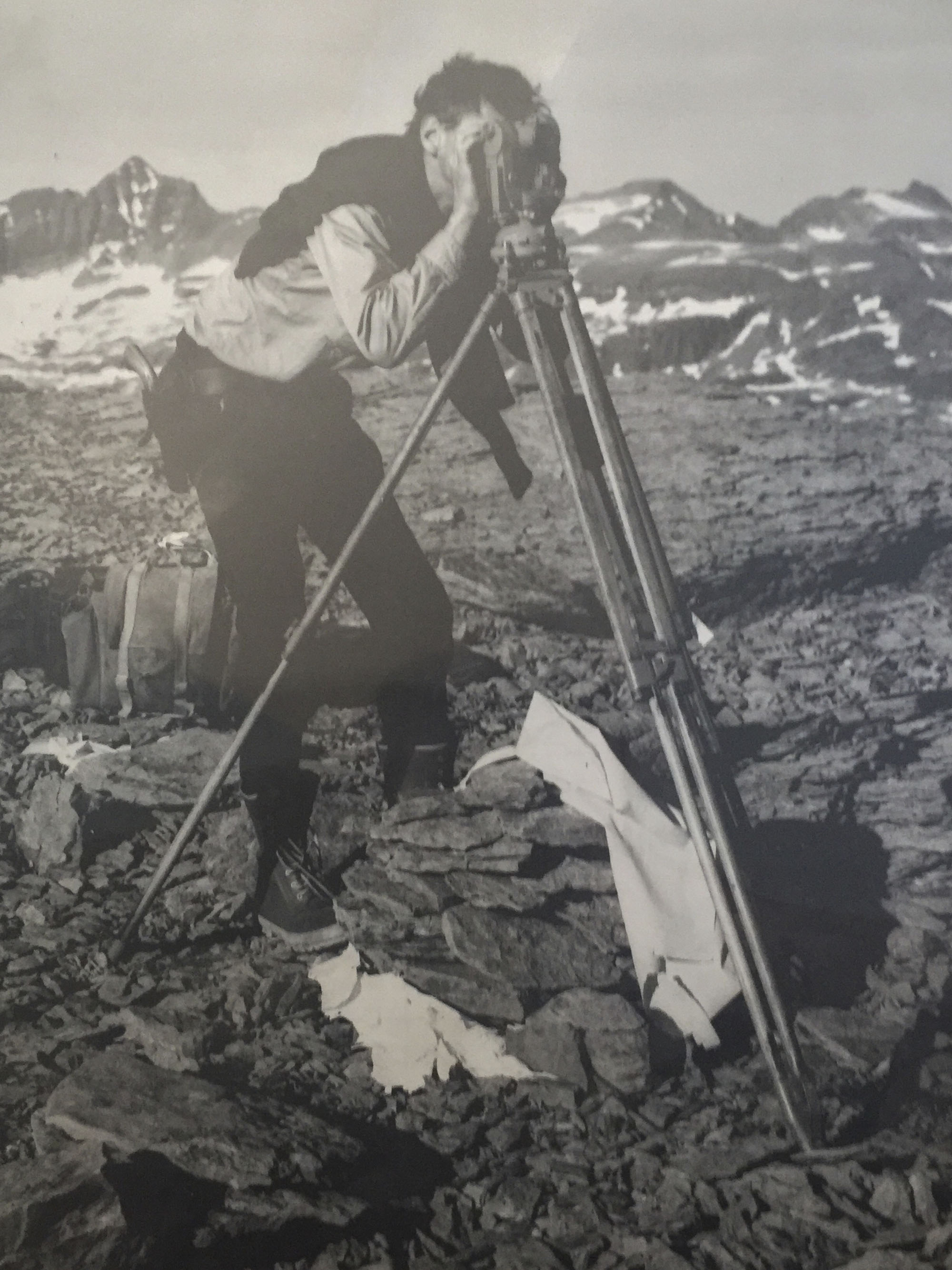
Born on the East Coast, studying the arts at the New England Conservatory of Music in his high school years, Bob Pond first found his desire for theatre, and decided he was going to be an actor. He continued this path in college, performing while he worked as an apprentice for a local theatre company. While serving in the U.S. Air Force he was moved to Alaska in 1957, and though he did not know it, he would forever change the lives of countless people that he crossed paths with. That journey came to an end the weekend before last, when he passed away at the age of 80.
He gave people their first chances, mentored many, and left people with lessons and wisdom along the way.
While dispersing this knowledge, Bob would often say “And that's from the book of Pond!” What many did not know is, there actually are at least five volumes to the book of Pond. Journals that he kept, full of quotes that he enjoyed from others, but mostly with his thoughts, his musings on different facets of life. He marked in the front of each of the journals a key, so that any reading them would be able to know which were his original thoughts, or which were quotes from Marlon Brando, Frank Sinatra, or any other number of actors, musicians, politicians or writers. As Scheetz-Freymiller also said during our talk, “He was an observant scholar. He wasn't just history. He was trying to understand todays world, and put it together, (with history.)”
“There is nothing worse than a stupid actor”
These are words that were left with John Ramaine, an actor who resides and works in New York City, from the man he loved like a father. These words have inspired John to work without compromise. It was Pond's belief in Ramaine that led him to live in New York in the first place.
Words like this may seem harsh to some, but in speaking with people I have learned it was all part of who Pond was. Forceful, direct, or as Matt Fernandez put it,“ He was a grouch!” Perhaps that inspiration he gave others, to work without compromise, came from the fact that Pond gave the same effort in so much of his life.
I had a conversation with Brian Saylor about his decades long relationship with Pond, both as a colleague and as a friend. Their families spent holidays together, worked in theatre together, and in fact, Pond's daughter Teresa used to babysit Saylor's children. “Bob was more than willing to to accept more responsibility than most humans can possibly endure.” Saylor said. Pond worked as a producer, director, teacher, and more. For those like Fernandez and Saylor, whom he cast in their very first theatre roles, he taught them everything from lights to sets to characterization in their time together.
Pond respected the intellectual above all others, but he never considered himself to be counted among them. Regardless of the amount of books he read, shows he produced or acted in, or conversations and debates he had with friends, he still looked to others as his lighthouse, while he lit the way for others. Scheetz-Freymiller explained to me that “Bob was very humble. People may talk about aspects of his personality, or his forcefulness as a director, those characteristics. Underneath that, there was this humble person.”
As she told me stories about her discussions with Pond, be they political, emotional or social, she often used the term ‘Rarefied air.’
“There is rarified air right now, with people that take the time to think and read,” she said.
“Get the degree!”
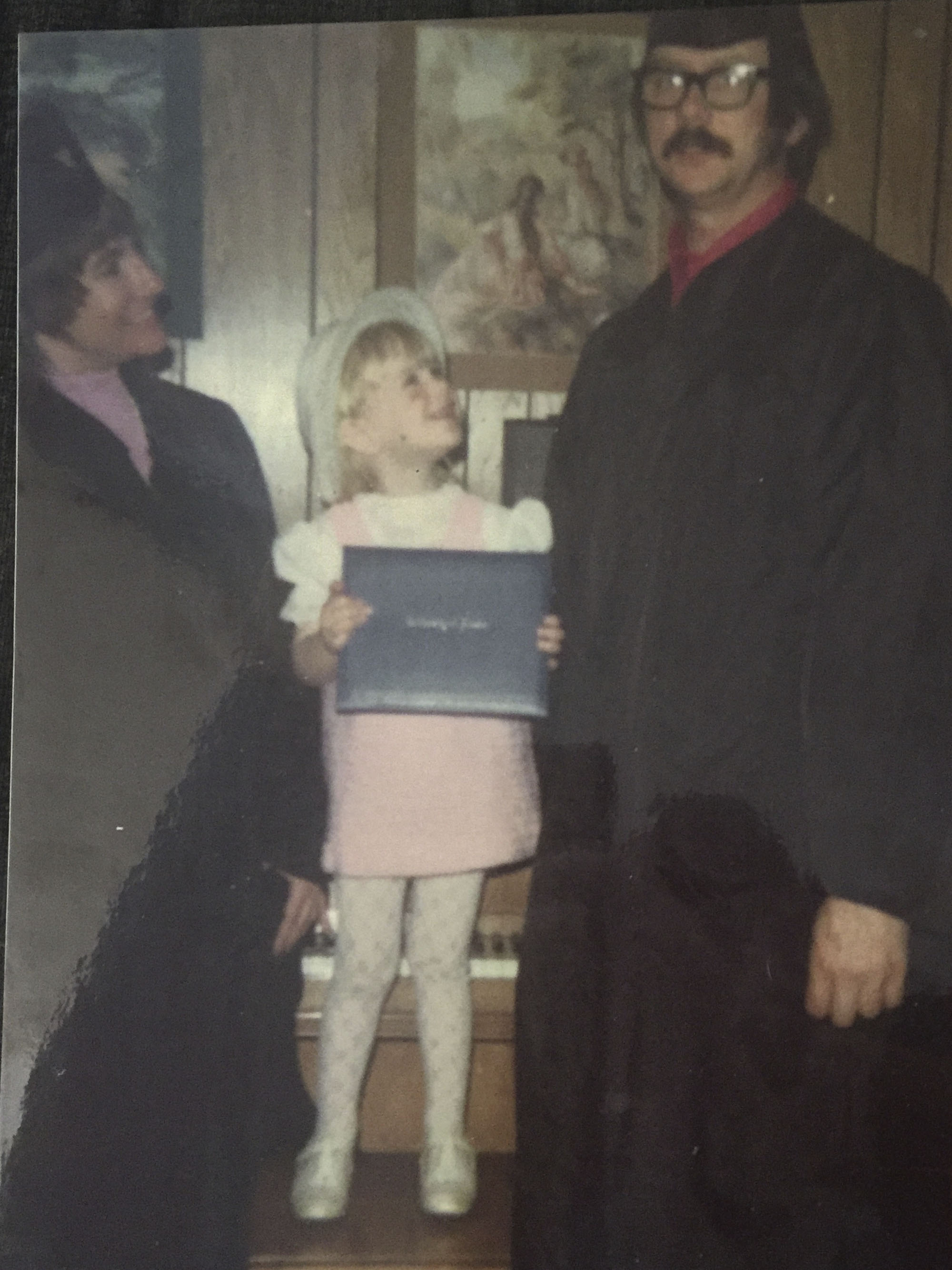
Pond got his degree later in life, and when he had his frequent lunches with Fernandez he would tell him the importance of getting a degree.
“It's just a license,” he’d say.
Fernandez explained that Pond would tell him that if two people were applying for a job, the person with the degree was more likely to succeed. Not even the degree that was correct for the position necessarily, it was just having a degree at all.
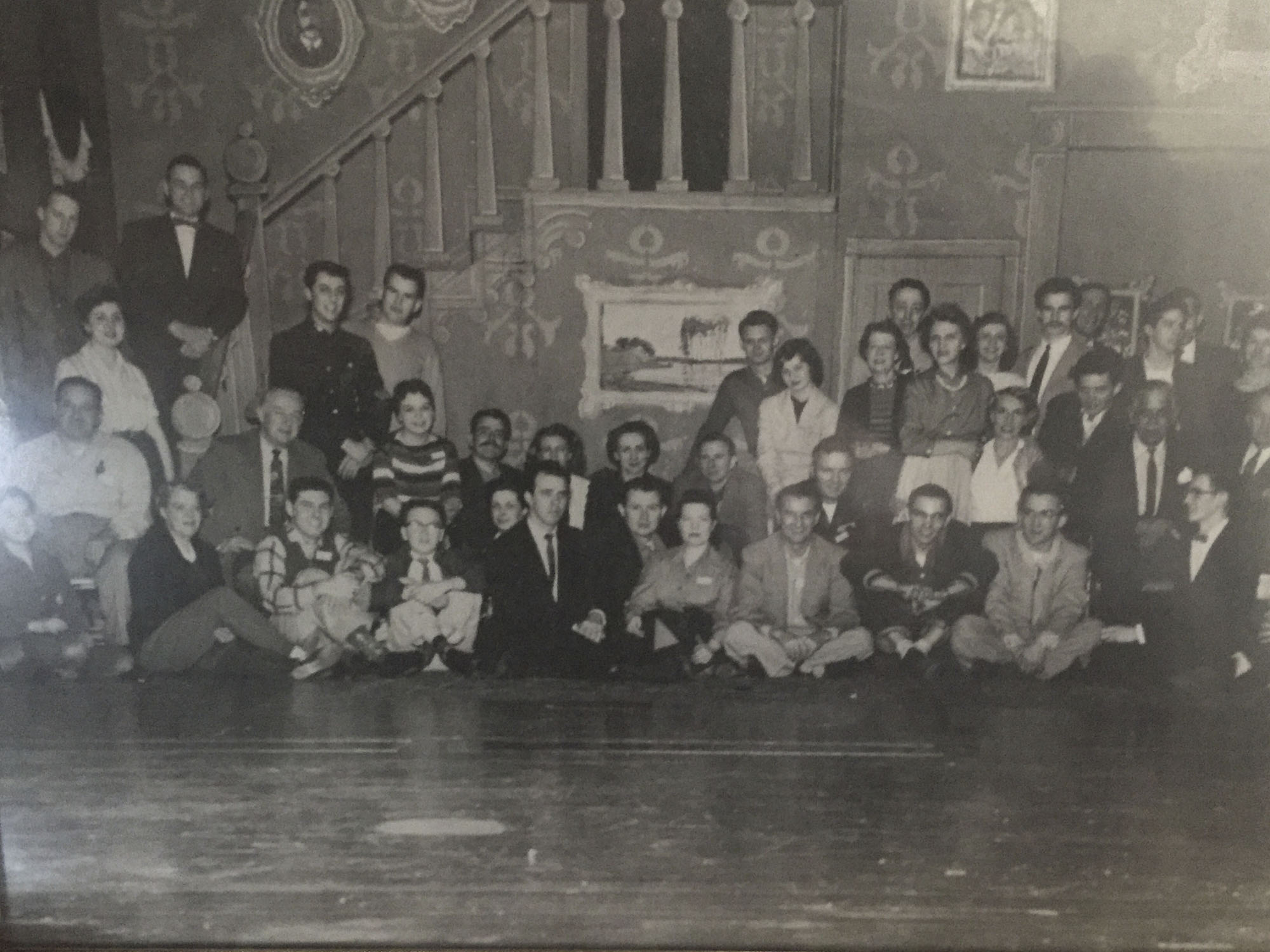
Fernandez was first cast in one of Pond's shows at age 12, and maintained a friendship with Pond for all the years that followed. This is a story that is repeated by many. Pond was well known for casting as many children as possible into his shows, even if the script did not call for it. He would create a space for all that wanted to give theatre a try. Actors would show up for events and auditions at ACT and there would be children hanging from the rafters, because so many people wanted to be a part of the community the Pond had created. Pond told Nancy “Tribal. We're all tribal. We are becoming more and more tribal.”, and though he was referencing the current political and social climate, my thought is that he was creating a tribe of his own, all along.
“Read the script”
Pond certainly understood the power of the written word. This is a lesson that Saylor learned early on from his friend. “Read the script. You know sometimes I get ahead of myself. I look at the notes, I look at solutions I have found to a particular issue. I miss a lot. I miss the nuance of the show, that you get only from the script. He would say, read the script.”
This fascination with writing carried into so many other parts of Pond's life. He always had a book with him, he was constantly searching for more knowledge. The book that he was reading when he passed away was called The Brain and his bookmark showed that he was reading the chapter on the formation of the adolescent mind. “His world was never small. Some of us we retreat. We retreat to our world that we can manage. His world was never small, and he kept on broadening it.” Scheetz-Freymiller shared.
Pond wrote a screenplay once, just to see if he could. His curiosity for knowledge also materialized when pushing himself to do new things. He composed music for shows that he produced and directed, he played piano, he collected history and through it all he continued to mentor and inspire those around him.
“Ignites our curiosity”
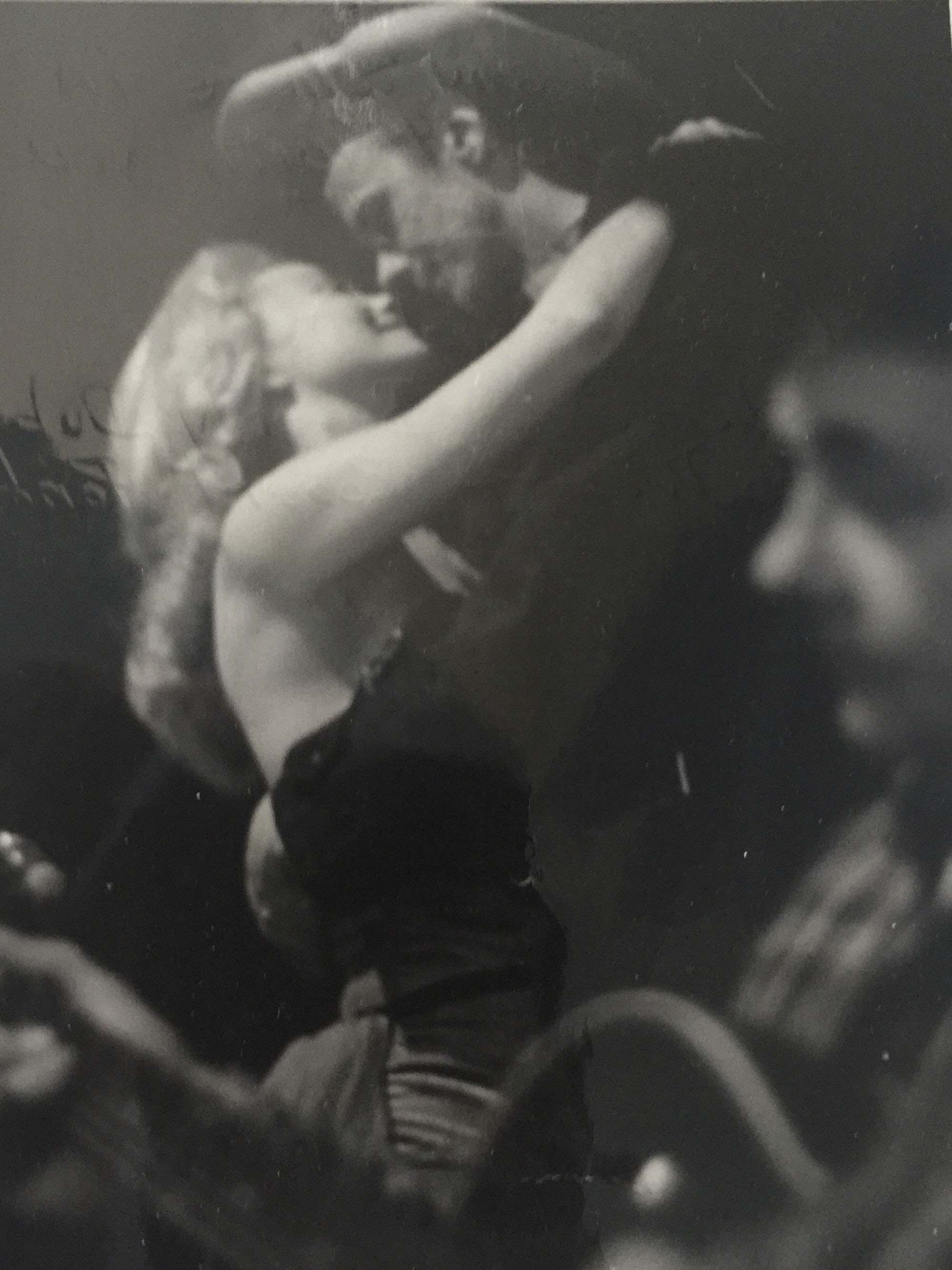
The resume for theatre work that Pond did is staggering. Witness for the Prosecution, Cave Dwellers, Lion in Winter, Waiting for Godot, Fiddler on the Roof, Arsenic and Old Lace, Camelot, Brigadoon, Peter Pan, Oliver, Alice in Wonderland, The Sound of Music, The Wizard of Oz, Annie, The Miracle Worker, The Glass Menagerie, The Hobbit, West Side Story, and many more were all touched by his work, whether he worked as an actor, producer, or director. One of his personal favorites was A Streetcar Named Desire, and he shared a fondness for Marlon Brando with his friend Fernandez. The list of shows would cause any one that counts theatre among their passions to be sick with envy.
His accomplishments are well documented. He prepared his thesis The History of Community Theatre in Anchorage 1946-1976 in 1980 as a candidate for a Master of Arts degree in Theatre Arts at Portland State University, and was preparing it for a book. He was also recently nominated for the Governor’s Award for the Arts and Humanities.
He was a writer, musician, philosopher, father, husband and friend. He was an artist and a mentor, and even though he never considered himself one, he was an intellectual.
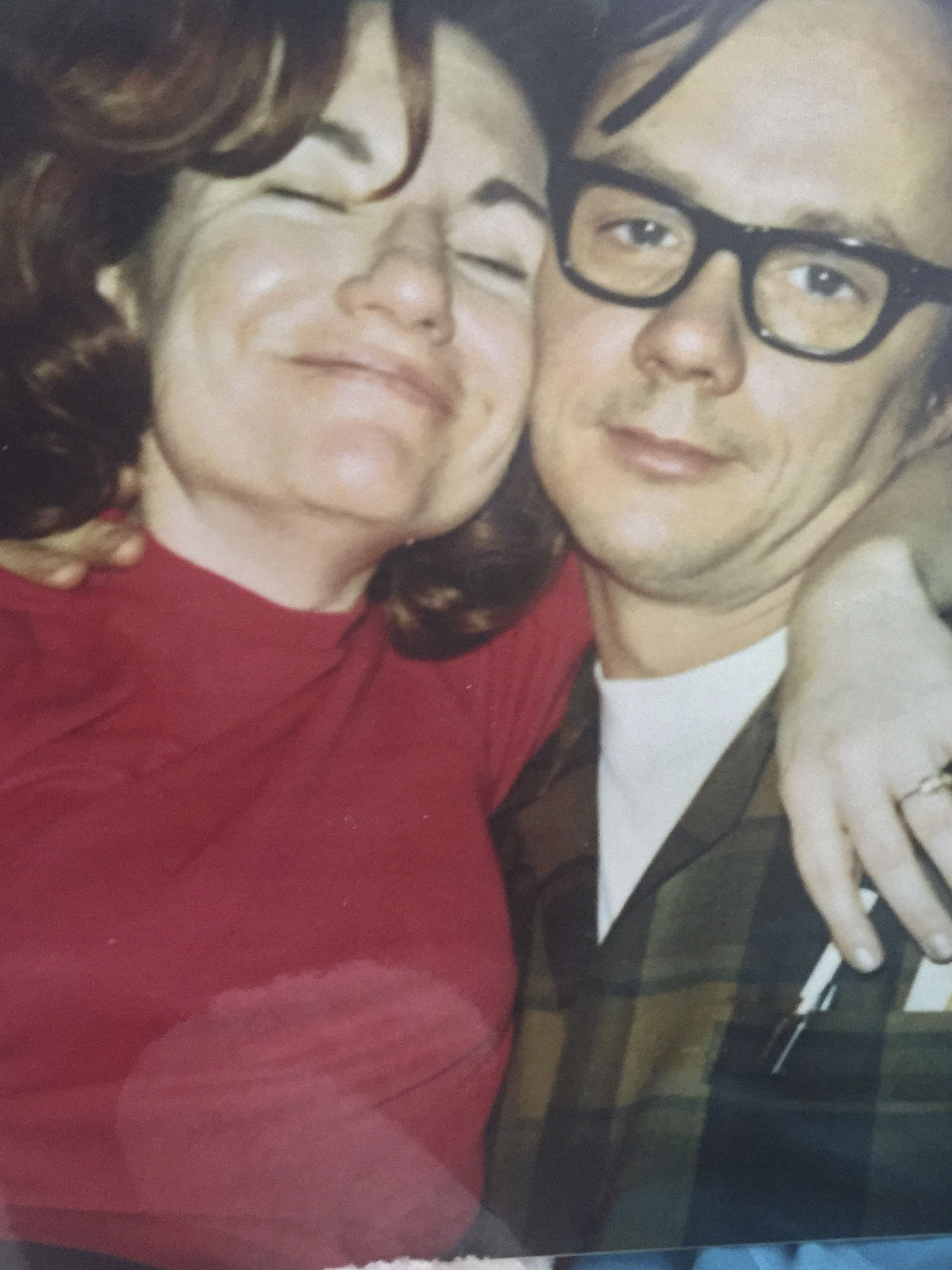
Pond spent over 50 years in Anchorage, married to his wife Roberta, and raising their children Teresa K. Pond of Anchorage, and Sean-Michael Pond of Seattle. He did have his “mistress” theatre as well. Roberta had rules for Pond, making him agree that he would not do shows in the summer because that was time for family. Pond obeyed that rule — for the most part — and raised a daughter that has followed in his footsteps, first as an Artistic Director at ACT, and now at Cyrano's, after her travels to the east coast, always working in theatre.
“He was a feminist before he knew the word” Teresa said. “He always loved strong women, and that is how he raised me to be.”
I never had the pleasure of meeting Bob Pond in his lifetime. Through the research and conversations that I needed to write this piece, I feel like I got to experience his legacy only briefly. It is not often that you begin to do research for a piece, and discover someone that you truly look up to.
Perhaps like some, I would have been intimidated by his sometimes gruff and forceful nature. Perhaps I could have been someone that discussed a myriad of topics with him like Scheetz-Freymiller. It may have been that I would have found a father figure and mentor like Ramaine and Fernandez, or perhaps a good friend like Saylor, who remarked that upon hearing the news of Pond's passing “We now live in a different world than the one we woke up in.” I wish I had the opportunity to sit and talk with him, but I am grateful for his words that were shared with me by his loved ones. Despite the way advice was worded Fernandez said “I feel sorry for those that didn't listen.” I hope that as I live my life, I will inspire someone to someday say words that meaningful about me.
There will be a public memorial celebration for Bob Pond on Sunday, Aug. 20 at 6 p.m., in the Wendy Williamson Auditorium at UAA.

Frontiersman.com Mat-Su Health Foundation has debuted a refreshed brand identity, including new logos for the Foundation and its

By Christian Hartley Now You Know When politicians disappoint us or propose ideas we do not feel reflect our values
A new study takes a comprehensive look at the health and well-being of Mat-Su residents. The Mat-Su
Mark Kelsey A new study takes a comprehensive look at the health and well-being of Mat-Su residents. The