Retiring teacher, coach urges Colony grads to ‘find their 68’
By Jeremiah Bartz Frontiersman.com A football coach using a hockey reference as the centerpiece for his keynote address may


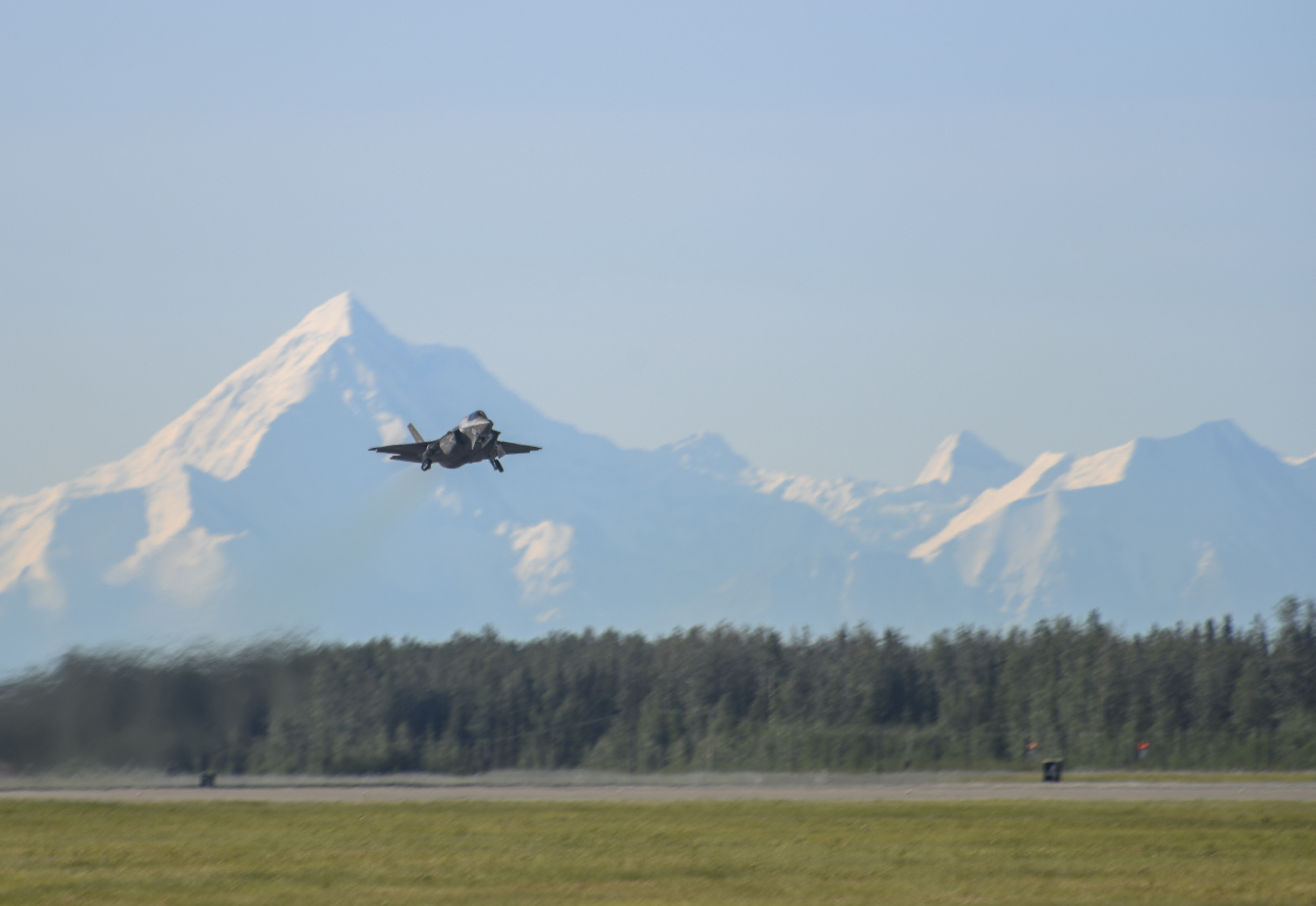
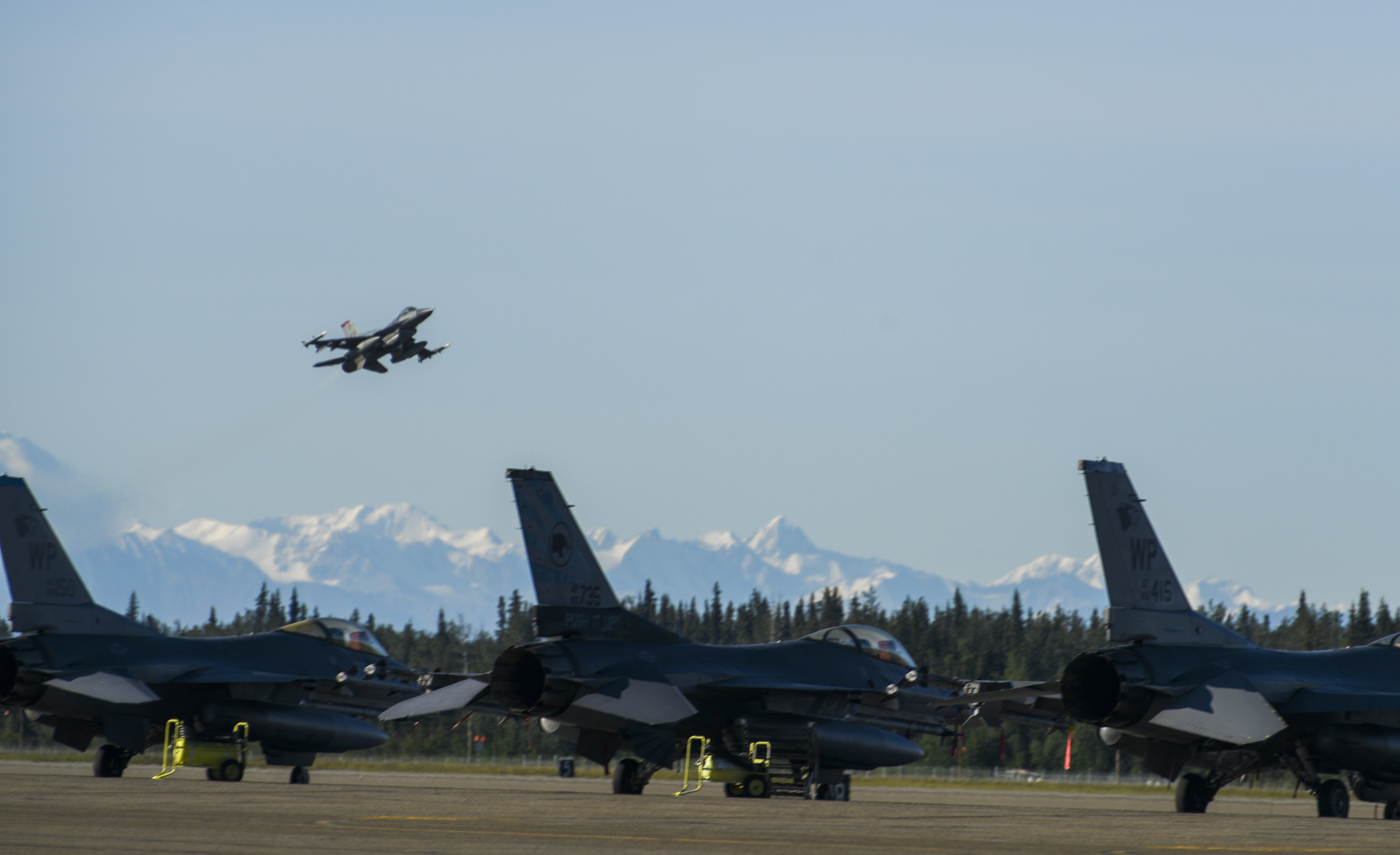
JOINT BASE ELMENDORF-RICHARDSON, Alaska – RED FLAG-Alaska 22-3 is in full swing starting July 28 through Aug. 12 with U.S. forces and international partners.
RF-A is a Pacific Air Forces-sponsored joint and multilateral exercise designed to provide realistic training essential to the continued development and improvement of combined and joint interoperability in a simulated combat environment.
“The previous exercise in June focused on air-to-air and air-to-ground employment, close air support training and integration with joint partners from the 11th Airborne Division,” said U.S. Air Force Maj. Jeffrey Leonard, 354th Operation Group Detachment 1 RF-A 22-3 team chief. “This RED FLAG is more focused on air-to-air combat employment as well as integration with our coalition partners from the Royal Australian Air Force.”
The RAAF’s primary goal of working alongside the U.S. is to maintain and strengthen the U.S. and Australia’s alliance.
“At a tactical level we are seeking to improve our ability to cooperate and integrate our forces in the planning and execution of complex air campaigns,” said RAAF Squadron Leader Derek Cox, No. 2 Squadron Detachment commander. “I expect my team to further their proficiency in the employment of the E-7A Wedgetail command and control capability and gain a better understanding of the U.S. capabilities that are being employed in the exercise.”
Roughly 2,200 service members participating in flying, maintaining, and supporting more than 110 aircraft from over 25 units. U.S. service members will also be training alongside RAAF service members to exchange tactics, techniques and procedures while enhancing the combat readiness of all participating forces.
“Our primary objective is to strengthen partnership with our allies and increase coalition combat effectiveness,” Leonard said. “We’re incredibly fortunate to have the RAAF participate in RED FLAG and are looking forward to working with them over the next two weeks.”
The F-22 Raptors from the 525th Fighter Squadron and F-35 Lightning from other units are also part of the RF-A 22-3, making Alaska the most concentrate state for 5th generation fighter aircraft.
What is unique about the JBER F-22’s participation this iteration is that it also falls on the 15th anniversary of the first Raptor arriving at then-Elmendorf Air Force Base on Aug. 8, 2007.
All participating aircraft will train at the Joint Pacific Alaska Range Complex due to its vast airspace, varied terrain, and advanced range complexes. The JPARC boasts thousands of square miles of land and airspace, providing a realistic training environment that accommodates new technologies’ increased mobility, expanded capabilities and improved communication.

By Airman 1st Class Theodore Gowdy Joint Base Elmendorf-Richardson Public Affairs In July 2025, the Secretary of War released
Frontiersman.com Alaskans aged 17 to 28 have a unique opportunity to earn a college degree with major financial support
By Katie Stavick Frontiersman.com The United States Marine Corps has launched a strategic initiative known as "Campaign - Alaska,
By Katie Stavick Frontiersman.com As the 'Guardian of the North,' Alaska has historically been on the front