Retiring teacher, coach urges Colony grads to ‘find their 68’
By Jeremiah Bartz Frontiersman.com A football coach using a hockey reference as the centerpiece for his keynote address may


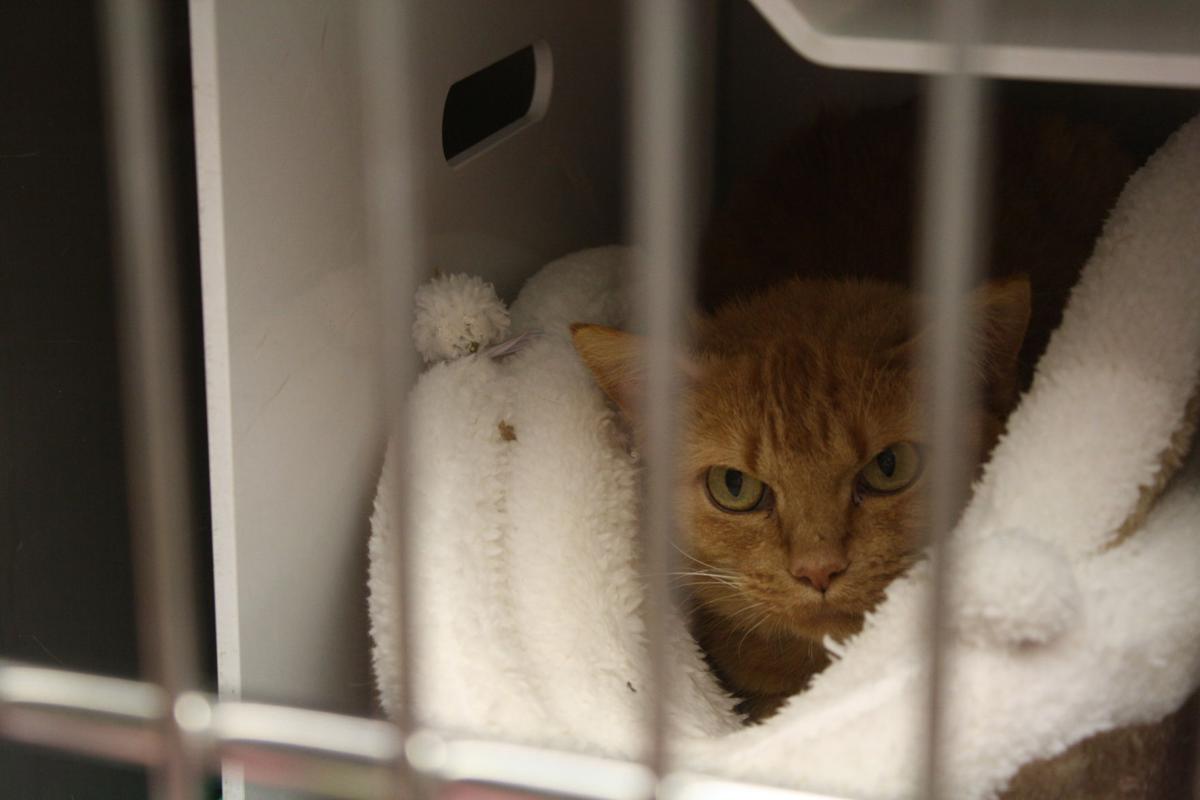
The Matanuska-Susitna Borough Animal Shelter’s staff is stretched thin, according to director, Kirsten Vesel. With Gov. Mike Dunleavey’s new budget looming over their heads, she said they are anticipating cuts so they are now handling pet intakes on a case-by-case basis.“In anticipation of funding cuts, we are being creative with how we manage our operations because we don’t anticipate getting any additional staff. That’s really what triggered this,” Vesel said.Vesel said that she recently asked for three additional full-time staff members but she doesn’t expect to see that happening anytime soon. In fact, she is concerned that there will be less to work with down the road.“We may have to cut services. That may be on the horizon,” Vesel said.The prospect of making more with less has prompted the shelter to change how they accept animals. Vesel said this is an interim practice and she is unsure what they will have to do next.“It all depends on what the state budget looks like. We’re all at the mercy of the state budget,” Vesel said.Pet owners can still bring in their pets but they may not be able to get them in that day. Vesel said that it all has to do with each circumstance, coupled with space availability. She said that this is a means to better manage with their current staffing levels. She said they currently have 23 employees, nine are on-call and 14 are full time.People looking to drop off their animal could be put on a waiting list. She said the waiting lists are not lengthy and typically don’t take more than a couple days.Burn out is common amongst all of the staff, according to Vesel. She said that that the job is labor intensive and the high volumes of animals managed by a limited team wears down the morale. She said the staff has been “running ragged.”“We are already grossly understaffed, according to national standards,” Vesel said. “My goal is to manage what we can well.”Vesel said that she and her staff are striving to move forward with new and refreshed goals. They are working to avoid overpopulation while providing quality animal care to each critter that comes through their doors.“We’re going to get cut, we just don’t know how bad we’ll get cut,” Vesel said.Vesel said that if they somehow were able to add three more people on their staff, they likely wouldn’t have to implement waiting lists but she doesn’t see that happening. She lost two staff members this week for their own personal reasons.Vesel is worried about exodus and losing more staff members in the future. She said that she had to close the shelter for the day due to staff loss and expects more closure days on the horizon but she has to replace the front counter employee as soon as possible.She anticipates opportunities to shrink in the Valley after Dunleavy’s cuts, not just from her sector but all over. She said that she is expecting a mass migration out of the Valley and as a third generation Alaskan that saddens her.She said they have already made cuts to their budget, betting on the fact they will need to adapt when Dunleavy’s budget is finalized. She said this preemptive planning is the “responsible thing to do.”She said that she is planning to present her budget to the Matanuska-Susitna Borough Assembly next week, where they can accept or alter it “as they see fit.”“I’m just bracing myself,” Vesel said.Vesel said that the shelter is not considered a critical service and they could even be “cut entirely.” She said that she took some comfort in the amount of backing from the community.“We do have a lot of support, thankfully,” Vesel said.Walking through the shelter, Vesel pointed out a wall of volunteer tags. She said they currently have a roster of about 1,000 people and 100 on average volunteer per month. She said she was grateful for them and their efforts are vital to their operation.“We couldn’t function without them,” Vesel said.Vesel took the mantle of director in August of 2015. She said the shelter used to be about a quarter of the size it is now. About 10 years ago, the shelter expanded under a borough capital project. She said that prior to the expansion, it was a “kill shelter” and euthanized animals on a regular basis to make room.She sighed with relief and said they no longer operate like that. She said they still euthanize animals but only if it’s for mercy, be it for severe illness, old age or critical injury. She said that pet owners can still have their elderly or ill pets in pain euthanized if need be. They do still euthanize animals that are “unadoptable,” meaning too violent and a “danger to the public.”Vesel said that she works at the shelter for the same reason the staff are there: for the love of animals and their wellbeing.“I don’t want to see any animals not get adequate care,” Vesel said.It’s raining more than just cats and dogs at the shelter. They take all kinds of animals with special areas, isolation rooms, an outdoor playa area and charitable food and items for pet owners. They’ve housed a plethora of critters, from pigs and goats to turtles and rabbits.Reesa Hauge is currently the longest tendered on call employee, according to Vesel. Hauge has been with them for eight years. She said that she keeps coming back for the same reason she started: her love for animals, especially dogs. When she isn’t working at the shelter, she spends the rest of her time training local dogs.“Dogs are my life,” Hauge said.Hauge said that a lot has changed since she started at the shelter, namely the overall traffic of people from the community and volume of animals in the center’s care. She said that when she first started, there used to be “slow days” on occasion. That isn’t the case anymore.“Every single day is busy,” Hauge said.Vesel said that she is concerned about the future, mostly because of how uncertain it is.“I think that’s what we all feel right now because we don’t know what to expect until the state makes up their mind,” Vesel said.Contact Mat-Su Valley Frontiersman reporter Jacob Mann at jacob.mann@frontiersman.com

By Christian Hartley Now You Know If you have ever wondered what the borough attorney actually does, you are not

By Katie Stavick Frontiersman.com In a direct response to public outrage over a horrific animal neglect case, the Matanuska-
By James Brooks Alaska Beacon State lawmakers are acting to fix technical errors affecting the boundaries of several Alaska wildlife

By Katie Stavick Frontiersman.com A man recently arrested after reports of prowling and attempting to enter a family shelter