Retiring teacher, coach urges Colony grads to ‘find their 68’
By Jeremiah Bartz Frontiersman.com A football coach using a hockey reference as the centerpiece for his keynote address may


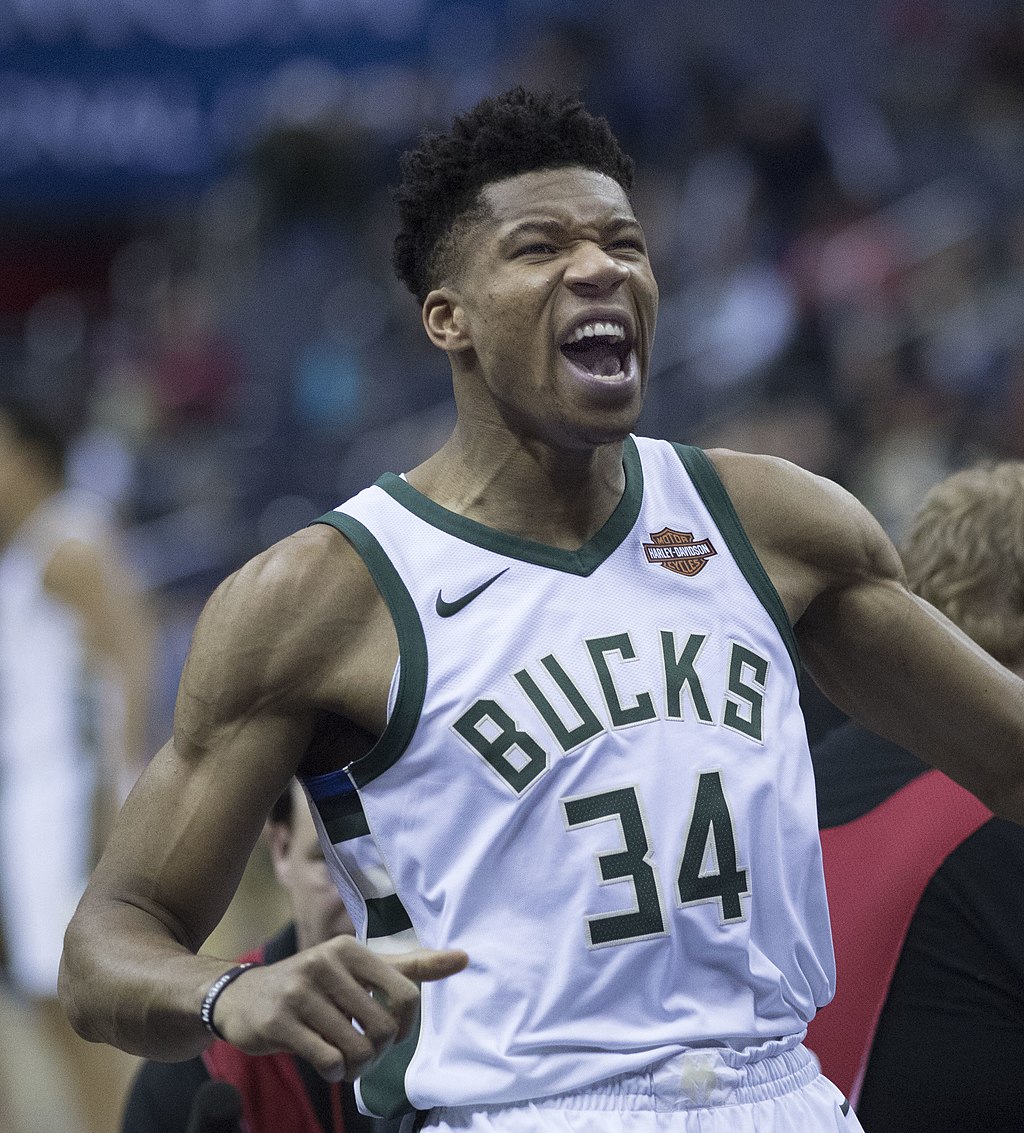
In a historic move on last week, the Milwaukee Bucks of the National Basketball Association chose to boycott their first round series playoff game against the Orlando Magic. This decision was made by the Bucks players in support of the Black Lives Matter movement, and in direct response to the recent killing of Jacob Blake in Kenosha, Wisconsin.
After a months-long season postponement due to COVID-19, the NBA recently resumed play in a “bubble” campus in Orlando, Florida. Prior to the restart, many players questioned the ethical ramifications of playing amidst the global pandemic, and expressed concerns that their play might distract from the national conversation around race that was reignited by the murder of George Floyd this past May.
When the league announced plans to resume the season, issues of social justice and police brutality were front and center. With the support of the league front office, Players have been wearing customized jerseys with social justice and protest messages, including “I can’t breathe,” “Vote,” and “Education Reform.” Painted across the hardwood are the words “Black Lives Matter,” and during press conferences, players like Paul George and Kyle Kuzma continue to demand justice for the killing of Breonna Taylor, amongst others.
Despite the considerable efforts of the league, there was a growing sentiment amongst players that the message was being lost amongst the excitement of the playoffs. With the reescalation of nation-wide protests following the killing of Jacob Blake, the Bucks led a boycott that quickly spread to Major League Baseball and the WNBA.
This boycott and the entire BLM movement is not a response to one, two or however many discrete events, but rather to generational, systemic injustices, persecution, disenfranchisement and violence - violence that no person of color is immune to.
On January 26, 2018, Sterling Brown of the very same Milwaukee Bucks was beaten, tased and jailed for a parking violation. Brown is an athlete, he is a son, a citizen and a black man. Basketball didn’t protect him, and money didn’t protect him. To the police, he was just “a Black man with a nice car in the hood” (Brown, Players Tribune). For these athletes, police brutality and racial inequality aren’t vague, unrelatable concepts - they are grave, immediate threats.
On Wednesday afternoon, the final decision to boycott came swiftly and unexpectedly. When the Bucks emerged from their locker room, it was Brown, alongside teammate George Hill, who read the team’s statement.
Unprecedented as it is, this boycott adds to an important legacy of sports and issues of social justice. Maya Moore stepped away from her career to pursue criminal justice reform. Muhammed Ali refused to fight in Vietnam. Tommie Smith and John Carlos raised their fists. These athletes chose to use their voices, their platforms to demand accountability and justice.
This legacy of protest is at the very core of leagues like the NBA, and it’s easy to understand why when you consider how pervasive racism is in sports. Colin Kapernick silently kneels and is blacklisted. Serena Williams spends 20 years being the most dominant force in tennis history and is the target of bigoted comments and caricatures at every turn. In basketball and football, the vast majority of players are black, yet most audiences, officials and coaches are white. The NCAA exploits young black athletes to the tune of a billion dollars a year. People pay money to attend games only to shout vitriolic words of hate at the players. The teams, and by extension the players, have literal owners.
We delight in black bodies running up and down the court, yet reject their voices and discredit their experiences. Fans may prefer to ignore the socioeconomic and political inequalities inexorably linked to sport, but that’s an unrealistic expectation to impose on players who have lived in and been shaped by the inequity of a system built specifically for their exploitation and your enjoyment.
Sports represent the very best in us - team work, excellence, passion and creativity. But these players are so much more than just athletes, and have so much to give us than their game. They jeopardized their chances at the promised immortality of a championship, and with the whole world watching, they chose to use their platform to organize and to speak out against the racial inequities that continue to plague our nation.
The players have since voted to resume the season, but this moment will not be lost. The actions of these players caught the attention of major media outlets, White House officials and a nation of sports fans. In a system in which black bodies are routinely commodified and exploited, these players made a powerful statement, and the world listened.

By Katie Stavick Frontiersman.com The Wasilla Police Department has released more information about the crash into their headquarters. On

By James Brooks Alaska Beacon Two Wasilla residents have been accused of a record-setting number of felonies and misdemeanors

By Corrine Smith Alaska Beacon Alaska will deploy 25 National Guard soldiers and airmen to Washington D.C. this month,

Frontiersman.com A Wasilla man is dead and a teen is in custody following a shooting in Wasilla April 27.