Retiring teacher, coach urges Colony grads to ‘find their 68’
By Jeremiah Bartz Frontiersman.com A football coach using a hockey reference as the centerpiece for his keynote address may


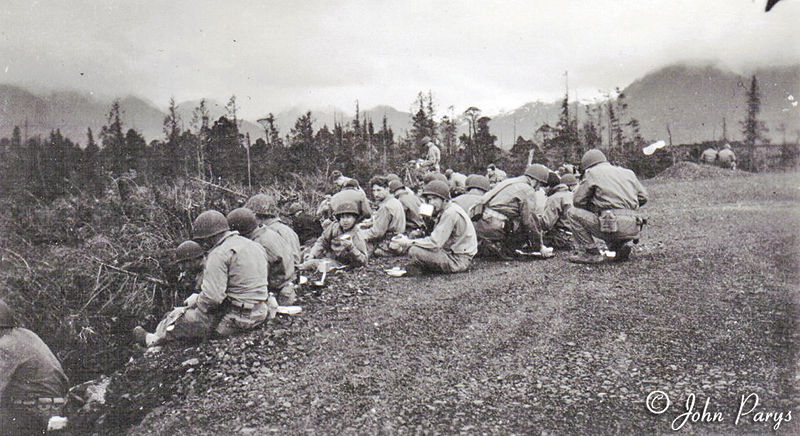
WHITTIER, Alaska – U.S. Army Corps of Engineers Pvt. John Parys, a 29-year-old machine shop foreman from Rhode Island, traveled by rail west across America with other green Soldiers in late 1944, presumably on their way to combat someplace in the Asiatic-Pacific Theater.
No one told them where.
During a stop in the Midwest, a sergeant ordered everyone to dump their duffels and remove all jungle warfare and tropical gear.
Parys and his fellow troops were confused by this as the headline battles were being fought in the tropics. It made sense later as they sailed from Seattle to Whittier.
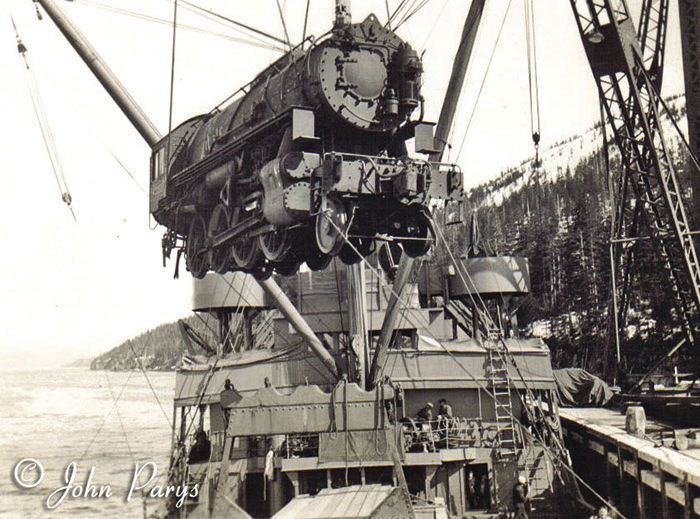
“Father told me the boat also delivered construction material,” said Ken Parys, John’s son who spent last week touring Alaska with his wife, Betty. “They used those supplies to build infrastructure necessary to support themselves through winter.”
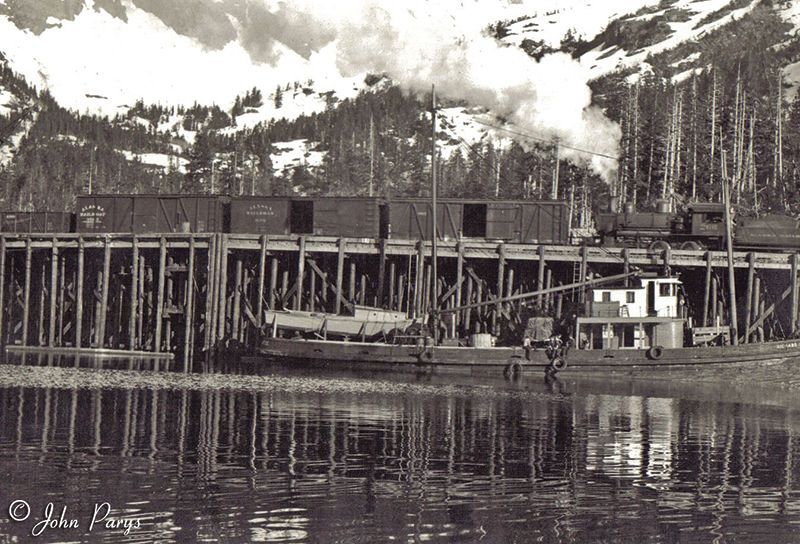
“The Army chose this area because the water here is ice-free year-round,” said Patrick Durand, president of the Engine 557 Restoration Company, Whittier historian and the Parys’ volunteer tour guide for the day. “They needed a new port because navigation in Cook Inlet ceased by November each year with development of brash ice at the exposed Anchorage
dock.”
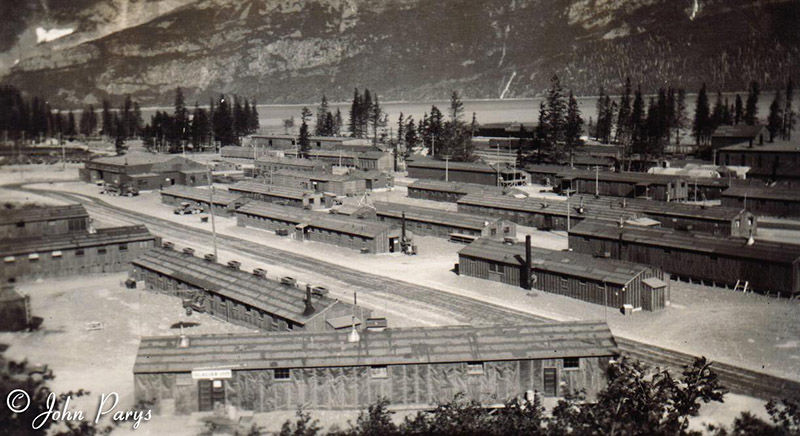
According to Durand, Whittier was entirely constructed and operated by the military during World War II.
It was a classified-secret facility known as H-12 and was built solely to support the war effort and provide a more reliable supply route for the Alaska Rail Road.
There were no civilian residents to bolster the labor force.
“Construction started in November 1941,” said Durand. “On December 7, 1941, the Japanese attacked Pearl Harbor.”
Durand also said that because Alaska was considered an overseas war zone, many non-military residents were forcibly removed and transported at government expense to the contiguous U.S.
Those who remained followed strict blackout orders across the territory which restricted the use of visible light at night, thus denying the enemy easy targets while flying through the darkness.
As a classified-secret facility, photography was banned in Whittier.
This is what makes the John Parys collection so unique.
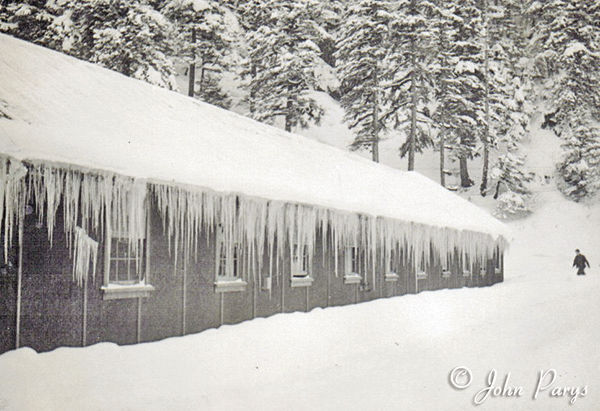
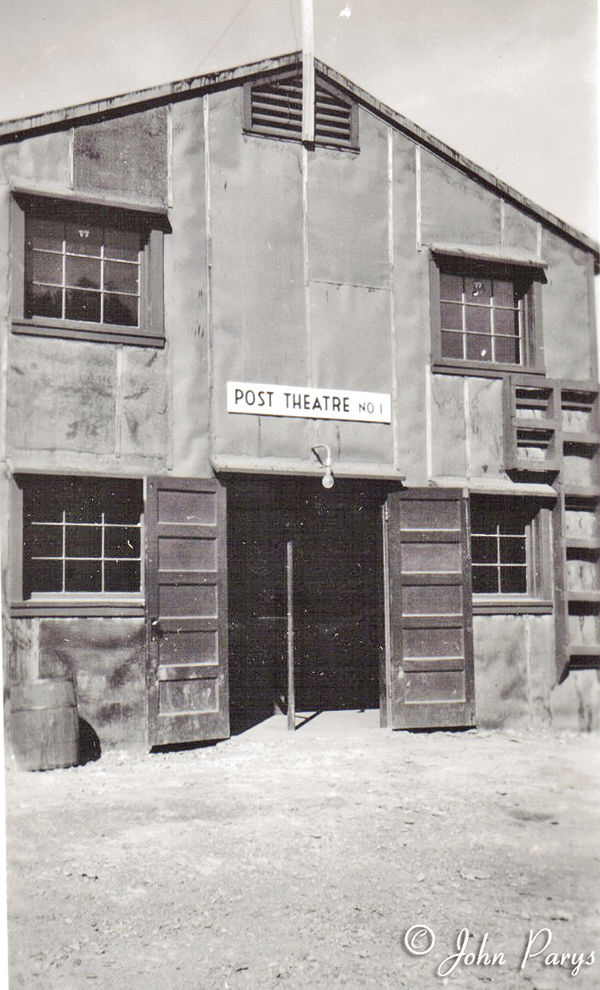
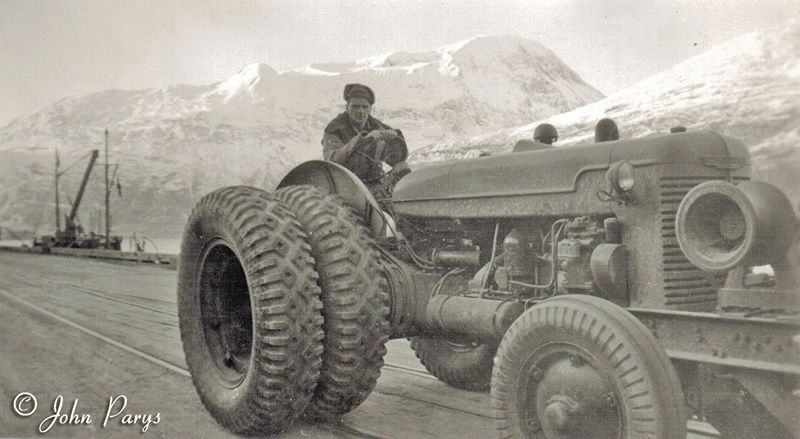
He used an Argus C-3 35mm camera to take hundreds of photos of his tour in Alaska. He photographed buildings, construction, people, landscapes and wildlife and even kept notes on the back of many photos.
A selection of the one-of-a-kind pictures, notes and supplemental commentary by Durand can be viewed at AlaskaRails.org.
Though John Parys spent 18 months living and working in Whittier, there is little there manmade which he would recognize today.
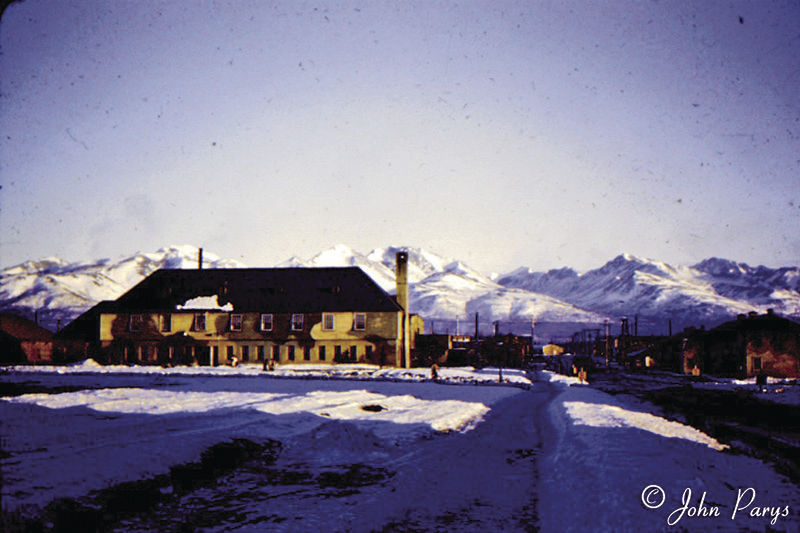
“The Alaska Communications System building was the first permanent building in Whittier and is the only surviving structure from the 1942-50 era,” said Durand. “During the war it was a secure facility operated by the Army Signal Corps. Today it is the first two floors of the Anchor Inn.”
After the war, John Parys returned to Rhode Island, where he went to work in manufacturing.
He eventually retired after decades of being a plant foreman.
Both he and his wife died in 1999, leaving a lifetime of possessions for their three children to sort through.
Ken Parys retired about a decade after his father died.
That’s when he discovered the photo albums and scrapbooks from his father’s wartime service.
“They were in a pile of boxes and such that were set aside to be thrown out,” said Ken Parys. “My siblings and I had never known about them; we didn’t even know to look for them.”
Since then Ken Parys has been on a mission to document and share his father’s collection with anyone who might appreciate them.
Ken donated his father’s wartime uniform to U.S. Army Alaska, complete with an early version of the polar bear shoulder patch still worn by America’s Arctic Warriors today.
The uniform has been displayed in Joint Base Elmendorf-Richardson’s Gold Rush Inn for years.
“It is an amazing experience to see the places in my father’s pictures, but my interest is greater than father’s personal history and his service here,” said Ken Parys. “I’m intent on placing these family artifacts where they can best contribute to the collective historical knowledge of Army operations in Alaska.”
The Parys’ first stop in Whittier was Begich Towers, a 196-unit condominium which houses the majority of the town’s year-round residents.
There they met Dr. Karen Dempster, president of Begich Towers Incorporated and curator of historical Whittier imagery and stories.
She showed historical photos displayed along the first floor of Begich Towers.
Prominently displayed among them were images from the John Parys collection.
“I am so grateful that Ken saved these photos and notebooks from the dumpster,” said Dempster. “These amazing photos from those who
experienced Whittier’s history and were here 70 years ago keep trickling in.
“We scoop them up wherever we find them.”

By Jim Garamone DOD News The civilian and military leaders of America's special operations forces have combined to

By Katie Lange DOD News When two American pilots were downed in enemy territory toward the end of the Vietnam

By North Dakota National Guard DEL RIO, Texas – North Dakota Army National Guardsmen rescued migrants from drowning while crossing the

By Chris McCann Joint Base Elmendorf-Richardson Public Affairs Logistics can be an extreme challenge for a military. On the