Retiring teacher, coach urges Colony grads to ‘find their 68’
By Jeremiah Bartz Frontiersman.com A football coach using a hockey reference as the centerpiece for his keynote address may


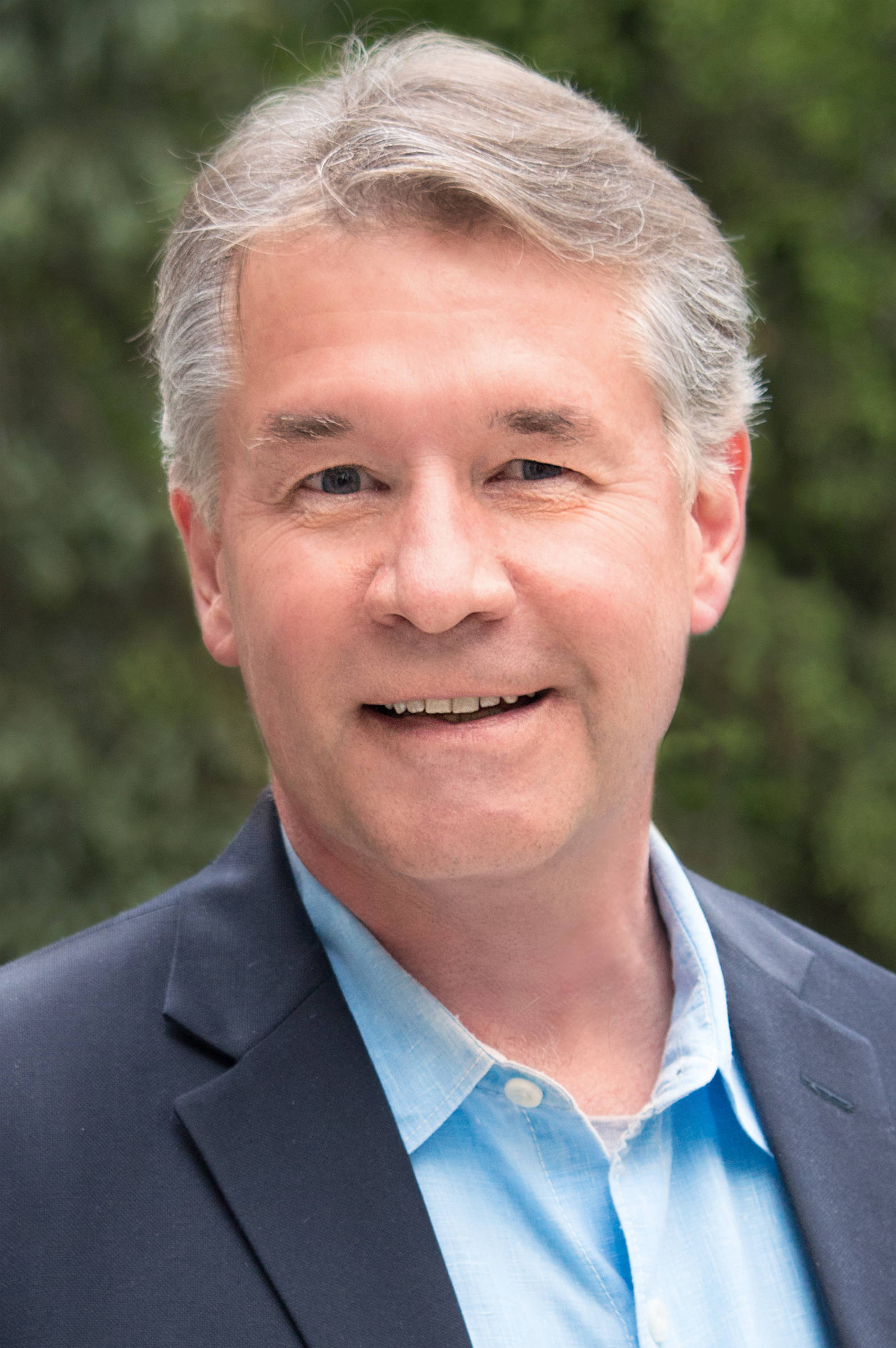
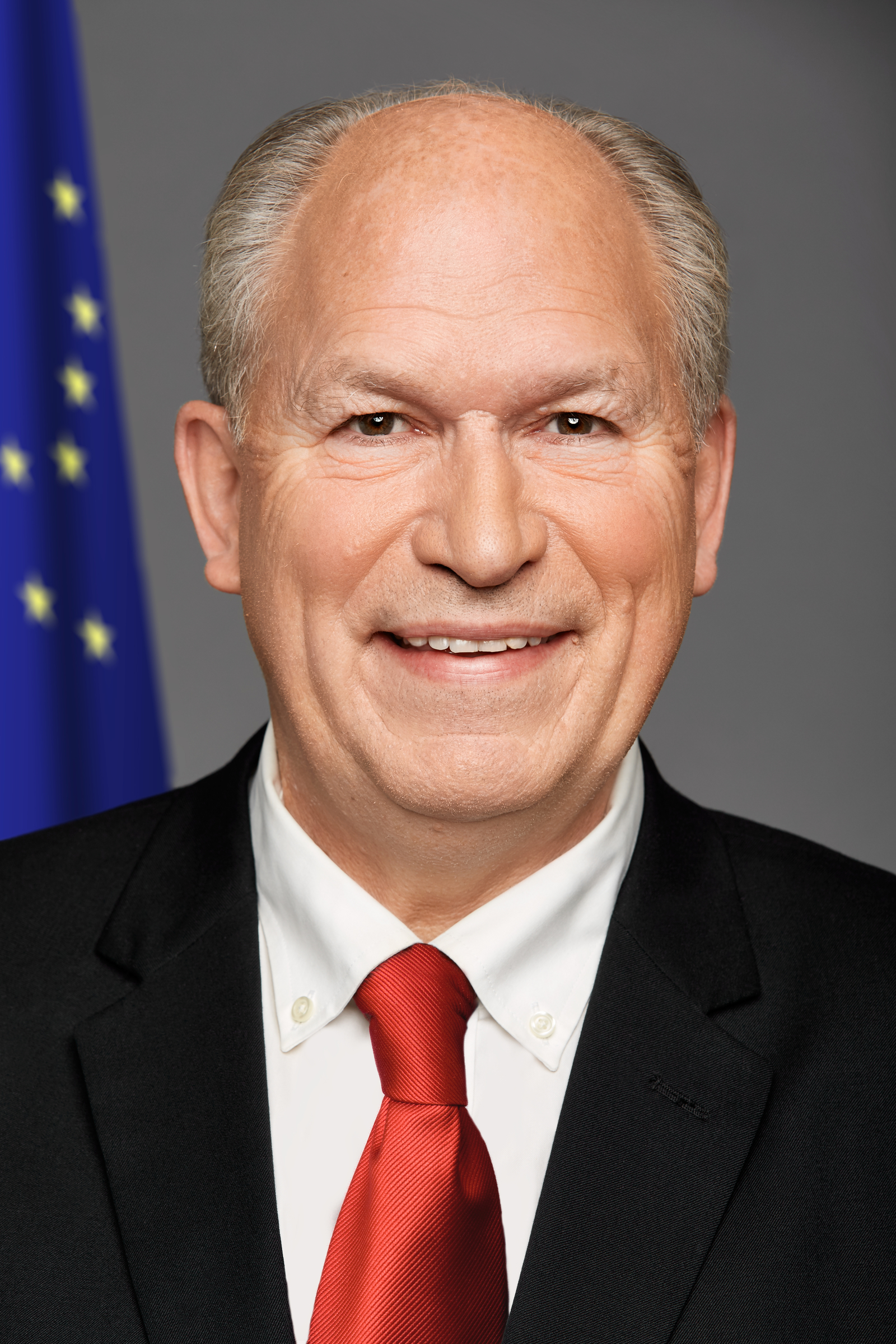
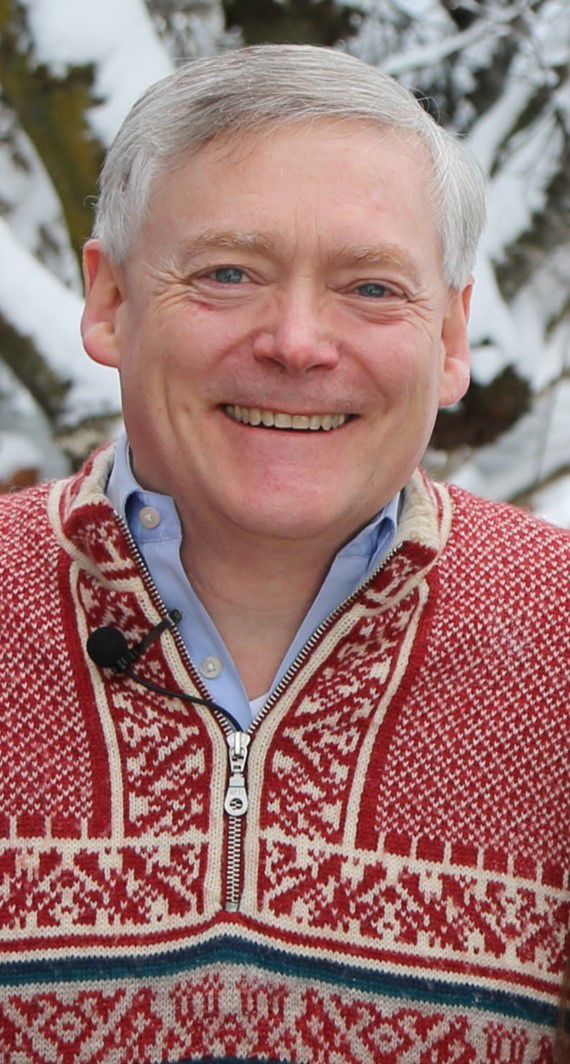
On June 9, in the village of Naknek, located at the northeastern end of Bristol Bay, five gubernatorial candidates squared off in the first debate after the official deadline to enter the race. Sitting in alphabetical order from right to left on stage were Mark Begich(D), Mike Dunleavy(R), Scott Hawkins(R) Mead Treadwell(R) and incumbent Bill Walker(I). The debate was hosted by the Little Angels Child Care Academy during the Bristol Bay Fish Expo and KTVA provided the broadcast along with moderator Rhona McBride. Many topics were discussed, but I thought we would focus on two pressing issues — education and public safety and summarize some of the other issues.
This was addressed in two separate questions but the answer to both really comes down to the fundamental issues of from where the funds will come. Begich and Dunleavy addressed the funding issue; the others really didn’t.
Walker says he met the Alaska education challenge by bringing together teachers, parents, students and others in the educational system to address the issues instead of consultants. “This year we forward-funded education, which was phenomenal,” Walker said. He also spoke of providing a larger menu of options for students by providing career and technical education and prioritizing teachers for retention. He supports homegrown teachers.
Begich noted that his parents and siblings are teachers and so the issue is personal for him. He stated that he wants the Permanent Fund in the Alaska Constitution at a 50/50 split with 40 percent of the revenue streams going toward funding education. He believes this would take it off the table during budget discussions and fulfill the State’s obligation to fund education. “They forward-funded education this year, but who knows if they will next year.”
Begich cites one challenge in home grown teachers is the cuts to the university system over the past five years, which is a prime training ground. He also noted that only 30 percent of our teachers come from our universities, but the goal of the university is that 90 percent of our teachers would be home grown. “We should do everything we can to fund that goal.”
Dunleavy would increase funding for education through a reduction of health care costs by consolidating the health insurance of all school districts. A study of a previous bill Dunleavy introduced showed that over time as much as $100 million dollars could be saved, he said. As far as teacher retention, the former Wasilla senator noted three programs that he participated in over the years — building homes for teachers in rural Alaska, the Lake and Peninsula Borough School District lower 48 teacher recruitment program, and he ran the Federal Education Association K-12 program in the University of Alaska system, and in that program homegrown teachers were produced. He touts these three programs as the best opportunity for teacher retention.
Hawkins believes that Alaska should find cost savings everywhere and there are no categories completely off limits, though he doesn’t believe education should bear the brunt of state funding reductions. He would like to protect the resources that directly go into the classrooms claiming that the state is very top-heavy in administration in the educational system. Recruiting home-grown teachers should start as early as high school and change the pay scale to reward high-caliber teachers.
Treadwell noted that he has a brother who is a school teacher in Michigan. “What he’s paid is probably less than a barista and he has a PHD. It’s an issue facing the nation.”
He went on to say that we need more local teachers especially in rural Alaska. Language barriers and cultural differences are a barrier in teacher retention and believes we have to find a solution for that issue. He also believes we have to get serious about funding our university system and cited the land grant issue between the University of Alaska and the State of Alaska. He supports Take Wing Alaska, which supports rural Alaska Native students transition into postsecondary urban/campus culture.
This past week the Anchorage Daily News published a story written by Kyle Hopkins that took a hard look at the discrepancies in public safety between urban areas of Alaska and rural Alaska. The article showed a concerning practice of hiring village patrolmen who are convicted felons. The story highlighted the case of Brent Norton, the VPSO in Selawik who is now accused of providing alcohol to 16-year-old Lois Cleveland and raping her. She died that night of undetermined causes and investigators found what appeared to be fresh handcuff wounds on her wrists. Norton is facing several charges including manslaughter and the village settled with Cleveland’s family for $300,000. The story then delves into the fact that the state government has no idea who some of these police officers are because proper procedure is not being followed. I highly recommend reading Hopkins story titled ‘From criminal to cop, and back again in Alaska’s most vulnerable villages.’
Hawkins was the only candidate to reference the story and how new hires are not being submitted to the state in the required 30-day period. His priority is to repeal SB91 and that public safety is the number one function of government.
Walker states that everybody in Alaska has a right to feel safe whether they live in rural or urban Alaska. “When you continue to cut back ultimately there is a price to pay for that,” the governor said. He believes the VPSOs should be working with the Governors tribal advisory committee to learn how to work with tribal organizations. Funding of a 911 system is another priority for him, he cited that only 2 percent of geographical Alaska can dial 911. ”You ought to at least have 911 available in rural Alaska.”
Treadwell said, “When I was Lt Governor we had a policy that every community that wanted a VPSO got one. We armed VPSOs when I was there. Heroin is coming into towns via the mail and the federal government is not cooperating.” Treadwell also wants to decentralize the system so more resources go to rural Alaska.
Begich considers Alaska one of the most dangerous places in the country. He referenced that the courthouse in Anchorage is only open four days a week. “You can arrest them, but not prosecute them,” he said. Forty positions at the Alaska State Troopers are not filled because of the ‘old style of recruiting,’ in his opinion.
Dunleavy said, “Alaska is not one of the most violent, but the most violent state. I lived in communities that had no law and that’s a real problem. The primary function of the state is to protect its citizens. We have funding to shift into Troopers and VPSO’s. When we are doing fast rail studies for $5 million dollars in the Mat-Su Valley and we have funding for climatologists and a whole host of other projects… that funding should go to public safety.”
Many other topics were discussed at the debate including but not limited to;
Stand for Salmon: All candidates are opposed except Begich who won’t commit one way or the other until the Alaska Supreme Court makes its ruling.
Pebble Mine: Begich and Walker are unequivocally against it. The Republican candidates say they will respect the permitting process. There was skepticism that the project would make it through the process. None would support it if it means trading a renewable resource for a non-renewable resource.
Climate change: While all are concerned about erosion and ocean acidification, the best answers for taking advantage of climate change came from Treadwell and Dunleavy, who suggested taking advantage of new ocean paths to Russia, Europe and Asia for shipping. Dunleavy stated this could possibly make the Panama Canal obsolete. Hawkins described the shipping opportunities as limited.
Have you ever used a ‘Honey Bucket’? All but Hawkins said yes.
Who won the debate? It depends on your politics. If Hawkins has never used a honey bucket is he automatically disqualified from winning a debate in rural Alaska? I don’t know, but the question reminded me of something my grandfather once said. “When we invented indoor plumbing and barbeque grills, this world became backwards. Now we use the bathroom indoors and cook outdoors. Something is just not right about that.”
The debate can be viewed on KTVA’s YouTube channel.

By Christian Hartley Now You Know If you have ever wondered what the borough attorney actually does, you are not

By Kyle Wilkinson For the Frontiersman The Valley Pathways School graduating class of 2026 was sent off by faculty that

By Katie Stavick Frontiersman.com As the notes of “Pomp and Circumstance” echoed through the Menard Sports Complex on May

By Katie Stavick Frontiersman.com In a direct response to public outrage over a horrific animal neglect case, the Matanuska-