Retiring teacher, coach urges Colony grads to ‘find their 68’
By Jeremiah Bartz Frontiersman.com A football coach using a hockey reference as the centerpiece for his keynote address may


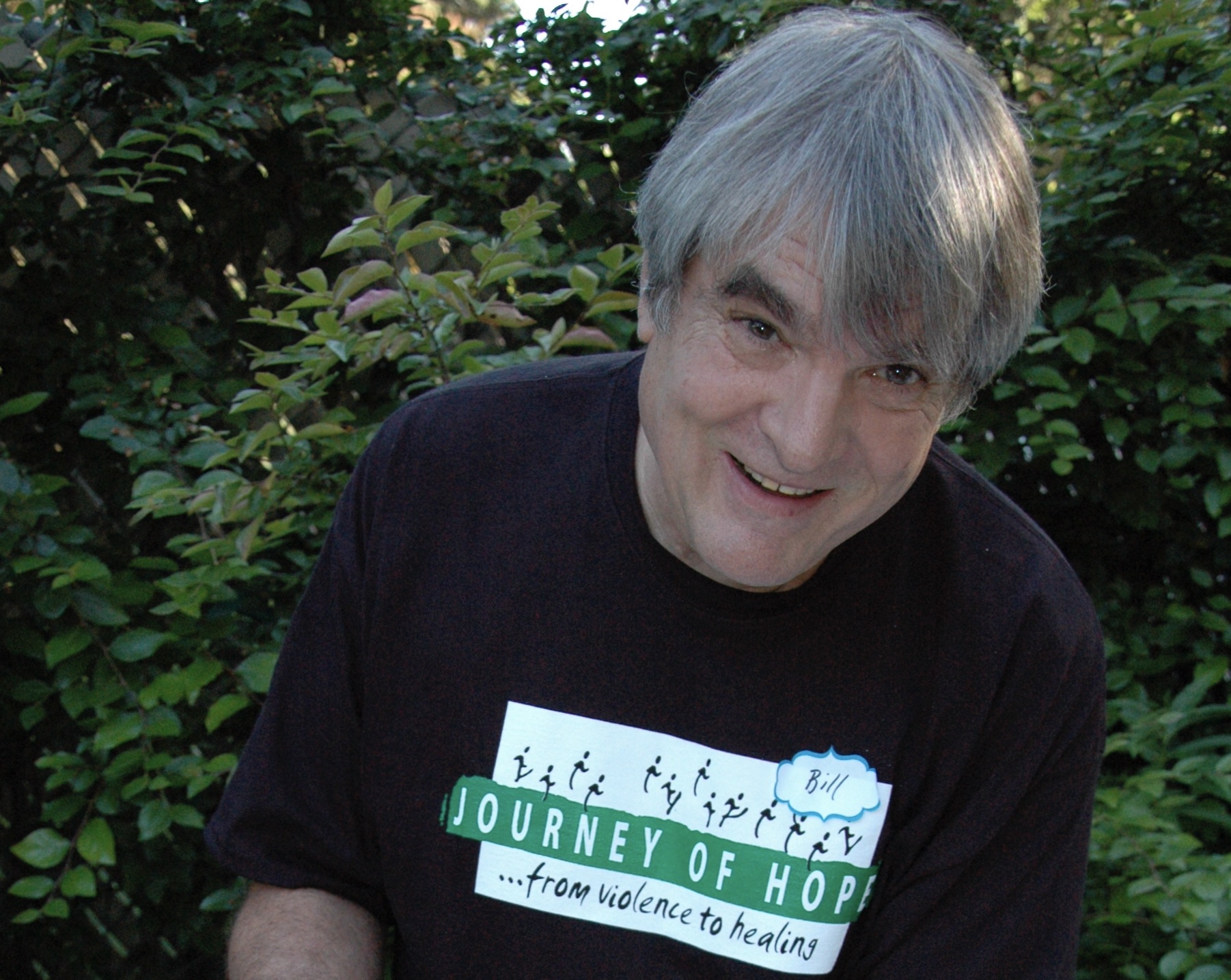
Bill Pelke, an international human rights activist, passed away recently at his home in Anchorage, and in the days since our house has been filled with candles. In the world of human rights activism, candles are a sign of hope, a beacon of light in times of darkness. Bill held them many times over the years as he stood vigil against the death penalty, a practice he devoted his life to ending after losing a loved one to a brutal murder. In the grief of his passing, lighting candles brings us solace, because Bill was one of the brightest lights around, and his flame needs to keep burning.
Bill came to human rights work through life experiences he would never wish on anyone else. His grandmother, Ruth Pelke, taught Bible lessons in her Indiana home, and one day opened her door to a group of teenage girls who expressed interest in hearing her stories. Once inside, they knocked her down and stabbed her over thirty times. Leaving her on her dining room floor, they stole $10 and her old car, which they took joyriding until they were quickly apprehended. In the legal proceedings that followed, the 15-year-old ringleader, Paula Cooper, was sentenced to death, becoming the youngest female on death row in the U.S.
For many murder victims’ family members facing the trauma and heartbreak of such a senseless loss, this might have been the end of the story. Initially, Bill supported the outcome. But over time the sentence troubled him. He remembered the cries of Paula’s grandfather as the girl was condemned to die: “They’re going to kill my baby!” the old man shrieked as he was ushered out of the courtroom, “They’re going to kill my baby!” He recognized that Paula’s death sentence created another grieving family.
Eventually, it was Bill’s grandmother herself who changed his mind and his heart. Eighteen months after her death, her image came to him while he sat high atop a crane at his job at Bethlehem Steel. For the first time since her death, he saw his “Nana” in life, not in the bloodied image he had carried of her last moments. He remembered the gentle and generous person she was, and her strong Christian faith. And he was struck by the conviction that she would not want her young killer to be executed. By the time he came down from the crane, tears in his eyes, he had forgiven Paula, and vowed to his God to walk through any door that his forgiveness opened to him, for the rest of his life. Despite the consternation of friends and family, he began to advocate against Paula’s death sentence, and he celebrated when it was ultimately commuted to a prison term.
Ultimately, Bill’s efforts led him to the international human rights movement, which has long opposed the death penalty as an irreparable abuse of governmental power. Working as a steelworker, Bill had no background in advocacy or activism. Invited by Amnesty International to help lead an abolition march in 1988, he showed up in a gray suit and dress shoes, holding his Bible. Most everyone else wore T-shirts and sandals. But he had landed among kindred spirits who embraced him, and what he lacked in experience he made up for in passion and commitment. Soon, he found himself traveling across the country and the world as a prominent spokesperson against capital punishment. His message for the next 34 years was profound in its simplicity: “the answer is love and compassion for all of humanity.”
“He never embellished his message,” a long-time fellow activist said recently, “because he never needed to.”
Anyone who had the privilege of knowing Bill soon knew his story and his message by heart, because he shared them at every opportunity. Yet his gentle manner and earnest conviction ensured that he could never be accused of zealotry or dismissed as a freak. His decision to reject state killing found its roots in one of the most basic premises of his Christian faith: there are no lesser human beings.
His advocacy also challenged the myth that executions make victims’ families feel better, and bring them “closure.” Revenge might be tempting, he would say, but it was hollow compensation for loved ones lost, and extracted a heavy toll on families caught in its grip. “Closure,” to Bill, was also a false promise, because the pain of losing a loved one to murder never fully goes away.
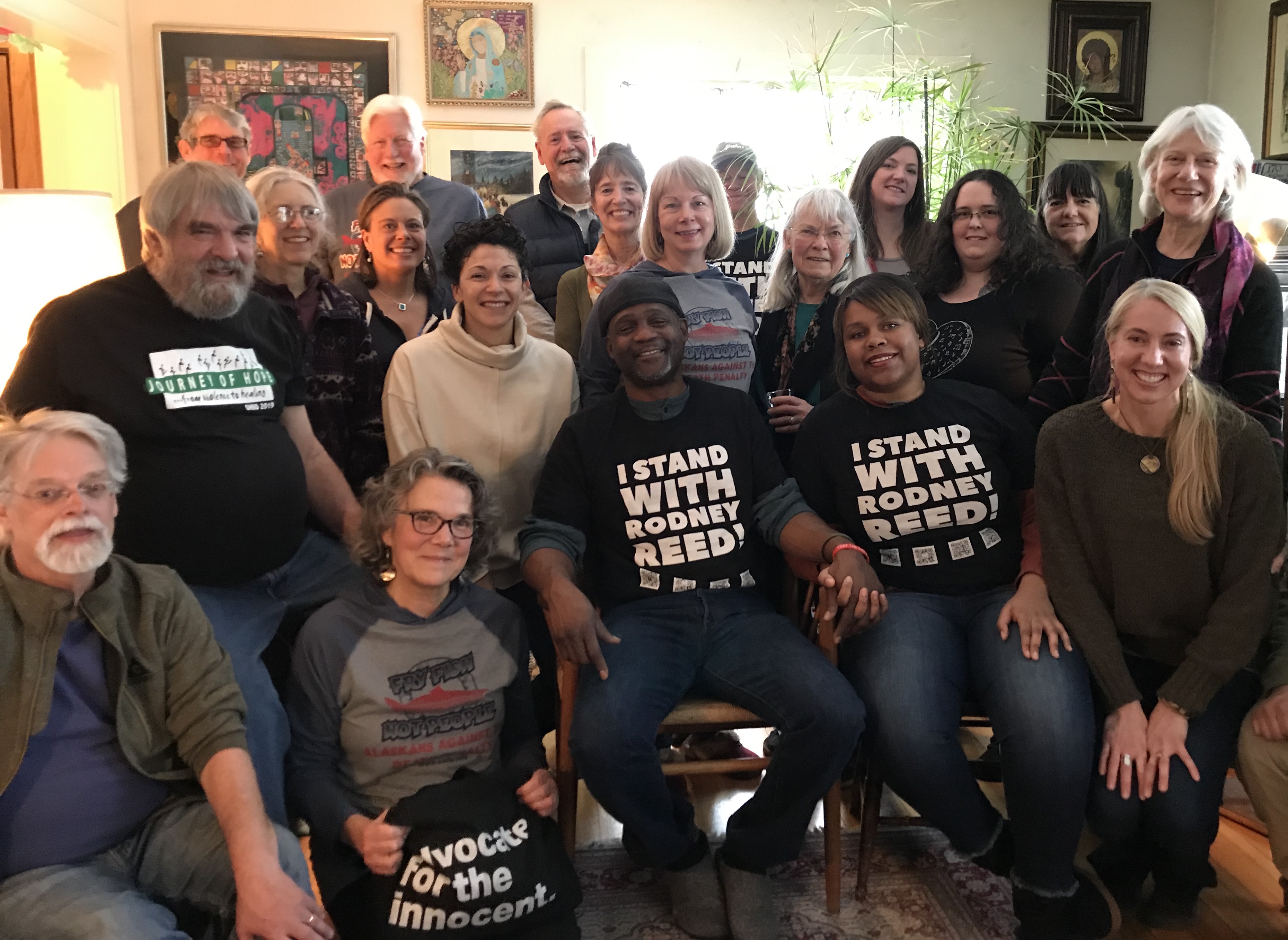
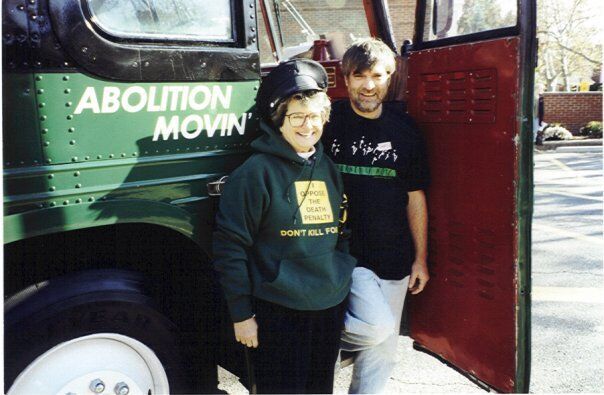
As Bill told his story at schools and churches and conferences and death rows across the country, and any other venue that would have him, other murder victims family members joined his efforts. For nearly three decades, they gathered annually for speaking tours around the country and the world as part of Journey of Hope…From Violence to Healing, a group Bill co-founded to give victims’ families a stronger voice in the death penalty discussion.
From the beginning, Journey of Hope events included others with intimate knowledge of the harms caused by America’s death penalty system: death row inmates exonerated after years of facing execution for crimes they did not commit; former prison wardens who live with deep personal costs after presiding over executions; family members of both the executed and those still on death row, who too often suffer their heartbreak alone; and spiritual counselors and attorneys who witnessed their clients being killed. True to his life’s message, Bill never drew a boundary on his love and compassion, and many hurting people found comfort simply knowing that he noticed their suffering, and he cared.
And Bill never slowed down. This summer, despite the pandemic and urgings of friends and family to stay home, he participated in the four-day Fast and Vigil to Abolish the Death Penalty on the steps of the U.S. Supreme Court – for the 27th time. Also this summer, he stood vigil at the federal death row in Terre Haute, Indiana, for six of the seven federal executions being rushed in the waning days of the current administration. He was planning to travel to Terre Haute again for the slate of executions still on the calendar, one of which is scheduled for December 10 – Human Rights Day. To Bill, the importance of bearing witness to the largest federal killing spree in over fifty years overshadowed the risks.
In the 1990s – the early days of Bill’s mission – support for the death penalty in the U.S. registered at 85%. Today, support hovers closer to 60%, and dips below half when the alternative of life imprisonment without parole is on the table. Bill would never claim credit, but his tireless work made a difference. Upon his passing, the Washington Post obituary noted the special force of his “passion forged in grief.” Sister Helen Prejean, author of Dead Man Walking and one of the world’s most prominent abolitionists, wrote “we have lost one of the anchors of the movement.”
The day after Bill died, I stepped into his office in the East Anchorage home he shared with his partner, my good friend Kathy Harris. Standing by his old battered desk chair, I surveyed the small converted bedroom: walls covered with photos, clippings and posters spanning decades; file cabinets smothered in stickers (Execute Justice, Not People; The Death Penalty: We Can Live Without It); a bookshelf filled with awards, books by people he knew, and years of mementos, including a pillow that says Don’t Quit. His Nana’s framed portrait sitting right next to another framed portrait – of Paula Cooper.
I expected sadness and tears, but instead felt a warmth rising within me, and a smile forming on my face. In that moment, I was struck by the knowledge that Bill lived exactly the life he wanted to live, in exactly the way he wanted to live it. A life of clarity and purpose, filled every day with meaning. A life that surrounded forgotten people with love and compassion when they most desperately needed it, and that surrounded him with their love and compassion in return. Through his own unique struggle, Bill made the discovery that so many of us resist our whole lives: love compounds boundlessly, if we give it boundlessly. To be with Bill was to feel love, even now, after he’s gone.
Which brings me back to candles. To me, Bill’s life signified a tiny candle in a big darkness, which started small but grew. As much as I believe he was extraordinary, I think he would want us to believe that we all have that light inside. To Bill, the story was never about him; it was about bringing light into the shadows around us. For him, the shadow was the death penalty, the awful lottery we impose on human lives. But for others there are other shadows, other wrongs calling out for a right.
This Thursday, December 10, is International Human Rights Day, the anniversary of the signing of the Universal Declaration of Human Rights. In the human rights community, it’s “better to light a candle than to curse the darkness.” And we’re called upon to “make of ourselves a light.” Bill made of himself a beautiful light that will illuminate this world for years to come. On Thursday, I’ll be putting a candle in the window to honor his memory. Because of him, I’ll also be putting a candle in the window for those who suffer the impacts of human rights abuse, especially in the death chambers, and for those who work to ease their suffering. And because of him, I’ll be putting a candle in the window for all of us, that we may each find ways to make our own lights shine.

By Christian Hartley Now You Know If you have ever wondered what the borough attorney actually does, you are not

By Katie Stavick Frontiersman.com In a direct response to public outrage over a horrific animal neglect case, the Matanuska-

By Barbara Hunt Palmer Buzz It was 6:43 on Friday morning and the Plant Owner was sound asleep when
By James Brooks Alaska Beacon State lawmakers are acting to fix technical errors affecting the boundaries of several Alaska wildlife