Retiring teacher, coach urges Colony grads to ‘find their 68’
By Jeremiah Bartz Frontiersman.com A football coach using a hockey reference as the centerpiece for his keynote address may


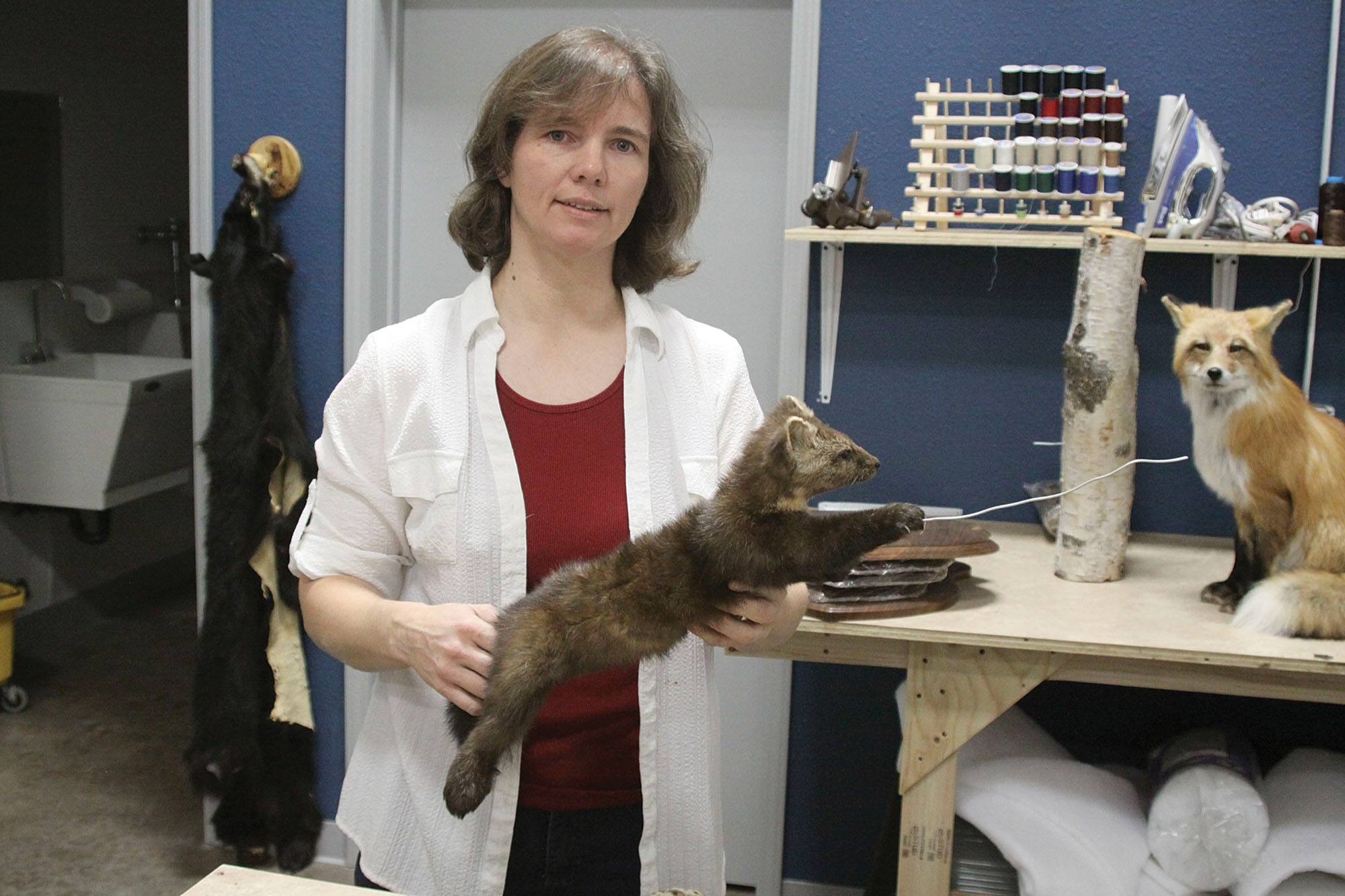
WASILLA — Juli Wolter’s shop on Bogard Road — Alaska Wildlife Rugs and Taxidermy — has a lot of different animals in it.
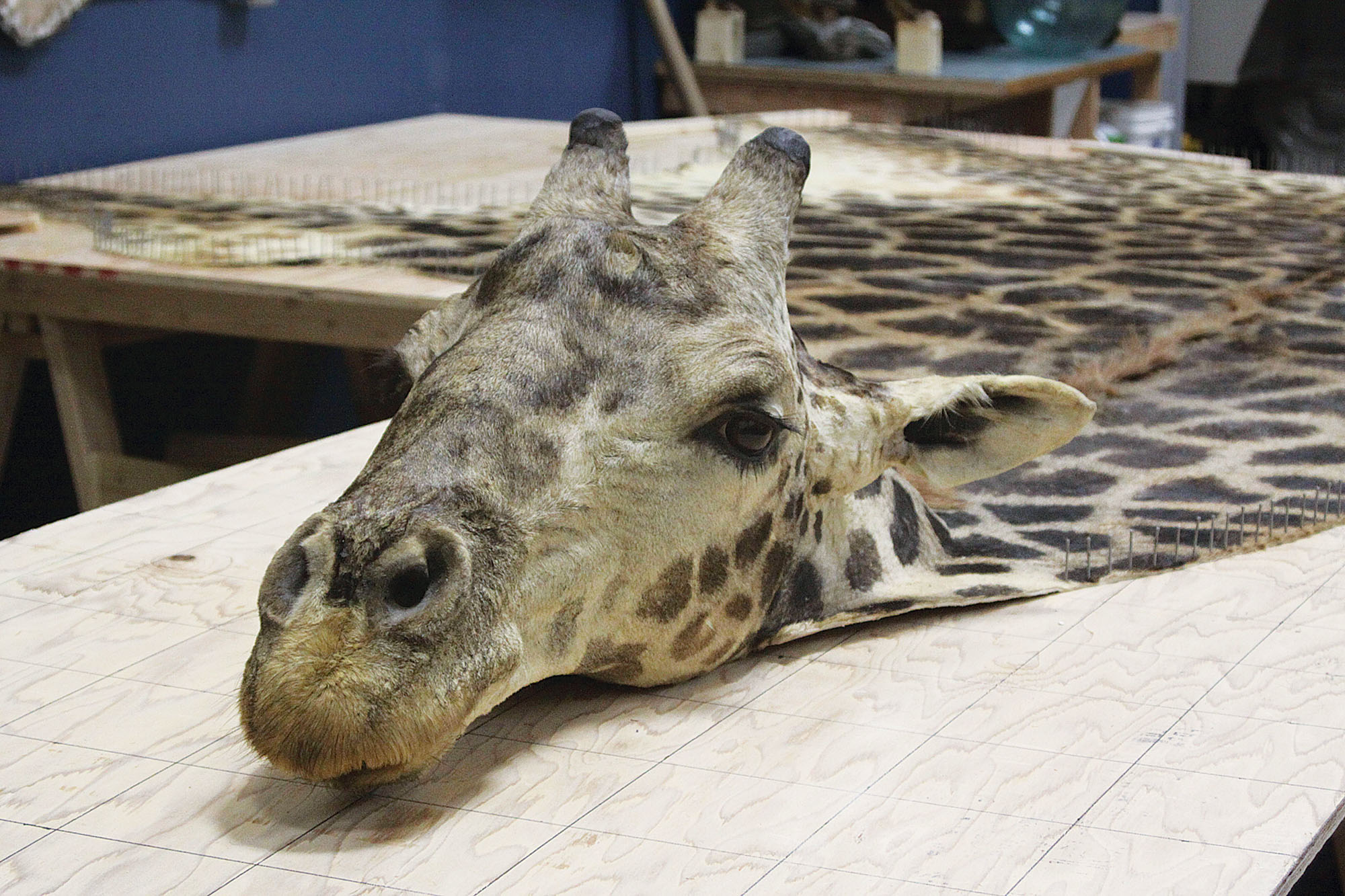
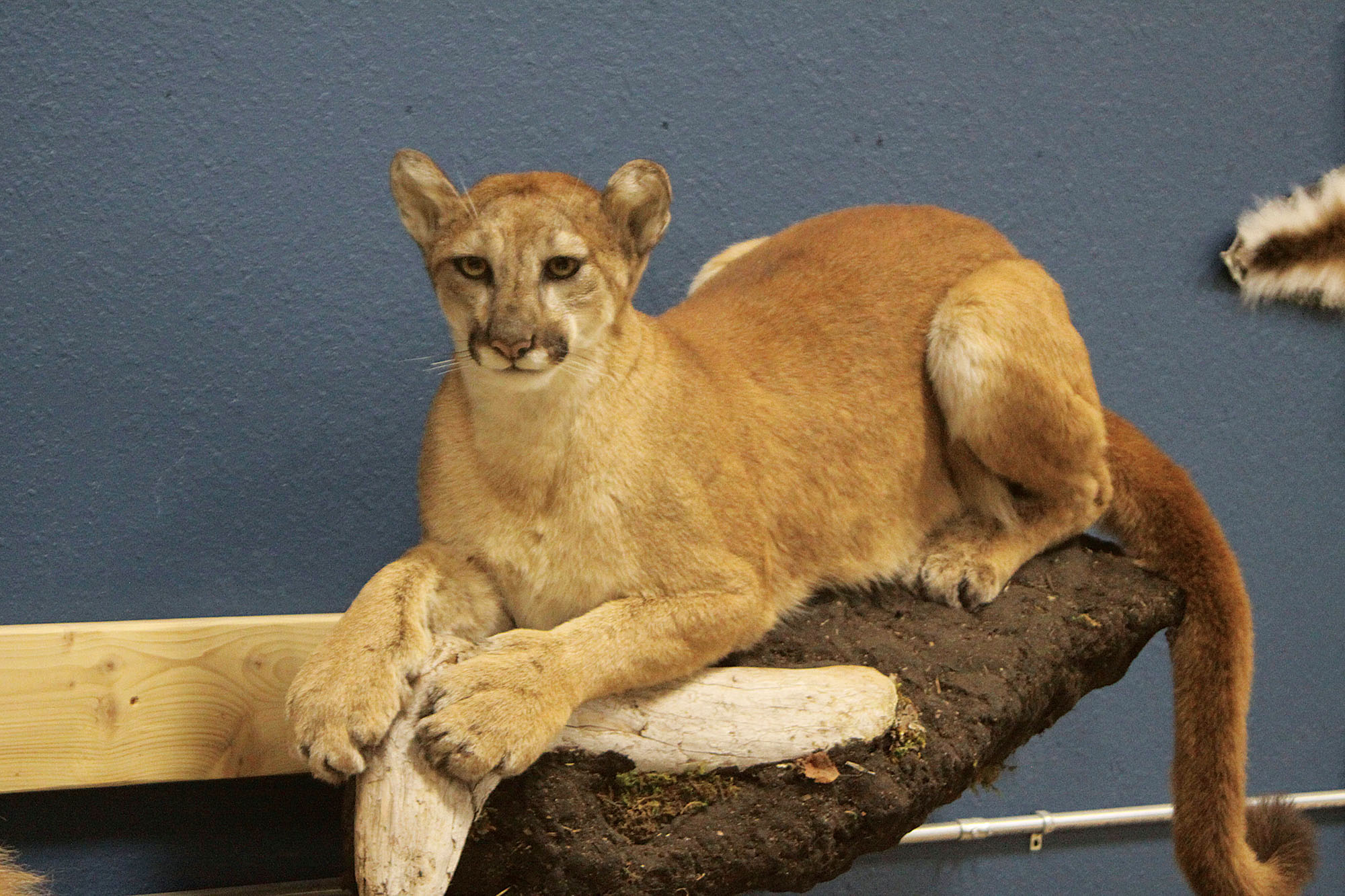
There’s a cougar, a couple of foxes, even a giraffe. The work seems varied. Some have been made into rugs, others are on wall-hanging mounts and still other sit on bases or cling to trees.
But she said she tends to stick to just one region of the animal kingdom.
“I don’t do birds,” she said. “I feel like I’m still, weirdly enough, learning about mammals.”
Wolter has been working in taxidermy for 14 years, 10 of those spent working with another local taxidermist.
She got interested in taxidermy when she moved to Alaska. She and her family would go fur trapping in Southeast Alaska. She started looking at the small animals she took in.
“I just thought that they were so beautiful that I wanted a way to preserve that beauty,” Wolter said.
As she learned the trade on the job working for that other taxidermist, she said that she always thought she would eventually want to strike out on her own.
“I finally feel like I know enough to be able to provide my services to people,” Wolter said.
Alaska Wildlife Rugs and Taxidermy opened in March. She described the decision to open up her own shop as “scary” and “nerve-wracking.”
“I had a good job with the local taxidermist and a steady income,” she said.
But she’s been able to find enough work to keep her busy.
“So far I can’t complain,” she said.
A bear rug or a trophy mount tends to be prominently displayed in a person’s house and an established taxidermist can therefore count on their work serving as advertisements for their services.
A rookie taxidermist has to hustle a bit more. Wolter has been advertising online and has a website and Facebook page for her business.
“There isn’t a lot of word-of-mouth out there,” she said, but “as pieces leave and folks appreciate the work that I do it will continue to grow.”
The field can be kind of competitive. There are a lot of taxidermists out there. However, Wolter says she’s not trying to take work away from other people. She wants people to come to her because they like what she does.
Wolter sees taxidermy as an art. The taxidermist has to sculpt the form — the foam pieces that sit under the hide and give a piece shape — make it look like a living animal’s actual musculature.
The most important part is the head.
“Being able to get the expressions right is really important,” she said.
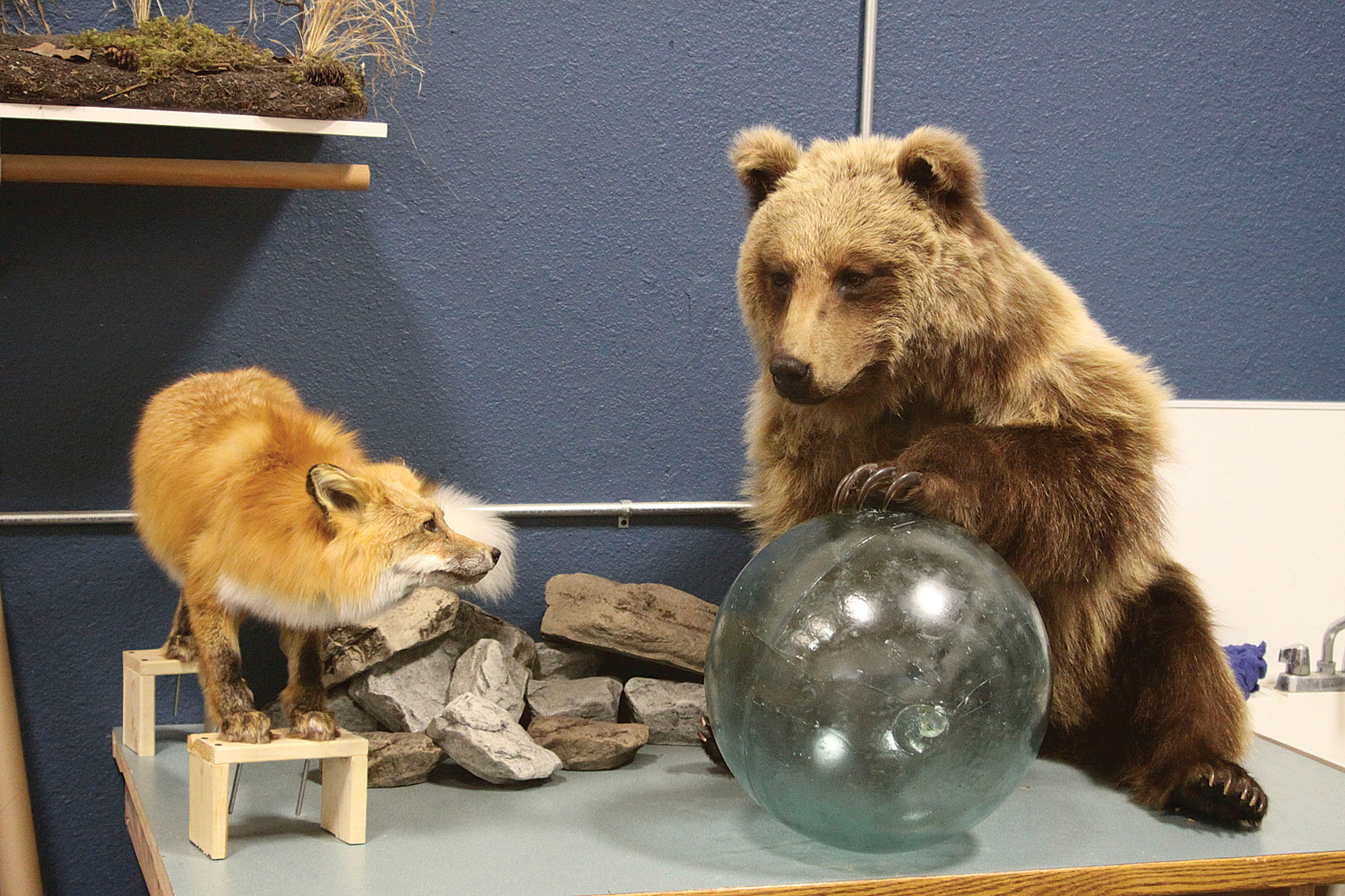
In one piece she did for herself from a young, long-haired bear hide she picked up at Fur Rendezvous, the bruin is playing with a glass ball, the kind often found on beaches that are used to buoy fishing nets.
“I always thought it would be so cool to incorporate that into a taxidermy piece,” she said of the float.
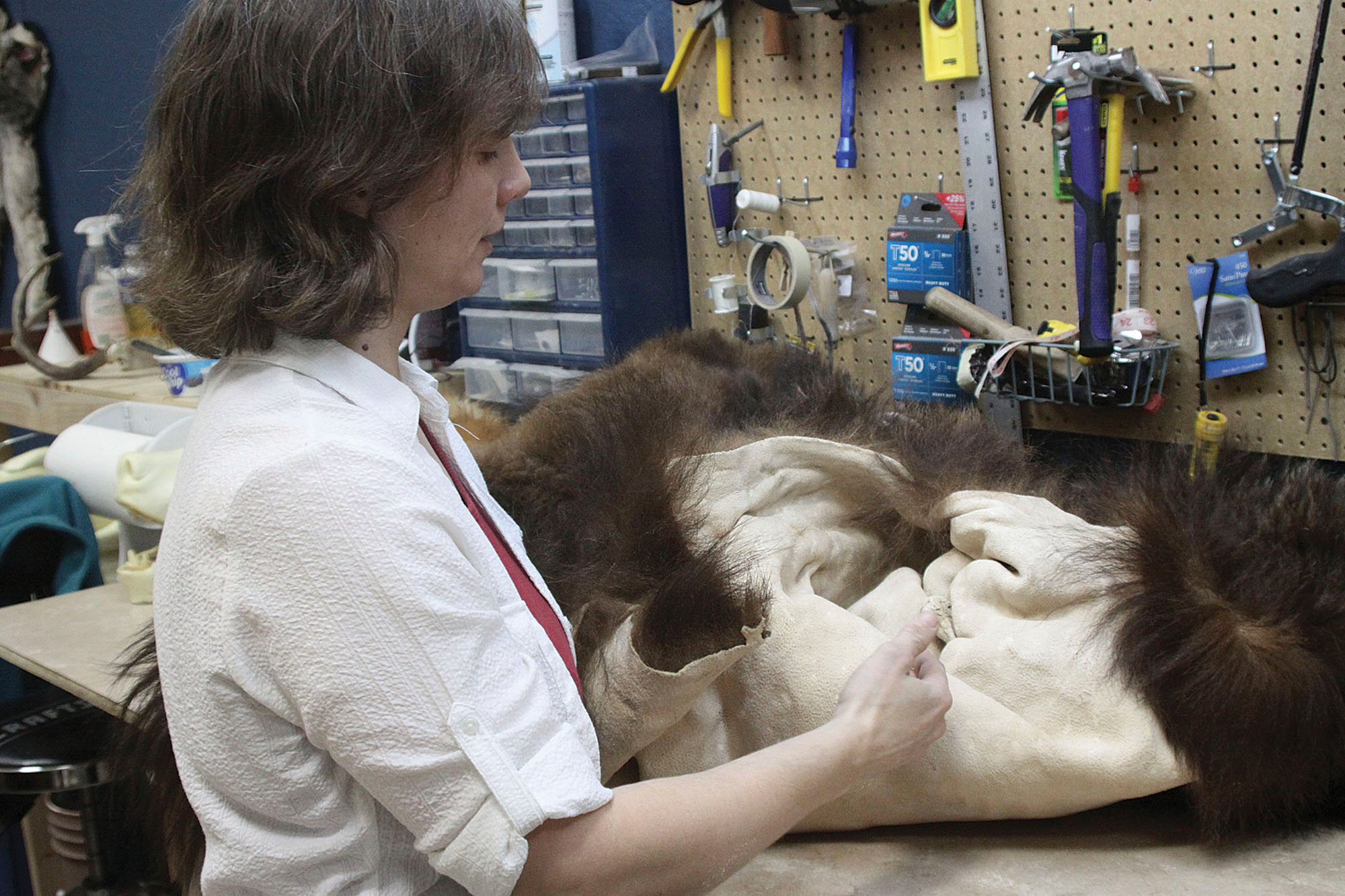
The work can sometimes be frustrating. Clients will often go to an event like the Fur Rendezvous and buy a pelt not knowing that it’s not mountable. Or they will skin their bears improperly and cut out pieces they should have kept.
“You need everything intact, and not just on the outside but on the inside,” she said, pointing out common pieces like the lips and the underside of the ears that people often carve off of a bear.
She recently taught a class to try to educate people on the proper way to skin an animal. A client brought in a whole bear and they went through the process step-by-step. If a hunter doesn’t know how to skin an animal they can bring the whole thing to her or consult with her on the proper methods.
Overall, Wolter said she loves the work. It’s the kind of job that keeps your brain moving all the time, trying to put the different puzzle pieces together to make the animal look just the way you intended. And she’s still always learning.
“It takes years to become a good taxidermist and a lifetime to become an excellent taxidermist,” she said.
Contact Andrew Wellner at 352-2270 or andrew.wellner@frontiersman.com.

Frontiersman.com Mat-Su Regional Medical Center was awarded an “A” Hospital Safety Grade for the 5th consecutive grading round

Frontiersman.com The Alaska State Fair announced the appointment of Blake Allen as its new Chief Executive Officer. Allen brings
By Frank Murkowski Opinion Hilcorp, in acquiring BP’s Alaska assets, follows a record of cooperation with our state government

Frontiersman.com Mat-Su Health Foundation (MSHF) has named Ashley Peltier as Director of Philanthropy, effective May 4. In her