Retiring teacher, coach urges Colony grads to ‘find their 68’
By Jeremiah Bartz Frontiersman.com A football coach using a hockey reference as the centerpiece for his keynote address may


With amazing antibacterial properties, a loaded history and a global presence, this sour citrus was once even considered a status of wealth. Read on for more interesting facts about the fruit that finds its way into many of our meals.
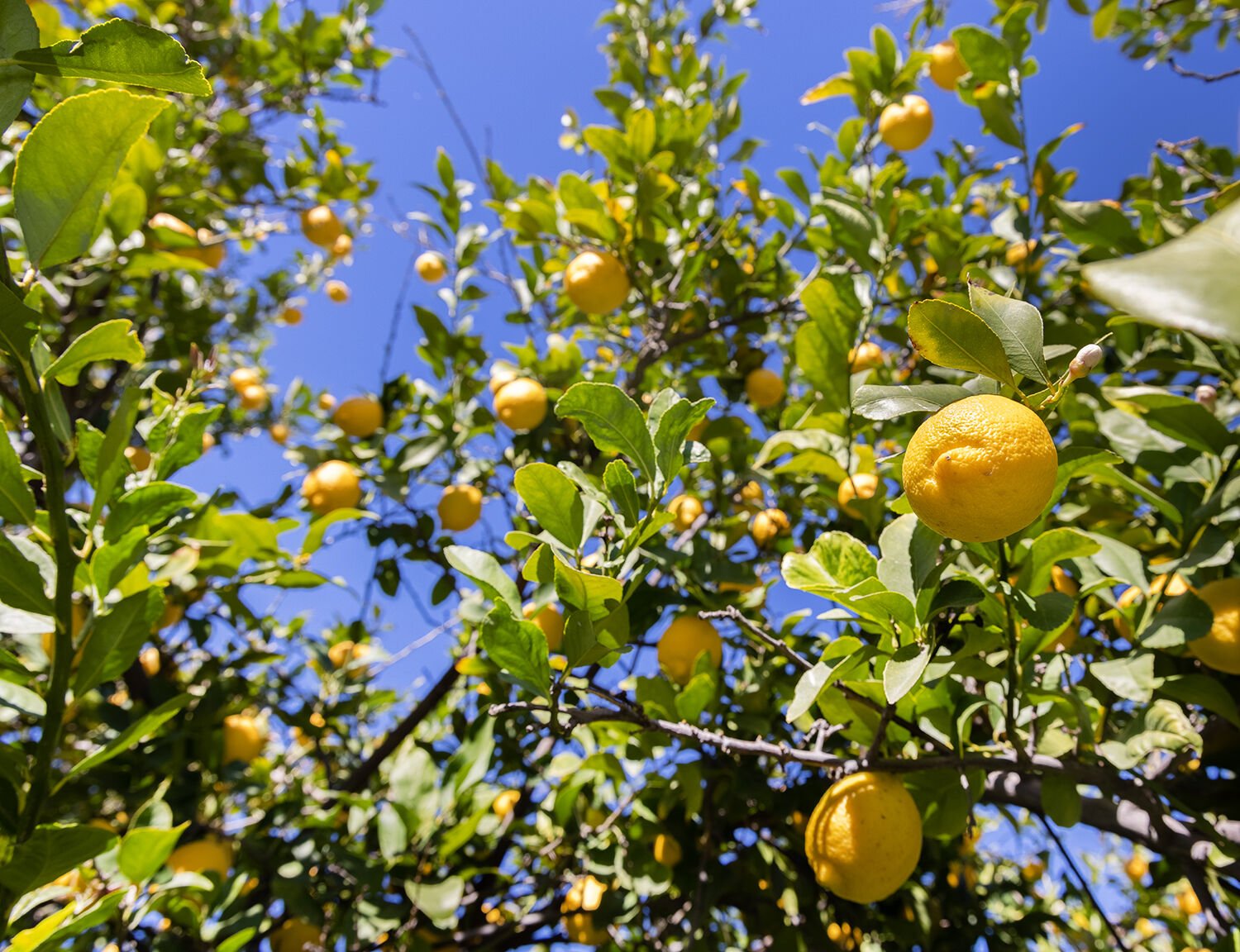
Lemons are a fruit that keeps on giving.
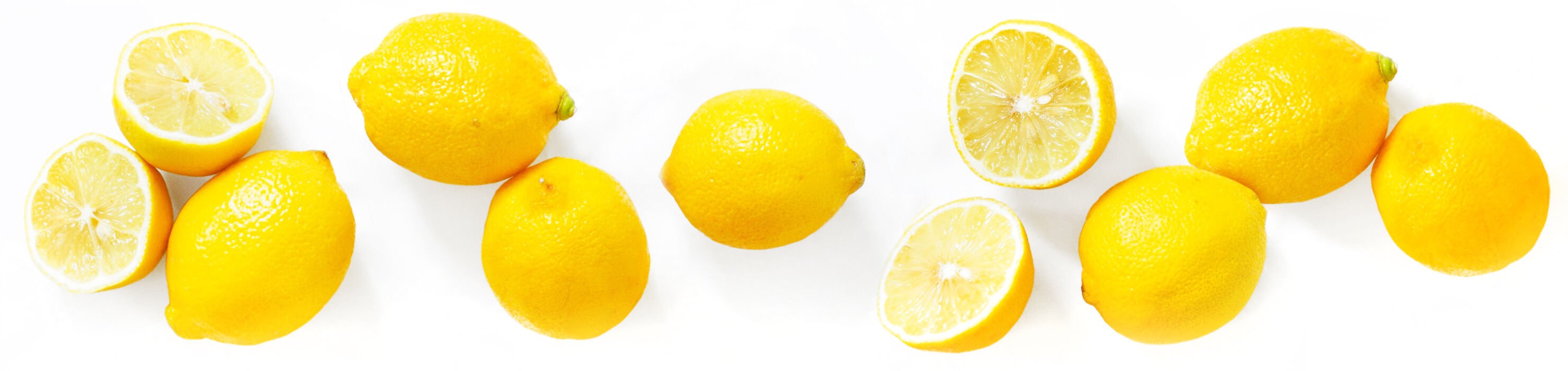
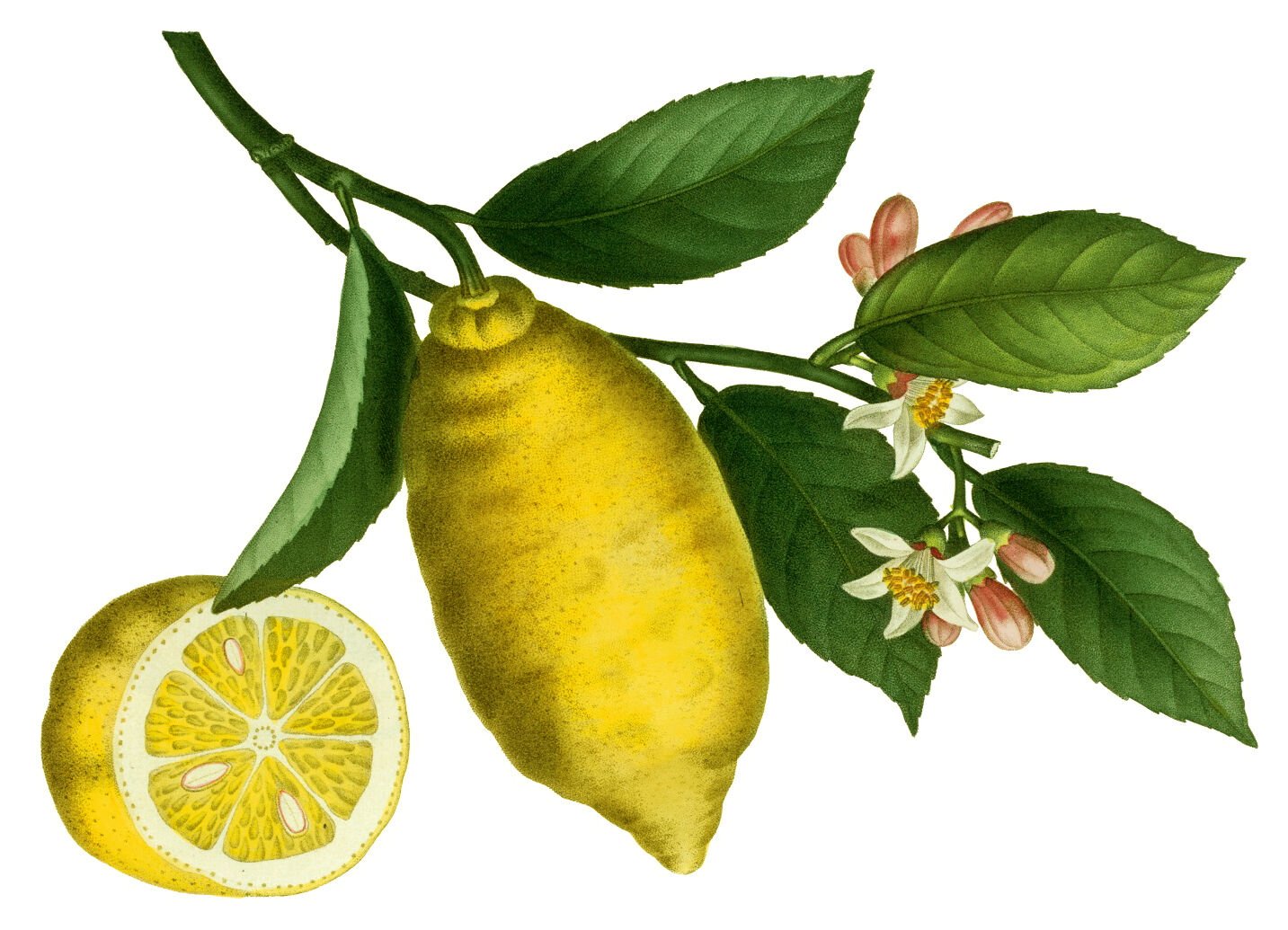
Lemons are a cross between a citron and a sour orange. They are classified as hesperidia, which are technically a type of berry. The average lemon contains eight seeds and three tablespoons of juice. The lifespan of a lemon tree is approximately 50 years, but they can live to be 100 with proper care. A single lemon tree produces an average of 600 pounds of fruit per year.
And they’re a global asset.
Arizona and California grow 95% of the lemon crop in the United States. Globally, India and China are the top lemon producers. Around 40 different types of lemons are cultivated around the world. The nature of botanically classifying citrus fruit is difficult as the fruit is easily hybridized. There are likely hundreds of undocumented lemon hybrids growing in the wild. Amalfi lemons, grown on Italy’s Amalfi Coast, ripen to twice the size of the average cooking lemon. They are used to create the region’s signature liqueur, limoncello.
The fruit has a fascinating history.
It is believed that lemons originated in Assam, a state located in northeast India. Egyptians once believed that eating lemons offered protection from several forms of poison. Columbus brought lemon seeds to the Americas in 1493. In the mid-1700s, Scottish doctor James Lind discovered sailors could be cured of scurvy with lemons, even though Vitamin C had not yet been discovered. Before the development of commercial fermentation processes, lemon juice was the industrial food production’s sole source of citric acid.
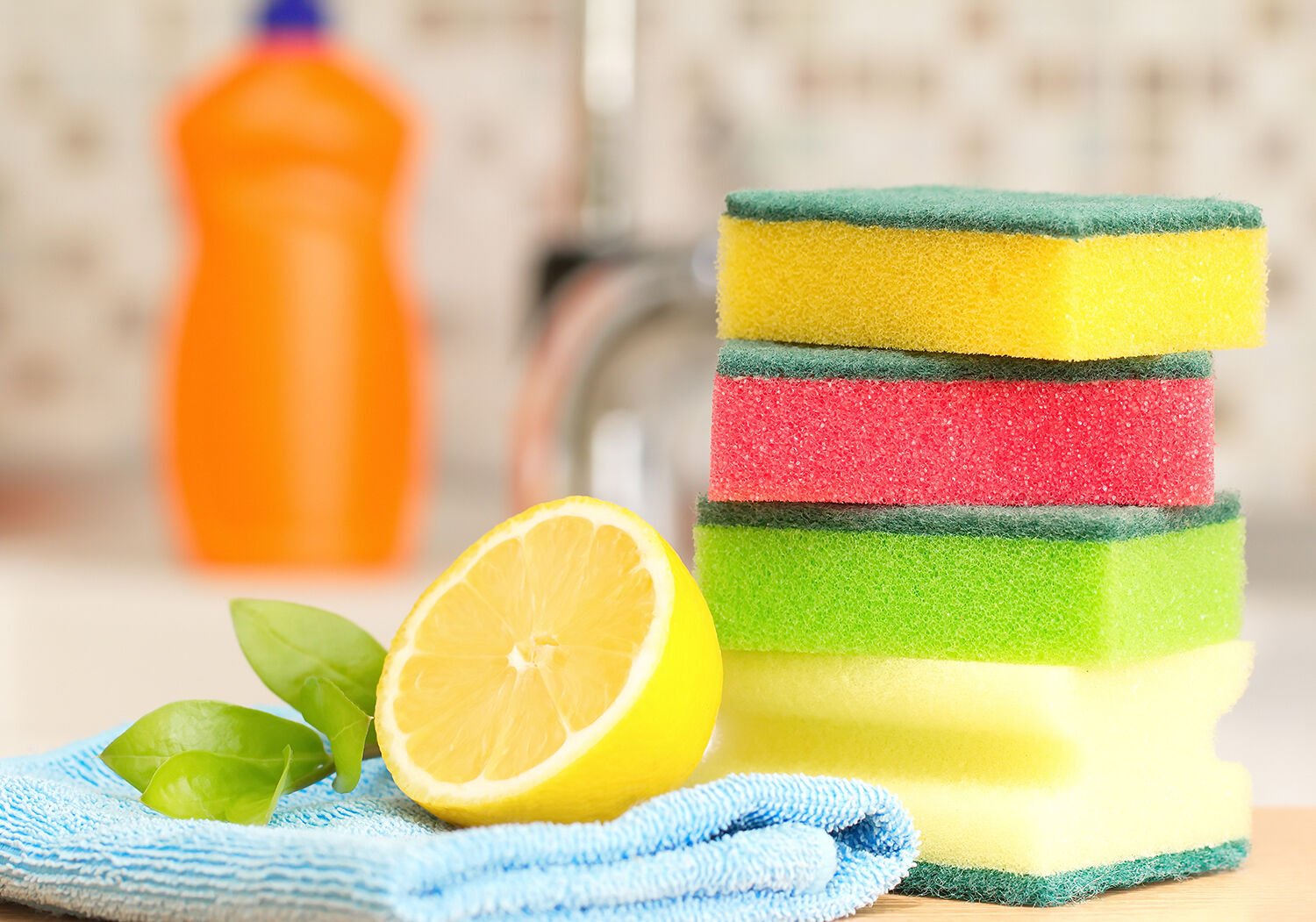
And they’re a fantastic, natural cleaning tool.
Lemon juice is naturally antibacterial. Clean your dishwasher by adding lemon juice to the rinse cycle. Washing dirty roasting pans? Add a teaspoon of lemon juice to the dishwater to cut grease. Freshen stained or smelly plastic storage containers by rubbing them with lemon juice and allowing them to stand for 15 minutes before rinsing. For a better smelling sink, add a few ice cubes, some lemon peels and a handful of kosher salt to the garbage disposal, turn on the cold water and run it. To remove hard water and mineral buildup from sinks and faucets, douse the area with lemon juice and wait 15 minutes before wiping clean. After chopping onions or mincing garlic, remove any hint of the flavor or scent from your cutting board by massaging it with salt and the cut end of half a lemon. Rinse and dry thoroughly. This method can also be used to brighten up copper, aluminum or brass cookware. Got ugly grout? Spray lemon juice and allow it to stand for ten minutes before scrubbing for a brighter, cleaner kitchen or bath.
They also contain amazing nutritional and medical properties.
One lemon contains around half the recommended daily allowance of Vitamin C for an adult. Lemons are the only food in the world that are anionic, which means they possess a negatively charged ion. In addition to Vitamin C, lemons also contain potassium, magnesium and calcium. And they’re higher in potassium than apples or grapes.
Finally, lemons were once a status of wealth and royalty.
Lemons were once so treasured and rare that royalty would present them to one another as gifts of goodwill. In the Renaissance era, women used lemon juice to pinken their lips. In the Victorian age, the wealthy raised lemons on their estates as a fragrant status symbol.


Whether you’re looking for a break from the overindulgence of holiday eating, or looking for assistance keeping up with

By Kyle Wilkinson Kyle in the outside The blueberries, raspberries and salmon berries have all shriveled and fallen. Most people

By Barbara Hunt Palmer Buzz There are many exciting events on Friday including the hot dog eating contest and scarecrow

The calendar says spring and so do warmer, longer days. What better way to celebrate than with wild Alaska seafood?