Retiring teacher, coach urges Colony grads to ‘find their 68’
By Jeremiah Bartz Frontiersman.com A football coach using a hockey reference as the centerpiece for his keynote address may


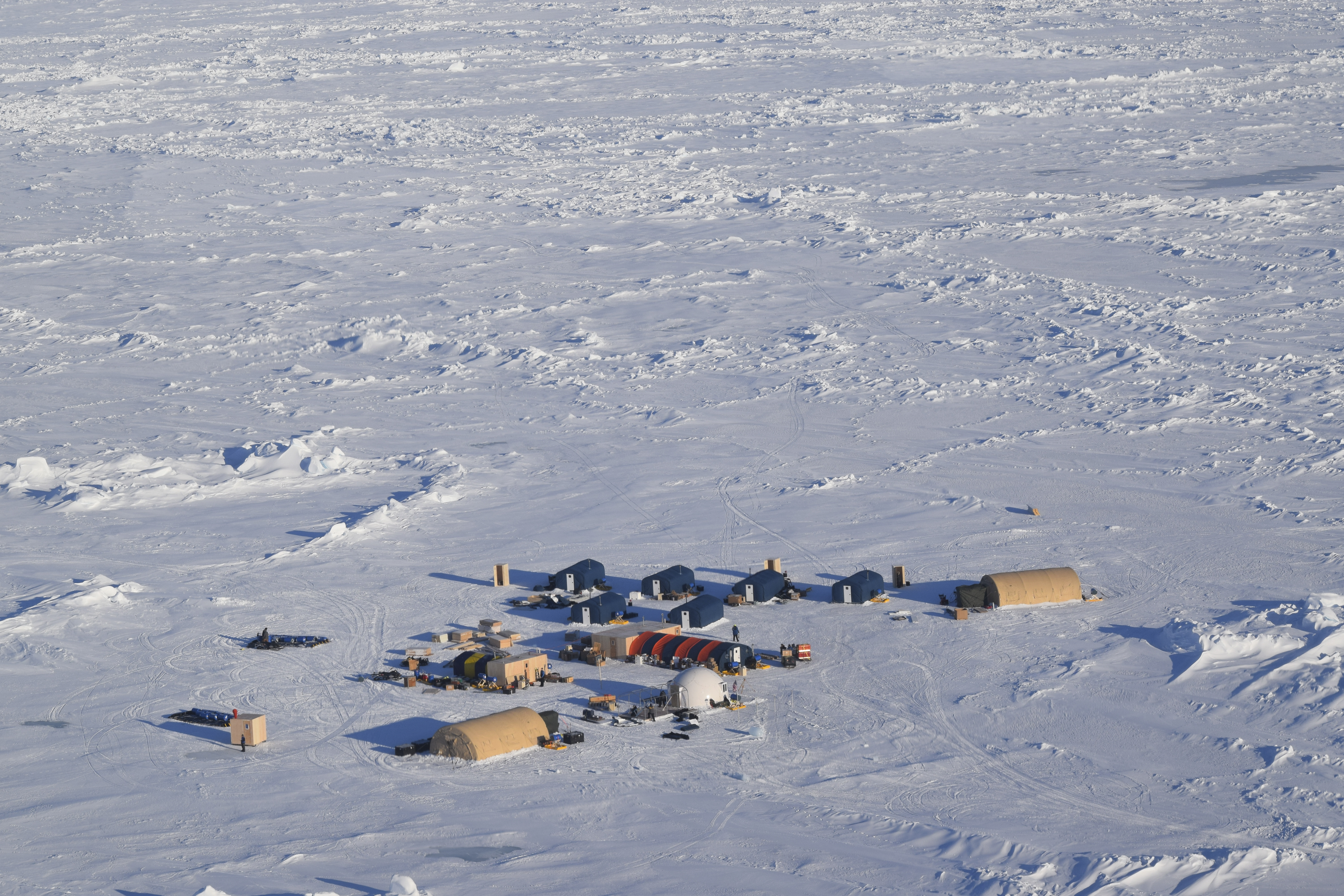
As changes in climate affect ice melt, opportunities are developing in the Arctic for both resource development and transportation. Russia is already there defending what's theirs and seeking out new opportunities. China is a player as well, as a "near-Arctic nation." But the U.S. is going to need to develop more "persistence" in the region if it wants to be a player there, according to the commander of U.S. Northern Command.
To compete in the Arctic, you have to be on the field," said Air Force Gen. Glen D. VanHerck, who also commands the North American Aerospace Defense Command, during a hearing yesterday before the House Armed Services Committee. "And currently, our capabilities, I would assess that we're in the game plan development [stage]. We're not able to have the persistence that I need to compete day-to-day in the Arctic."
The general said the U.S. military, along with the Canadian Armed Forces, are now in the early stages of modernization in building additional military capabilities in the Arctic. A priority for VanHerck, he said, is domain awareness.
"It starts with the ability to communicate and provide data and information so that we can operate and have persistence in the Arctic," he said, thanking lawmakers for $46 million in funding the department received toward that effort.
He said the U.S. currently has 10 satellites in orbit that help with that domain awareness, and about 100 more of those satellites will come in the future.
But communications and domain awareness are only part of the picture, he said. Perhaps even more critical is actually having presence on the water there.
"To be persistent, you also have to be on the playing field and that requires fuel so that Coast Guard cutters, Navy destroyers and cruisers, can remain persistent in the Arctic," he said.
Right now VanHerck said he has a requirement for fuel north of Dutch Harbor, Alaska — in the Aleutian Islands — that will help with that persistence and will also provide infrastructure for intelligence, surveillance and reconnaissance platforms and fighter aircraft.
All of that, he said, will help the U.S. better compete in the Arctic and continue to be aware of Russian activities in the region.
VanHerck said Russia pulls about a quarter of its gross domestic product from its activities in the Arctic. Moreover, they have reopened and strengthened Cold War military installations that were once shuttered. "They absolutely have a vested interest in the Arctic, and they also want to ensure that it's secure for their efforts, if you will," he said.
China is not actually in the Arctic, but considers itself a "near Arctic" nation and seeks increased influence there, Both Russia and China are interested in changing international rules-based norms to better serve themselves, he said.
"It's incumbent upon us to be persistent, working with allies and partners and like-minded nations to ensure that we maintain the consistency of the international rules-based norms and laws that have served us well over time," he said.

By Airman 1st Class Theodore Gowdy Joint Base Elmendorf-Richardson Public Affairs In July 2025, the Secretary of War released
Frontiersman.com Alaskans aged 17 to 28 have a unique opportunity to earn a college degree with major financial support
By Katie Stavick Frontiersman.com The United States Marine Corps has launched a strategic initiative known as "Campaign - Alaska,
By Katie Stavick Frontiersman.com As the 'Guardian of the North,' Alaska has historically been on the front