Retiring teacher, coach urges Colony grads to ‘find their 68’
By Jeremiah Bartz Frontiersman.com A football coach using a hockey reference as the centerpiece for his keynote address may


WASILLA — Since 2007, the Mat-Su Health Foundation, a non-profit that’s part-owner of the Mat-Su Regional Medical Center, has been making its presence felt through grants, scholarships and donations — often big ones — to achieve its mission of making the Mat-Su Valley a healthier place physically, mentally and emotionally.
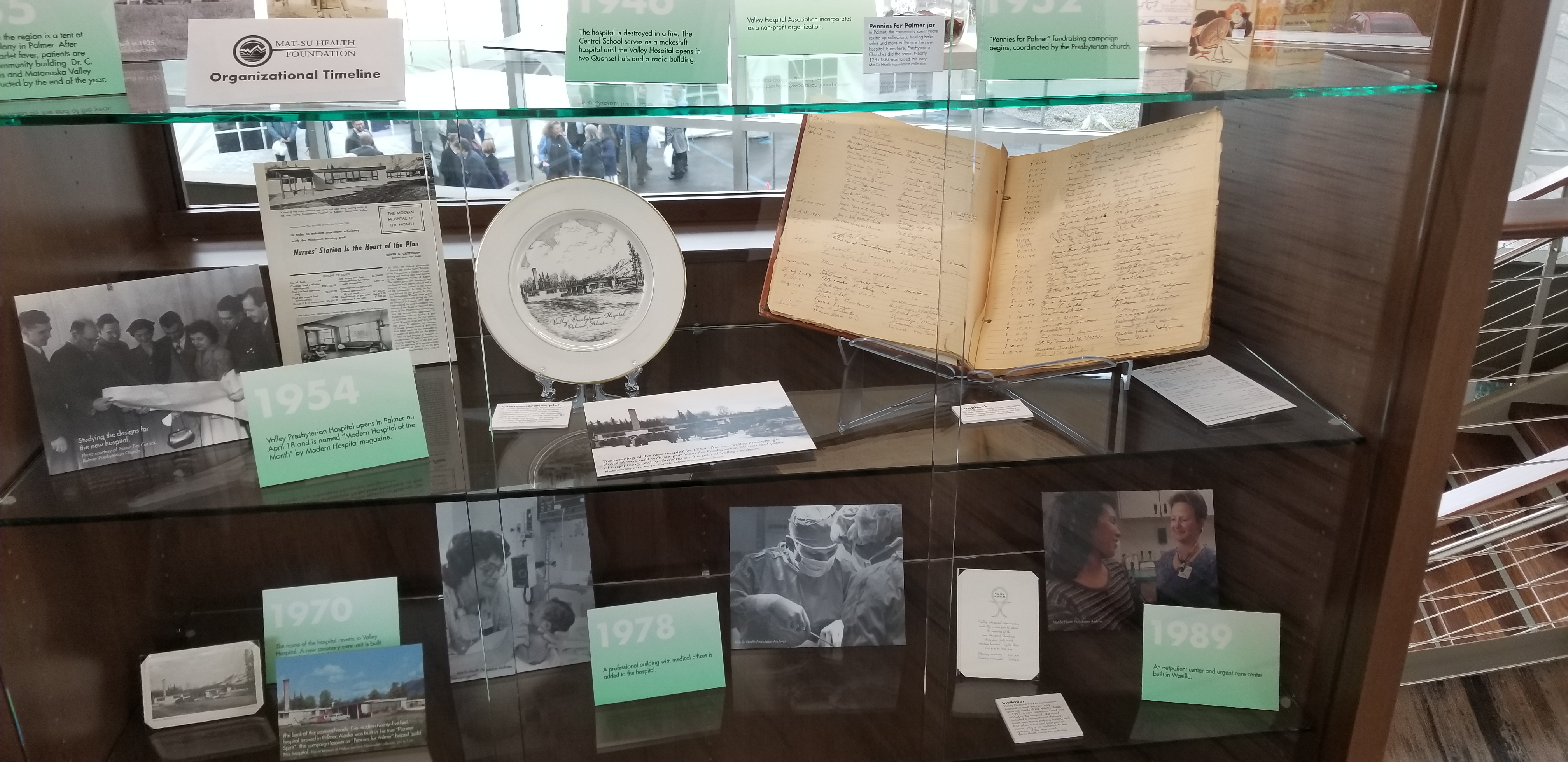
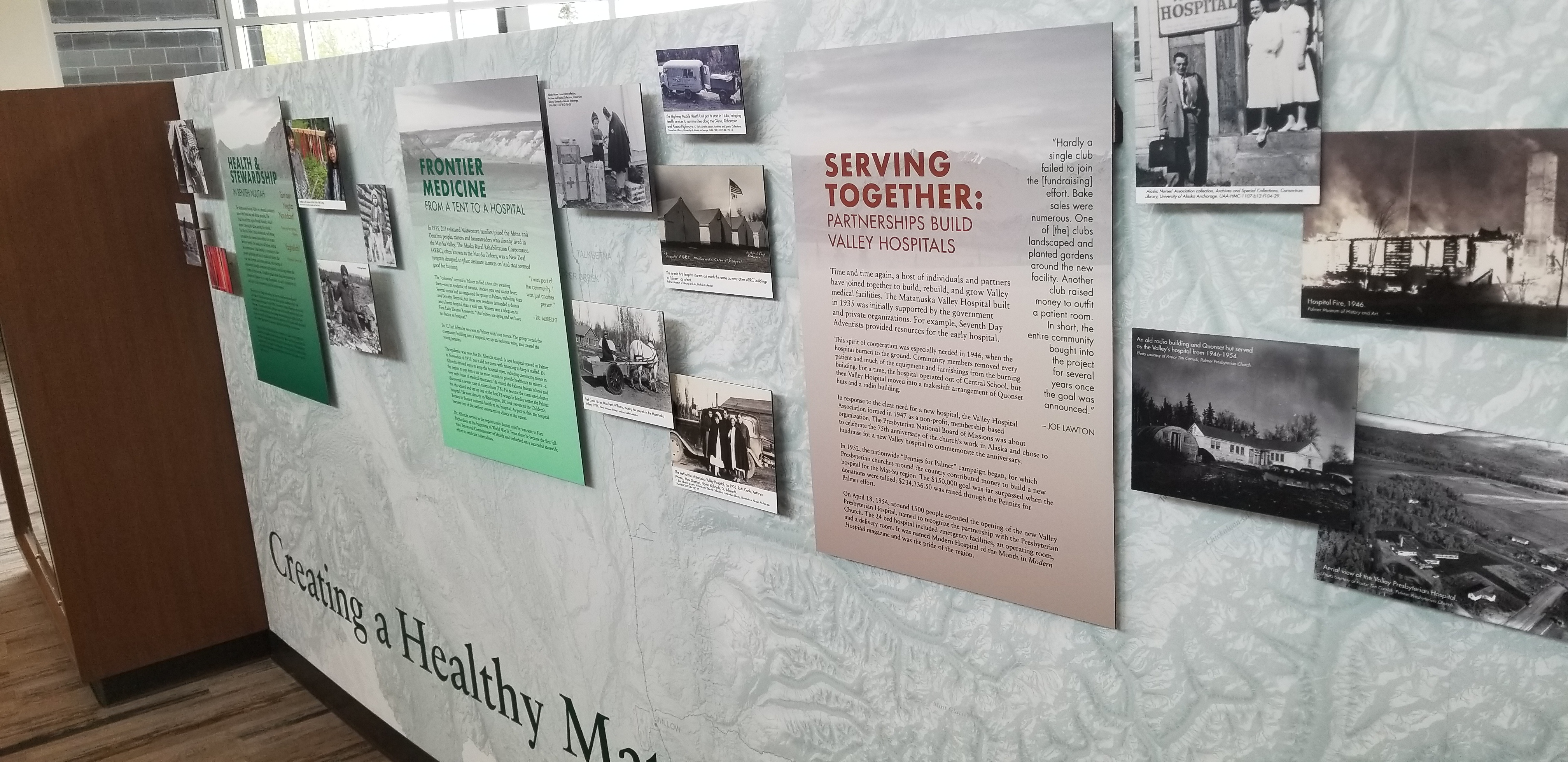
Its name recognition has grown through the $67 million it’s doled out, but the MSHF has never really had a direct, tangible, brick-and-mortar presence in the community. That all changed on Friday with the unveiling of its new building on Crusey Street, adjacent to the old hospital that’s now the Mat-Su Regional Medical Center’s Urgent Care facility.
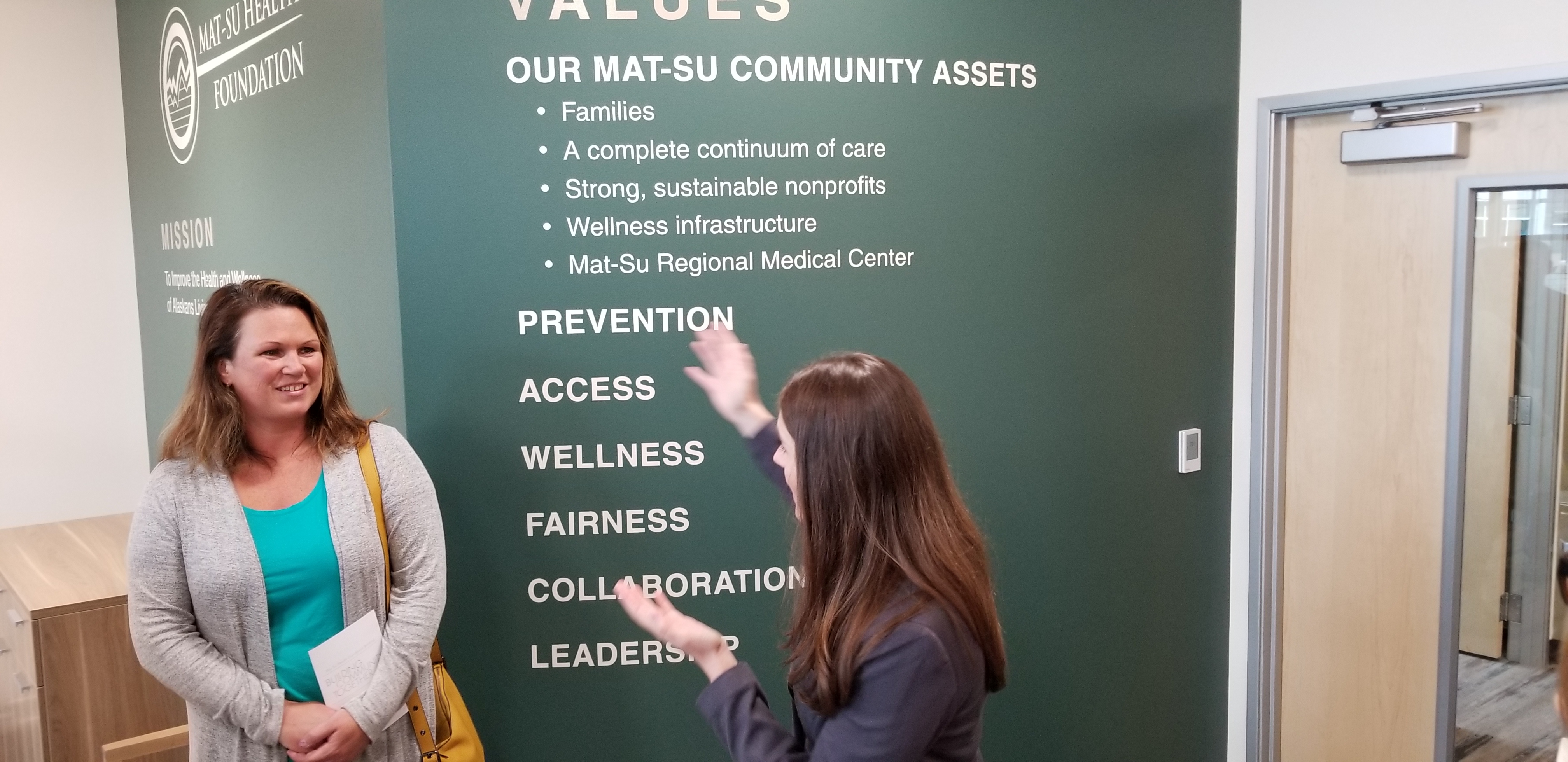
“We were mostly behind the scenes, but with this building we’re now more visible and more accountable,” MSHF CEO Elizabeth Ripley told a crowd of more than 100 gathered for Friday’s ribbon cutting celebration. When people drive by they’ll ask, ‘what is that?’ and we’re excited about that.”
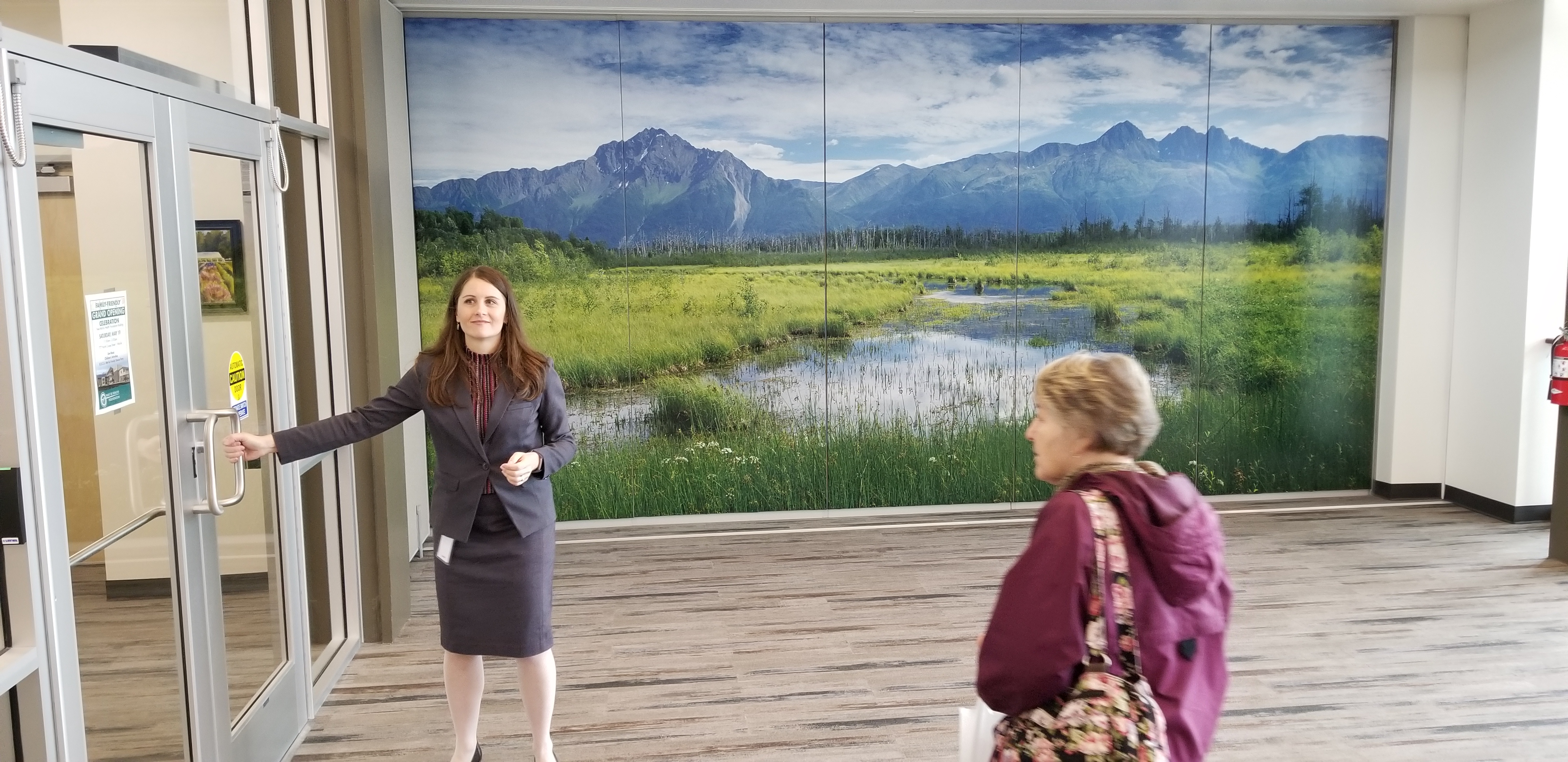
Shortly thereafter, Ripley shared the golden shears with project manager Scott Johannes, also an MSHF board chair, as they cut the ribbon on the building and staff began guiding the crowd on tours of the sleek and spectacular two-story gathering place.
“It needed to be about community, bringing folks together and we think we’ve done that,” Johannes said, adding that the $9 million investment created 201 local jobs.
“It’s the largest, most beautiful facility in the Mat-Su. It was so wonderful, I started crying, but I cry easy,” said Mat-Su Borough Mayor Vern Halter. “It’s a spectacular thing and it means a lot to the borough.”
Still, though. What is it? What does it do?
Borough assembly member and longtime local physician Barbara Doty explained that it’s a ‘gathering place’ in the Alaska Native tradition that will also make her job considerably more efficient and provide better care for her patients.
“We’re constantly looking for (phone) numbers trying to connect people with the services they need. This will make it possible for us to more efficiently — and accurately — find those resources,” Doty said. “I don’t have to Google everything and rely on outdated online call connections. If I have a patient that needs this, or that has transportation needs, they can figure it out and I can take care of more people. Not only that, it’s more accurate. Right now, I can spend hours looking for a resource for folks.”
But the building is only one part of the project. The other is Connect Mat-Su, a group set up and paid for by the Foundation, but operated by the Foraker Group said MSHF marketing director Robin Minard. Connect Mat-Su goes far beyond just getting people the access to medical needs; it delivers on the MSHF’s pledge to make holistic impact on the health of the people of the Mat-Su.
“I think it’s bigger and more than anybody could have imagined,” Minard said. “If, say, your brother is having mental health issues and you want to get them help, or if you have a kid who wants to play soccer and you don’t know how to sign them up — the gamut runs that wide.”
Minard said the concept expands on the LINKS/Aging and Disability Resource Center that exists already.
“A big key is building a database. When we first started this work we thought there weren’t enough services in the Mat-Su, but we found out there’s a ton of services that no one knows about. That’s why we created Connect Mat-Su… If you’ve got an aging mother and you’ve got to get her on Medicaid or respite care, now we do that for all ages. If you have a special needs child or you’re new in town and you don’t have any friends, you can find out if there’s a book club that specializes in women’s issues, or whatever your thing is.”
Ripley said that when the Foundation began brainstorming the concept, they looked for examples like it anywhere else and couldn’t find any, though, she added, there were bits and pieces from other places they took from liberally.
“People tell us they want to be more connected; less isolated,” Ripley said. “The environment of this building is a small part of the solution. The anchor is Connect Mat-Su, which is a network of providers. It’s a collaborative approach to get people the services they need.”
With the hard work of building the structure and setting up Connect Mat-Su now in the rear-view, the next phase of work begins in getting the word out to the community to let people know all it has to offer.
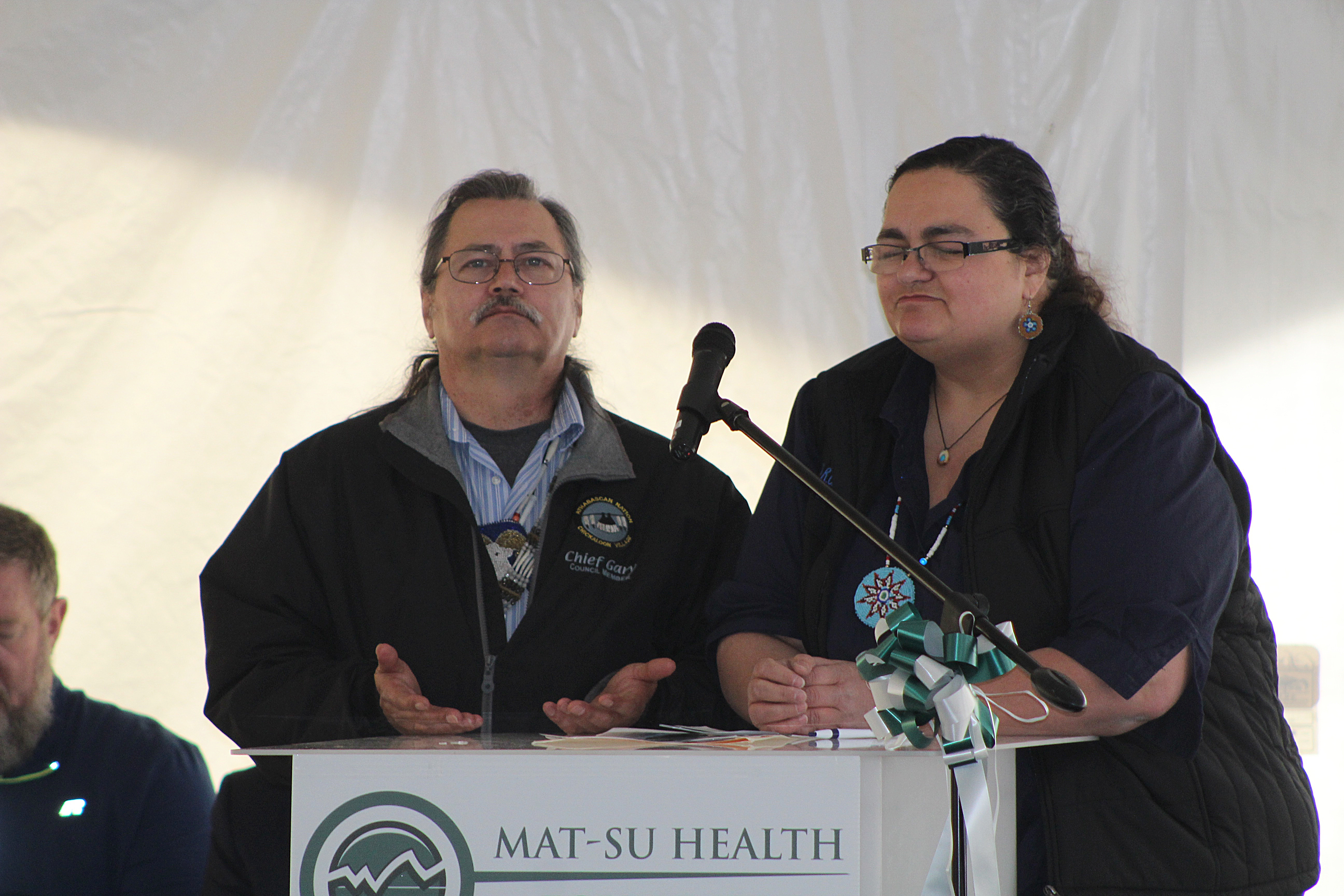
Chickaloon Village Council Member Chief Gary Harrison participated in the blessing of the facility at Friday’s event and presented Ripley with a traditional drum as a gift. He said he’s excited for what the opportunity will mean for his community.
“I’m very impressed with all of this,” Harrison said. “I’m very glad Elizabeth Ripley is here to do all this. For years I’ve watched her be the face of the MSHF, doing the community outreach and everything it takes to build a foundation.”
Harrison said he’s currently working on finding transportation solutions for his people to access the practical benefits of the facility.
“One of the most practical things will be that we’re able to tell people to go here to find out the myriad of services they can use in their day-to-day life,” he said.
Other services in the building include Alaska Legal Services, which has a full-time attorney on site to help clients with legal needs and R.O.C.K. (Raising Our Children with Kindness), a collaborative of community members joining together to promote family resilience and reduce child maltreatment.

By Jeremiah Bartz Frontiersman.com A football coach using a hockey reference as the centerpiece for his keynote address may

Frontiersman.com With its headquarters in Wasilla, the Frontiersman has been a primary source of news for the Matanuska-Susitna

By Katie Stavick Frontiersman.com The next generation of leaders took flight this week as the Houston High School Class

By Kyle Wilkinson For the Frontiersman Keynote speaker and Carry the Cure President Bill Pagaran’s words boomed through the