Retiring teacher, coach urges Colony grads to ‘find their 68’
By Jeremiah Bartz Frontiersman.com A football coach using a hockey reference as the centerpiece for his keynote address may


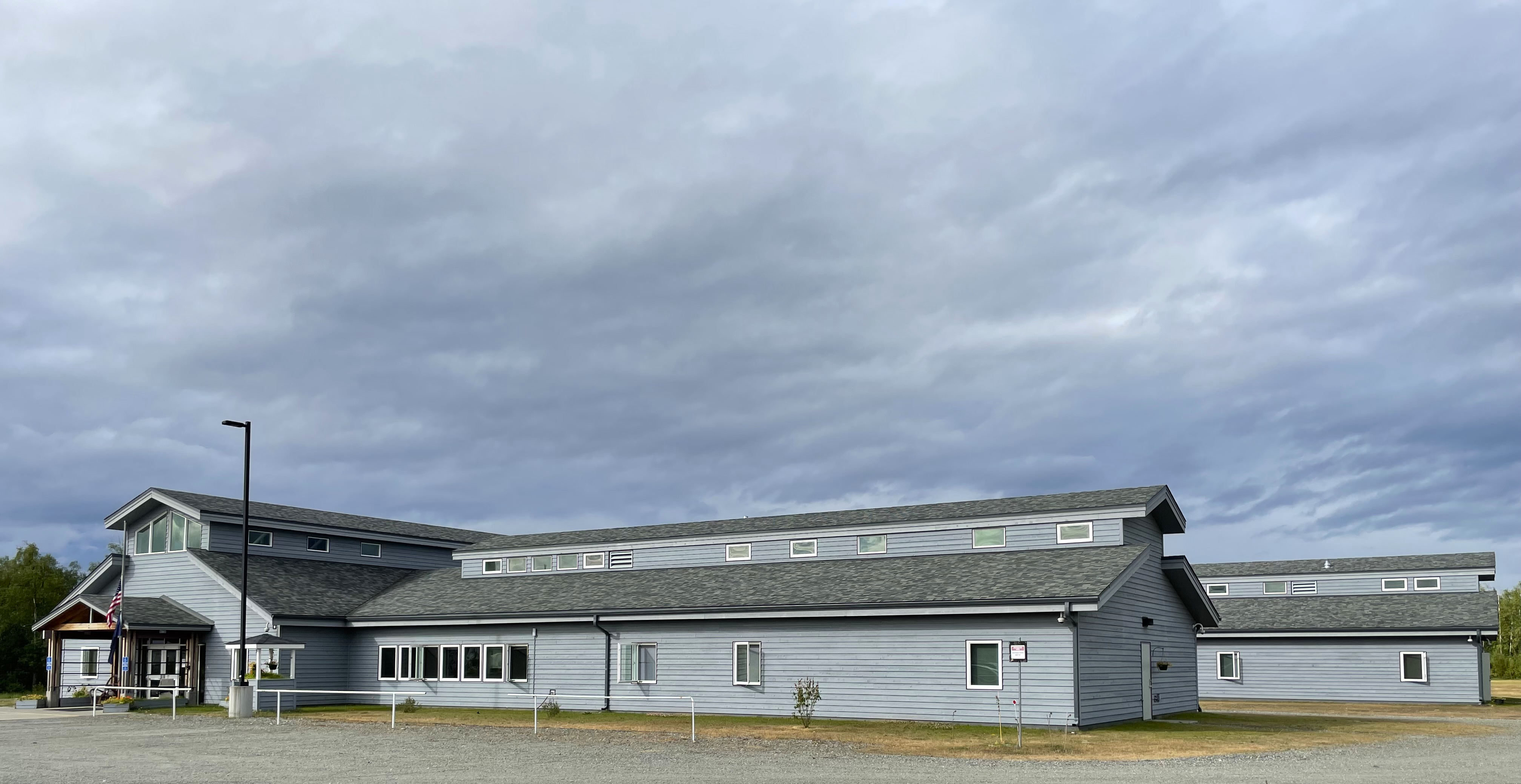
About 30 miles outside of Wasilla, far removed from the hustle and bustle of everyday life and distractions, is a center that for many, marks the beginning of a journey of sobriety and healing.
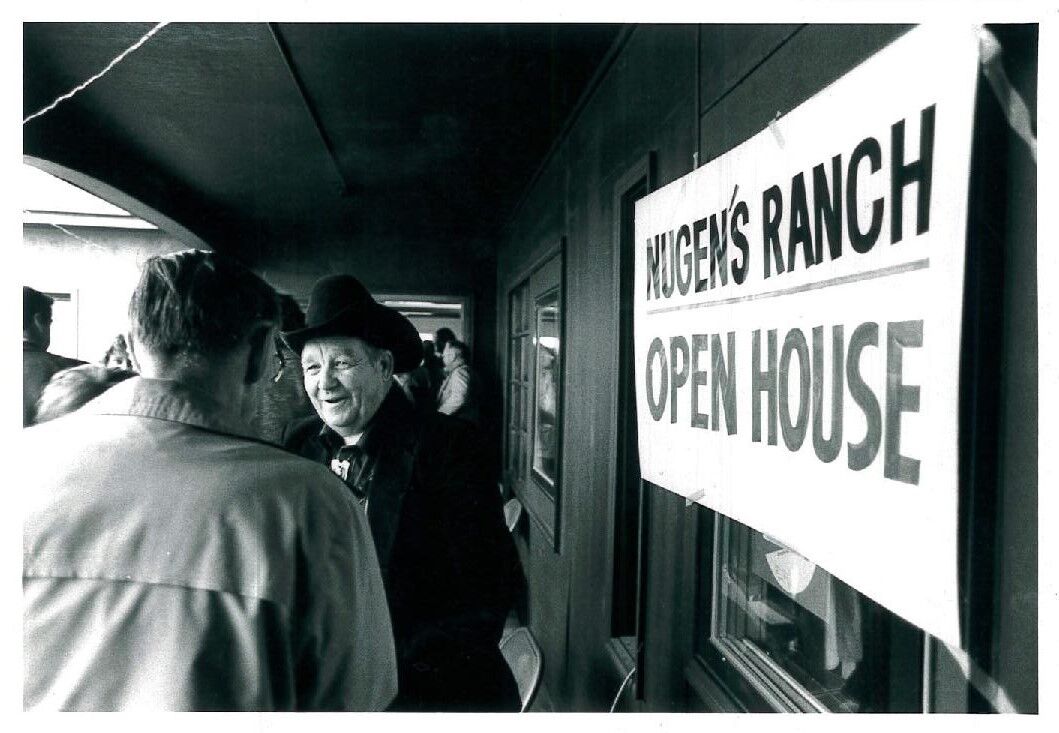
Alaska Addiction Rehabilitation Services (AARS) sits quietly on 116 acres in Point Mackenzie, though most people still know it as Nugen’s Ranch.
“AARS has been serving the state of Alaska and the Mat-Su Valley since December 1982. This is our 40th year serving the folks who need substance abuse treatment, both statewide, and primarily in the Valley. We’re really excited about that because we’ve been here for a very long time.” Bryan Brandenburg, Executive Director for AARS, Inc.
Nugen’s Ranch began in 1981, far from its current location, moving out to Point Mackenzie 10 years ago. It was built on the idea of providing a recovery environment that is safe, structured, stable and separate from the whatever traumatic environment contributed to a client’s substance use disorder. That also had pigs.
“It’s always been AARS; because the Nugen family was primarily involved in the conception, it’s been Nugen’s Ranch to the public,” explains JJ Harrier, Director of Development, Marketing, and Communication.
“They really wanted to establish treatment that was longer than 30 or 60 days. The big thing they noticed was they weren’t getting the same success rates with lesser treatment times, and they really wanted to focus on evidence-based treatment, 12-step work, and life-skills therapy, really having the clients participating in the environment they live in,” Harrier said.
When Karen Nugen-Logan, daughter of founders Leonard and Henrietta Nugen, retired, Nugen’s Ranch officially became AARS, and while efforts have been made to re-brand and separate the ranch from the treatment center, Brandenburg insists that the goal is to keep the ranching component that has been a key part of the facility and its origins from the start.
“We certainly want to keep the ranching component and expand that as much as possible. We want to expand our hayfields, expand our vegetable production, flowers, plants, cattle, and pigs.”
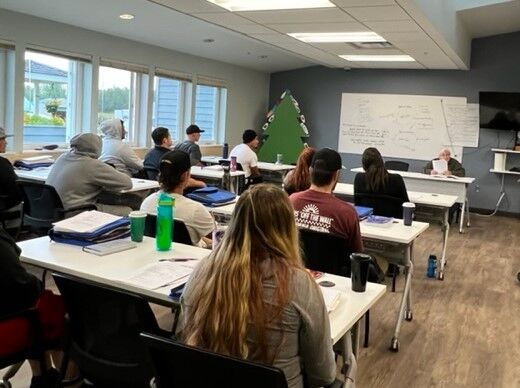
Treatment is provided through a structured daily schedule with activities that include classes and meetings, recreational and physical activities, group and individual therapy, meals as well as duties related to running ranch operations including caring for livestock and greenhouse operations.
Integrating the work aspect of the program with traditional substance use disorder treatment adds value to the program and helps to establish work habits, a sense of normalcy, and a structured schedule, as well as build important life skills that many may not have prior access or training.
“I didn’t have a lot of skills when I got here, and this gave me the chance to develop and get my life back on track, and figure out who I was as a person, and now I’m able work here and help other people,” says Alex S. a former client and graduate that now works for AARS
“That’s what really makes us unique, having the clients participate in their recovery, in all areas,” says Harrier.
AARS has been going through its own transitional phase as it pulls away from the “pig farm with a treatment center” to focus on the treatment that the center provides client-centered care. That also has livestock and greenhouses.
Brandenburg explains that even the treatment center has gone through a revision, centering on a more evidence-based approach to substance abuse.
“We’ve gotten great response from our clients as a result of the changes, and seem to be making the changes necessary for long-term success,” says Brandenburg.
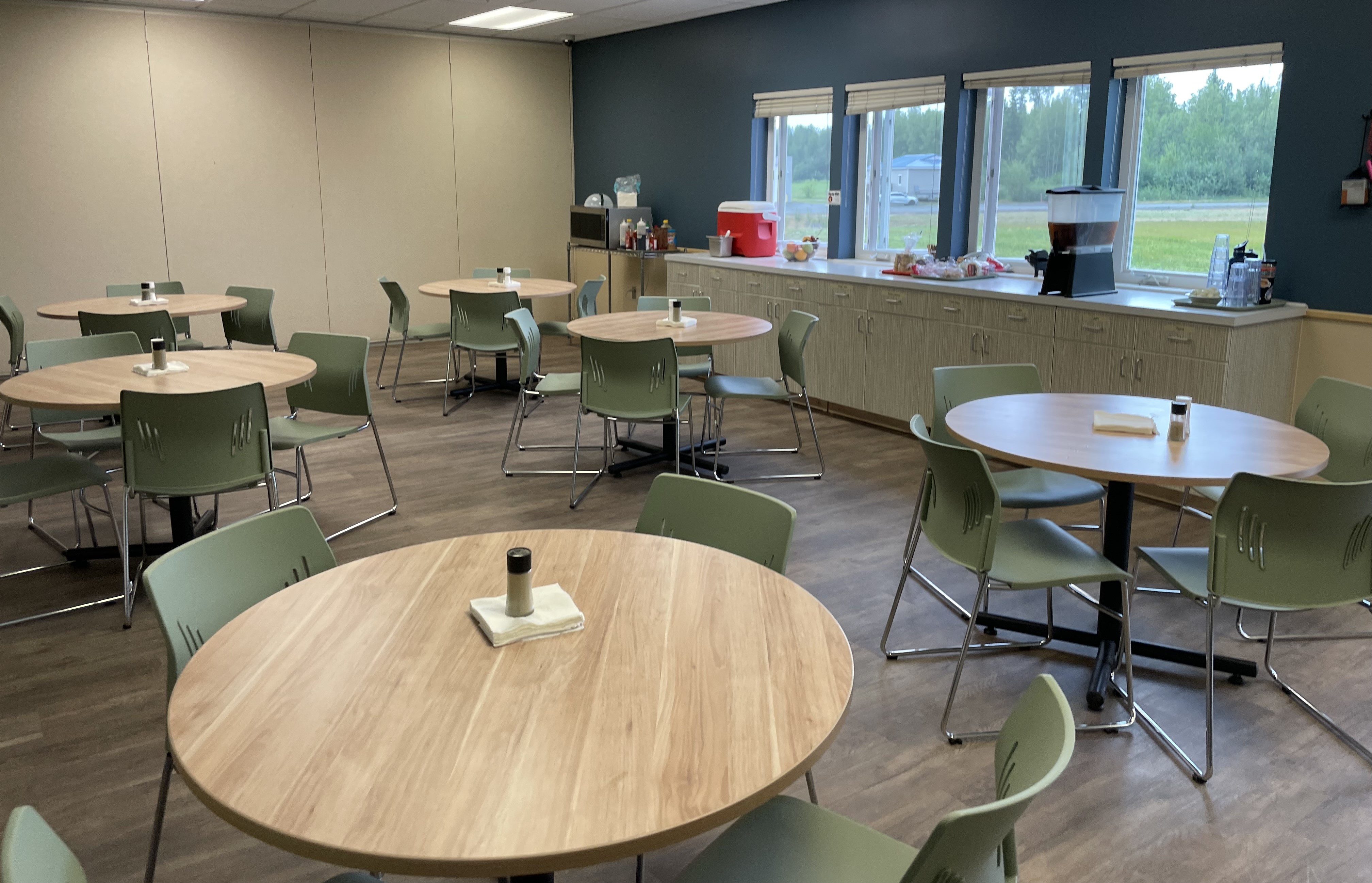
There have also been updates to the interior of the center as new painting, flooring, and office spaces have been updated. The in-house kitchen and client bedrooms have also been freshened up and the recreation spaces are in the process of being redone with new furniture.
Currently, AARS houses 24 residents-16 male and 8 female- and there is a waiting list for clients to get in.
“Primarily dealing with folks who’ve been through treatment, but other options have failed, so those are the folks we try to bring in.”
The long-term residential treatment program is an intense living situation that incorporates treatment activities with cognitive behavioral approach to treatment, 12-step facilitation and community life on a ranch.
“We’re one of the few treatment centers in the state that provides the 12-step facilitation module. We also offer clients the opportunity to get entry-level positions,” explains Alex S.
Like other treatment centers, a majority of the people that do work at AARS have been through their own battles with substance use disorder and come through the other side, a benefit that Harrier, Brandenburg and Alex all agree is a key to making connections with people going through treatment.
“The more you can relate to someone or something, the easier it is for you to see the benefit for yourself,” says Brandenburg.
He believes in the idea that substance use disorder is a disease, not simply a matter of willpower or morals.
“It’s an illness, a disease, and really the only treatment for it is abstinence, so treatment programs give people the opportunity to be abstinent. But what you do within that treatment program, what skills are you teaching someone to benefit them so they can make better choice?” he explains that empowering clients with the skills necessary and the support necessary to make choices that better align with a sober lifestyle.
The 24-hour residential component provides protection for the clients from the former substance use life, helping to build the skills to prevent relapse and opportunities to make the major life changes necessary to establish and maintain a clean and sober lifestyle.
“This experience really elevates where people fit, what they want to do with their life, and we get a lot of graduates who don’t know what they want to do, and that is a really important part of the recovery process where we get to talk about it and work through it,” explains Harrier.
To date, 3221 clients have successfully completed treatment at AARS.
“Our success rate with the approach we use over the course of time has been about 70%” The success rate is determined by follow-ups with clients once they leave.
Looking to the future, Brandenburg is looking to expand the facility to add an additional 24 beds, which would include a more intensive treatment program, then allow clients to transition within the other programs based on staff assessment and client needs.
“We are looking to expand to a residential in-patient treatment program. We recently opened an outpatient treatment program, with capacity for 5 males and 5 females here on this site. We’re not quite ready to transition people there, but our goal is to be able to have everything in place soon.”
The need has expanded and there is a need for transitional care for people so they don’t relapse or need to go back to long-term treatment programs.
Expansion plans are about 3 years away from realization as they look to funding and support for the expansion.
“It’s a serious issue for the state and the Mat-Su, so if we can get some (legislators) support, it would go a long way to addressing the needs in the Valley,” said Brandenburg.
“We are happy with the program we have, with the direction we’re going in and excited to see where we end up with our future plans.”
For more information about AARS, or to get in touch with the team, visit their website at aarsrecovery.org, or call them at (907) 376-4534.

By Jeremiah Bartz Frontiersman.com A football coach using a hockey reference as the centerpiece for his keynote address may

Frontiersman.com With its headquarters in Wasilla, the Frontiersman has been a primary source of news for the Matanuska-Susitna

By Katie Stavick Frontiersman.com The next generation of leaders took flight this week as the Houston High School Class

By Kyle Wilkinson For the Frontiersman Keynote speaker and Carry the Cure President Bill Pagaran’s words boomed through the