Retiring teacher, coach urges Colony grads to ‘find their 68’
By Jeremiah Bartz Frontiersman.com A football coach using a hockey reference as the centerpiece for his keynote address may


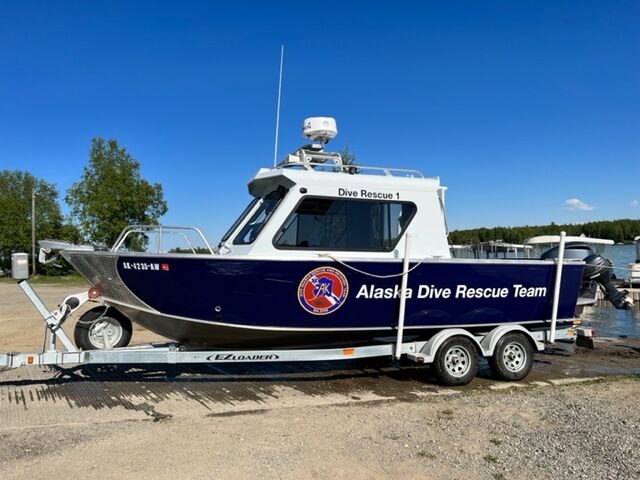
As the temperatures have risen and waters on Big Lake have opened up, the Alaska Dive Search Rescue and Recovery Team have been out on the waters searching for Myles Williams, who disappeared last July during a boating trip on Big Lake.
As reported last summer, Williams, a 21-year-old Anchorage man went missing after falling overboard on Independence Day.
According to AST at that time, Williams fell off the back of a boat and didn’t resurface. The boat operator, a 16-year-old female, and occupants attempted to search for Williams but were unable to locate him. While the driver was not under the influence, others aboard had been consuming alcohol.
Last year, crews from the Mat-Su Borough EMS Dive Team, MAT+SAR, and Alaska Dive Rescue assisted Troopers during the search. But several factors made the search difficult, including trying to pinpoint the actual location of where Williams went in the water.
The second factor is covering a large amount of water with numerous obstacles in the dark depths, and Big Lake is just that-a big lake with depths ranging to a maximum of 89 feet, and 29 miles of shoreline.
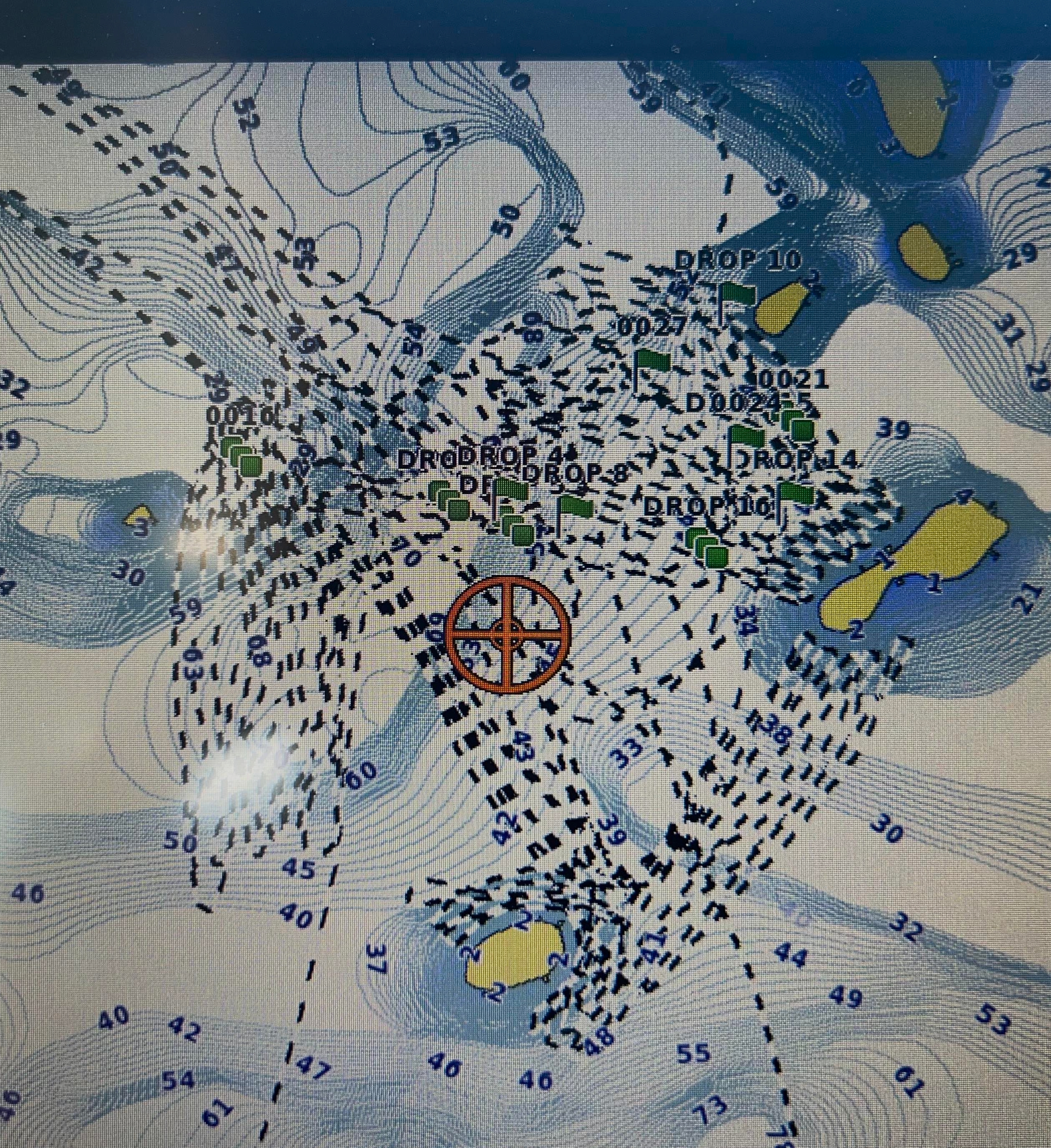
Over the past week, divers from Alaska Dive Search Rescue and Recovery have been out scanning the shallow areas of the lake, specifically water 60 feet and shallower.
“We marked and dove on several possible targets, but unfortunately they were just debris on the bottom,” says Jeremy Lilly,
AK Dive and Rescue is waiting for a new side scan sonar to arrive, which will enable the team to search at depths deeper than 60 feet.
“We are trying to hit all of the shallow areas in the original search area again and then we will use our new side scan to search the deeper areas when it arrives. We are planning on going out again next week if everything goes as planned,” says Lilly.
“That will help us hit the really deep areas better, Right now, we’re just hitting the shallows in case there was some movement during the winter time,” said Lilly after finishing another day of searching on Wednesday.
The Side Scan Sonar the team is waiting for will replace the current one. The new sonar will be used to search large bodies of water such as rivers, lakes, and oceans for missing people, planes, etc. around the state. The equipment is used on every mission where the ice has not formed, in an effort to narrow down the search area and identify possible targets of interest. For example, on one mission, the team searched over 345 acres of water before locating the missing subject.
When asked about the time it is taking, Lilly says search length depends on temperature of the lake and how deep the water is, and the area they are searching in Big Lake is 70-80 feet deep and there are thermoclines that make temperatures in the water colder on the bottom.
According to weather.gov, thermoclines are a transition layer between deep and surface water, in which temperature changes more drastically with depth than it does in the layers above or below.
“The surface water has really warmed up and the thermoclines make it considerably colder on the bottom.”
AK Dive and Rescue is an all-volunteer, unpaid non-profit that is activated through the Alaska Department of Public Safety’s (DPS) Search and Rescue Coordinator.
The search process is long and sometimes grueling.
“As they see these points of interest, it takes a lot of time to further investigate to confirm their body or rule them out. It’s not a fast process… They do have to do a search grid in the area,” said AST last year during the initial search for Williams.
Another challenge the team faces are the boaters on the lake. While most give way when they are out on the water, Lilly did say that there have been a few close calls:
“We did have an issue with a pontoon boat. The pontoon was completely full of kids that came right up to the boat while I was in the water checking something out. The driver was staring at the phone and not paying attention to his surroundings,” he recalled. “Please give way as we are running search patterns using sonar and any deviation can cause us to miss objects on the bottom.” Safe boating also prevents injuries from happening to the dive team and others.
Though the hours are long, with crews spending upwards of 12 hours a day on the lake, it is all in an effort to bring closure to Williams’s family and friends.
Lilly was expecting the new sonar to be delivered around June 10, but according to their Facebook post, was informed the new Sonar will not be shipped as planned as it is awaiting parts from a vendor that have not arrived and no new ship date for the part has been announced.
“In the mean time we will continue to search with tools we currently have available. We will be back on Big Lake this Monday and Tuesday continue our search,” as posted on the page.
For more information about AK Dive Search Rescue and Recovery, visit their Facebook page. They are accepting donations to help offset fuel costs.

By Jeremiah Bartz Frontiersman.com A football coach using a hockey reference as the centerpiece for his keynote address may

Frontiersman.com With its headquarters in Wasilla, the Frontiersman has been a primary source of news for the Matanuska-Susitna

By Katie Stavick Frontiersman.com The next generation of leaders took flight this week as the Houston High School Class

By Kyle Wilkinson For the Frontiersman Keynote speaker and Carry the Cure President Bill Pagaran’s words boomed through the