Retiring teacher, coach urges Colony grads to ‘find their 68’
By Jeremiah Bartz Frontiersman.com A football coach using a hockey reference as the centerpiece for his keynote address may


A new highly pathogenic avian influenza (HPAI) has been rapidly spreading across the lower 48, affecting wild birds and commercial poultry flocks. To date, over 23 million birds have died. While some have died from the virus, most are being culled as a way to try to prevent further spreading of the virus, including chickens and turkeys being raised as subsistence.
While there have been no reported cases here in Alaska yet, staff and volunteers at the Alaska WildBird Rehabilitation Center in Big Lake are taking preemptive steps to mitigate an outbreak here.
In a statement, the center has had to come to a very difficult decision to minimize wild bird rehabilitation for the spring and summer.
“Much like COVID, this is still evolving,” says Nancy Wade of the Alaska WildBird Rehabilitation Center. “We don’t know how this is going to play out, and we are continually looking at the information from other facilities around the state to track changes or concerns.”
First detected in February, the United States Department of Agriculture (USDA) Animal and Plant Health Inspective Service (APHIS) has been tracking the spread of HPAI, tracking the number of birds that have been infected. According to latest information posted on the USDA website, 38 states have reported at least 1 case of HPAI found in wild birds, mostly in the eastern and Midwestern states.
“It’s still early, so we’re not sure how it’s going to play out as the migratory birds are just now coming up,” says Wade.
The concern is that flocks of chickens and turkeys come into contact with wild birds, easily transmitting the flu into the wild population. Ducks, geese, and other waterfowl may be carriers and show no symptoms and pass the flu onto other birds. What makes this strain more difficult to predict is that it is spread by all transmission vectors, including air, water, bird feces, and contact. Germs may linger for an extended period of time on surfaces in the air and water. There are no accurate quick-tests for this virus and veterinarians cannot detect the virus until the birds show signs, which is what worries Wade.
“By the time the birds show symptoms, the virus will have already been introduced.”
The WildBird Center maintains resident ambassador birds, all of which are affected species, and once an affected bird comes into contact, the virus could spread to all of the birds housed at the center.
“We are just not large enough and do not have the resources to operate under the strict sanitation protocols needed to prevent the spread of the virus.” It is those reasons that the center will not be able to rehabilitate wild birds for the foreseeable future.
The center recommends that if you find an injured bird, to contact the Bird Treatment and Learning Center in Anchorage. It is advised to call before bringing them in as some species may be able to be treated off-site.
If you come across a dead bird with no known mechanism of injury, check with the State of Alaska veterinarian to see if they are able to accept carcasses for testing.
“Please do not touch any dead birds with your hands if you do not know how it came to be deceased,” advises Wade.
Wade and the rest of the staff are hopeful that this current strain will not last, and says they continue to monitor the situation and if trends dissipate, the center could open.
“We haven’t been open since COVID, and we hope people are understanding. This was difficult for us to remain closed for now.”
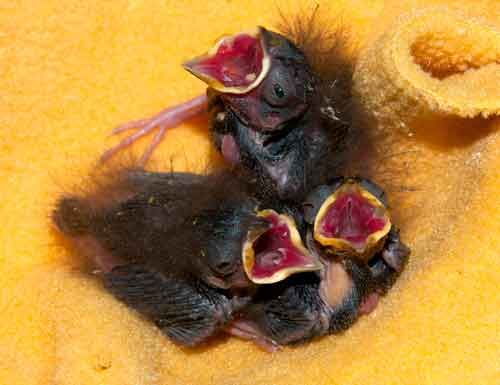
The center will accept phone calls for baby birds or injured birds, and offers this guidance if a bird hits a window:
If the bird is a known window hit, place the bird in a box or carrier with a towel to stand on, and cover it with a towel. Keep in a place protected from children, pets, and other wild predators. In an hour, check to see if the bird will fly out. If not, wait another hour or so and try again. If the bird is still not able to fly, please call.
While only 1 human has been infected, it is possible with close, constant contact with birds for the virus to spread. The CDC recommends good hygiene practice any time people interact with birds.
If you need to contact the Bird Treatment and Learning Center for an injured bird, call (907) 562-4852. For more information about the Alaska WildBird Rehabilitation Center, visit their Facebook page.

By Jeremiah Bartz Frontiersman.com A football coach using a hockey reference as the centerpiece for his keynote address may

Frontiersman.com With its headquarters in Wasilla, the Frontiersman has been a primary source of news for the Matanuska-Susitna

By Katie Stavick Frontiersman.com The next generation of leaders took flight this week as the Houston High School Class

By Kyle Wilkinson For the Frontiersman Keynote speaker and Carry the Cure President Bill Pagaran’s words boomed through the