Retiring teacher, coach urges Colony grads to ‘find their 68’
By Jeremiah Bartz Frontiersman.com A football coach using a hockey reference as the centerpiece for his keynote address may


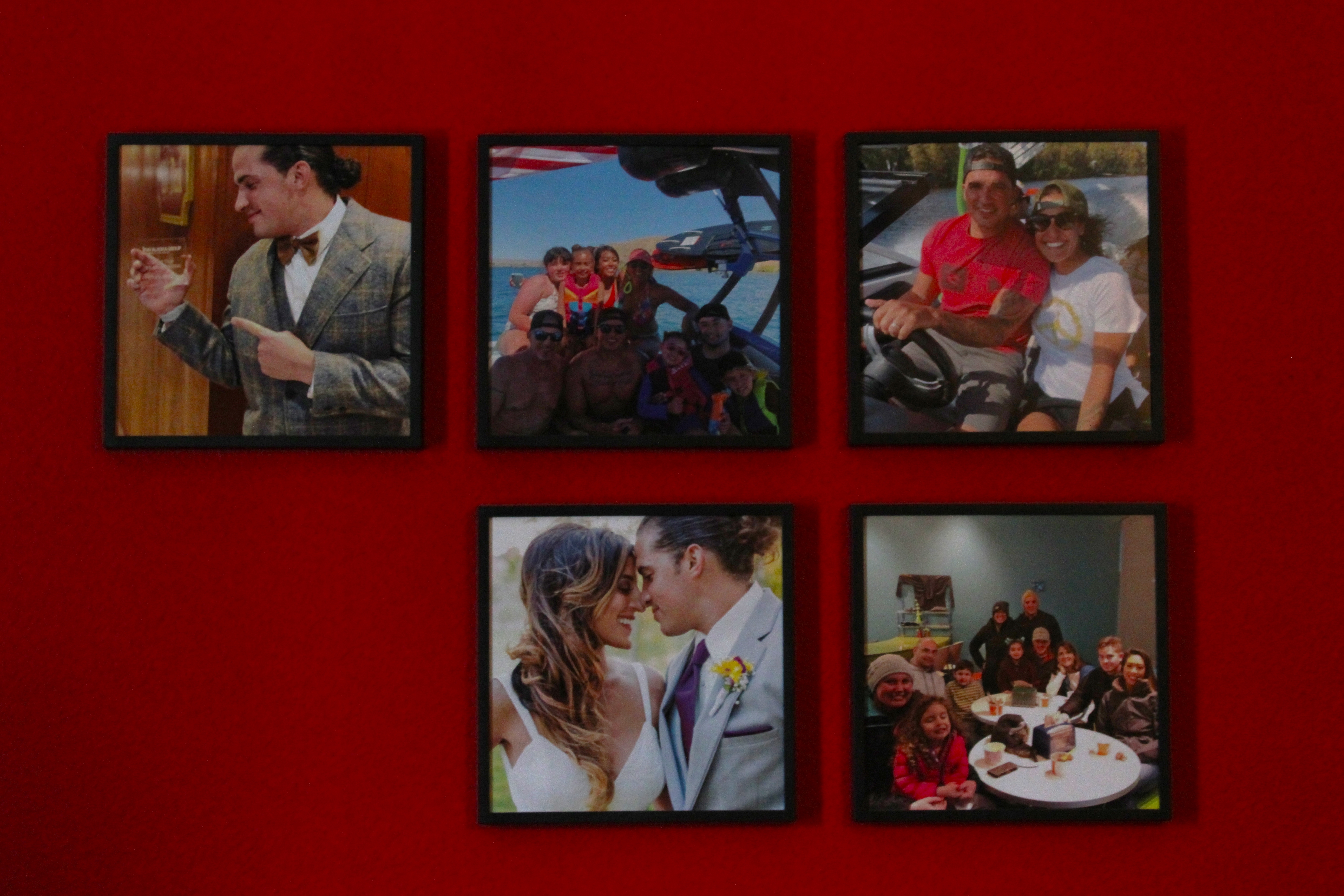
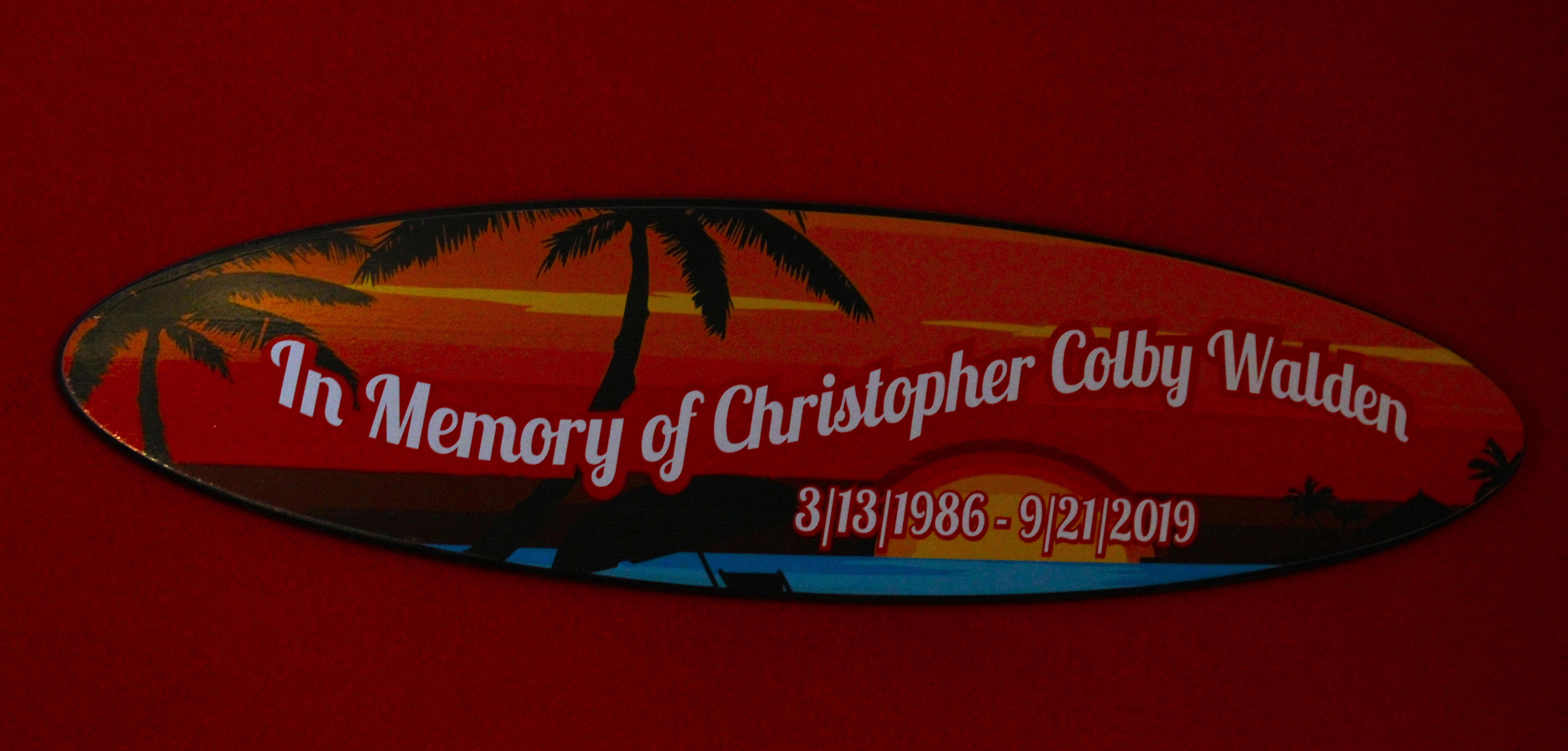
In the Vita Nova Residential Home, a residential substance abuse program and part of True North Recovery, there is a bright red bedroom, dubbed “the Surfer Room.” There are photographs that decorate the walls, showing a young man, all smiles, enjoying all of life’s pleasures-family, friends, and fun. A surfboard adorns a wall, but it is what is written on the surfboard that reminds the residents of Vita Nova that the battle they are waging may come at a devastating cost:
“In Loving Memory of Christopher Colby Walden”
Just like the “Surfer Room,” the bedrooms in Vita Nova all are reverently named and decorated in honor of someone who lost the battle of addiction.
People hear the word “addiction” and most assume to know what it means. Certain images flit through the imagination, usually from commercials, television, or movies, and perpetuate the image of someone with an unkempt appearance, unable to hold down a job, a tweaker stealing or living out of a car.
“My son was not born an addict and I’m sure he never wanted to become an addict and unfortunately he became addicted to the medications,” said Dar Walden, whose son, Christopher, passed away from a drug overdose in September, 2021.
“Christopher had suffered from addiction at a very young age starting probably around the age of 16, he was a product of the Oxycodone pain medication era of the 2000’s,” shares Walden.
Addiction can slither into the lives of individuals from all walks of life, without even making a sound-it’s deceptive like that. It takes many forms, and is not limited to drugs or alcohol. Addiction is defined as a disease by most medical associations, including the American Medical Association, and is caused by a combination of behavioral, psychological, environmental and biological factors. Genetic risk factors also account for about half of the likelihood that an individual will develop addiction.
According to the National Institutes of Health (NIH) National Institute on Drug Abuse, addiction is mainly characterized by compulsive drug seeking, continued use despite harmful consequences, and long-lasting changes in the brain.
“Addiction is a terrible disease, which I know is a controversial term for many. However, if you have never lived that life or walked along side of someone battling addiction, it is hard to understand that it’s not just a simple choice in their lives they are refusing to make, it is a matter of survival for them,” Walden
Addiction alters brain function and changes the body. The brain is wired to desire those experiences that make people happy and feel rewarded, and seek those out experiences again and again. When drugs are introduced, they target the same part of the brain that sends reward signals. Drugs flood the brain with a chemical called dopamine, which triggers a feeling of intense pleasure, and soon need to take the drug to chase that high.
Over time, the brain gets used to the extra dopamine, and with it is a need to take more of the drug to get the same good feeling. Things once enjoyed, like food and hanging out with family, may give less pleasure. After a while, drugs cause changes in other brain chemical systems, ultimately impairing judgment, memory, and ability to learn.
Addiction also takes a toll physically-they damage or destroy nerve cells, either in the brain or the peripheral nervous system (the nervous system outside the brain and spinal cord), make the user more susceptible to HIV and other life-threatening diseases, infection of the heart, liver, or kidneys, and skin infections like cellulitis can occur after exposure to bacteria by injection drug use.
Addiction doesn’t always show itself. It sometimes prefers the company of the addict, and the addict may be hiding its effects on their lives.
“I’m telling you this because my son was not a homeless street addict, nor was he a bad person, he lived a pretty normal life. He was a good person to the core, he had a great job, a beautiful wife and lived a big and productive life. However addiction, if not treated long term, looms in the background of the brain and can reoccur on a moment’s notice and that is exactly what happen with Christopher.”
One tool that communities can use to combat addiction is to cancel out the stigma associated with it. Addiction has long been thought of as the result of poor personal choices, a “moral failing,” or weaknesses of character.
“I do understand that the stigma is tough to overcome and for many they never will overcome it unless at some point they personally experience addiction themselves or with a loved one...I understand the anger and the pain of living with an addict and being a victim of an addict.”
Turning the tide of addiction means that communities must first and foremost remove the negative stigma of addiction and remember that people with addictions are still human, and they are suffering, which can prevent them from seeking help. It is something Walden knows firsthand:
“Unfortunately because of all the negative stigma that goes with addiction my son’s pride got in the way of his long term care because he did not want anyone to know he was less than perfect, in the end that cost him his life.”
Today, Walden has channeled her energies into a non-profit in her son’s name, the Christopher Walden House of Hope. Her hope is to turn her grief into something positive for the community and to save lives.
“I chose not to let my situations paralyze me, I have had to work through both the sides of the stigma… as a victim and as a parent of an addict. I realize not everyone can understand that,” states Walden.
Back at Vita Nova, residents are in class, learning the tools that they hope will lead them to a sober life. And as Peer Lead Joel Kenworthy looks upon a resident room, he reflects on the meaning of the people the bedrooms are named for:
“It reminds us that this disease can kill, and reminds us that we aren’t alone and it motivates us to keep going.”
For more information about Dar Walden’s non-profit in her son’s honor, visit www.christopherwaldenhouseofhope.org

By Jeremiah Bartz Frontiersman.com A football coach using a hockey reference as the centerpiece for his keynote address may

Frontiersman.com With its headquarters in Wasilla, the Frontiersman has been a primary source of news for the Matanuska-Susitna

By Katie Stavick Frontiersman.com The next generation of leaders took flight this week as the Houston High School Class

By Kyle Wilkinson For the Frontiersman Keynote speaker and Carry the Cure President Bill Pagaran’s words boomed through the