Retiring teacher, coach urges Colony grads to ‘find their 68’
By Jeremiah Bartz Frontiersman.com A football coach using a hockey reference as the centerpiece for his keynote address may


PALMER — Palmer Judge Gregory Heath decided to sever Austin Barrett and Bradley Renfro’s joint murder trial during an evidentiary hearing on Thursday, just two days before the two were to face trial in Fairbanks.
Barrett and Renfro are the last two of four suspects to face trial for the savage beating and subsequent murder of David Grunwald in November of 2016. Erick Almandinger and Dominic Johnson have already been convicted for Grunwald’s assault, kidnapping and murder.
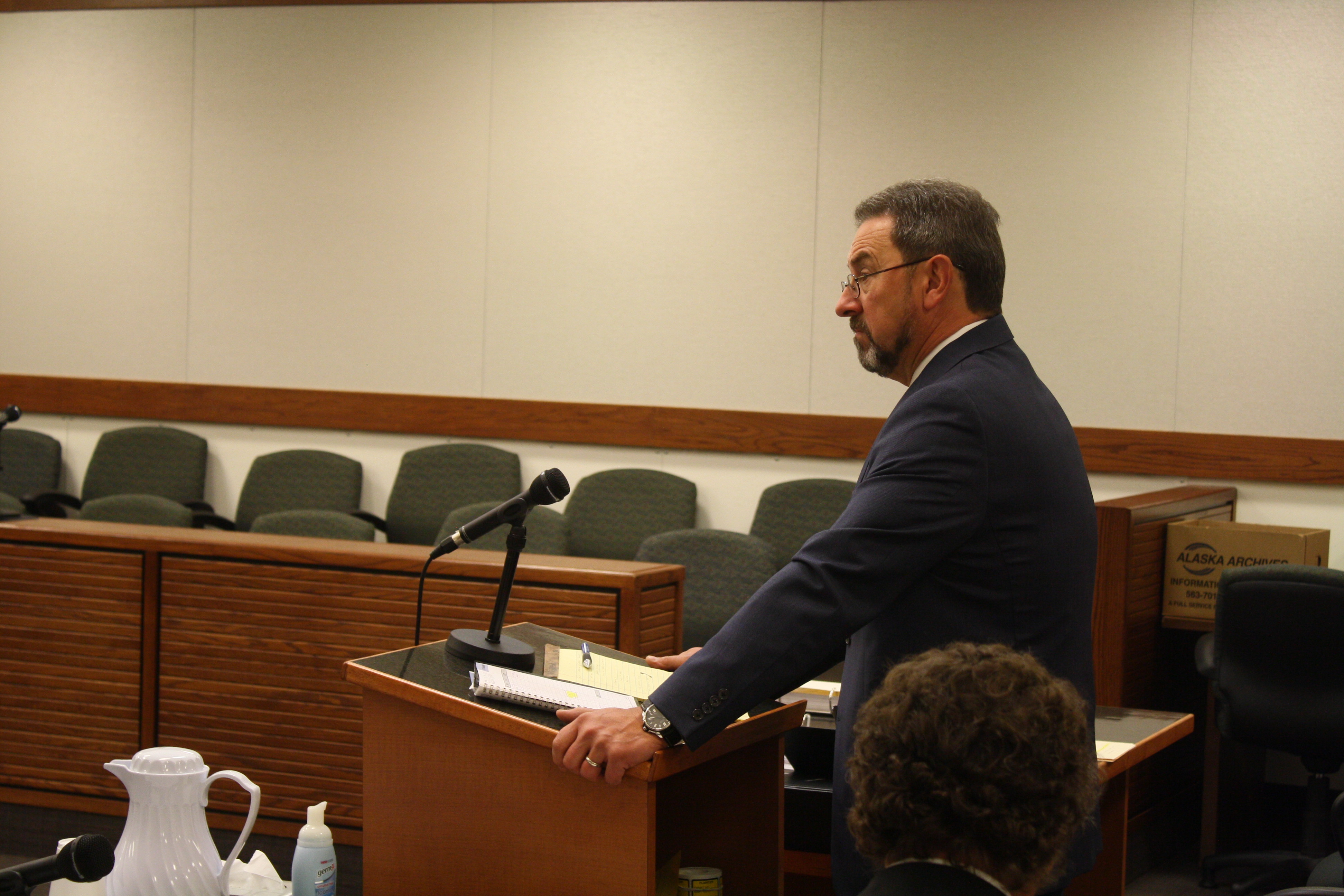
The severance ultimately resulted from concerns raised by Barrett’s defense attorney Craig Howard, who alleged that Alaska State Troopers detained Barrett without proper probable cause.
“They made a big mess here,” Howard said.
Howard filed a motion on Aug. 6 to suppress Barrett’s incriminating statement from an interview he deemed illegal.
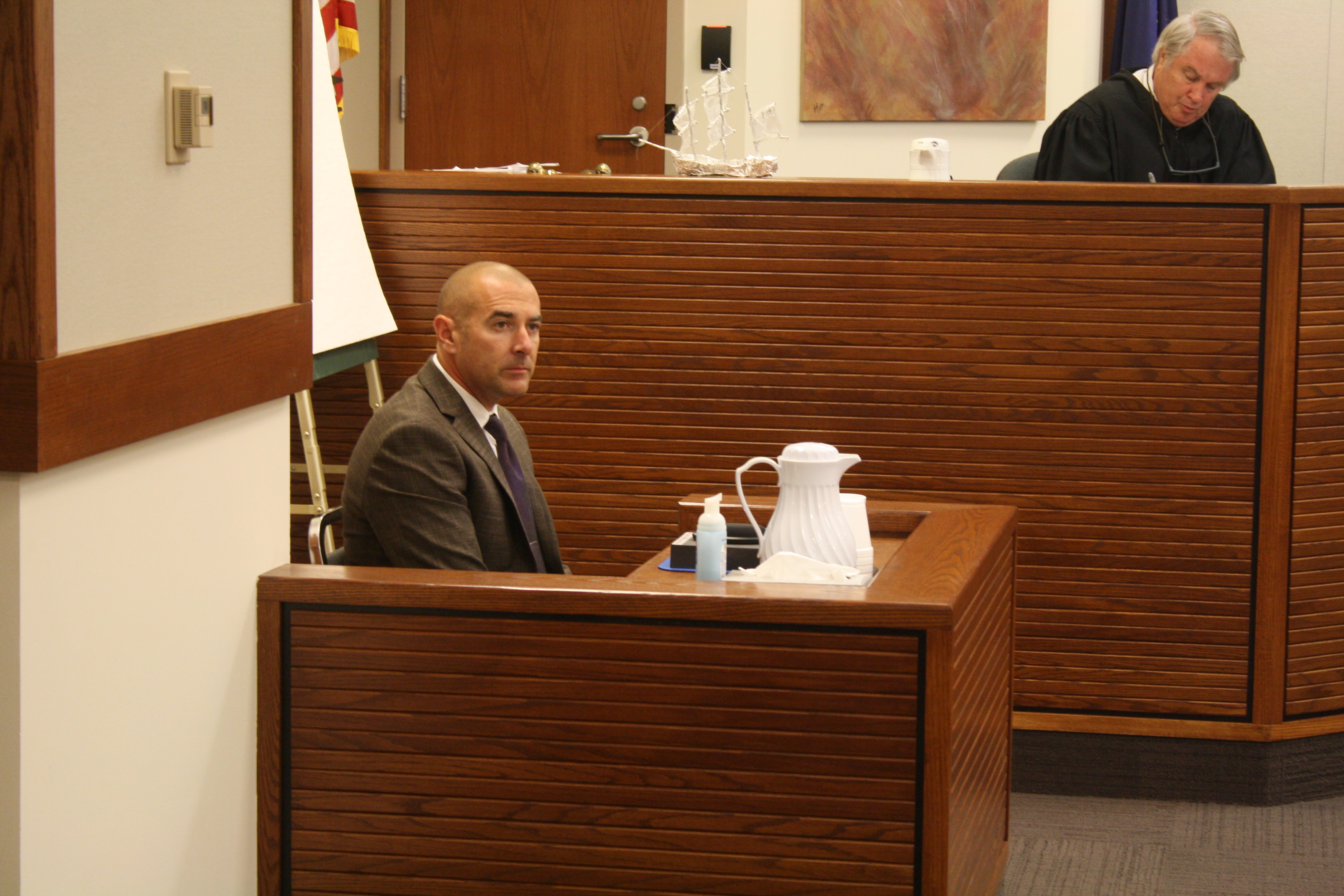
Trooper Mike Ingram coordinated his efforts with Sgt. Tony Wegrzyn during the initial investigations in 2016. Both testified as witnesses during the evidentiary hearing on Thursday.
Grunwald’s frozen body was discovered Dec. 2, 2016, and authorities already had their main suspects lined up, ‘the group’ as Palmer District Attorney Roman Kalytiak calls them.
Ingram met up with Barrett at the Fishhook Food Mart on Dec. 7, 2016. He handcuffed the then 19-year-old and drove him to the Palmer Post. Ingram and Wegrzyn transported Barrett without handcuffs to the Palmer DA office for an interview.
Howard said that Barrett was detained for three hours and was cooperative the entire time. He argued that troopers coerced his client, using deceptive tactics attempting to obtain a statement without formally addressing that Barrett was being detained, implying he was freely offering information.
Howard pointed out that Barrett’s detainment was a day before a grand jury was scheduled to meet at the Palmer Courthouse. He argued that troopers could have gotten an arrest warrant but they took a risk trying to get a statement first.
Kalytiak fired back, saying that Almandinger and the others all placed Barrett at the crime scenes, from the trailer beating, the murder off the Knik River Road and burning of Grunwald’s Ford Bronco. He said that despite all the suspects’ various lies and finger pointing, they all agreed on the same four people being involved.
Kalytiak said that was enough for probable cause, but Howard countered saying that all of the suspects’ testimonies should be considered questionable since they’re from the “criminal milieu.”
Howard called Almandinger a, “sociopath and “psychopath.” He said that none of the four were credible because they all, including his client, were “drugging, drinking, cheating, stealing, whoring punks.”
Kalytiak responded by saying regardless of credibility, the four of them agreed to the basic facts, that Barrett was there and he was one of the four participants.
“No matter how you slice and dice ‘em, call them what you want. Whether they’re kids or psychopaths, they all get the same story at the end, roughly. All they do is minimize their participation,” Kalytiak said.
Barrett and Renfro were scheduled to face trial in Fairbanks, after a decision to change venues to find a more objective jury.
Kalytiak didn’t like the idea of slowing down the trial any further, especially since it was just around the corner. He said the court shouldn’t be considering suppressing a statement two days before trial.
“Judge, we’re on the brink of loading up trucks and boxes and clothes to go to Fairbanks and we’ve got a new motion here at the last second and this is just not the way things should be in murder cases,” Kalytiak said.
Heath pointed out that motions can be filed at any time and he’s obligated by the constitution to evaluate how to proceed.
“The ball’s been rolling for this trial for a while,” Heath said.
Heath asked Howard why he filed the motion so late after being assigned to the case for several years.
“… This motion could have been filed a long time ago. There’s no justification for it,” Heath said.
Howard went into a lengthy diatribe about his massive case load and issues in his personal life, including being a caretaker for his ailing mother.
He said that in January of 2017, the Grunwald case came in while he was dealing with nine other murders around the state. He said that he needed more time to go over the case file and he could be ready by January.
After several hours of deliberation, Heath ultimately granted a continuance and severed the case. He said he would take the issues of probable cause under advisement and review the case log and information presented during the hearing.
Heath said there were prudent issues that could have showed up during trial, causing issues for the court, perhaps even a mistrial.
“This should have been done probably quite a while ago,” Heath said.
The jury selection for Renfro’s trial starts Monday, Aug. 26 in Fairbanks.
Contact Mat-Su Valley Frontiersman reporter Jacob Mann at jacob.mann@frontiersman.com

By Jeremiah Bartz Frontiersman.com A football coach using a hockey reference as the centerpiece for his keynote address may

Frontiersman.com With its headquarters in Wasilla, the Frontiersman has been a primary source of news for the Matanuska-Susitna

By Katie Stavick Frontiersman.com The next generation of leaders took flight this week as the Houston High School Class

By Kyle Wilkinson For the Frontiersman Keynote speaker and Carry the Cure President Bill Pagaran’s words boomed through the