Retiring teacher, coach urges Colony grads to ‘find their 68’
By Jeremiah Bartz Frontiersman.com A football coach using a hockey reference as the centerpiece for his keynote address may


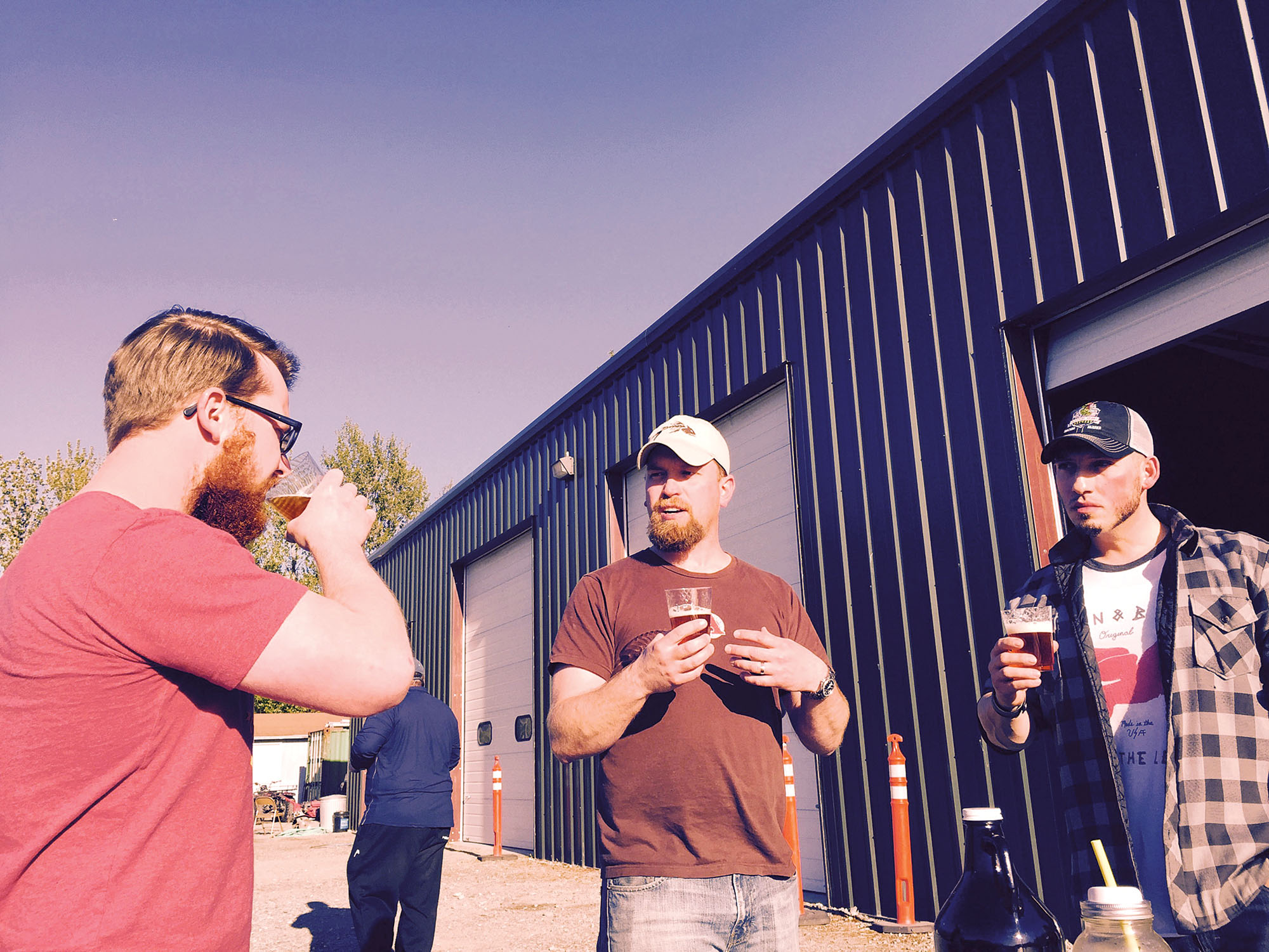
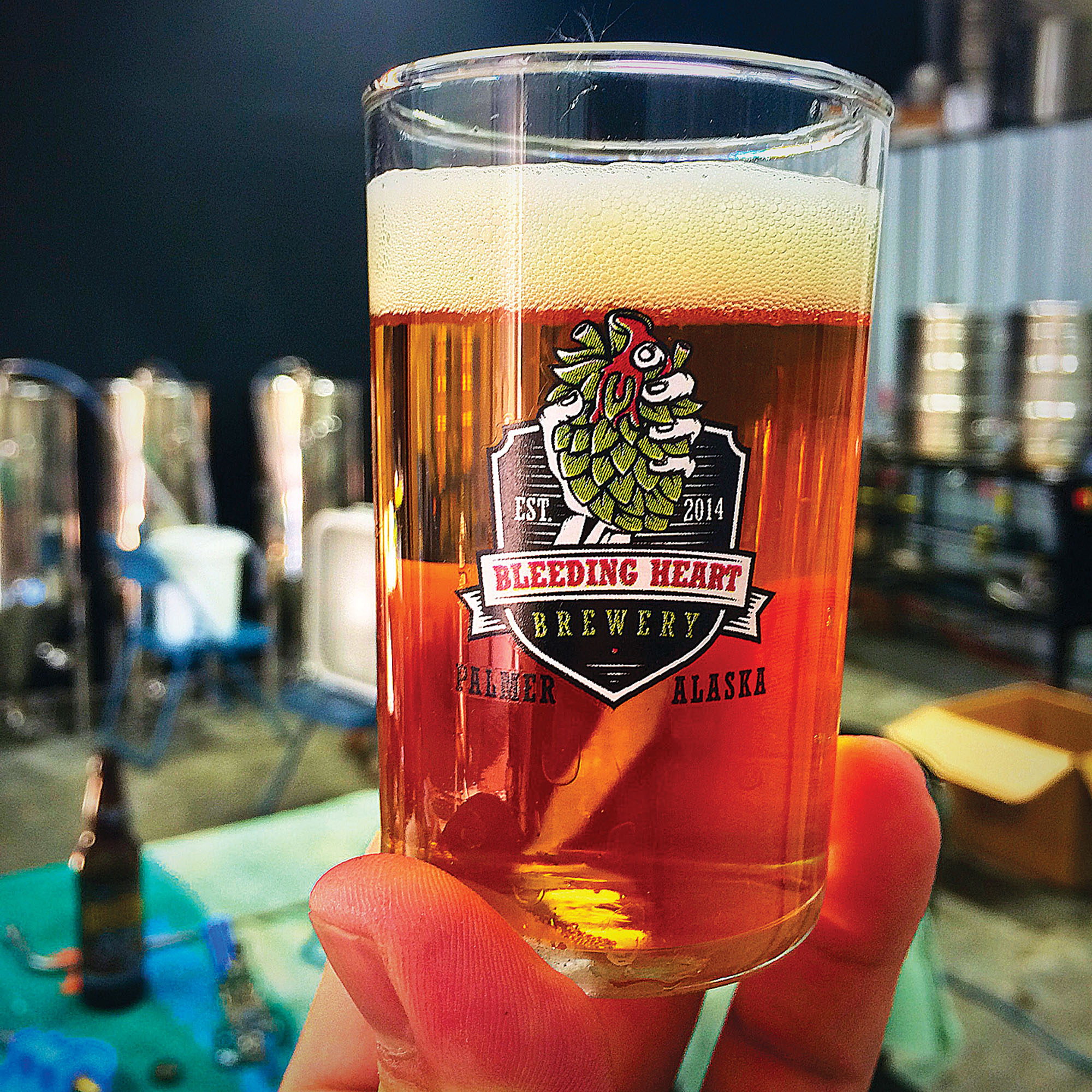
MAT-SU — With two new breweries in the works in the Palmer-Wasilla area, the Valley is shaping up to be a hub for craft beer drinkers.
First was Denali Brewing Company, which started up in Talkeetna in December of 2007. Next came Last Frontier Brewing Company in Wasilla in December 2010, followed by Arkose Brewery in Palmer on Oct. 10, 2011. Now, Bleeding Heart Brewery in Palmer and Bearpaw River Brewing Company in Wasilla are in the final stages of development, preparing to open before the New Year.
Arkose head brewer Stephen Gerteisen said the coming additions are a definite boon to Valley business.
“There’s a whole world of beer out there and no matter how big or popular a brewery is, it can’t cover all styles of beer,” he said.
Gerteisen should know — his experience as a keg washer and an analytical chemist, and his certification by the international Institute of Brewing and Distilling, all point to his knowledge on the subject.
But he also has the heritage. Born in the U.S. but raised in Germany, Gerteisen grew up getting a taste of the European beer scene. Even though he left Germany before he was of drinking age, his family’s love of the region’s world-famous brews made a strong impression.
Stefan Marty, co-founder of Bleeding Heart Brewery — little more than a stone’s throw away from Arkose — has a similar story.
“Beer … has always been a part of my family,” Marty said. “It wasn’t this criminal, ‘be careful it’s beer’ sort of thing.”
Marty was born in Switzerland and came to the U.S. shortly thereafter. But his great grandfather was already in Palmer, having come from Europe as a dairy farmer in the late 1930s. By the time Marty was a teenager, his great grandfather had passed on, but his wine connoisseur grandfather was never far away. Marty grilled his relatives with questions, and when he finally realized at age 20 that he could brew beer in a garage, he was hooked.
It was Mat-Su Career and Technical High School teacher and “Moose: The Movie” star Zack Lanphier who brought Marty into the know with a couple years of home brewing experience to his credit. But “Mr. Clean” Marty didn’t appreciate the fact that Lanphier was roasting hot dogs on the same turkey fryer flame heating the pot full of soon-to-be-beer (though he sort of came around when he agreed to drop a bratwurst directly into the mix for their special “Brat Bock”).
“Brewing is 90 percent sanitation and process,” Marty said.
Then again, what brewing is all depends on one’s perspective.
Bearpaw River head brewer Jake Wade said it’s about an 80/20 balance of science and art (though he claims that naming beers is “one of the more fun things to do” in the business). But the entrepreneurial aspect also excites him, he said, as does working with his three brothers — two physicians (one who’s also a carpenter) and a University of Cambridge literature professor.
All craft brewers seem to agree that there’s a science and art to brewing, but the weight of each aspect varies from brewer to brewer. At Arkose, for example — between Stephen Gerteisen’s scientific background and his wife June’s obvious talent for branding each beer with her artwork — it would probably be more like 50/50.
While these things set craft breweries apart from big-name beer brands like Budweiser and Heineken, there’s a cultural difference as well — a difference highlighted by the setting in which craft brews are most often sought out.
“We want to be a community brewery,” Wade said. “We wanna create a pleasant and enjoyable atmosphere. We don’t wanna be a bar.”
Not that bars are bad or anti-microbreweries — establishments like the Palmer Alehouse and Palmer Bar (among others) often keep at least one craft brew on tap, Wade said. But visiting breweries is a separate experience from bar hopping.
Erik Christensen — State Farm agent by day, motorcycle builder and craft beer sampler by night — said the microbrewery scene is, first of all, “a little more personal.” Second, the men and women behind the taps tend to be more knowledgeable about their beers in general.
“You can actually talk to someone who knows what they’re talking about,” Christensen said.
But it takes more than a certain atmosphere, he said, for a craft brewery to be successful. As a small business owner himself, Christensen is confident that putting the product in front of people in various environments — on tap at outside bars and restaurants, in bottles at commercial stores — is just as important.
“You could have the best beer on the planet but if nobody knows about it, it doesn’t mean (anything),” he said.
So if places like Bearpaw and Bleeding Heart want to stay in the business, taking some advice from establishments like Denali Brewing Co. would be a good idea.
“Denali is killing it,” Christen said. “They’ve got the atmosphere and a cute little brewery but they could be stuck in Talkeetna,” if not for their marketing strategies.
But knowing your audience — really knowing them, like by name — seems to be the key ingredient for the survival and cultivation of microbreweries in the Mat-Su.
“It’s not the name and it’s not how many likes you’ve got on Facebook. That’s empty,” Christensen said. “You gotta have relationships.”
Contact Frontiersman reporter Caitlin Skvorc at 352-2266.

By Jeremiah Bartz Frontiersman.com A football coach using a hockey reference as the centerpiece for his keynote address may

Frontiersman.com With its headquarters in Wasilla, the Frontiersman has been a primary source of news for the Matanuska-Susitna

By Katie Stavick Frontiersman.com The next generation of leaders took flight this week as the Houston High School Class

By Kyle Wilkinson For the Frontiersman Keynote speaker and Carry the Cure President Bill Pagaran’s words boomed through the