Retiring teacher, coach urges Colony grads to ‘find their 68’
By Jeremiah Bartz Frontiersman.com A football coach using a hockey reference as the centerpiece for his keynote address may


PALMER — If everything at VanderWeele Farms goes according to plan, the underground river of carrots should dry up by about April.
This year’s harvest yielded about 450 tons, according to Roger VanderWeele. Given a Carrs shelf price of 99 cents per pound, works out to about $891,000, based on shelf prices at local outlets. However, recouping a living from the carrots is dependant at least in part on completing this year’s harvest and bagging operation and getting the carrots to local supermarket shelves before this year’s harvest interferes with planting next year’s crop in the spring.
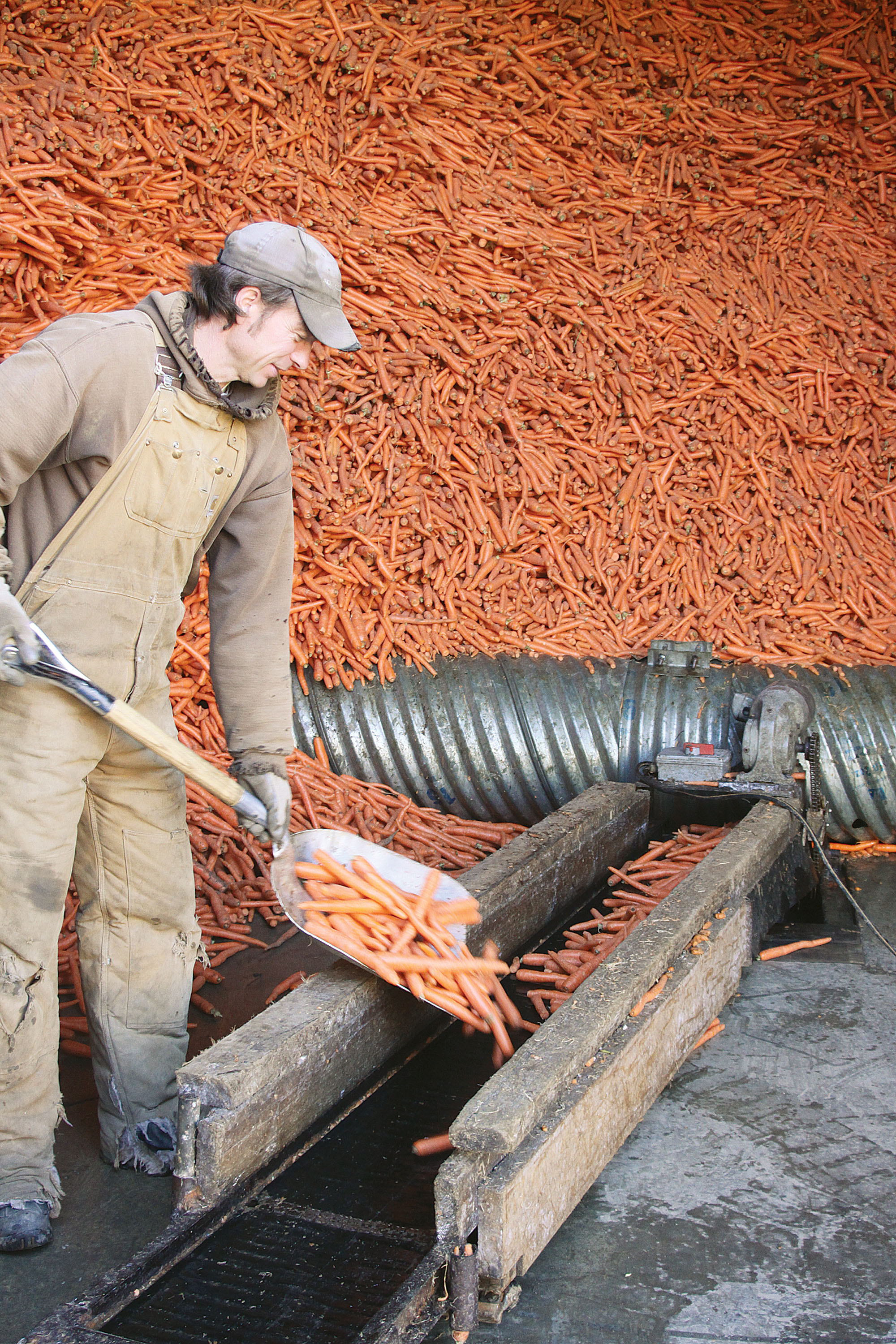
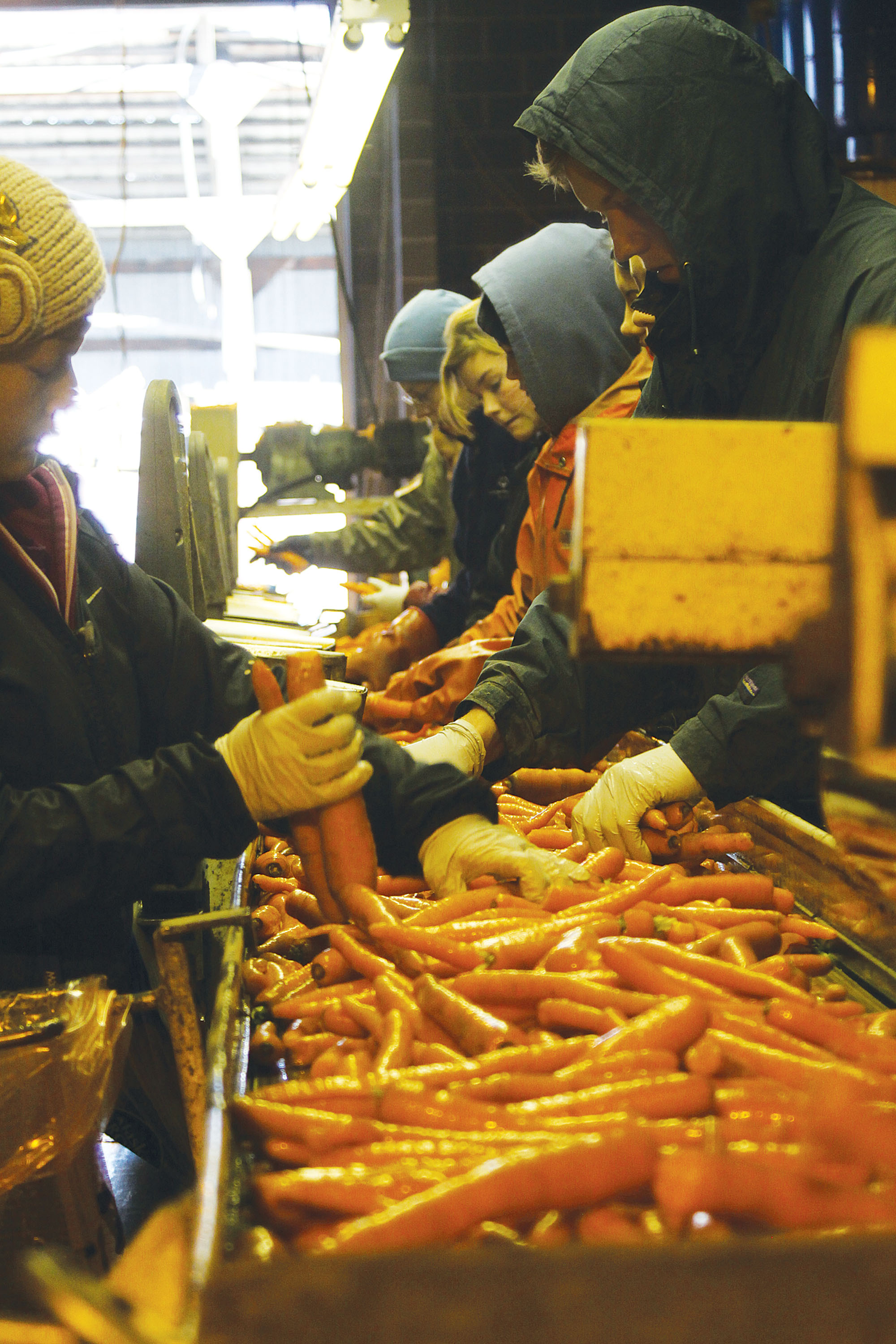
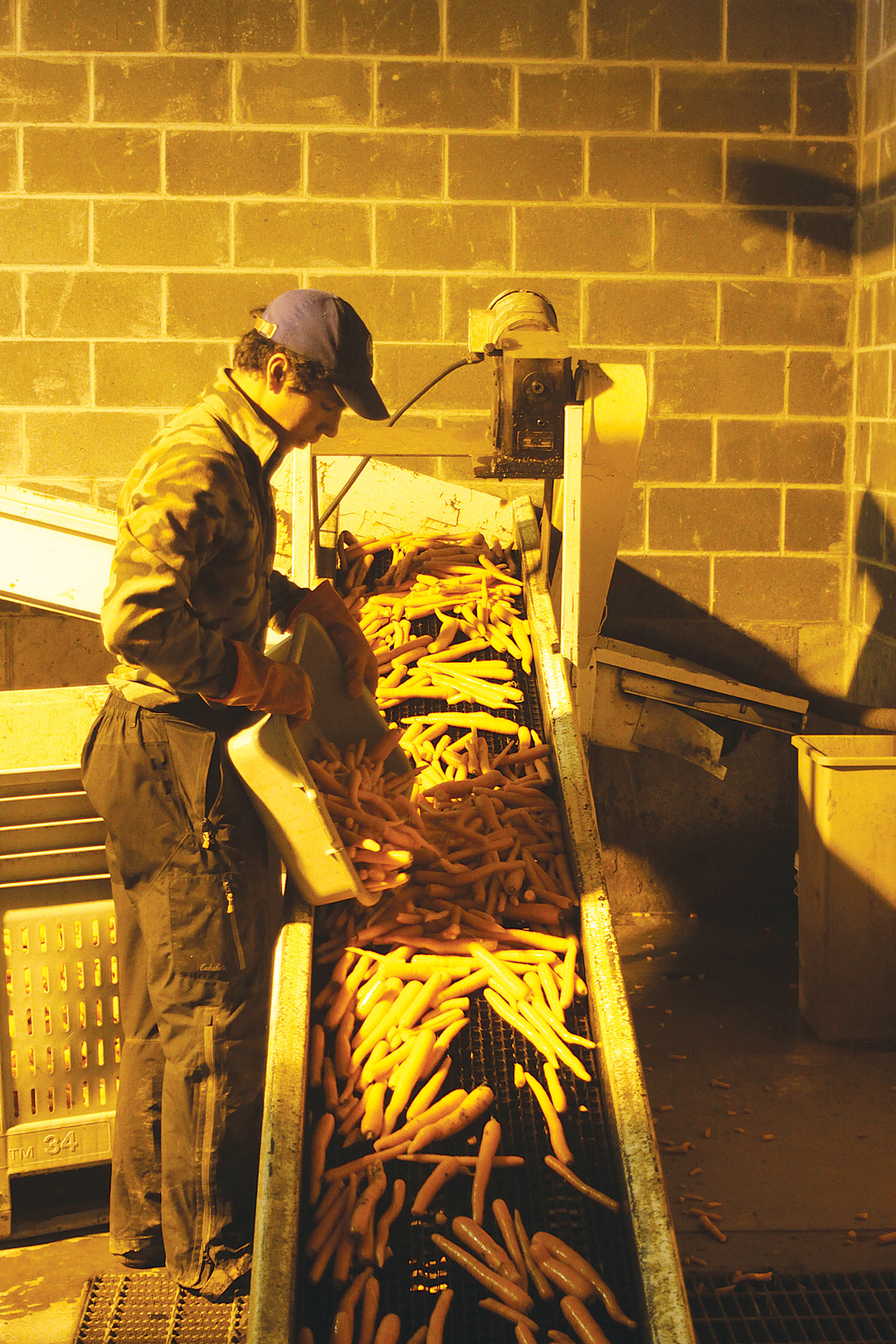
That’s where the river comes in. Carrots stored in a 100-foot by 30-foot temperature- and humidity-controlled warehouse float under a partition separating the bagging assembly line from storage. The carrots climb out of the river on a conveyor belt, pass through a circular washing mechanism, then thud onto a conveyor belt, where part-time workers weigh out bags on scales, tie them off, and place them on wooden pallets.
“We just want to be through them by April,” VanderWeele said. “We used to have them longer than that and it gets expensive to keep them because it starts warming up outside and we need to keep ’em cold and then the quality goes down and we’re very busy.”
Roger VanderWeele’s low-key, technologically sophisticated style can sometimes clash with his father Ben’s traditional methods, brought along from Ben’s native Netherlands. For example, Roger uses a desktop computer to monitor and change conditions in the storage shed through the winter and fall months. He’s hoping the control system’s manufacturer will eventually develop a cell phone application, allowing him to control storage conditions from winter vacations in warmer climates, and the VanderWeeles want to retrofit their potato storage — potatoes are their main crop — to match the carrot storage.
“It’s the way to go,” Roger said. “My father’s more traditional. It’s more like, ‘in this weather, I stick this size rock in the door, and in this weather, I like to put this size rock in the door and put the fan on.’”
Some other farms in the Valley still employ traditional hand-harvesting with plastic buckets, VanderWeele said. He says carrots picked that way are just as good as his, which are harvested by machine these days.
Cold Alaska winters mean potentially lower costs for cooling the vegetables to preserve them. They also change the carrot’s flavor. In colder temperatures, root vegetables tend to store more energy in the form of sugars as opposed to starches, meaning Alaskan carrots, typically harvested in the last week of September, are sweeter than their Lower 48 relatives, which can sometimes be harvested throughout the winter, according to Roger.
“Up here, it gets too cold, so we’ll put ‘em in storage,” he said. “They’re still, man, I swear, even after they come out of storage, they’re still better than anything that comes up from the states.”
The number of orange-colored vegetables might seem enormous (the rooty-sweet smell of millions of carrots hovered around the exterior of the storage building). However, 450 tons is neither the largest harvest nor the smallest harvest VanderWeele has seen in his time working on the farm, they’ve never managed to completely fill the 500-ton capacity of the storage, and the goal is to grow enough carrots to meet demand from Carrs, Fred Meyer, and other local grocery stores.
In U.S. Department of Agriculture Statistics from between 2001 and 2008, the most recent available, according to state officials, total carrot production averaged about 804 tons per year. The highest recorded year during that period was 2005, when Valley farmers harvested 1,000 tons of carrots. Based on the Agricultural Marketing Resource Center-provided 2012 price, Valley carrots were worth an average of about $420,000 per year. Nationwide figures provided by the AMRC show more than 300,000 tons of carrots were harvested in the United States in 2012.
For Roger, the most important part of carrot farming might be impossible to put into a number.
“I really think it’s just because they’re grown up here,” he said. “We’ll grow some of the same varieties they grow other places, and they taste better up here.”
Contact Brian O’Connor at 352-2269 or brian.oconnor@frontiersman.com.

By Barbara Hunt Palmer Buzz It was 6:43 on Friday morning and the Plant Owner was sound asleep when

By Kyle Wilkinson Frontiersman Memorial Day Weekend was filled with a variety of events in Willow. From live music to

By Kyle Wilkinson For the Frontiersman The Susitna Valley Emergency Preparedness Fair will be held at the Willow Community Center

By Barbara Hunt Palmer Buzz Green-Up happened at exactly 9:34 am on Saturday morning in Palmer. This was