Retiring teacher, coach urges Colony grads to ‘find their 68’
By Jeremiah Bartz Frontiersman.com A football coach using a hockey reference as the centerpiece for his keynote address may


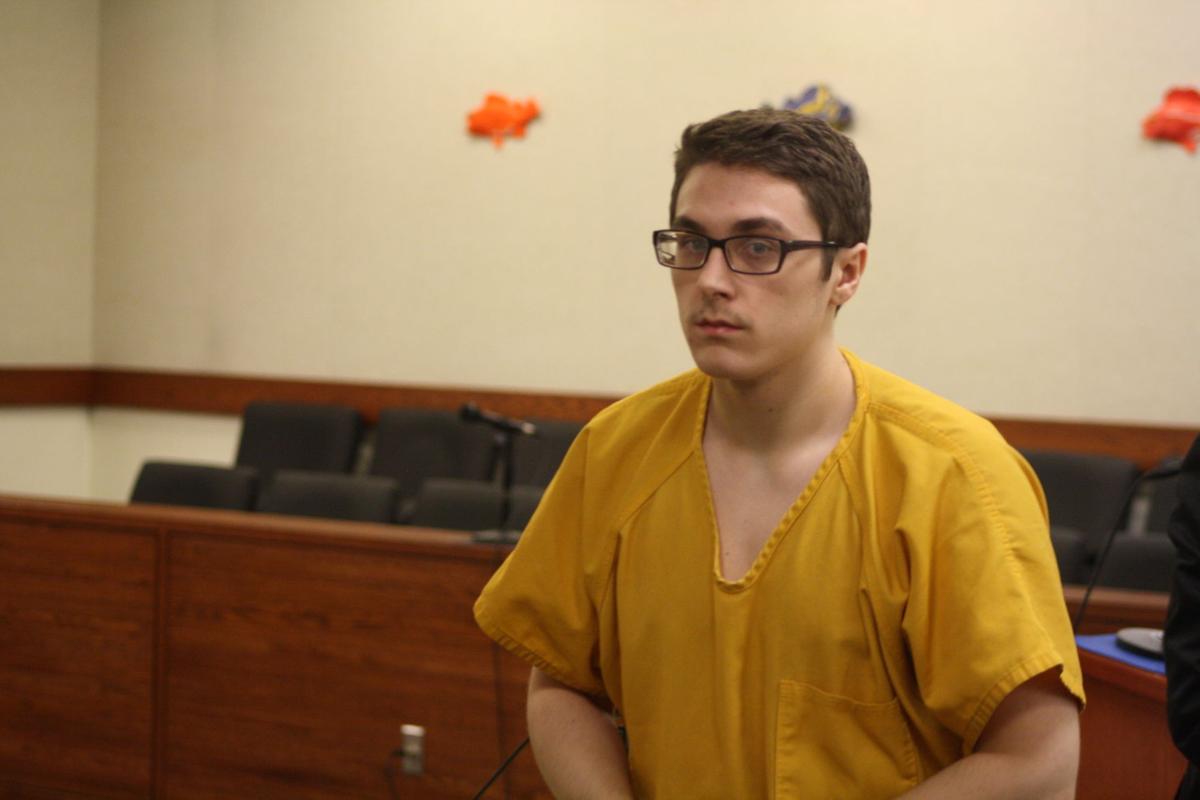
PALMER — During the third day of testimony of Austin Barrett’s evidentiary hearing, Barrett’s defense attorney, Craig Howard, argued against the way Alaska State Troopers conducted their initial interview with Barrett prior to his grand jury indictment for the assault, kidnapping and murder of 16-year-old David Grunwald in November of 2016.
Barrett is the last of the four in the Grunwald case to face trial. Erick Almandinger, Bradley Renfro and Dominic Johnson were all found guilty for murder, kidnapping, assault, and evidence tampering.
Howard pressed Lt. Mike Ingram and lead investigator for the Grunwald case, Sgt. Tony Wegrzyn, as they took the witness stand Tuesday, Dec. 17 at the Palmer Courthouse.
Howard’s cross examination followed two days of testimony from Ingram and Wegrzyn when Palmer District Attorney Roman Kalytiak reviewed the December of 2016 interview with Barrett at the Palmer Post and follow up interview at the DA office.
Ingram was one of two troopers that detained Barrett at the Fishhook Foodmart in December of 2016, following Grunwald’s disappearance and Almandinger’s arrest. Ingram escorted Barrett in handcuffs to the Palmer Post for questioning.
Ingram and Wegrzyn questioned Barrett regarding his involvement with Grunwald’s disappearance and subsequent murder Nov. 13, 2016.
“I’m gonna’ tell you right now, no matter what you tell me here today, you’re going to leave on your own. In fact, depending on how this goes, I wouldn’t mind giving you a ride to wherever you need to go after this,” Wegrzyn told Barrett in the recorded interview.
Wegrzyn told Barrett despite the fact he was leaving afterwards, he still needed to read him his Miranda rights before they could continue the interview.
“Before he does,” Ingram said to Barrett in the audio. “This is it. This is your time. This opportunity is once.”
Barrett was the last of the main suspects brought in for questioning. His interview occurred days after fellow Johnson helped troopers locate Grunwald’s body off Knik River Road on Dec. 2, 2016.
“Because you already know we know that we know everything, but I’m going to tell you your Miranda rights because I kind of have to,” Wegrzyn told Barrett in the audio.
Wegrzyn read Barrett his rights then proceeded to ask him about his participation regarding Grunwald’s disappearance.
“I know you were there,” Wegrzyn said in the audio.
Barrett attempted to deny being present during the course of events that lead to Grunwald’s death Nov. 13, 2016.
“I’ve already talked to everybody else. You’re literally the last person to talk,” Wegrzyn said. “The question is why and how did you get involved?”
Barrett told Wegrzyn that he would rather wait to talk during the grand jury hearing the following day.
Howard went over the interview transcripts as he questioned Ingram and Wegrzyn, questioning their “techniques” and conduct during the interview. He asked Ingram why they didn’t tell Barrett no matter what he said that day, he’d be to walk away after they read the Miranda rights instead of doing it before. He said they “botched” Barrett’s Miranda rights.
“Why don’t you do it after the waver?” Howard asked Ingram. “Why do it afterwards?”
Throughout Barrett’s interview, he said that he wanted to “plea the fifth” referring to the Fifth Amendment which protects citizens from being held for committing a crime unless they’ve been indicted correctly by the authorities.
Barrett told troopers that he wanted to plea the Fifth Amendment so he could decline speaking further but he also continued to engage them during the interview.
Howard claimed that Wegrzyn and Ingram did not inform Barrett when he was no longer in legal custody and didn’t make it clear he could leave at any time.
“It’s your duty to make it clear… That’s not his duty, it’s yours,” Howard said. “You blew it here.”
Howard argued that Barrett indicated that he wanted to leave several times.
“He says, ‘I just want to go home,’” Howard said.
“And you don’t tell him that he’s free to go correct?” Howard asked Ingram.
“Correct,” Ingram said.
“Because you don’t want him leaving because you still think you’re going to get a story out of him,” Howard said.
Towards the end of the first interview at the Palmer Post, Troopers asked Barrett if he would like to speak with Kalytiak to ask legal questions and maybe work out some sort of deal at the DA office.
Ingram said that he transported Barrett to the DA office in an unmarked vehicle. Before getting in the vehicle, Barrett asked Troopers if he needed to be handcuffed again for the trip.
“That would seem to me to be a perfect opportunity to say at that point to say, “no, look, you’re out of custody. You can go. You don’t have to go down there. You can walk out the door… You decided not to handcuff him but you escorted him out to your car.”
Kalytiak was present during the second interview at the DA office with Barrett, Ingram, and Wegrzyn. He fired back with several objections as Howard questioned Ingram and Wegrzyn.
Howard returned the favor when it was Kalytiak’s turn to question Ingram and Wegrzyn again for his cross examination.
By the end of the hearing, Howard expressed interest in questioning Kalytiak on the stand regarding his involvement with Barrett’s second interview at his office. Kalytiak said that he didn’t have any reservations to taking the stand.
“I think most of it’s on the tape anyway,” Kalytiak said.
Heath set the next evidentiary hearing to pick up where they left off Thursday, Dec. 19.
Contact Mat-Su Valley Frontiersman reporter Jacob Mann at jacob.mann@frontiersman.com

By Jeremiah Bartz Frontiersman.com A football coach using a hockey reference as the centerpiece for his keynote address may

Frontiersman.com With its headquarters in Wasilla, the Frontiersman has been a primary source of news for the Matanuska-Susitna

By Katie Stavick Frontiersman.com The next generation of leaders took flight this week as the Houston High School Class

By Kyle Wilkinson For the Frontiersman Keynote speaker and Carry the Cure President Bill Pagaran’s words boomed through the