Retiring teacher, coach urges Colony grads to ‘find their 68’
By Jeremiah Bartz Frontiersman.com A football coach using a hockey reference as the centerpiece for his keynote address may


As part of the COVID-19 response, three Army programs — the Army Rapid Equipping Force, Program Executive Office Soldier and the C5ISR Center of U.S. Army Combat Capabilities Development Command — led the initiative to use thermal imaging devices to screen for elevated body temperatures among personnel entering military facilities.
These stand-off thermal imaging capabilities provide significant advantages over hand-held thermometers because there’s a safe distance between the operators and subjects and they require less manpower. The technology, which does not require physical contact, processes information quickly. The result is a faster flow of traffic into buildings and facilities. Screening only takes a few seconds. Temperatures can be measured at a distance of 6 to 8 feet and uses an infrared sensor mounted on a tripod.
Thermal imaging has proven itself in other applications, as well. DOD firefighters employ thermal imaging cameras, which can see through smoke, to detect fire hot spots so they know where to aim water or foam. The cameras also help firefighters see what areas to avoid as they navigate through zero visibility conditions caused by smoke. The cameras also can locate people who are trapped in a fire.
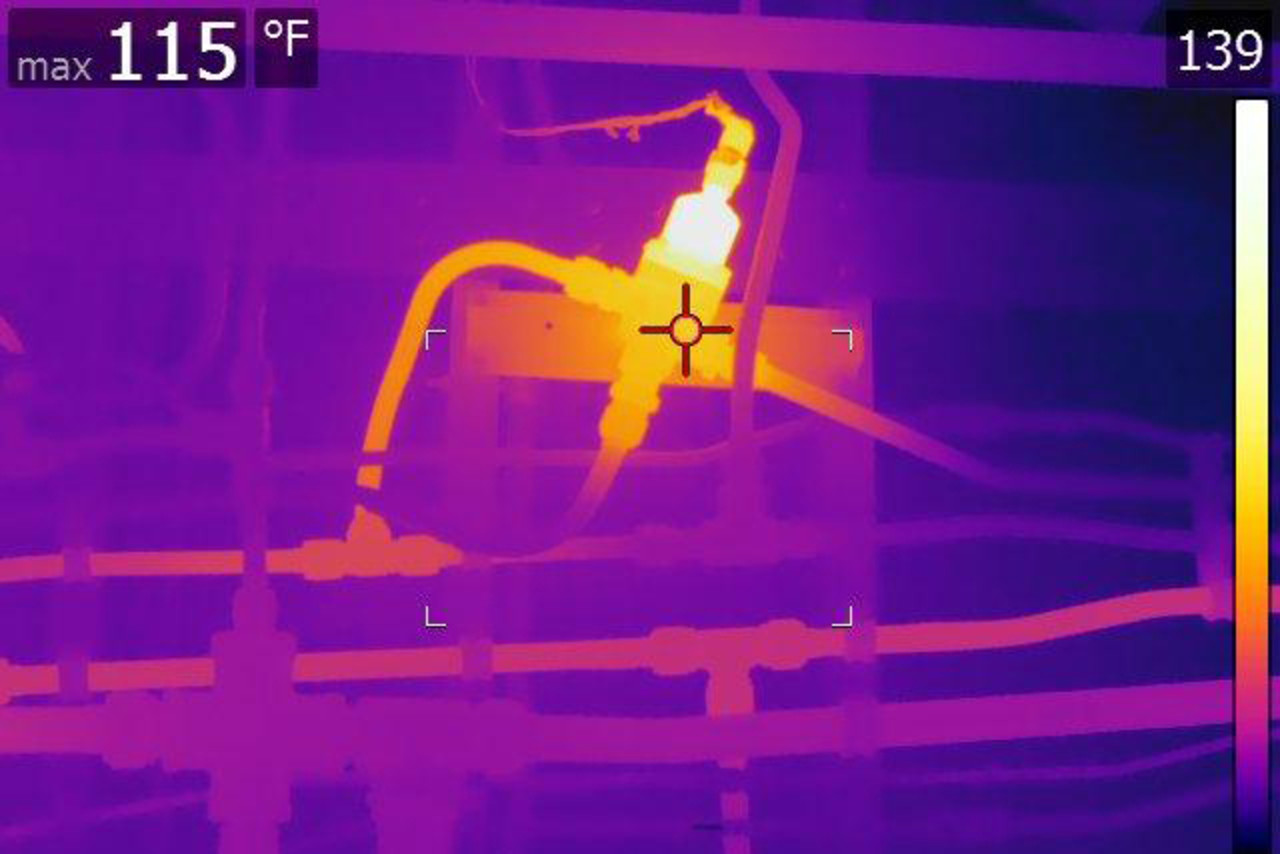
DOD’s aircraft and vehicle mechanics sometimes use thermal imaging to detect faulty mechanical or electrical parts without having to tear the engines apart. Normal operating temperatures are compared with the thermal images to determine if something is amiss.
The U.S. military and allies use the AN/PVS-14 monocular night vision device to detect people and objects that give off heat signatures in the dark. The device can also be affixed to weapons for night targeting.
In January, Marines at Marine Corps Base Quantico, Virginia, began testing the squad binocular night vision goggle, which is said to be more capable than the AN/PVS-14, because it enhances depth perception and improves the clarity of targets in extreme darkness or battlefield obscurants. Marines can also use the goggles to operate vehicles at night, move through dark buildings or tunnels and engage targets after sunset. The goggles are now being manufactured in limited quantities for further testing.
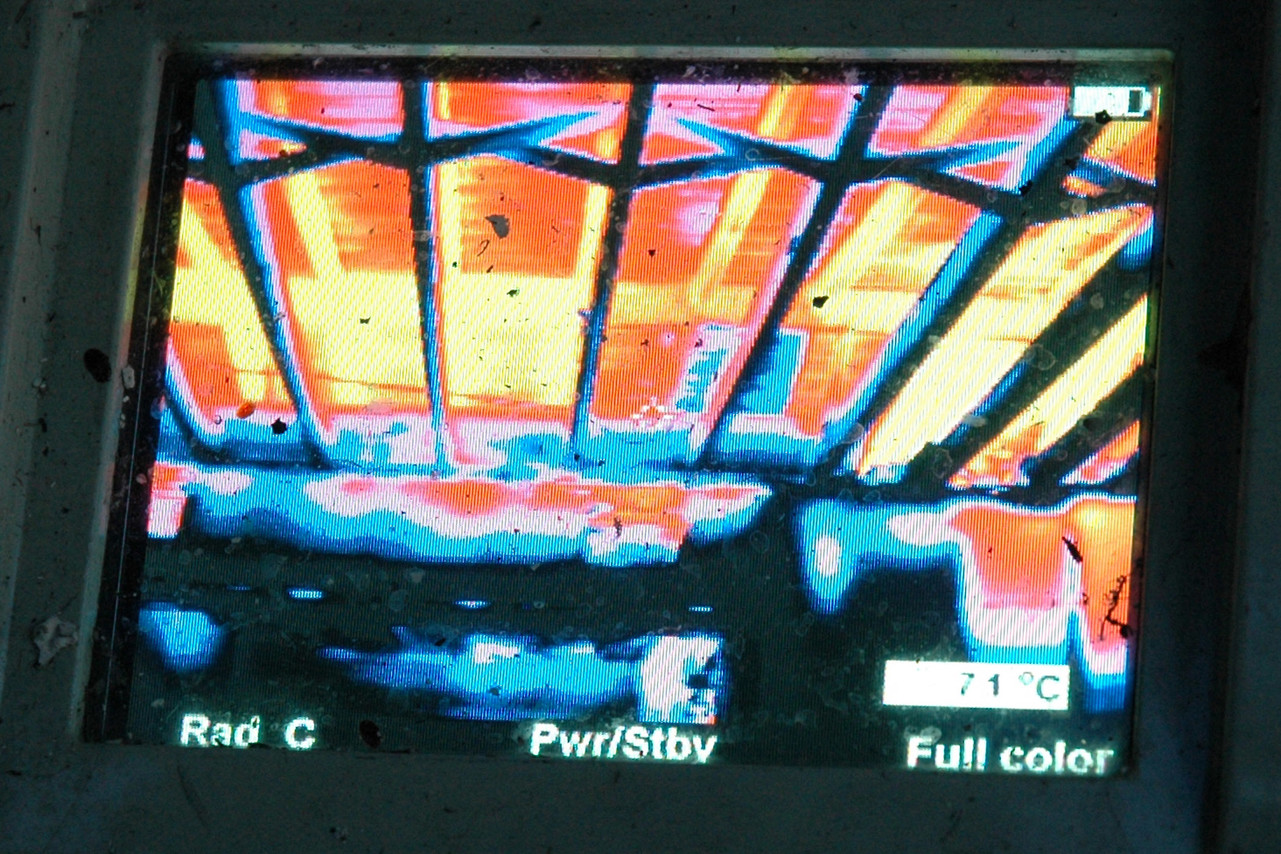
Another way the department uses thermal imaging is to detect heat loss, structural defects, moisture and other faults in buildings.
The Coast Guard uses thermal imagery to locate smugglers or terrorists in ports and waterways. The images are high quality in all types of weather and in complete darkness.

By Jeremiah Bartz Frontiersman.com A football coach using a hockey reference as the centerpiece for his keynote address may

Frontiersman.com With its headquarters in Wasilla, the Frontiersman has been a primary source of news for the Matanuska-Susitna

By Katie Stavick Frontiersman.com The next generation of leaders took flight this week as the Houston High School Class

By Kyle Wilkinson For the Frontiersman Keynote speaker and Carry the Cure President Bill Pagaran’s words boomed through the