Retiring teacher, coach urges Colony grads to ‘find their 68’
By Jeremiah Bartz Frontiersman.com A football coach using a hockey reference as the centerpiece for his keynote address may


HATCHER PASS — Delbert and Jackie Simineo are King Makers.
Residents of Alaska since 1996, Delbert and Jackie Simineo own Northern Lights Elk Ranch in the Hatcher Pass area. What is unique about the 315-acre farm is that tributaries of the Little Susitna River (Little Su) runs right through it. The Little Su is home to all five species of Alaska salmon — king, coho, sockeye, chum and pink — as well as Dolly Varden and rainbow trout, making it an important river for many Mat-Su families hungry to fill their freezers with fish every summer.
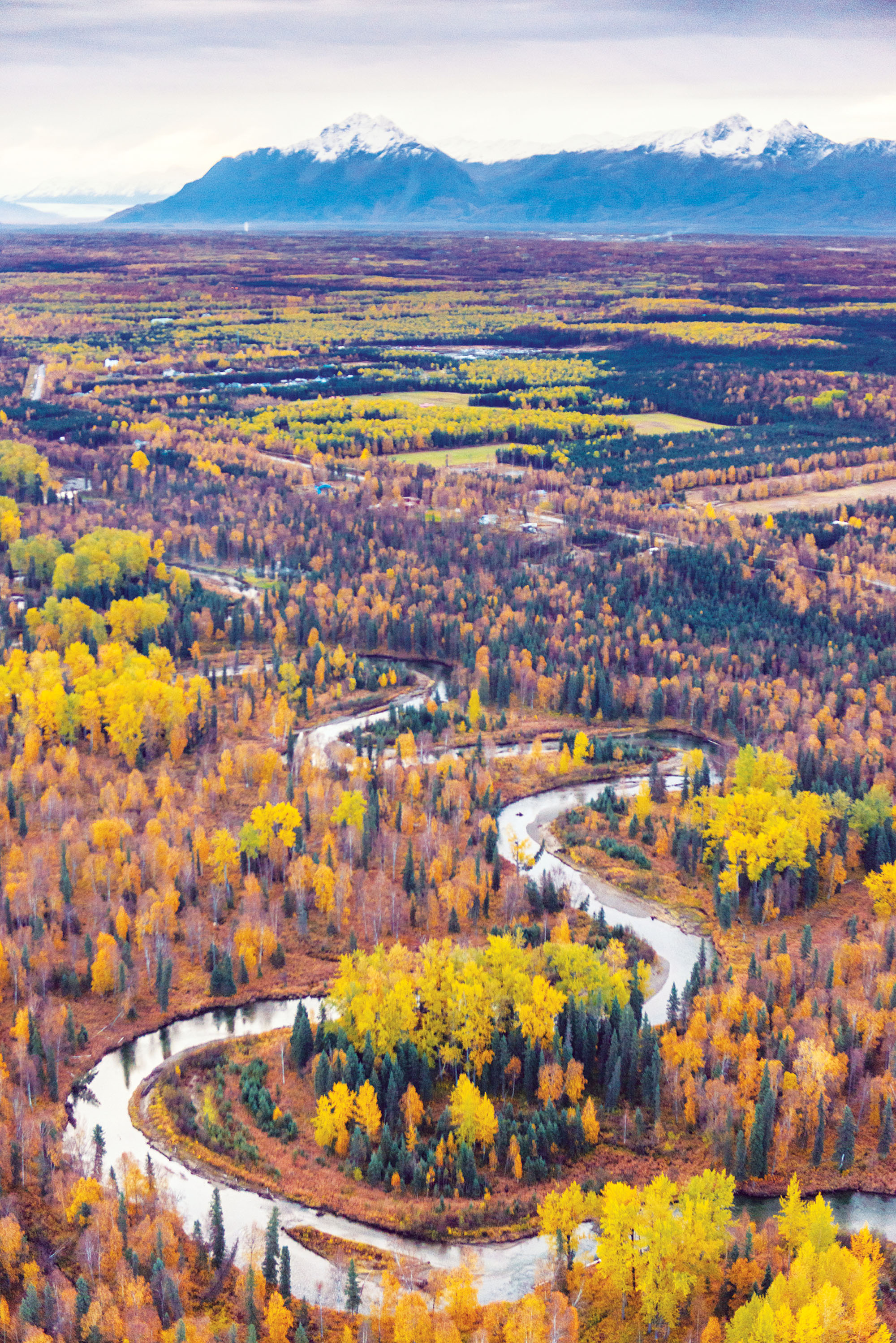
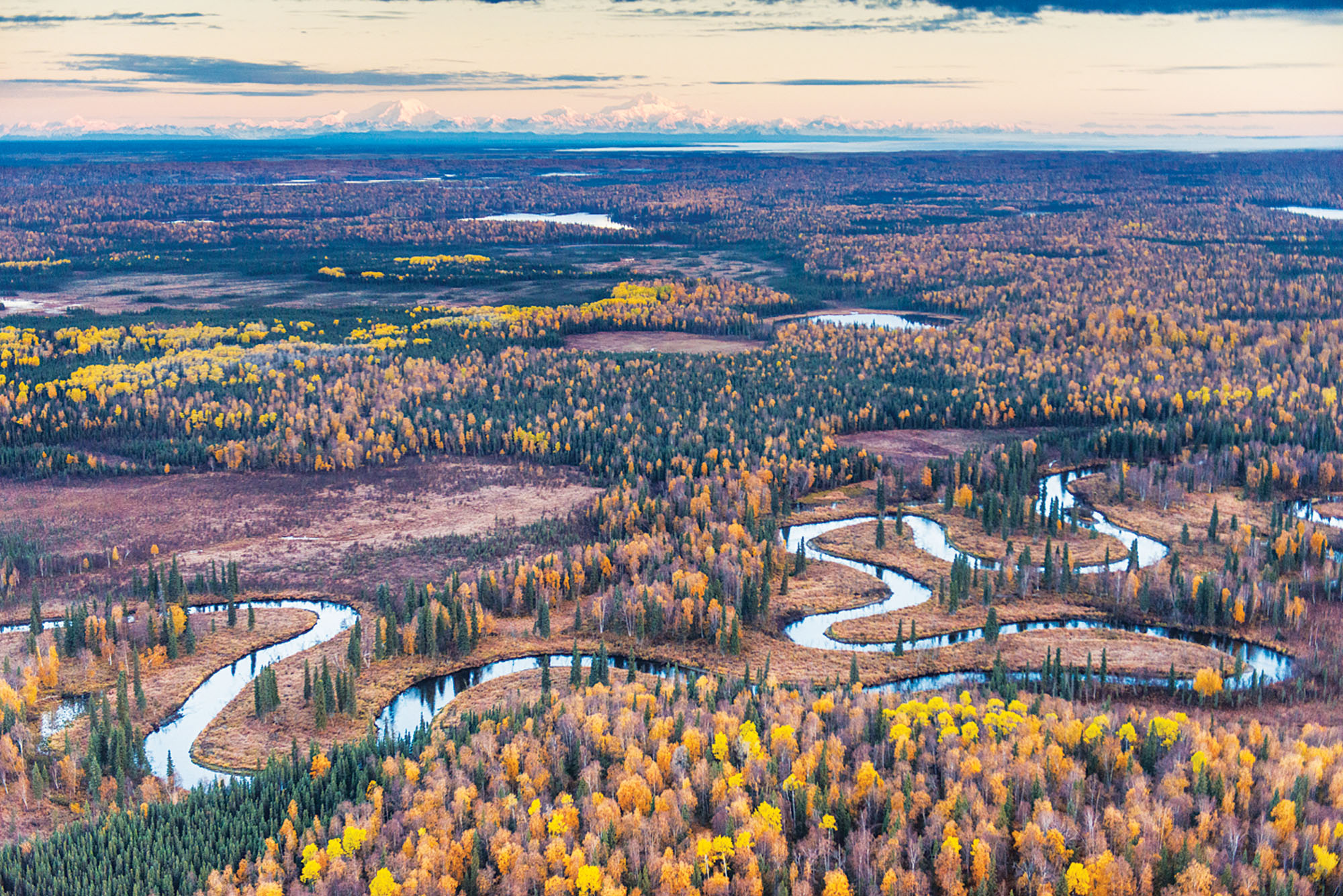
The headwaters of the Little Su is in Hatcher Pass. As it flows down toward the valley floor, meltwater from Mint Glacier, along with Archangel Creek, Fishhook Creek, Government Creek, Nurse Creek, Mary Creek, Swiftwater Creek and numerous other unnamed streams, join the Little Su. The river meanders through the communities of Fishhook, Wasilla, Meadow Lakes, Houston, Knik and Point McKenzie before emptying into Knik Arm. The Little Su is roughly 110 miles long and supports salmon at all life stages.
The Simineos’ ranch is located in the upper reaches of the river and offers critical spawning habitat and juvenile rearing habitat. Shortly after purchasing the property, Delbert Simineo set to work on restoring and protecting all of the shoreline on his new property. He understood the value of caring for fish habitat so that salmon on and around his property could thrive.
“Protecting and restoring the shoreline along salmon streams is good for the stream, the fish, and everything else downstream, like the economy and soil,” Simineo said.
Delbert started his restoration efforts by building an 8-foot high-tensile fence that stretches over seven miles. He built this fence to ensure his elk herd didn’t wander completely away from the property and could not trample the shoreline or disturb the sensitive spawning grounds along the river and its smaller streams.
Next, Delbert removed three undersized culverts and replaced two of them with much larger ones. He recognized that the smaller culverts were roadblocks to fish passage.
When salmon hatch from their eggs, they are less than an inch long and almost always leave their spawning grounds to find better rearing habitat. The salmon fry often travel many miles, and throughout multiple watersheds to find this special habitat. The Simineos’ new salmon-friendly culverts restored the connection to many miles of upstream wintering habitat for young salmon.
According to Delbert, prior to the installment of the new culverts, this area of the creek “was essentially a watery mud hole.”
“The previous owner had done some clearing, but every time you drove through the creek it would just destroy it more and more,” he said.
Blocked passage due to perched or undersized culverts is one of the biggest problems our salmon populations face in the Mat-Su, but it’s also something that individuals can help fix.
In addition to the fencing and culvert replacements, the Simineos welcomed more than 200 Teeland Middle School students to their farm a few years ago to learn about salmon, habitat restoration and water quality. The students planted willow shrubs along the shoreline near the new culverts, sampled for aquatic insects in the river, and learned how elk farming and salmon can successfully coexist.
While Delbert and Jackie had some support from The Nature Conservancy and the U.S. Fish and Wildlife Service to implement the salmon habitat restoration projects on their land, they also spent some of their own money to that end. Replacing culverts, for example, can be very expensive, but the Simineos were willing to add much more than their two cents to the cause. By investing not only some of their financial resources but also their time and physical labor, they were able to make a significant impact on the future of Alaska’s salmon.
Great Land Trust recognizes Del and Jackie as King Makers for all they have done to improve salmon habitat on their property. The restoration projects the Simineos have implemented on their land have already had a positive effect on salmon populations in the Little Su. The stream with the new culvert now sees a strong silver salmon run every year between September and October.
Kim Sollien is the Mat-Su Program Director at Great Land Trust. To learn more about the King Makers campaign, contact her at 746-6406 or ksollien@greatlandtrust.org.

By Barbara Hunt Palmer Buzz It was 6:43 on Friday morning and the Plant Owner was sound asleep when

By Kyle Wilkinson Frontiersman Memorial Day Weekend was filled with a variety of events in Willow. From live music to

By Kyle Wilkinson For the Frontiersman The Susitna Valley Emergency Preparedness Fair will be held at the Willow Community Center

By Barbara Hunt Palmer Buzz Green-Up happened at exactly 9:34 am on Saturday morning in Palmer. This was