Retiring teacher, coach urges Colony grads to ‘find their 68’
By Jeremiah Bartz Frontiersman.com A football coach using a hockey reference as the centerpiece for his keynote address may


KNIK — While nearly every Alaskan knows Joe Redington Sr. was instrumental in establishing the Iditarod Trail Sled Dog Race, far fewer know the Father of the Iditarod also could be considered the “Father of Fat Tire Cycling.”
He’s why a dozen adventurers queued in front of the Knik Museum at noon, Friday headed down the trail in this year’s running of the Iditasport 200. A second group also left on a 100-kilometer race Saturday from the museum.
Iditasport Race Director Billy Koitzsch said it was Redington who coordinated the first human powered event on the historic Iditarod Trail in 1983. He called the race Iditaski and the following year he added a snowshoe division.
A bike race on the trail — called Iditabike — was added a few years later after Redington challenged the Arctic Bicycle Club of Anchorage in 1987 to stage a 200-mile race on the trail from Knik to Skwentna. The various Idita-events were eventually combined into a single Iditasport race in 1991.
Between 1983 and 2001, the Iditarod Trail was home to several human-powered events, Koitzsch said. Over the years, though, many of those races faded into history, he said, until mostly longer endurance contests remained.
That’s why Koitzsch said he and wife Erica decided to bring back the Iditasport this race season after its 12-year hiatus.
Koitzsch has a long history in adventure sports, specifically human-powered endurance racing.
He said was a 14-year-old boy watching Iditarod teams arrive in Nome on a day in 1989 that changed his life. Koitzsch said when the whistle sounded another team’s arrival he was surprised to see Dan Bull, Les Matz, Roger Cowles and Mark Frise standing with their bikes under the arch.
“I see these guys come in — what? They are on bicycles?” Koitzsch recalled Friday.
A photo hanging on the wall of the old Knik schoolhouse — where race headquarters for Iditasport is set up this weekend — shows Billy Koitzsch in 1997 on his bike next to Cowles with a three-wide tire he’d designed himself to try to float on top of the snow.
“Iditasport revolutionized fat bikes,” Koitzsch said.
On display during the race was an exhibit borrowed from Koitzschs’ Arctic Cycles shop in Anchorage of six tires and wheels tracing the evolution of fat tire biking from those early double- and triple-rim prototypes to the modern studded tires all the bikes on the trail were equipped with during the 2014 Iditasport race.
Since a four-person Alaska Road Commission crew first mapped and marked Iditarod Trail, also known as the Seward to Nome Mail Trail, in 1908, adventures have used the trail, which was designated a National Historic Trail in 1978 — 70 years after construction.
The route stretches through roadless Alaska wilderness, crossing swamps, lakes, rivers, mountain passes and more than 1,000 miles of frozen tundra.
Cycling on the Iditarod Trail isn’t new, Koitzsch said. Terrence Cole documents the history of men using bicycles to follow the Gold Rush from Dawson City to Nome on the Yukon River around 1900 in his book “Wheels on Ice,” published by Northwest Publishing in 1986.
But Koitzsch said the gear used on the trail in this year’s race is very different even from the last Iditasport event in 2001. One of the high-tech changes is the use of SPOT beacons to track the location along the trail of competitors. The beacons also have call buttons that can be used to reach out for help in an emergency, he said.
For more information or to track Iditasport racers online, visit IditaSportAlaska.com.
Contact Heather A. Resz at 352-2268
or heather.resz@frontiersman.com.
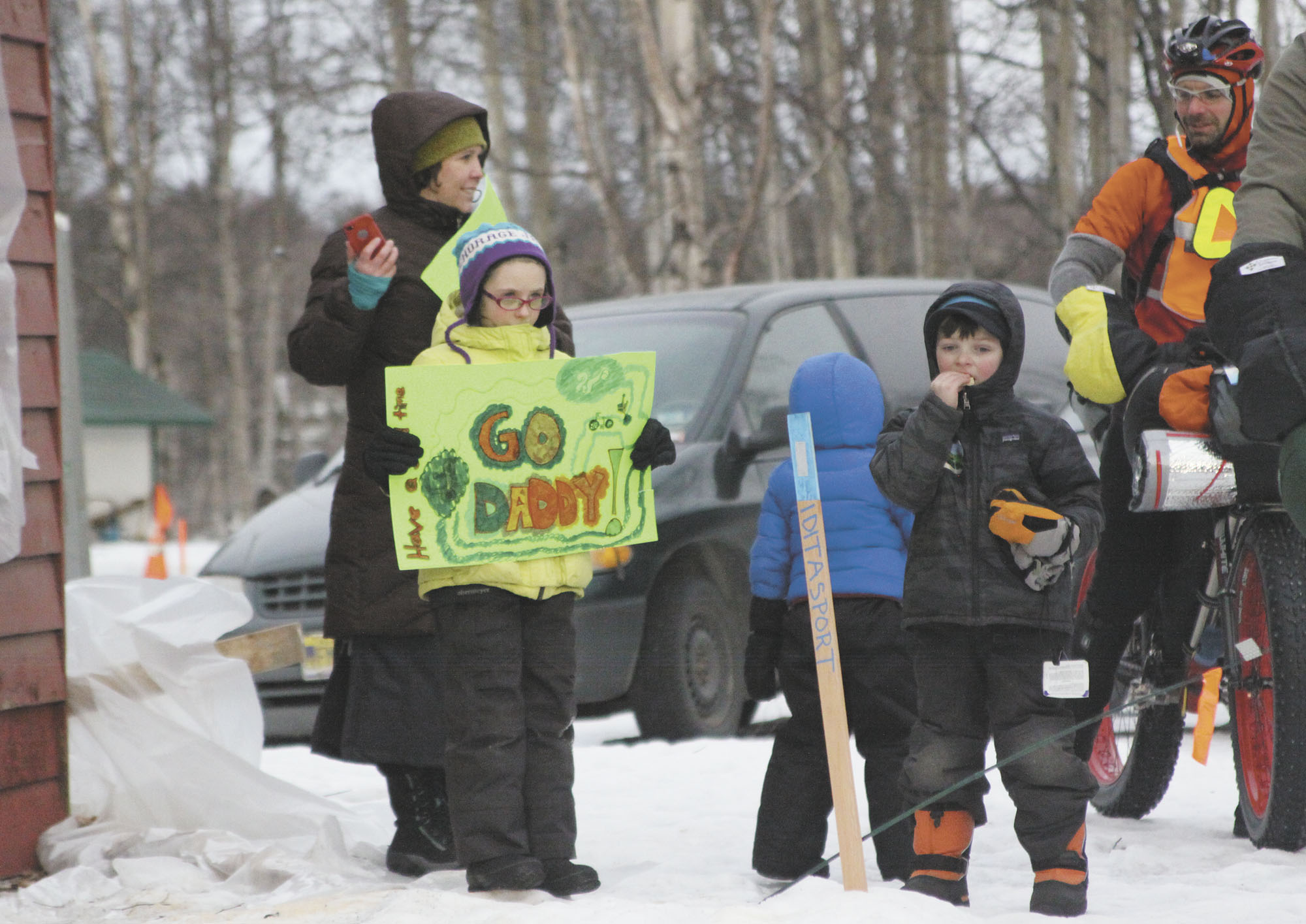
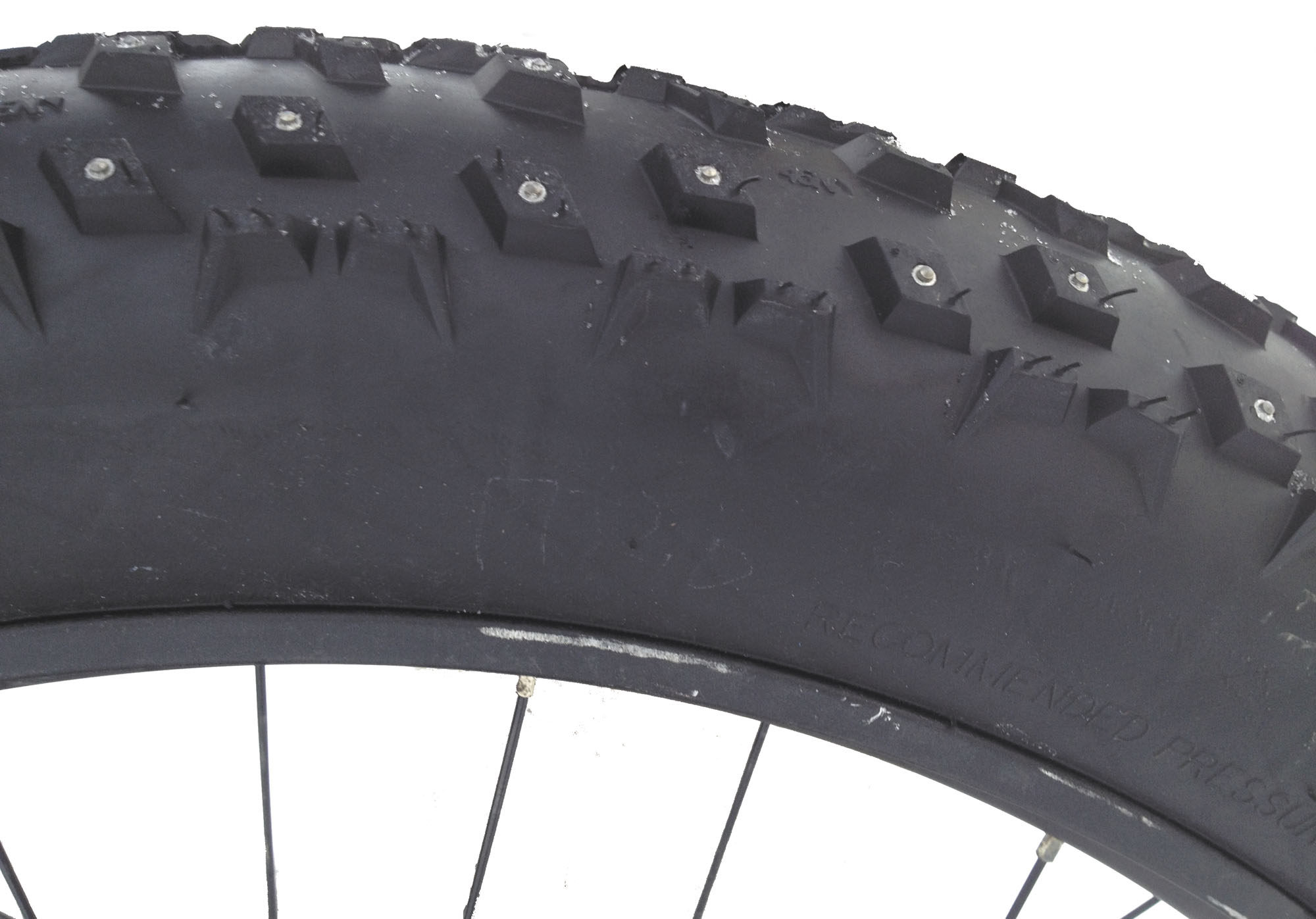
HEATHER A. RESZ/Frontiersman

By Barbara Hunt Palmer Buzz It was 6:43 on Friday morning and the Plant Owner was sound asleep when

By Kyle Wilkinson Frontiersman Memorial Day Weekend was filled with a variety of events in Willow. From live music to

By Kyle Wilkinson For the Frontiersman The Susitna Valley Emergency Preparedness Fair will be held at the Willow Community Center

By Barbara Hunt Palmer Buzz Green-Up happened at exactly 9:34 am on Saturday morning in Palmer. This was