Retiring teacher, coach urges Colony grads to ‘find their 68’
By Jeremiah Bartz Frontiersman.com A football coach using a hockey reference as the centerpiece for his keynote address may


I can’t remember the first time I chased the shadow of the old steel tracks along the bank of the Matanuska River. It might have been when I was a kid and we used to park our green school bus/motorhome each Fourth of July down where Moose Creek meets the Matanuska. Or maybe it was when one of my friends who better understood the urban secrets of Palmer lifted the veil and took me down the trail as far as our stovepipe legs could push our gearless BMX bikes. Regardless, the Palmer Rail Trail is a fantastic resource and its history, ease of access and beauty make it one of my favorite local escapes.
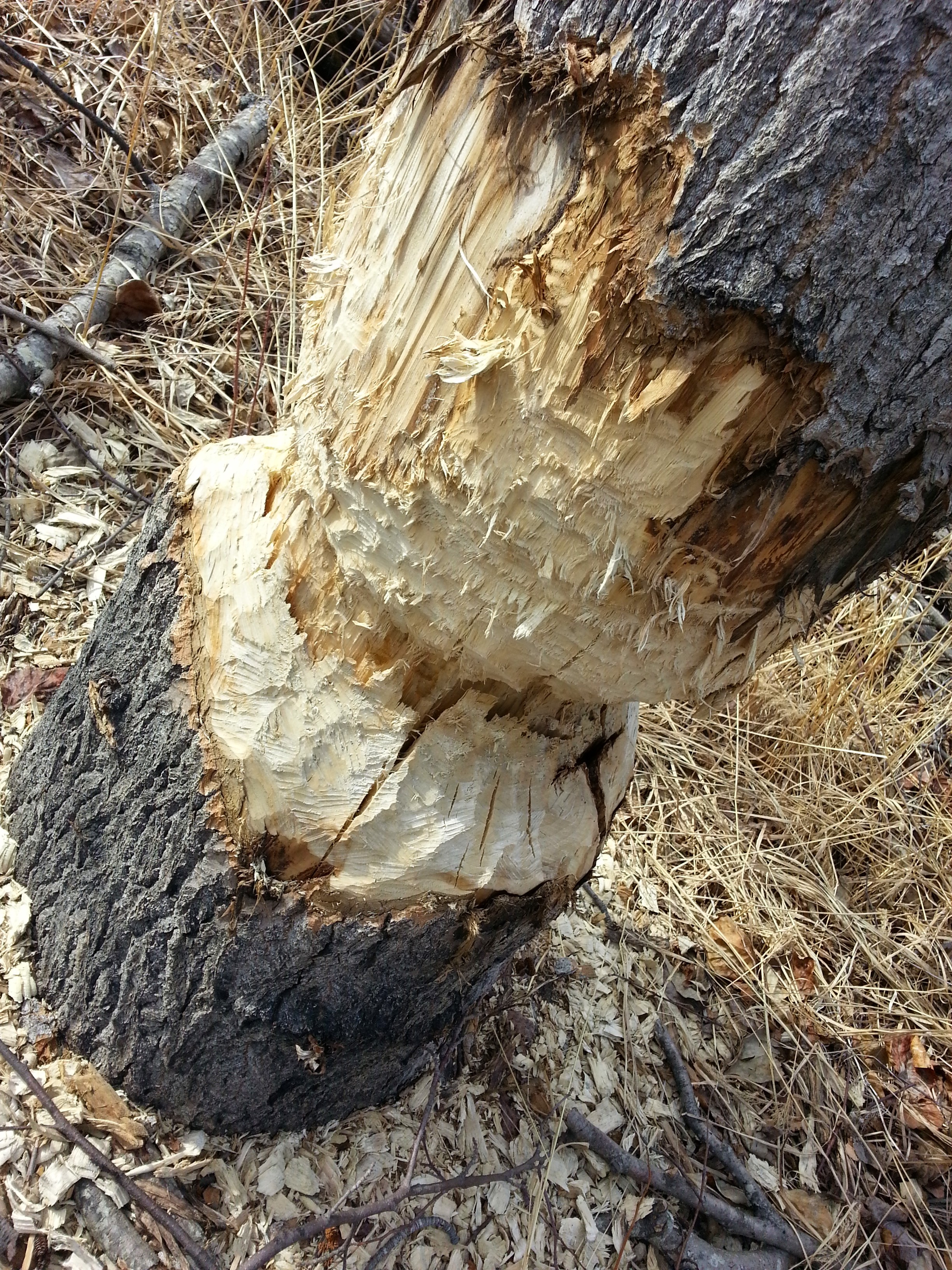
My father and I walked the trail one recent Saturday, but instead of starting in Palmer at the unassuming concrete barrier at the end of Valley Way, we headed out to Moose Creek and parked the car near the Glenn Highway bridge, hiking back toward Palmer. We followed the haphazard path along the south bank of Moose Creek, ducking under alders and weaving through beaver-toppled cottonwoods, making our way toward the Matanuska River.
The old railroad bridge across Moose Creek that occupies a foggy little corner of my mind is nearly entirely gone. Only a small forest of pylons remain as scavengers have carried off the large wooden beams and spread them across the Valley, transforming them into decks and foundations and retaining walls. At the former bridge, the trail veers right toward Palmer, following the built-up railroad bed, arrow-straight and extraordinarily level. It’s about a 6-mile walk to downtown from here, and on that partly sunny day my father and I settled into the easy conversation that accompanies flat trails. There are no lung-straining climbs on this path. While some sections are slightly difficult due to bank erosion and threats from the silty river below, the grade of the trail is decidedly “un-Alaskan” and, well, pleasant.
As we meandered along the unnatural break in the forest that is the trail, we noted a few “No Trespassing” signs aimed toward Palmer. (This seemed peculiar, as the route has a storied history and the red dotted line marking the trail can be seen clearly on borough maps.) But the owner of the signs decently labeled them with his name and number and, upon returning home, I gave him a call. He explained that he shoots guns there and doesn’t want people walking about. However, after discussions with the borough and the Alaska Railroad, it is clear that the trail is not his to close, and is in fact open for non-motorized use all the way to Sutton and up Moose Creek.
Once beyond the signs, the Matanuska River moves closer and presses the trail against the bluff. The Chugach Mountains come into view, and riverside vistas of Matanuska Peak and Pioneer Peak begin to reveal the true heroes of the trail. Turning north, the towering pyramid of Granite Peak and the complex contours of Lava Mountain — that imposing massif often ignored by folks down the valley — catch the light perfectly and remind us why we call this place home.
Trail-wise, this section is lousy. At times, it disappears entirely leaving us to flounder across loose gravel slides — the sounds of the river riffling below and small rocks falling above provide no comfort. The route is further complicated by the work of an astonishingly prolific beaver, gathering enough wood, it seems, to attempt the quixotic. Fossils are plentiful along the section, and we spent much time stooped over examining some of the many dark flecks of past life embedded in sandstone.
As the trail returns to the predictable, wide bed of railroad, I am surprised by how wild it feels — despite the fact that we are just below the Glenn Highway and only a few miles from Palmer. It was near here that one of my friends was chased off the trail a few years ago by a self-righteous brown bear. Grouse routinely skitter through the dead leaves, beating their wings madly, frantically searching for a mate. This section of trail is often overgrown in the summer, and the overhanging limbs of trees and the push from the sides by wild roses and grass make it difficult to pass. This is why, I think, right now is the perfect time of year to hike the trail. The snow and ensuing mud has gone, the views are yet to be blocked by light-greedy leaves, and the trail has yet to be encroached upon by plants.
About a mile and half from Palmer, slides disrupt the trail once more. The fence along the overlook on the Glenn Highway can be seen high above, and towering stacks of gravel rest precipitously. Typically, this portion of the trail is quite difficult to pass. Recently, however, a trail fairy appeared to carve a flat shelf across the slides making the traverse quite easy.
The trail then begins to make the slow trip upwards to the bluff on which rests the northern reach of the city of Palmer. Piles of automobiles and other wreckage indigestible by the river coat the banks below, serving as a reminder of the power of churning water — and the fear that accompanies changes of course when the river gives in to the demands of gravity and fluid dynamics. The path strings between fields and deposits us at the intersection of Eagle Avenue and Valley Way, a short walk from downtown.
The Palmer to Moose Creek Rail Trail is not the most dramatic hike in the Valley, but its combination of history, beautiful vistas and accessibility keep me happily returning. Now is the perfect time to get out and enjoy this local treasure.
Pete LaFrance grew up in Palmer and has moved back to the area after a number of years living abroad.

By Kyle Wilkinson Kyle in the outside Our spring bear hunt was bittersweet this year. We’re heading home without

Frontiersman.com Valley athletes earned titles during the Region III Championships track and field meet last week at Colony High

Leila Petersen Palmer Moose Leila Petersen, a member of the Palmer track and field team, has been named a Frontiersman

By Jeremiah Bartz J’s World August would have been the start of my 25th year as an editor at