Retiring teacher, coach urges Colony grads to ‘find their 68’
By Jeremiah Bartz Frontiersman.com A football coach using a hockey reference as the centerpiece for his keynote address may


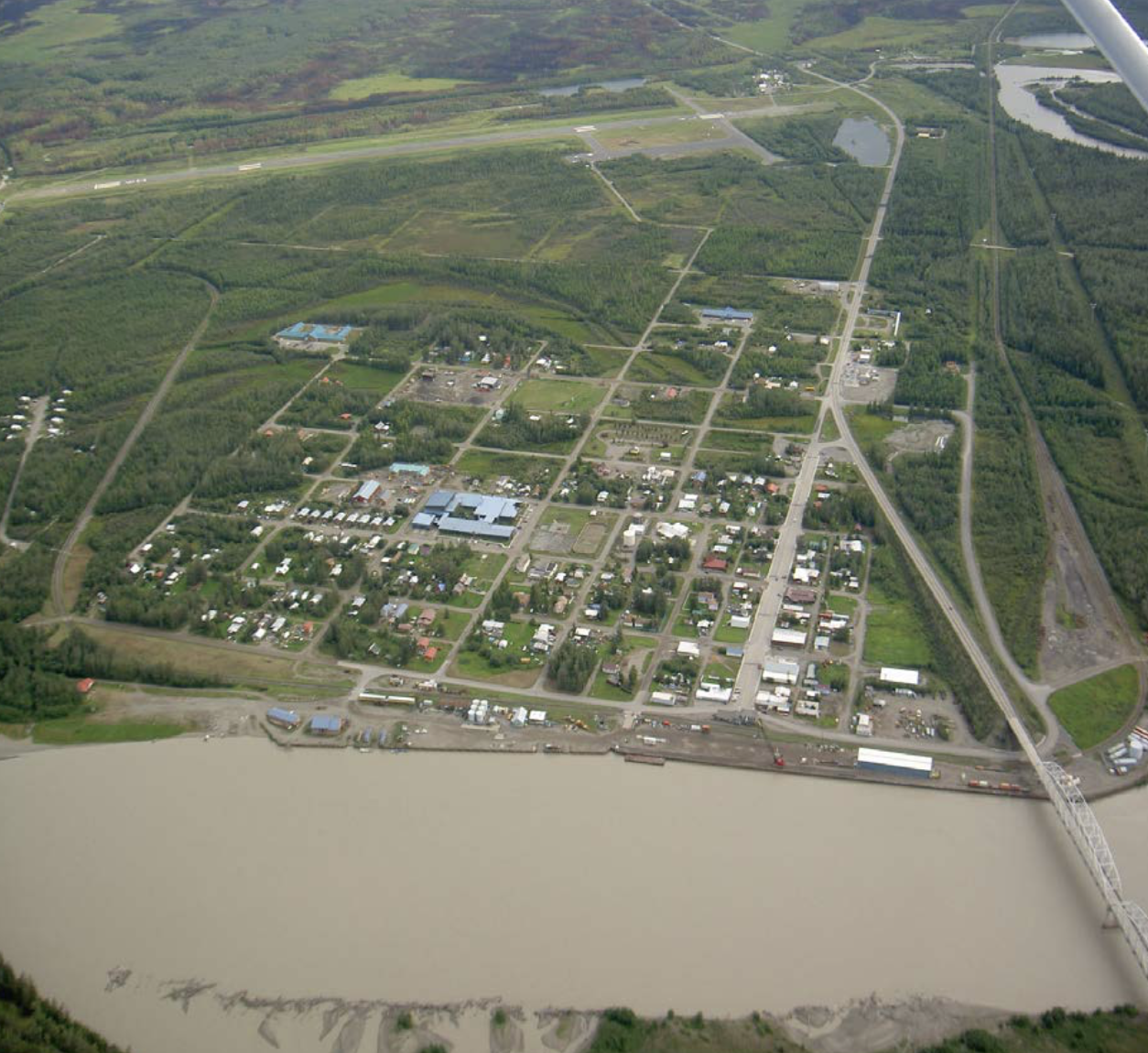
Alaska’s Department of Natural Resources is moving ahead with an ambitious plan for a major new agricultural development on 140,000 acres of state lands west of Nenana, 60 miles southwest of Fairbanks on the Parks Highway.
This summer the state will begin auctioning tracts for farm development in the area, according to Dave Schade, director of the state Division of Agriculture.
The Totchaket Agricultural Project has been discussed for many years to take advantage of good soils and growing conditions. Interior Alaska summers are warm and there are also long days and hours of sunlight.
The obstacle has been lack of access across the Nenana River from Nenana. Now a bridge is in place built by the city of Nenana in partnership with the Nenana Native Association, the local Native tribe, which was able to secure federal funds for the project.
Schade said the date for the first land sales have not yet been set but it will likely be midsummer, in June or July. A public event for the project is planned in mid-June, with June 11 set for briefings for government agencies and June 12 for an open house with presentations for the public.
“New farms and farmers will bolster Alaska’s food security and the state’s economy,” said Gov. Mike Dunleavy. The project is a key part of the governor’s strategy for Alaskans to be able to supply more of their own food.
It builds on another initiative by the governor to get more state land into private ownership.
Things at Nenana Totchaket will happen a step at time, however, with the initial land offerings in a 30,000-area in the eastern part of the project nearest the Nenana community. About 100,000 acres of the 140,000 acres of land are well suited for agriculture.
There is a 6-mile road from the bridge across the Nenana River to the start of the agricultural area. The road continues for another 6 miles through the Totchaket Project area.
Doyon Ltd., the Alaska Native regional corporation for Interior Alaska, built the road several years ago to support Doyon’s oil and gas exploration in the area. The state now owns the road.
A further 17-mile extension is planned that would reach the Kantishna River and open up more state lands, although the timing is uncertain.
This is the first major state agricultural project in years, and Schade is determined that lessons learned with earlier initiatives at Delta and near Point Mackenzie in the Matanuska Susitna Borough be taken into account.
“We know there were challenges in the past and we don’t want to make the same mistakes,” he said.
One thing the division will avoid is telling people how to develop their tract or to push them to do it too quickly, although there is a financial responsibility to ensure the use of public resources and money is done diligently, Schade said.
“There will be no strings, and no rigid timelines,” he said.
Another change over previous practices is that the state will be more flexible on what constitutes “agricultural use.” State land sold under the program will have an agricultural use requirement.
Previously this was strictly enforced, so that small businesses developed on a state agricultural tract , like a bed and breakfast service, were not allowed.
Those kinds of tight restrictions will not apply at the Totchaket project.
Meanwhile, a substantial amount of technical and soil data has been gathered for the project. There is one to four feet of topsoil, so the growing potential is good. “The soil is a little acidic, which is common in Interior Alaska, but we should be able to figure that out,” Schade said.
One area of research now underway is the use of “no till” technology to clear brush without disturbing the topsoil, thus avoiding wind erosion.
“The area has been burned over twice by wildfires,” and brush has grown back, he said. Wildlife corridors and also traditional trails will be incorporated in the plan for the project.
Another thing being done differently at Totchaket than was done at Delta and other areas is that the state will put in roads and connections for electrical power. “The state will set up the infrastructure so the private sector can take it over,” Schade said.
Sizes of most tracts will range from 40 acres, suitable for vegetables, to 5,000 acres, suitable for livestock. Some tracts may be much smaller, in the 5-acre range.

By Jeremiah Bartz Frontiersman.com A football coach using a hockey reference as the centerpiece for his keynote address may

Frontiersman.com With its headquarters in Wasilla, the Frontiersman has been a primary source of news for the Matanuska-Susitna

By Katie Stavick Frontiersman.com The next generation of leaders took flight this week as the Houston High School Class

By Kyle Wilkinson For the Frontiersman Keynote speaker and Carry the Cure President Bill Pagaran’s words boomed through the