Retiring teacher, coach urges Colony grads to ‘find their 68’
By Jeremiah Bartz Frontiersman.com A football coach using a hockey reference as the centerpiece for his keynote address may


We’re already halfway through January and the desire to chase fish in open water is growing stronger everyday. For us fly tiers, this is the time to fill the fly boxes in preparation for the spring and summer season. Here is a list of patterns you should have in your boxes this year.
When the ice first breaks up and the mouths of the creeks begin to flow, trout and grayling will start to mill about before heading up the creek. Flesh patterns, like cotton candy, imitating flesh from last year’s salmon spawn are great options for finding hungry fish. I also like to fish worm patterns like San Juans and Squirmy Wormys to imitate salmon alevins. These patterns are pretty simple and easy to tie.
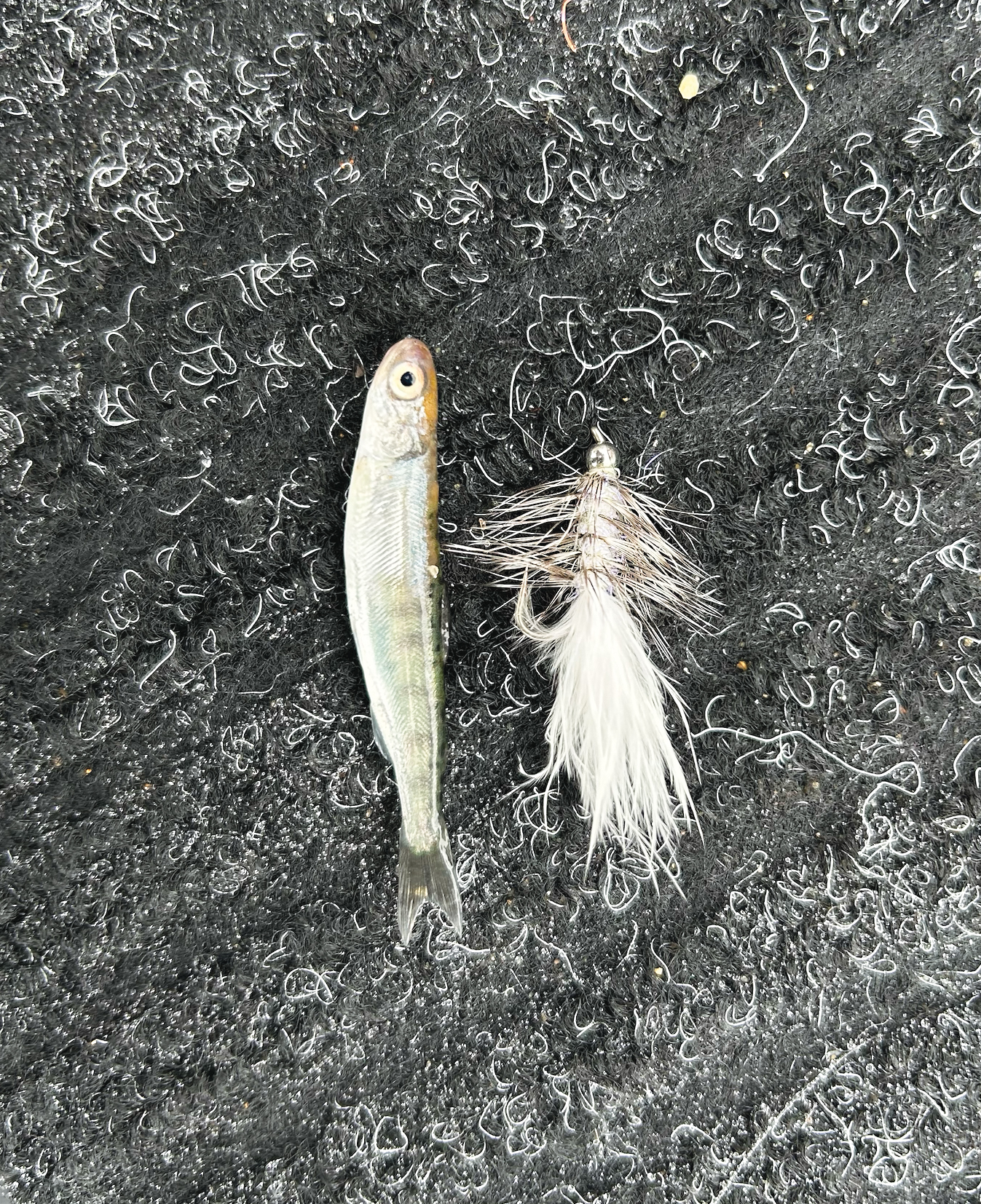
As the water warms up and the baby salmon begin heading downstream as fry, I like to transition to streamers like woolly buggers or clouser minnows. Tied sparsely in white, gray and olive, these are great imitations for the salmon as they head down to the Susitna or down the Kenai and out to Cook Inlet. Buggers are easy to tie and I usually go into my season with several dozen of them in my box keeping them small and sparse.
Dolly Llamas are the quintessential fly pattern of Alaska. I don’t think there’s another pattern, tied in different colors and sizes, that catches as many different species of fish across the state. I like tying smaller ones in olive, black and white for targeting trout and aggressive grayling in the early and mid summer. They imitate the freshwater lampreys that live in the stream bottom. I’ll tie larger ‘llamas in bright pinks and chartreuses and black and whites for targeting pink, chum and silver salmon later in the summer. They more or less irritate the fish and trigger and aggressive bite. These can be a bit more difficult to tie and are definitely not something I enjoy having to whip up during the busy guide season. I try to knock out several dozen of these prior to breakup.
Insect patterns are also great to have when trout get finicky or when grayling are the target species. For dries I like Parachute Adams in brown and purple, Elk Hair Caddis and smaller Chubby Chernobyls in tan and orange. I don’t tend to lose as many dries and don’t tie as many as I do for my subsurface flies. For nymphs I like Prince Nymphs, Pheasant Tails and Duracells. I definitely tie up a large number of nymphs as I assume I will lose a majority of them to logs throughout the season.
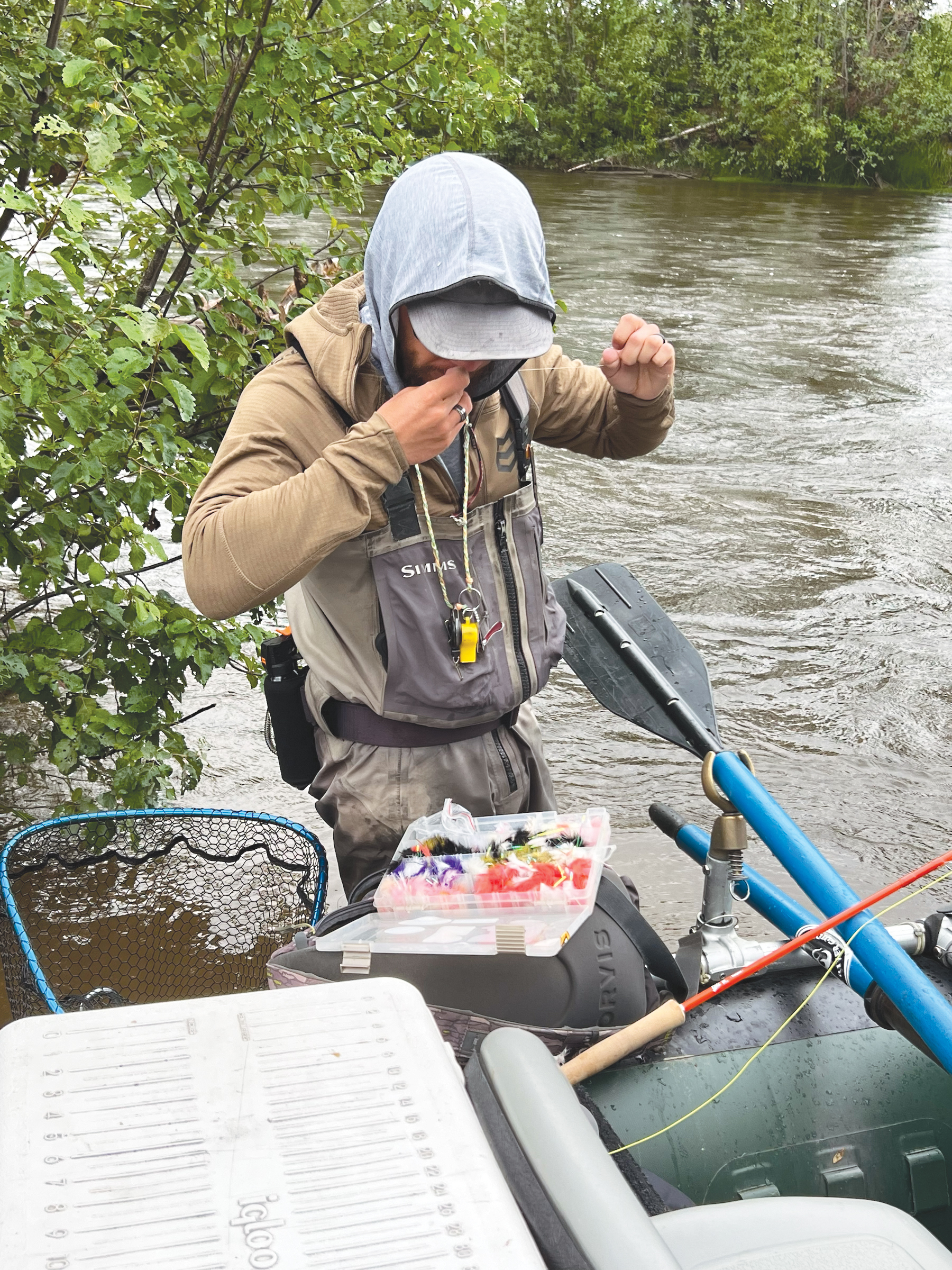
While there are many different shapes, sizes and configurations of fly boxes out there, I prefer the simple flat plastic tackle boxes that you can find at most any sporting goods store. They’re cheap and durable, yet easy to replace if they do break. I like to organize my flies in different sized compartments that I can adjust myself. I don’t like having to store flies in individual foam slits or fumble around with a bunch of small boxes in my pack. The larger plastic boxes are also easy to dry out and help to keep hooks from getting too rusty.
Step-by-step videos to all of these patterns can be found on YouTube. While YouTube University is a great resource, nothing beats face-to-face personal instruction. If you’re new to fly tying, I would highly suggest the courses that are offered by the amazing staff at 3 Rivers Fly And Tackle. They also have the best tying material selection in the Valley, so make sure to support local while filling your boxes for the open water season.

By Jeremiah Bartz Frontiersman.com A football coach using a hockey reference as the centerpiece for his keynote address may

Frontiersman.com With its headquarters in Wasilla, the Frontiersman has been a primary source of news for the Matanuska-Susitna

By Katie Stavick Frontiersman.com The next generation of leaders took flight this week as the Houston High School Class

By Kyle Wilkinson For the Frontiersman Keynote speaker and Carry the Cure President Bill Pagaran’s words boomed through the