Retiring teacher, coach urges Colony grads to ‘find their 68’
By Jeremiah Bartz Frontiersman.com A football coach using a hockey reference as the centerpiece for his keynote address may


ROBERT DeBERRY/Frontiersman.com
PALMER — When you wander around the industrial kitchen at Mat-Su Borough Nutrition Services it can sometimes feel somewhat like you’ve stepped into Willy Wonka’s chocolate factory.
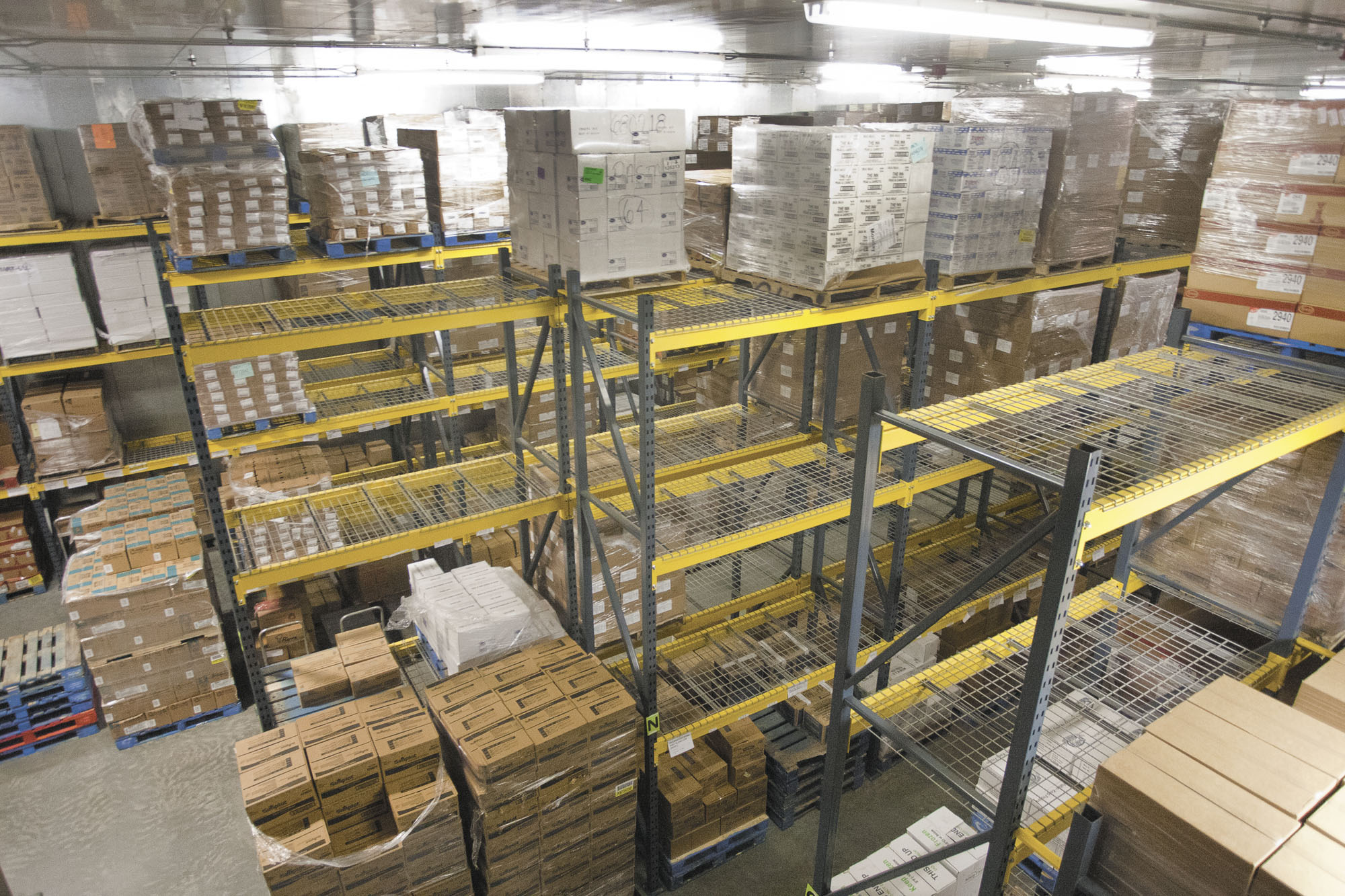
Here’s the freezer room where everyone is dressed in winter gear in August. Here’s the machine they’ve been known to use to cook 200 turkeys at a time. Here’s the Hobart mixer; just like the one on your counter at home only scaled up to be at least 6 feet tall. The whisk attachment is the size of a pillow. And that’s not even the largest attachment — the beater bar for the 300-gallon pot for cooking things like taco meat is so big they have to use a hoist designed for lifting engine blocks to get it in place.
“When I do tours I can put a whole first grade class in here,” the department’s supervisor, Chris Johnson, said as he stood next to the dishwasher.
He was showing guests around on Thursday, the first day of school in the Valley. And while earlier parts of the week got kind of hectic, that morning Johnson said was a “slow” one. Some members of his crew were working on pizza dough in advance of an Aug. 30 in-service day for teachers.
Of course, working in advance is something you’ve got to do when you’re cooking nearly 2 million meals annually for 35 schools.
So what’s the least popular thing they serve?
Johnson said the fruits and vegetables, as you’d expect, often don’t get eaten. But the federal government, which funds a lot of his operation, attaches strings to its money.
“In order for us to claim the meal the children have to be offered at least a half a cup of fruit and/or vegetables at lunch and a half cup of fruit at breakfast,” he said.
Those federal regulations can often seem as bizarre and intricate as the aforementioned Mr. Wonka’s factory. The feds regulate how much whole grain has to be in bread products — 50 percent — and how much of a meal’s calories can come from fat — 30 percent. The count of sodium in the meals has to be verified and sugar kept to a minimum.
But back to the popularity of the food. Fruits and vegetables aren’t always popular, but what about entrées? There, Johnson kind of drew a blank. The menu is kind of Darwinian — unpopular offerings just don’t survive.
“We try to move on from the stuff they don’t like,” he said.
Assistant Supervisor Diane Russo, who is also a certified nutritionist, said items they’ve had to discontinue included a kind of southwest-style flatbread sandwich and corn salsa. Johnson said the teachers were sorry to see that salsa go.
“Adults loved it. Kids were like, ‘you’ve got to be kidding me?’” he said.
And what about popular entrees? Three guesses.
“Pizza is always a No. 1 hit,” Russo said.
High schoolers, Russo said, are fans of the bean burritos. Cheeseburgers are also always popular at any age level. Oh, and chicken in any breaded form you can think of — nuggets, strips, patties.
“They love our breakfast muffins that we home-make here,” she said.
At least for the first month of school, much of the fresh vegetables and produce on those meal trays are locally sourced, Johnson said.
“To us it’s very important,” he said about buying locally produced food. “We believe in supporting the local economy. The trick is coming up with local foods year-round. In the past, we were using local dairy, but the creamery closed.”
Before Matanuska Creamery closed, the school district commissary bought $500,000 worth of milk a year from the local business, Johnson said. Because there are only three or four good weeks of growing and harvest left by the time school’s back in session, that first month will have local food as part of the menu — carrots, lettuces, broccoli and cauliflower.
“We’re talking only a few weeks, otherwise we would have to process it and freeze it,” he said, which isn’t economically feasible. “We’ve worked really hard with the Farm to School program. You have about the first month of school, and that’s it unless you have inside greenhouses. … I can see the Valley going that route eventually, too.”
For now, though, Nutrition Services “will buy whatever we can that available at the beginning of the year when it’s fresh and available,” Johnson said.
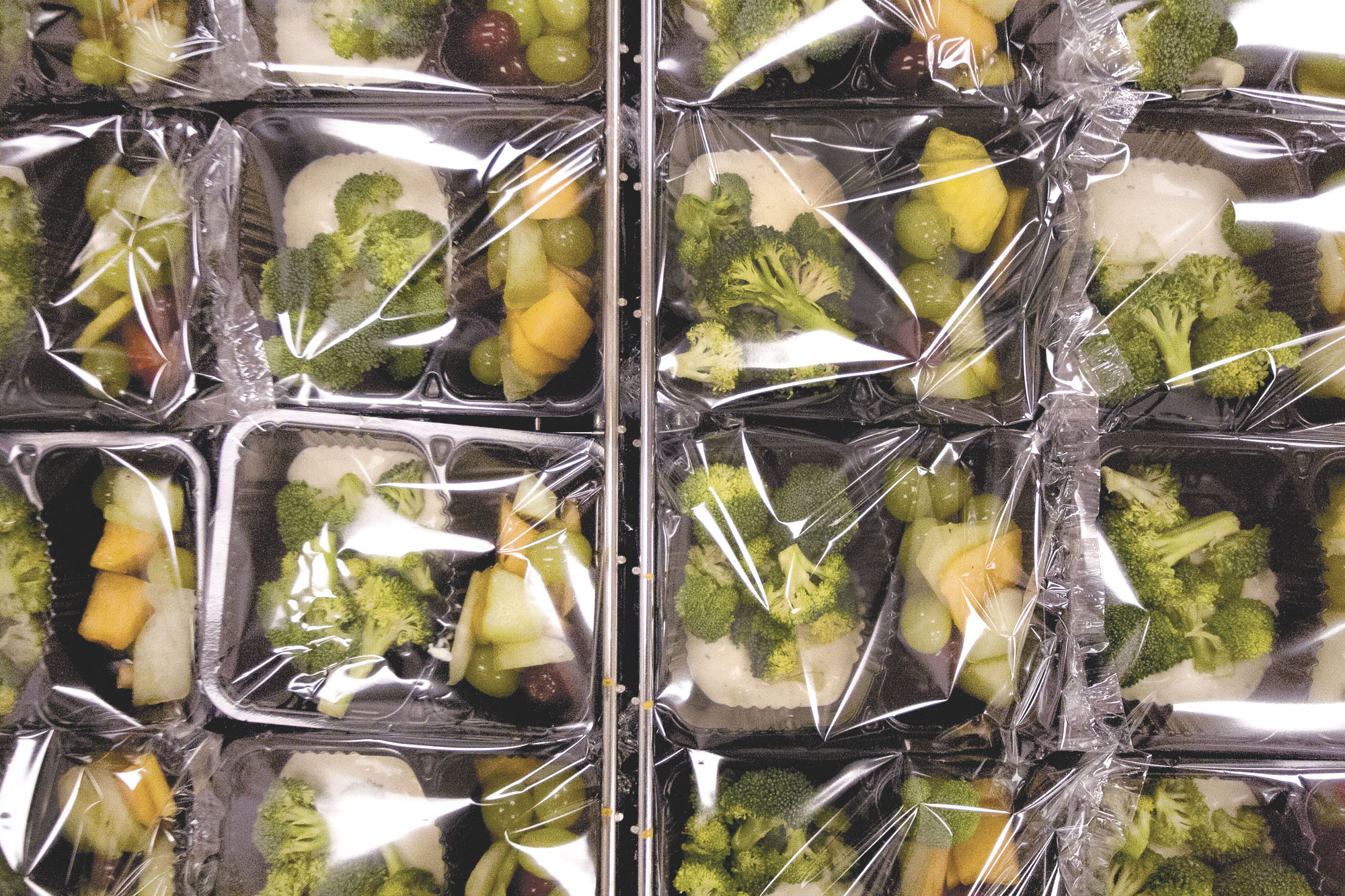
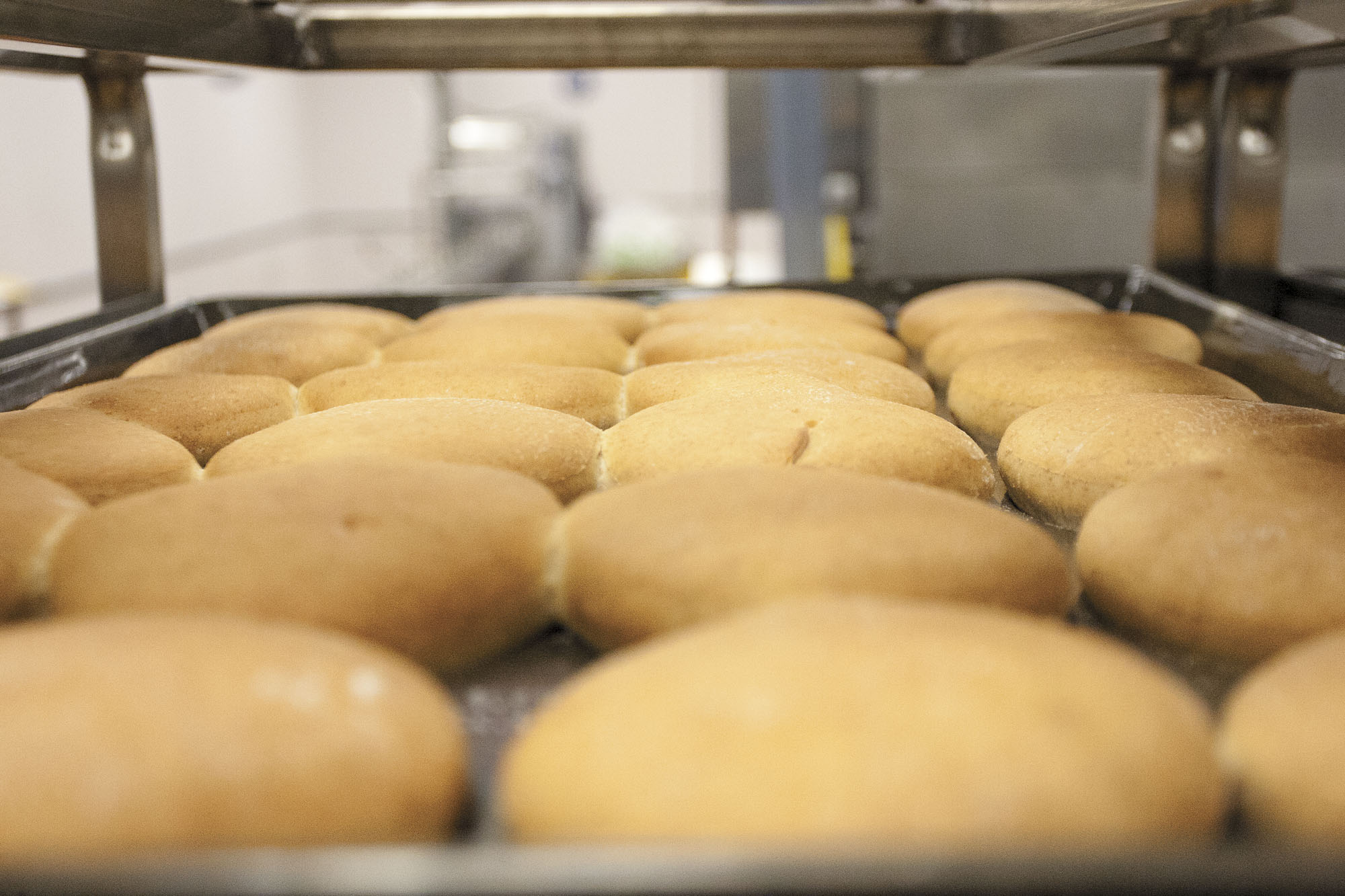
Homemade is a word you hear surprisingly often at nutrition services. The department makes all its own buns — some with barley from Delta Junction, part of a state program to encourage Alaska-grown ingredients — and its own ranch dressing the ladies filling trays for the next day’s meals Thursday insist is the best anywhere.
Johnson said the food is all made fresh. It might look processed, but that’s just because putting them in individual containers speeds up the lunch line.
“The quicker they get through the line, the more time they have for their education day,” he said.

By Jeremiah Bartz Frontiersman.com A football coach using a hockey reference as the centerpiece for his keynote address may

Frontiersman.com With its headquarters in Wasilla, the Frontiersman has been a primary source of news for the Matanuska-Susitna

By Katie Stavick Frontiersman.com The next generation of leaders took flight this week as the Houston High School Class

By Kyle Wilkinson For the Frontiersman Keynote speaker and Carry the Cure President Bill Pagaran’s words boomed through the