Retiring teacher, coach urges Colony grads to ‘find their 68’
By Jeremiah Bartz Frontiersman.com A football coach using a hockey reference as the centerpiece for his keynote address may


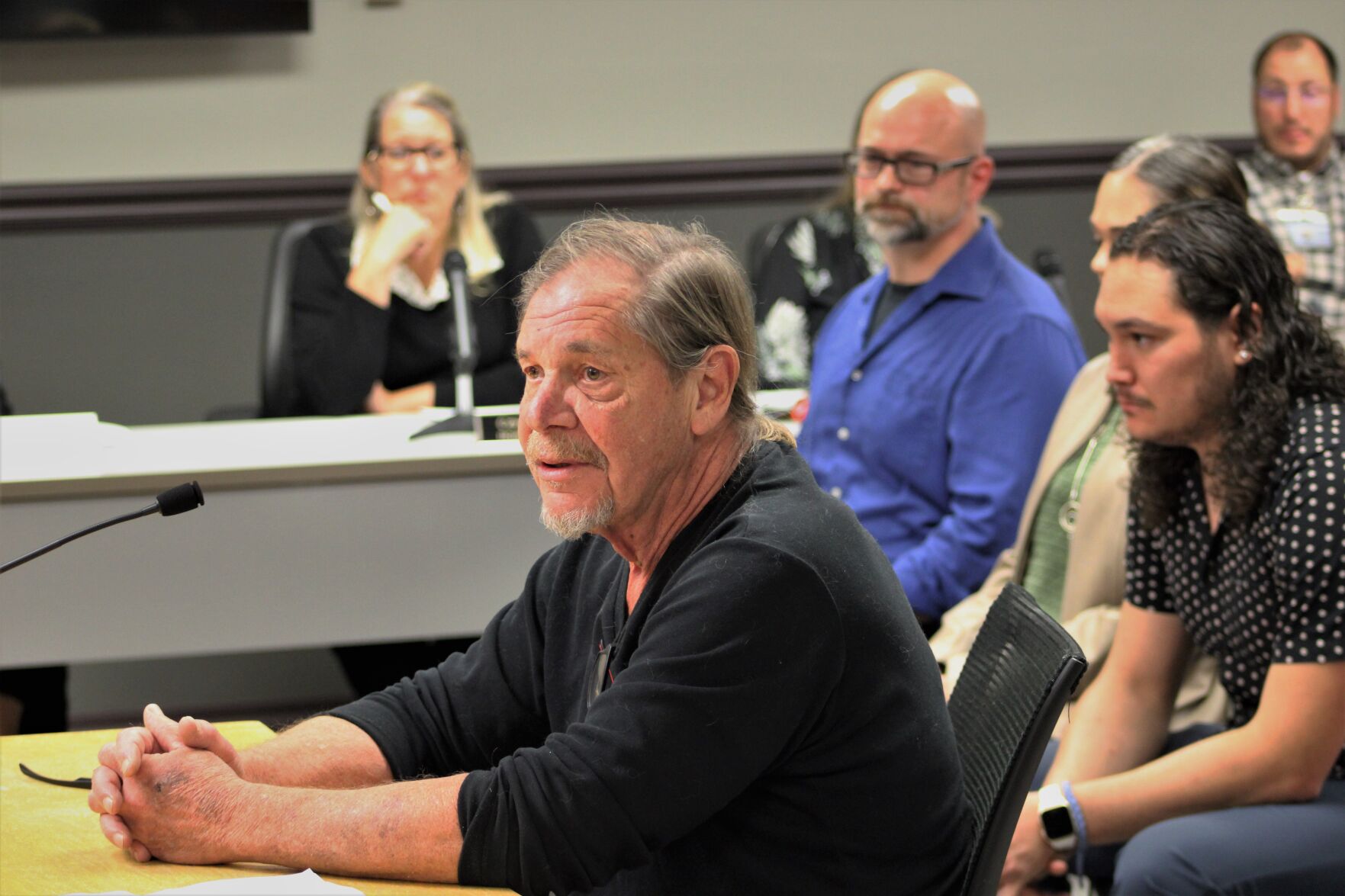
An ordinance dominated the conversation during a recent Wasilla City Council meeting, bringing in support from residents and scathing rebukes from former city council members.
The debate surrounds Ordinance 22-33, which, if passed, would amend the 2023 budget by appropriating $400,000 to fund the Community Grant Program (CGP). The CGP seeks to support nonprofit organizations that serve the Wasilla community.
Last year, the Wasilla City Council established a temporary CGP that allowed nonprofit organizations an opportunity to request financial support from the City for programs that provide services that contribute to the health, welfare, and overall quality of life to the most vulnerable populations specifically senior citizens, youth, and those experiencing economic hardship.
The CGP was meant to be temporary and a non-recurring program that is set expire on December 31, 2022.
The ordinance originated earlier this summer after two previous ordinances intended to help support operations of Wasilla Area Seniors, Inc., My House Youth Center, and Vista Rose Senior Housing had failed. By request, a Grants Policy Committee was formed with the expressed intent for the distribution of community grants. Along with several council members, city clerk Jamie Newman and city attorney Holly Wells, the committee then established the grant policy for a 1-time grant distribution.
Most of the public comments were against the ordinance, with many of the commenters taking multiple opportunities as allowed under the rules to voice their displeasure.
“This is what happens when politicians change the laws to suit their wants. Just say no and repeal this ordinance,” said Wasilla resident Diane Beauvais.
Kelly Dao spoke in favor of the ordinance, stating that she is hopeful the council will use the one-time allocation of funds for organizations such as WASI and My House.
Many opponents to the ordinance spoke out that they believe it to be a misuse of funds and that the money could be better spent on public safety, as the money was made available as a federal reimbursement for CARES Act money that the city used to pay for Public Safety salaries during the COVID-29 pandemic.
“You’re only allowed to spend city money on creating, maintaining police department, city roads, water systems, and sewer systems,” said Diane Keller.
She went on to say she believes the city council thinks they have too much money and stated that the Borough already has a grant program, and urging to use the money more wisely.
“We have to be good stewards of the money we collect from the people and it not only affects the city of Wasilla, but everybody else that pays the taxes,” said Verne Rupright, former Mayor of Wasilla.
“People are keeping an eye and you and thinking you’re making a mistake. I am too,” said former Wasilla Councilman and Borough Assemblyman Mark Ewing. “Charity starts at home and I would ask the people that are involved in this committee (the CGP) how much time they’ve donated out of their own good hearts.”
Ewing went on to talk about the initial creation of the sales tax in the early90s being utilized for creating a police department, roads, infrastructure, the city government, “But never taking from the general funds for charities.”
“When you trade that trust the next time you want a half a cent sales tax for a project in the city, people are going to take a dim view of it and say ‘wait a minute, you just gave away nearly half a million dollars.’ This was up two times before… and was shot down. Don’t vote for this.”
Other commenters spoke about how money was being spent, that there are more pressing needs like water, sewage, and roads and parks, that people are free to donate money on their own.
“This is a tough time for a lot of folks, and I don’t think it’s OK to say ‘hey, we have enough taxpayer money that we can just give yours away as we decide fit.’ I know it may not be popular with some of the agencies that would like to get this money but there are other ways we can donate to them.”
When the motion to move the ordinance forward to a public hearing was on the table, Councilman Stu Graham spoke out against the ordinance, saying he felt the council should not be considering the item at all.
“This was money that was appropriated through the CARES Act to reimburse the city for Public Safety expenses, particularly salaries, through the federal CARES Act. We put that money into the general fund, and that money now belongs to the taxpayers. That money should be used to benefit the citizens and the City of Wasilla and we as council persons should guard that money carefully as we would our own pocketbooks.”
“Is it the government’s job to take the taxpayers’ money and give that to these organizations? My answer is no,” he said. He cited the Wasilla Municipal Code, before suggesting that the ordinance basically says “We don’t care what the Code says, and it does say that.”
He also pointed out that several previous administration and elected officials have been united in their message that the ordinance does not adhere to the Code.
“For us to say that we are going to disregard the many, many years of history is, I think, completely inappropriate because somehow some persons think this money is excess money.”
City Attorney Holly Wells spoke to the ordinance, saying that it amended the Code in question to allow a non-recurring, one-time grant and to allow conditions be put into place.
“That provision is expressly complied with by Council, so Council has been fully compliant with the Code,” Wells said, adding “the Council certainly has the authority to issue a non-recurring grant under the Code and under Alaska law.”
“The committee just cavalierly made decisions and intentionally and openly ignored regulations, I believe, is false,” said Councilman Simon Brown II, who also cautioned against making similar comments from within.
He reminded the attendees that just because a committee may recommend the grant funds be used, the Council still has the authority to say ‘no’ and that at the end of the year, it may be that there will be money not spent because Council voted.
“This is not a done deal.”
He also took offense to the idea that people think he would act in an unethical or illegal manner when it comes to how something is decided.
“It is perfectly clear for people to come in here and have opposition and support, but you voted for us to take those comments and then do what’s best for all the citizens of Wasilla. And maybe some of the people who may be applying for this grant are people who have supported Wasilla, who have paid taxes, who have volunteered and helped the city be where we are today. We wouldn’t be Wasilla without those citizens that we are now saying don’t deserve our help or recognition.”
Finance Director Joan Miller said, “We did receive a one-time benefit from the CARES Act funding. It’s important to remember to always limit to one-time expenses.”
She said the CGP committee looked at grant programs in other cities like Fairbanks, Soldotna, Kenai, and Palmer that have ongoing programs for specific purposes based on current year needs, as well as the city’s own fiscal history:
“It’s not uncommon for Wasilla to provide to organizations, pointing out that since 2003, Wasilla has provided to WASI, Junior Iditarod, seed money to Wings Over Wasilla.”
“I want it to be known that there is some normalcy to this. If the citizens feel there is a community need, it can be a win for the city if we can be a partner, a partial part of the solution and not be tethered to the future operating or maintenance that might be required to bring that resolution,” Miller later said.
Graham reiterated his belief that the legislation would “sidestepping essentially all the regulations, and that dangerous water to tread on. Then there’s nothing that says we can’t do it next year or five years from now, or ten years from now, because the precedent has already been set.”
“This wasn’t one-time money, this was a reimbursement of expenses that the city had, of funds that the city spent that were collected through sales tax people spent buying groceries, buying gas.” He said the City is lucky to be in the ‘enviable position’ of having money in the reserves, but thought there may be more appropriate ideas to help the residents.
“If the City wanted to have a sales tax holiday or cut back on half a percent sales tax for a few months to get to the $400,000 that would be a direct pass-through. It’s not money handed to us to do whatever it is that we want to do.”
During public comments, Ewing spoke again about not passing the ordnance, citing examples of how other entities misspent money in the past and asking again for the Council to think about the legislation, then warned that the voters may come back with a recall.
“I’d be real careful. If the voters feel they’ve been misled or we’re heading down a rabbit hole, nobody’s position is infinite.”
“We have battled this issue every single year,” said Steve Menard, before saying that there are other projects he felt the money could be used for.
“Capital projects that people can tangibly look at and appreciate,” citing the idea of putting new lights around Wonderland Park as an example.
“This was something that came to us based on the fact that we did have funds available to help the community and help those that maybe didn’t receive PPP grants or money from the CARES Act, and we didn’t want to see others that were falling through the cracks that could use a little bit of assistance at a time when inflation is so high,” said Councilwoman Sullivan-Leonard, who is chairing the GCP committee. She pointed out that food banks are struggling and people are sleeping in the parks.
“If we can help them, it’s a win-win for the city.”
The ordinance is set to go to public hearing during the next Wasilla City Council meeting on Monday, October 24.

By Jeremiah Bartz Frontiersman.com A football coach using a hockey reference as the centerpiece for his keynote address may

Frontiersman.com With its headquarters in Wasilla, the Frontiersman has been a primary source of news for the Matanuska-Susitna

By Katie Stavick Frontiersman.com The next generation of leaders took flight this week as the Houston High School Class

By Kyle Wilkinson For the Frontiersman Keynote speaker and Carry the Cure President Bill Pagaran’s words boomed through the