Retiring teacher, coach urges Colony grads to ‘find their 68’
By Jeremiah Bartz Frontiersman.com A football coach using a hockey reference as the centerpiece for his keynote address may


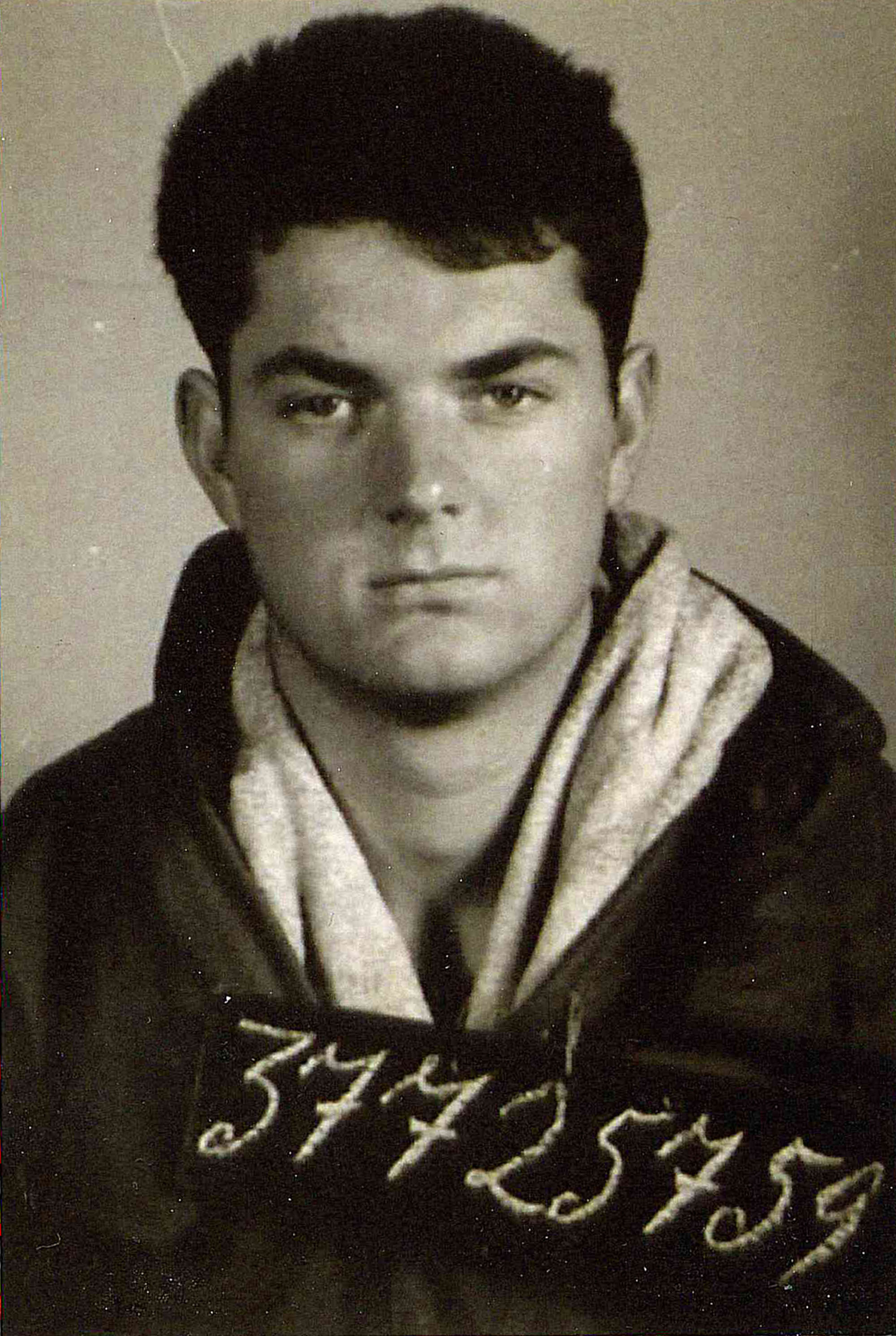
WASILLA — Neither getting shot down over the Italian Alps in World War II nor a stint in Vietnam could stop Walt Fergus from coming home to his high school sweetheart.
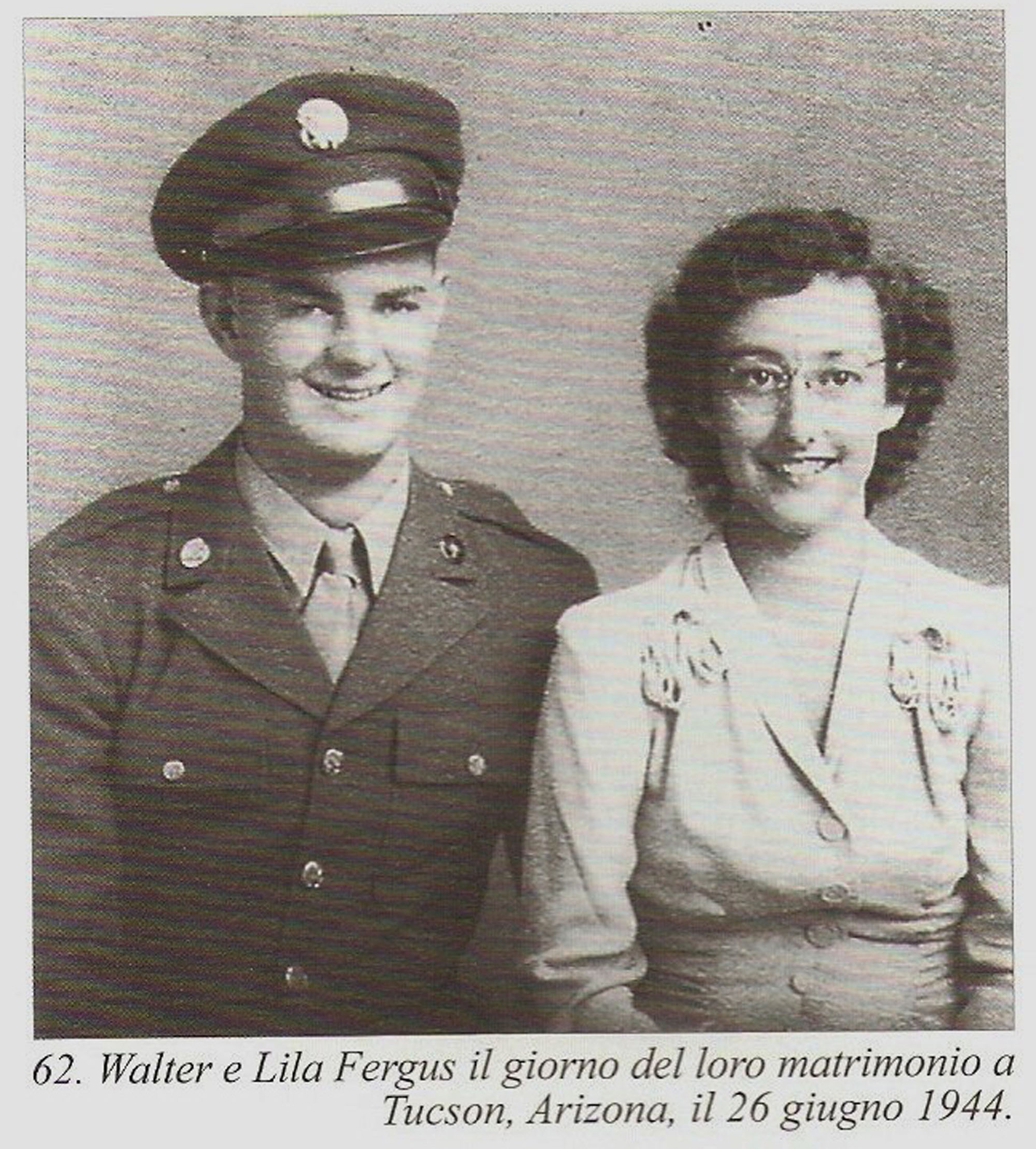
On June 26, 1944 — about a year after they graduated from high school in Larned, Kansas — Walt and Lila Fergus began their now-72-year marriage. Shortly thereafter, Walt enlisted in the U.S. Army.
“At that time you volunteered and then waited to be drafted,” said Lila, seated next to her now 91-year-old husband in the library of the Wasilla Primrose Retirement Community on Friday, May 20.
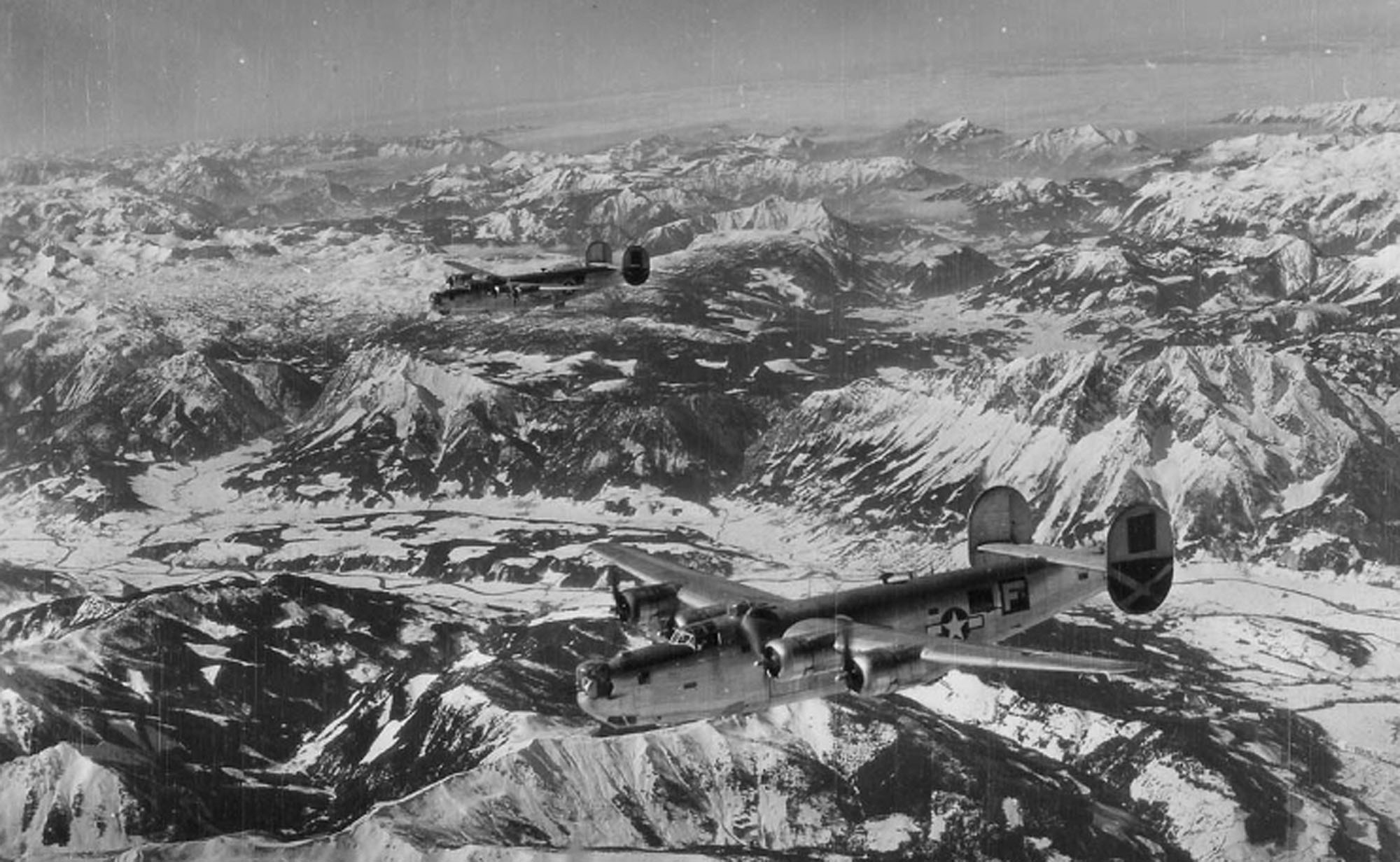
Walt didn’t have long to wait. In October of that year, he was assigned to the Army Air Corps in Italy as a tail gunner in a B-24 Liberator.
On his first mission he took a piece of shrapnel to the leg on a flight to Greece, which would earn him a Purple Heart. A few months later, he became a prisoner of war.
On the morning of Feb. 16, 1945, Walt and his fellow servicemen were told they had a clear path back to Venosa, Italy from Regensburg, Germany, where they were to drop some bombs. The delivery was successful, but on the return trip the plane Walt was in and another bomber soon came under enemy fire.
“We flew right into an 88 (millimeter) battery that just got set up, they weren’t even completely set up yet,” Walt said.
Just after Walt’s plane was hit from below, the second bomber collided with it, sending both units spiraling toward the mountains of northern Italy. Walt barely had enough time to get his parachute open before hitting the ground.
“It opened (at) about one swing and on the second swing I was already in the snow,” he said.
Of the 20 men onboard the two planes, only half survived the crash. One of those ten escaped, but Walt and the others were captured by the Germans. They stayed the night on the mountain, then took a train to Wetzel, just outside Nuremberg, the next morning.
Walt said he did not remember the trip — but he did remember the hunger that followed.
After interrogations in Wetzel, Walt and roughly 200 other prisoners were marched to Moosburg, about 100 miles south of Nuremberg. They were fed little on the weeklong trek, and still less for the next three months.
“They did starve us pretty well,” Walt said.
Despite the conditions, Walt said he was never really in fear for his life, just focused on staying alive. Word among the prisoners was that the Allies were winning, and they would soon be rescued.
“We knew the war was winding down,” he said.
Walt credited General George Patton for his rescue, but confessed that his memory of the actual liberation was hazy. He recalled going “sightseeing” around Moosburg, but the sight that stuck with him the most was one prisoner’s death at the gate to a concentration camp.
Walt said the Germans knew the war was lost, and had quit using the gas chambers at that point, but men still died from starvation.
“Concentration camps were places they put people to die, and they didn’t care how,” Lila said.
After playing tourists of the macabre, Walt and the other liberated soldiers were transferred to Camp Lucky Strike in France, though again, his memory of the trip was “a complete blank.”
“We left Moosburg apparently by air. They tell me it was by air,” Walt said.
As for Lucky Strike, Walt said all he remembers are the clean clothes and the helpful Catholic nuns.
“I was ready to change my religion,” joked Walt, who was raised Protestant.
Walt left France for the United States at the end of May 1945. On June 9, he called his wife from Leavenworth, Kansas, to say he was coming home.
“It was the first I’d heard he was alive since he was shot down,” Lila said.
The next morning, Walt walked into her apartment — about 30 pounds lighter than when she’d last seen him.
“That is the closest I think I have ever come to fainting,” Lila said.
Walt soon returned to a healthy weight and his usual self, having “regained his orneriness” by the time he came home, she said.
A month later, the couple received a telegram from the U.S. government saying Walt had been captured by the Germans.
“I don’t think they even knew he was a prisoner until he got out,” Lila said.
In the next 13 months, Walt worked 12 different jobs, mainly manual labor.
“Where we were in Kansas, there was very little (to do),” he said. “If you wasn’t a farmer or a salesman in one of the stores, you were unemployed.”
But there was one other thing Walt could do that the military seemed to be in short supply of during those days: typists.
For the next several years, Walt worked as an administrative clerk for the Army — until he volunteered for combat duty once again.
“The sergeant major promptly chewed me out for that,” Walt said, not wanting to lose one of his star employees.
Nevertheless, Walt was transferred to Fort Benning in Georgia for parachute training, then to Fort Bragg and finally Fort Ord, where he attended a Spanish language school. But he didn’t need Spanish for where he was going.
In 1955, Walt was assigned to Stuttgart, Germany, about 163 miles west of Moosburg. Ten years after he had been a German POW, he was less than a 3-hour drive from where he had been imprisoned.
But it was a world away from the Germany he had once experienced.
“It was a very good assignment,” Walt said, and Lila agreed.
Both learned to speak German with the help of the locals, who were “more than glad to talk to you,” Lila said — especially if you offered them coffee, which most Germans couldn’t afford at that time.
“If you served them coffee, they were your friends forever,” she said.
Lila discovered this after inviting a silverware salesman in, who also happened to have been a guard in one of the German prisons during the war. The revelation sparked a conversation that was particularly eye-opening for Lila, she said.
“Run-of-the-mill (Germans) felt about fighting the same way we did — it was something that had to be done. They had to do it because the government said they did, and we did it because we were attacked.”
Walt eventually went to Vietnam — twice, in 1967 and ’68 — and fielded several close calls in the air and on the ground. On his second tour, Lila thought there was no way he’d be coming home.
But he did.
“There are so many times that he should have died, and he didn’t, because of some strange quirk of fate,” Lila said.
Walt has even beat non-war-related threats to his health, including a heart attack in February of 2006 and a bout of colon cancer in October of that same year.
Now 91 years old, Walt is in relatively good health. Though Lila’s vision and the use of her legs have gone, her wit has not.
“For the first time in our married life he’s pushing me around,” she joked from her wheelchair.
As for their marriage, it’s been about much more than just surviving, though in a way the Army did help with that, Walt said.
“Every time we might be getting a little on one another’s nerves, the Army jerked me up and sent me off someplace,” he said.
“And we’d forget about it by the time he came back,” Lila added.
Walt retired from the Army in 1971 at Fort Richardson, and Lila retired from more than 30 years of accounting in 1975, after raising three children. The couple moved to Primrose about three years ago, satisfied with the life they’ve been given.
“We have had a wonderful life,” Lila said. “There’ve been rough spots along, but I wouldn’t trade my life for anybody else’s.”
In the days before this year’s Memorial Day weekend, Walt also reflected on his years in the military and those he fought with — including some who weren’t able to return to their sweethearts.
“This is a great country and a lot of us have served,” he said. “And a lot of us have paid our life for it.”
Contact reporter Caitlin Skvorc at 352-2266 or caitlin.skvorc@frontiersman.com.
This story has been corrected, 6/7/16, to reflect misreported dates, locations and number of lives lost as a result of the plane crash that led to Walt Fergus's capture by the Germans during World War II.

By Barbara Hunt Palmer Buzz It was 6:43 on Friday morning and the Plant Owner was sound asleep when

By Kyle Wilkinson Frontiersman Memorial Day Weekend was filled with a variety of events in Willow. From live music to

By Kyle Wilkinson For the Frontiersman The Susitna Valley Emergency Preparedness Fair will be held at the Willow Community Center

By Barbara Hunt Palmer Buzz Green-Up happened at exactly 9:34 am on Saturday morning in Palmer. This was