Retiring teacher, coach urges Colony grads to ‘find their 68’
By Jeremiah Bartz Frontiersman.com A football coach using a hockey reference as the centerpiece for his keynote address may


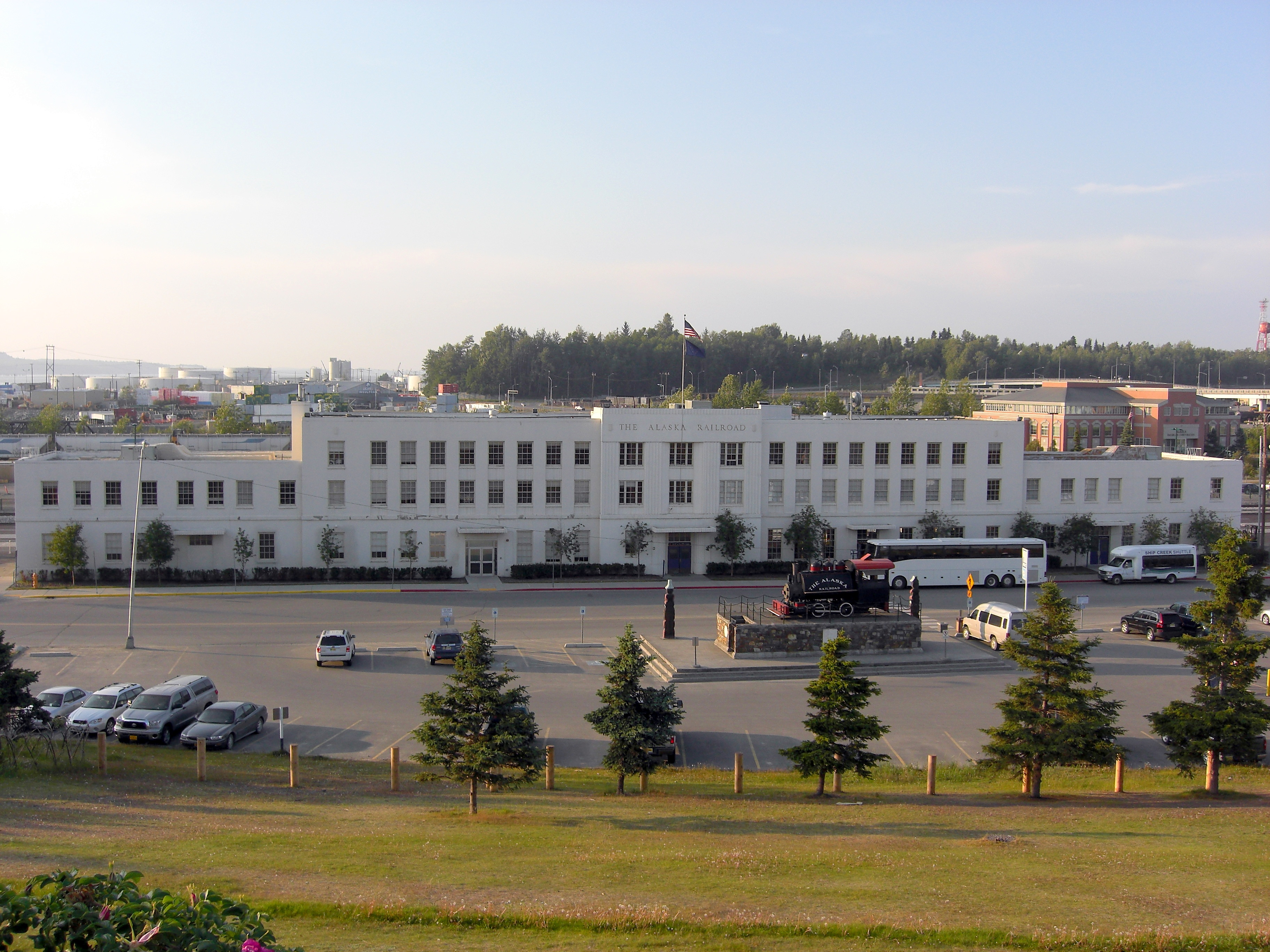
PALMER — A long-discussed commuter train between the Valley and Anchorage could be reality by the summer of 2019 thanks to state funding and the rollout of an upcoming task force.
Alaska Governor Bill Walker has designated over $4.5 million for the project, announced in a Dec. 15 supplemental budget release for fiscal 2018. Walker signed an order Jan. 9 officially establishing the task force.
How, exactly, that cash is spent will be decided based on input from a stakeholder task force, said Wasilla Mayor Bert Cottle, who has been asked to take part. Other members of the task force include officials representing Palmer, the Borough, Joint Base Elmendorf-Richardson and the Anchorage municipality.
“Everybody has talked about this for years so we’re finally getting very, very close to doing it,” Cottle said. “I would hope the summer of 2019 we’re actually running trains back and forth for transportation.”
The group is to study potential costs, ridership and economic benefits, among other factors, Walker’s order states. Initial findings are due to him no later than May 31.
“Anyone who drives on the Glenn Highway knows all too well that we need an alternative way to move between Alaska’s two largest population centers,” Walker said in a release. “This new group will make sure our rail system is reaching its full potential.”
Cottle hopes Wasilla can use a portion of the earmarked cash to fund fixes for the city’s train station, including improvements needed to make it accessible for use by disabled persons.
The addition of a commuter train between the Valley and Anchorage has been a solution to the ever increasing traffic on the Glenn Highway discussed for more than a decade.
Federal and state grants to the city of Wasilla have helped purchase 11 acres across from Wasilla Lake for a new city train station and parking area that could open as early as this summer, Cottle said. That will solve some of the city’s current traffic problems caused when trains headed north towards Denali and Fairbanks stop to on and offload.
While problems like the Wasilla station’s location and disabled passenger access are among the most pressing logistical issues, Cottle said, there is another major problem that won’t likely be addressed by the governor’s grant: funding to get the trains running.
“Let’s face it, it has to be subsidized,” he said.
Where that money will come from remains unclear. A 2001 study by the Alaska Railroad Corporation found that at the time the annual operating costs to operate a commuter leg between the MatSu an Anchorage would run about $3 million annually. But revenue was only estimated at $603,000 annually — an over $2 million shortfall.
Cottle said he expected subsidies for the commuter rail project could come from the federal government, including possibly the Pentagon, since the train would likely service Joint Base Elmendorf-Richardson.
Palmer Mayor Edna DeVries said she is not convinced that commuter rail is the best answer to the Valley’s transportation woes, or that potential customers will be willing to abandon their cars for the train.
“I’m going into it with a lot of questions, and with the idea that whatever would make safer transportation from the Valley to Anchorage to the workplace, I’m certainly willing to jump on board with,” she said. “But I have a lot of questions at this time.”
Cottle said he hopes the task force begins meeting as soon as this month.
“I think it takes the whole Valley to another level as far as transportation,” he said. “Maybe this helps get another 300 to 400 cars a day off the road.”

By Jeremiah Bartz Frontiersman.com A football coach using a hockey reference as the centerpiece for his keynote address may

Frontiersman.com With its headquarters in Wasilla, the Frontiersman has been a primary source of news for the Matanuska-Susitna

By Katie Stavick Frontiersman.com The next generation of leaders took flight this week as the Houston High School Class

By Kyle Wilkinson For the Frontiersman Keynote speaker and Carry the Cure President Bill Pagaran’s words boomed through the