Retiring teacher, coach urges Colony grads to ‘find their 68’
By Jeremiah Bartz Frontiersman.com A football coach using a hockey reference as the centerpiece for his keynote address may


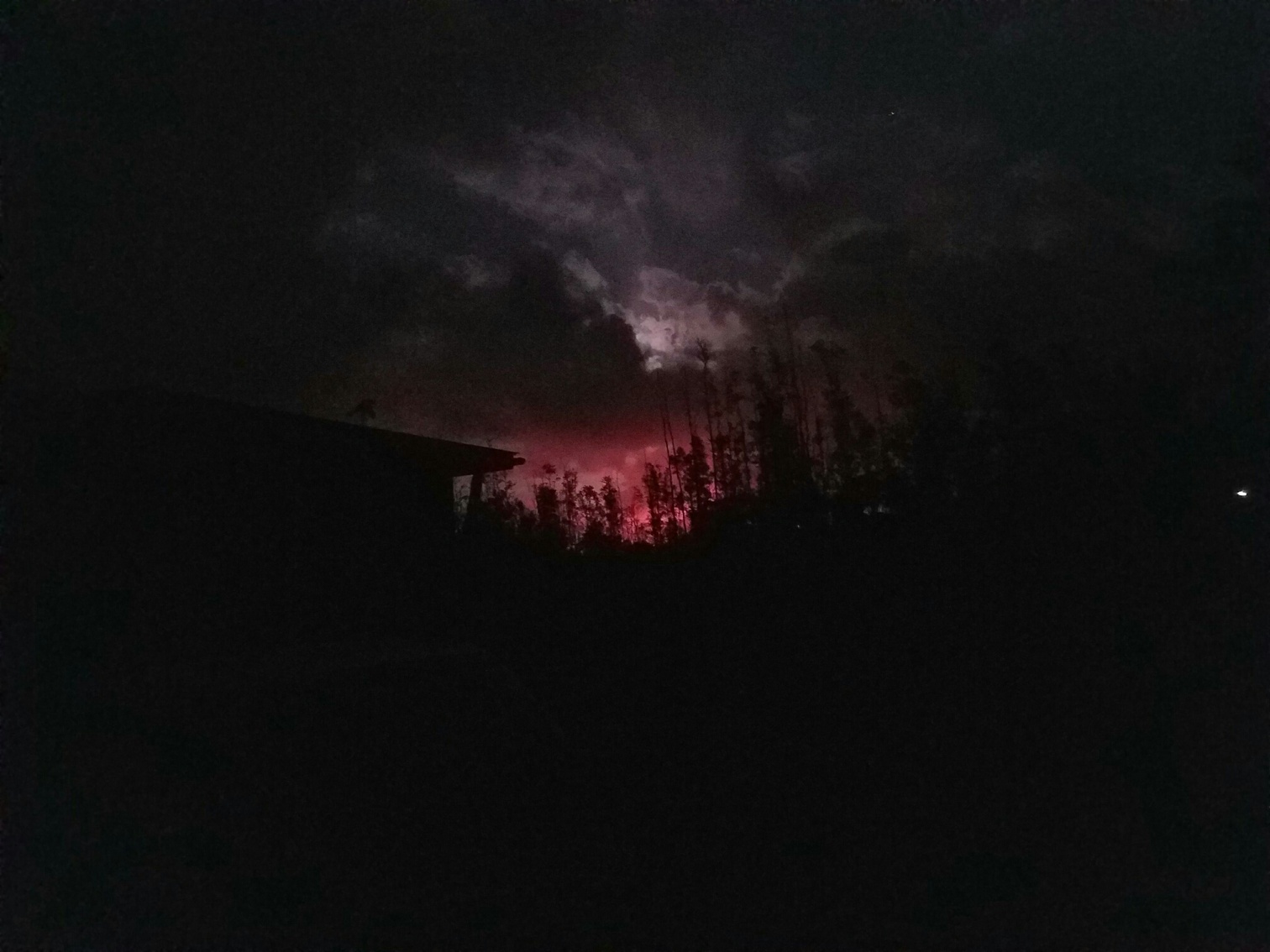
WASILLA — The Big Island of Hawaii is facing big problems with lava flowing from the erupting Kilauea volcano. The lava has destroyed hundreds of homes, leaving scores of people without shelter. Kiley Giovannoni didn’t wait for her house to burn down or stick around for her kids to inhale the noxious fumes. Giovannoni grabbed her two kids and flew to Alaska, finding refuge with old friends and picking up the pieces one day at a time.
“We’re just going with the flow,” Giovannoni said.
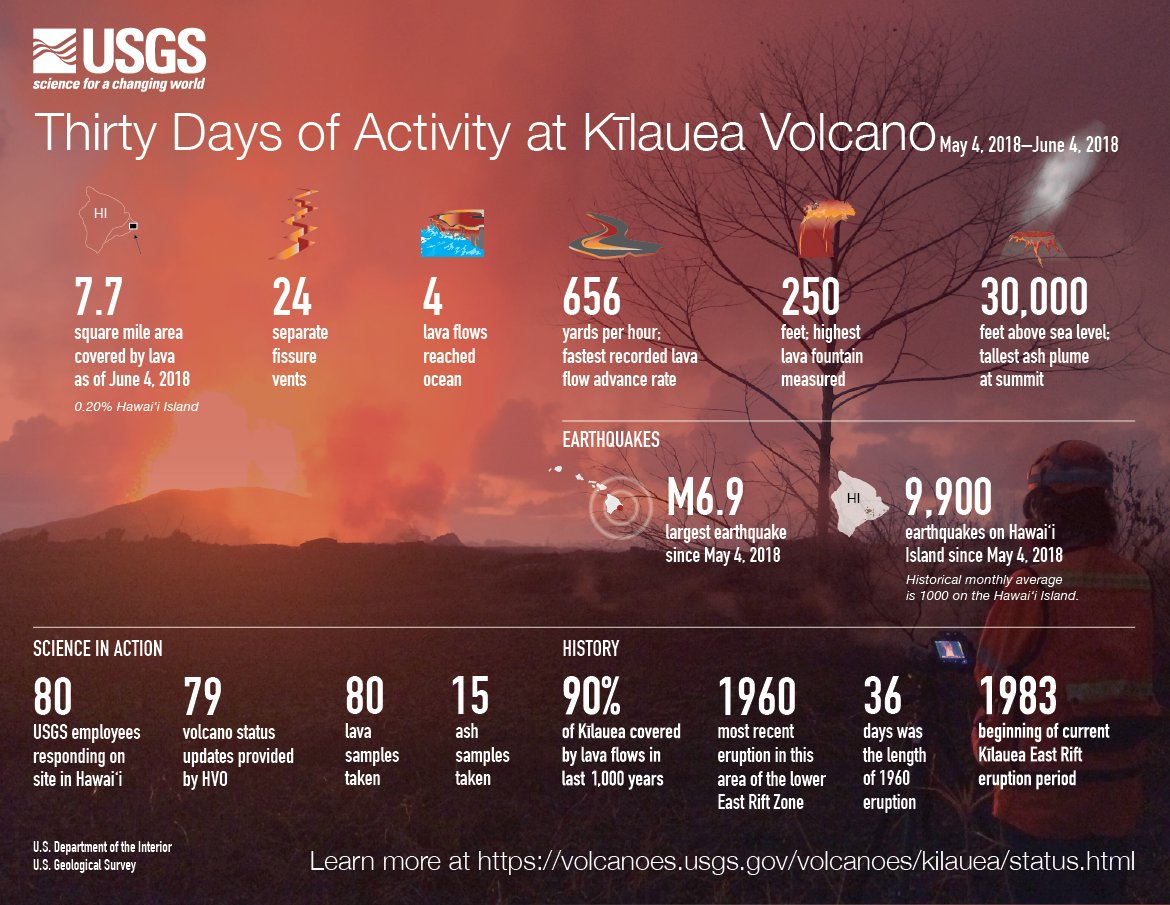
As of June 4, the lava has already covered 7.7 miles of the island, according to information provided by the U.S. Department of the Interior and U.S. Geological Survey.
Giovannoni moved to the Mat-Su Valley when she was 12, and spent her formative years here. She ultimately moved to Hawaii, becoming a bonafide snowbird, calling both states her home. Giovannoni has spent 11 seasons as a firefighter for the Alaska Division of Forestry, spending her summers fighting fires and saving up money to spread through the rest of the year back on the island. She made it here just in time for fire season; only it wasn’t by choice and their island home could burn down just like the others.
“It’s still crazy over there — like a slow moving train wreck,” Giovannoni said.
This lava afflicted island mirrors events like those previously seen during Hurricane Katrina, only in this case, the streets are flowing with molten magma instead of water.
“When it was time to go, it was time to go,” Giovannoni said.
After Giovannoni’s father died, she used $5,000 of her $20,000 inheritance to purchase a lot in Pāhoa. The land was particularly cheap and hundreds of people flocked to this particular part of the island. The price was good but came with catch: her lot was in one of several designated “lava zones” at higher risks than other, more expensive parts of the island.
Similar to Katrina, people reacted to this natural disaster in different ways. Many individuals and families evacuated the island while others stayed behind. Giovannoni said her 68 year old neighbor stayed behind, donning gas mask and standing his ground. She said he won’t leave until someone makes him.
The National Guard is currently patrolling the area to assist the residents best they can. Giovannoni has a friend in the Guard who happened upon her house. He told her that her house had visible sings of a break in, “rippers” as the locals call them. The Big Island has already been plagued with burglars addicted to ‘Hawaiian Ice’ (methamphetamine). The burglars turned to looters after disaster hit. It’s not uncommon to see looters during these types of events. Addicts aren’t the only ones who go house to house but they are surely a large portion of those left behind. Giovannoni‘s neighbor told her that someone just walked right in his house one day.
“They’re going like door to door,” Giovannoni said.
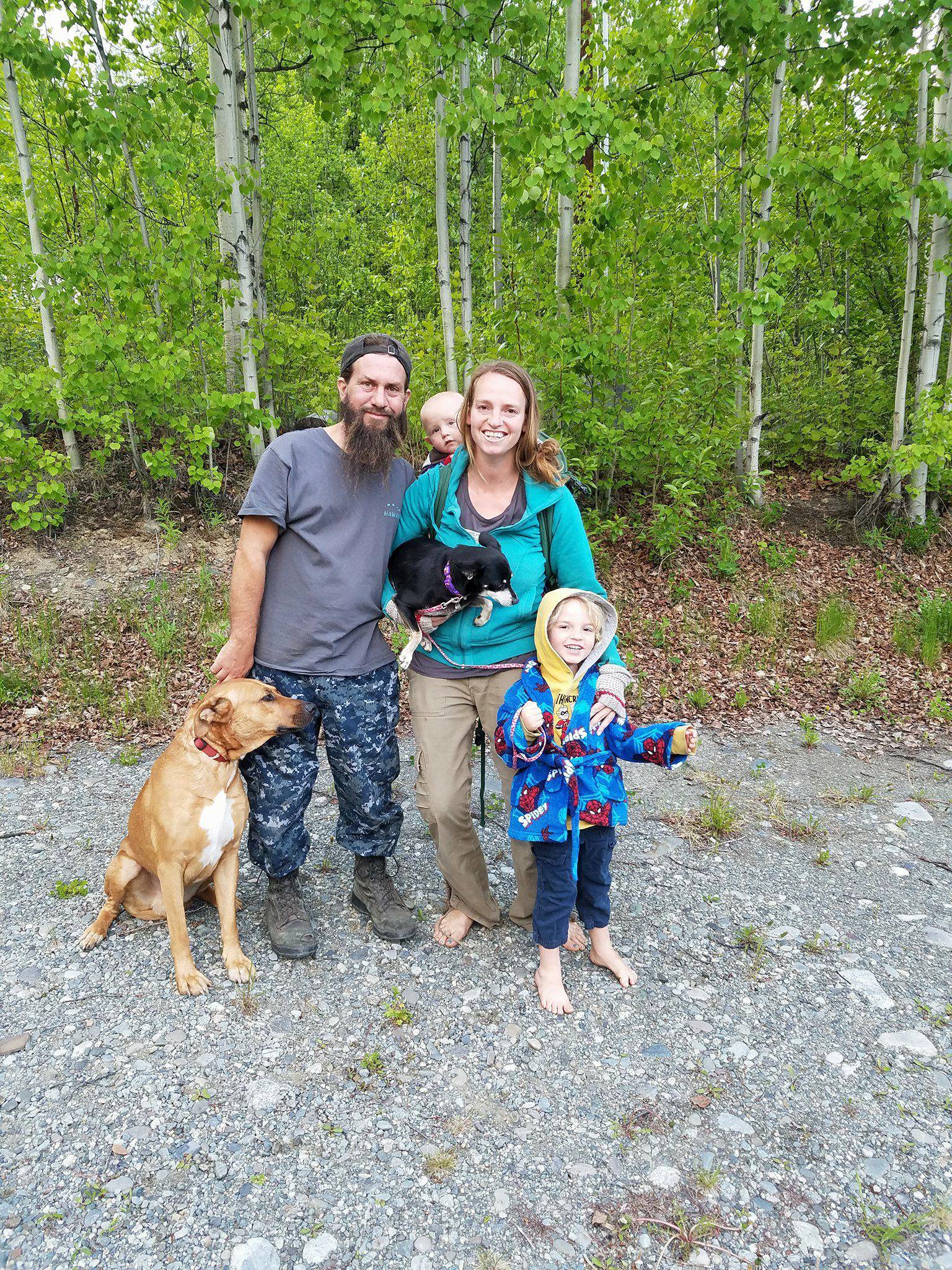
Giovannoni has been in Alaska for three weeks and her partner, Kenneth Winters, got here last week. The reunited family stayed with friends in the Valley while they looked for work and trying to pick up the pieces. Giovannoni found firefighting work up the Valdez/Copper River area so they migrated to another friend’s cabin in Copper Center.
Giovannoni said they found homes for their assorted pets: goats, cats and dogs. Their chickens are presumed dead. Many of her remaining neighbors are living in tents and shelters. Her brother is a security guard for one of the shelters.
This natural disaster followed a manmade scare. Prior to the eruption, the state of Hawaii — locals and otherwise — experienced mass shock and anxiety over the ‘Hawaiian Missile Crisis.” This took place after President Trump’s sabre-rattling with North Korea, so the island was already stirring with paranoia, Giovannoni said. There were newspaper articles on survival tips for nuclear fallout.
“Everybody was already freaked out a little bit; It felt like a real possibility,” Giovannoni said.
Like many people that day, Giovannoni thought the missile warnings were real for about 45 minutes. ‘This is not a test’ repeated several times. Tourists even got notifications on their phones. Some of Giovannoni’s Alaskan friends happened to be leaving that day and told her they got notifications on their phones as well. She clenched her babies and waited for a “bright flash” until the mishap was finally cleared up.
“Maybe I was going to be holding them for the last time — it was scary,” Giovannoni said. “Somebody pushed the wrong button over there. It was interesting that it took them so long.”
Giovannoni and her family are still picking up the pieces of their lives, unsure of what the future holds.
For now, they are getting by with some help from their friends. Giovannoni will start fighting fires again while Kenneth watches the kids this summer. The twist of fate seems almost ironic for the seasoned firefighter, displaced as a different kind of heat continues to ravage her Hawaiian homeland. The lava is still flowing and the official count of homes destroyed isn’t out yet.
“You can’t put lava out the same way you put a fire out. There’s just no stopping the lava,” Giovannoni said.
After that, Giovannoni doesn’t know if she will end up back in the Valley or where they will end up next. She said they won’t know how much they’ve lost until they check back in with their neighbors. In some cases, people affected by lava have received support, either with another lot to live on or a cash buyout. Giovannoni isn’t sure if she or anyone else will get a similar offer.
“I don’t know what’s in our future now,” she said. “I feel really blessed to have Alaskan friends.”
The family or ‘Ohana’ successfully evacuated the island but they have a lot of ground to cover financially.
To support Giovannoni and her family, visit: www.gofundme.com/help-evacuate-my-ohana-from-lava
For more information, contact Reporter, Jacob Mann at jacob.mann@frontiersman.com

By Jeremiah Bartz Frontiersman.com A football coach using a hockey reference as the centerpiece for his keynote address may

Frontiersman.com With its headquarters in Wasilla, the Frontiersman has been a primary source of news for the Matanuska-Susitna

By Katie Stavick Frontiersman.com The next generation of leaders took flight this week as the Houston High School Class

By Kyle Wilkinson For the Frontiersman Keynote speaker and Carry the Cure President Bill Pagaran’s words boomed through the