Retiring teacher, coach urges Colony grads to ‘find their 68’
By Jeremiah Bartz Frontiersman.com A football coach using a hockey reference as the centerpiece for his keynote address may


SETTLERS BAY — Bob Ackles fits the “King Maker” bill to a tee.
Now the managing member and accountant of Settlers Bay Golf Course, Ackles and 10 business partners purchased the 110-acre course and its 500 surrounding acres in 2002. Situated on the coast of Knik Arm, the 18-hole championship golf course is surrounded by the majesty of Alaska’s natural beauty. Golfers enjoy “unparalleled views of the Chugach Mountain Range and quiet glimpses of wildlife at every turn,” according to the course website.
Crocker Creek runs through the property, and thanks to the hard work of the golf course owners, the creek now sees a thriving silver salmon run every fall.
But it wasn’t always like that.
At the time of the purchase, a good portion of the original acreage had already been developed into a residential subdivision. Currently, the Settlers Bay housing development includes 700 homes and a community park with Crocker Creek running through it. Expansive views of Knik Arm and the Chugach Mountains, close proximity to the Palmer Hay Flats State Game Refuge and access to a high-caliber golf course has made the community a very desirable place to live.
Since purchasing the property, Ackles was aware of a small culvert on the border of the property with the existing subdivision. This culvert had likely been installed on Crocker Creek in the 1970s. Ackles was unsure if he had ever seen salmon there before. He wondered if the creek had ever supported salmon and if that culvert would still allow fish passage.
Ackles reached out to Mary Price at the U.S. Fish and Wildlife Service and she confirmed the presence of salmon. She also knew that the too-small 36-inch-diameter culvert would not be able to support both adult and juvenile fish passage for very much longer. The Service was interested in improving the passage, and discussions ending in a joint project to design and build a new passage began in 2004.
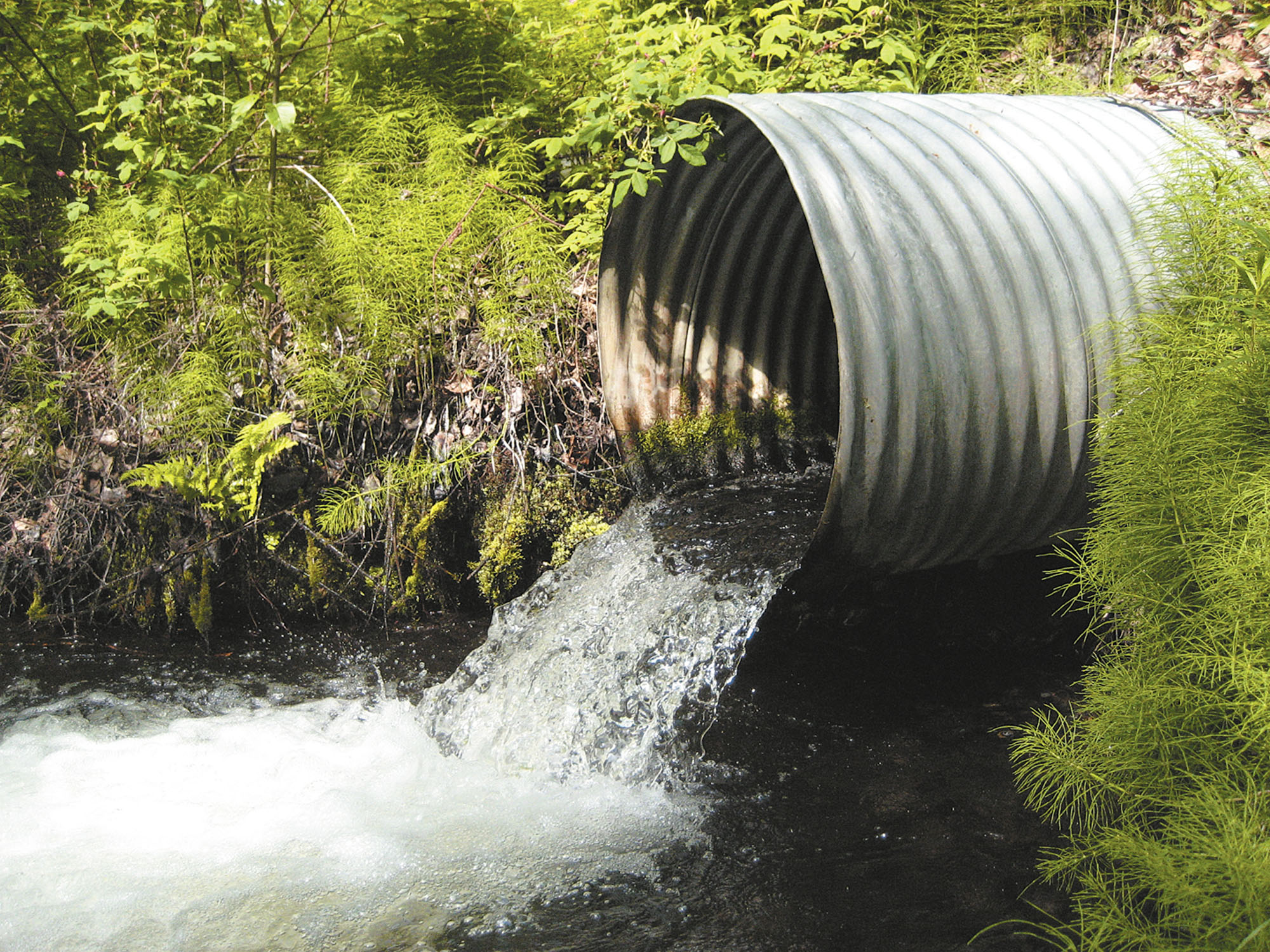
Culverts are installed to channel streams under roads — we pass over them every day. For salmon and other fish, swimming under a road needs to be as easy as swimming through a natural stream channel or they will not be able to reach important spawning, rearing and overwintering habitats. Adult salmon need unblocked access to their upstream spawning grounds, and juvenile salmon need to move throughout the watershed on a daily basis to find food, cover and to hide from predators.
Fish and Wildlife determined the culvert needed to be replaced because it was a significant barrier to adult salmon and young salmon.
One option was to reroute the creek to install larger culverts, then route it back, but that wasn’t really in anyone’s best interest.
“We would have had to build retaining walls … That would’ve been extremely expensive and it would’ve taken longer,” Ackles said.
So Ackles and Price decided to reroute the creek permanently. They worked together to raise the $150,000 in funding necessary to replace the culvert. The federal agency and golf course split the costs evenly.
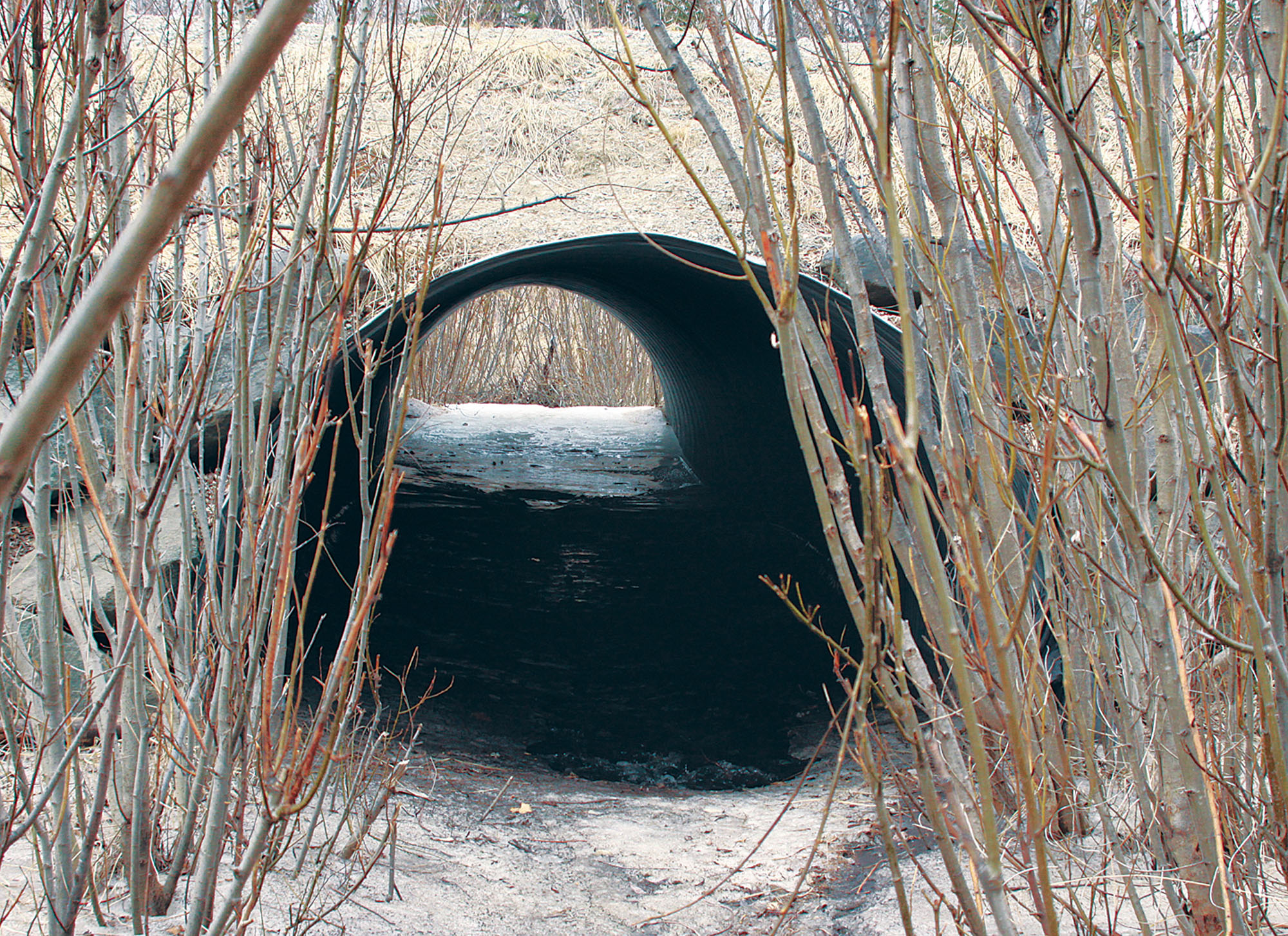
In 2007, Crocker Creek relocated 125 feet east so Fish and Wildlife could bury the new 11-foot-diameter culvert in dry ground. The culvert was filled with 5 feet of organic matter to mimic the natural streambed, and the creek now runs through it uninterrupted.
Ackles and his business partners took care of the mechanical installation; Fish and Wildlife designed the project; and Chris Roach, a consulting engineer, oversaw the installation.
There are approximately 600 culverts along salmon streams in the Valley, 70 percent of which delay or block juvenile salmon movement. Fortunately for Mat-Su salmon, many private landowners like Ackles are taking action to make sure the fish have access to healthy habitat throughout their life cycle.
Through private-public partnerships with Fish and Wildlife, the Alaska Department of Fish and Game, the Mat-Su Borough, various conservation organizations and private landowners, more than 80 culverts in the Mat-Su have been replaced with fish-friendly culverts. The cost to replace a single culvert can run between $150,000 and $300,000. Without landowners like Ackles, who are willing to use their own resources to match local, state and federal funds, these projects would not happen.
Neither would they happen without borough action. In 2014, the borough assembly passed an ordinance requiring all new roads that cross salmon streams to meet the fish-friendly standards. That included installation of “stream simulation” culverts designed to mimic natural stream channels and promote the natural passage of fish.
None of the new fish-friendly culverts failed in the 2012 flooding seen throughout the Valley.
If growth in the Mat-Su borough continues as it has for the past 20 years, the population is projected to reach 400,000 people by 2050. Along with all those new people will come new housing developments, new roads, new shopping centers, and new schools, many of which will be built near important salmon habitat. Making sure our future development is designed to be fish-friendly and replacing the impassable culverts will go a long way in making sure our salmon populations remain healthy and strong.
Before the culvert replacement at Settlers Bay, “the habitat was basically in ruins,” Ackles said.
“Some of the bigger fish were getting through, but it wouldn’t have been long before the habitat was destroyed and the silver run was gone,” he said. “The population is healthy now and we really enjoy seeing the coho in the creek every year. If you catch it at the right moment, you can even see a fish swim right through the culvert on its way to its upstream spawning grounds.”
Kim Sollien is the Mat-Su program director at Great Land Trust. To learn more about the King Makers campaign, contact her at 746-6406 or ksollien@greatlandtrust.org.

By Barbara Hunt Palmer Buzz It was 6:43 on Friday morning and the Plant Owner was sound asleep when

By Kyle Wilkinson Frontiersman Memorial Day Weekend was filled with a variety of events in Willow. From live music to

By Kyle Wilkinson For the Frontiersman The Susitna Valley Emergency Preparedness Fair will be held at the Willow Community Center

By Barbara Hunt Palmer Buzz Green-Up happened at exactly 9:34 am on Saturday morning in Palmer. This was