Retiring teacher, coach urges Colony grads to ‘find their 68’
By Jeremiah Bartz Frontiersman.com A football coach using a hockey reference as the centerpiece for his keynote address may


It is downright miraculous that we can catch trout and salmon in Anchorage. These fish species are extremely sensitive to habitat disturbance, which is why salmon have vanished from most West Coast streams and hardly any large cities in America have self-sustaining trout populations. Fortunately, Anchorage’s streams do have healthy trout and salmon populations, and Mayor Berkowitz and the municipality’s staff are working to protect those fish populations in the face of climate change and other challenges.
Most cities lose their trout when the impervious surface area of a given watershed exceeds 5-10%. Here’s another way to think about it: If more than one in ten feet of a watershed is paved, it is unlikely trout can survive. Fortunately for Anchorage, the headwaters of Chester, Ship, and Campbell Creeks are protected by Chugach State Park. However, headwaters protection alone isn’t sufficient: Near-stream paving and erosion can destroy habitat as well.
It isn’t hard to differentiate between healthy and unhealthy streams. Intact habitat has low stream banks with healthy vegetation along the stream. Unhealthy streams have steep, eroded banks, and often have pavement or mowed grass near the stream. Chester and Campbell creeks show some early signs of degradation in certain locations, but not close to the magnitude in most urban areas.
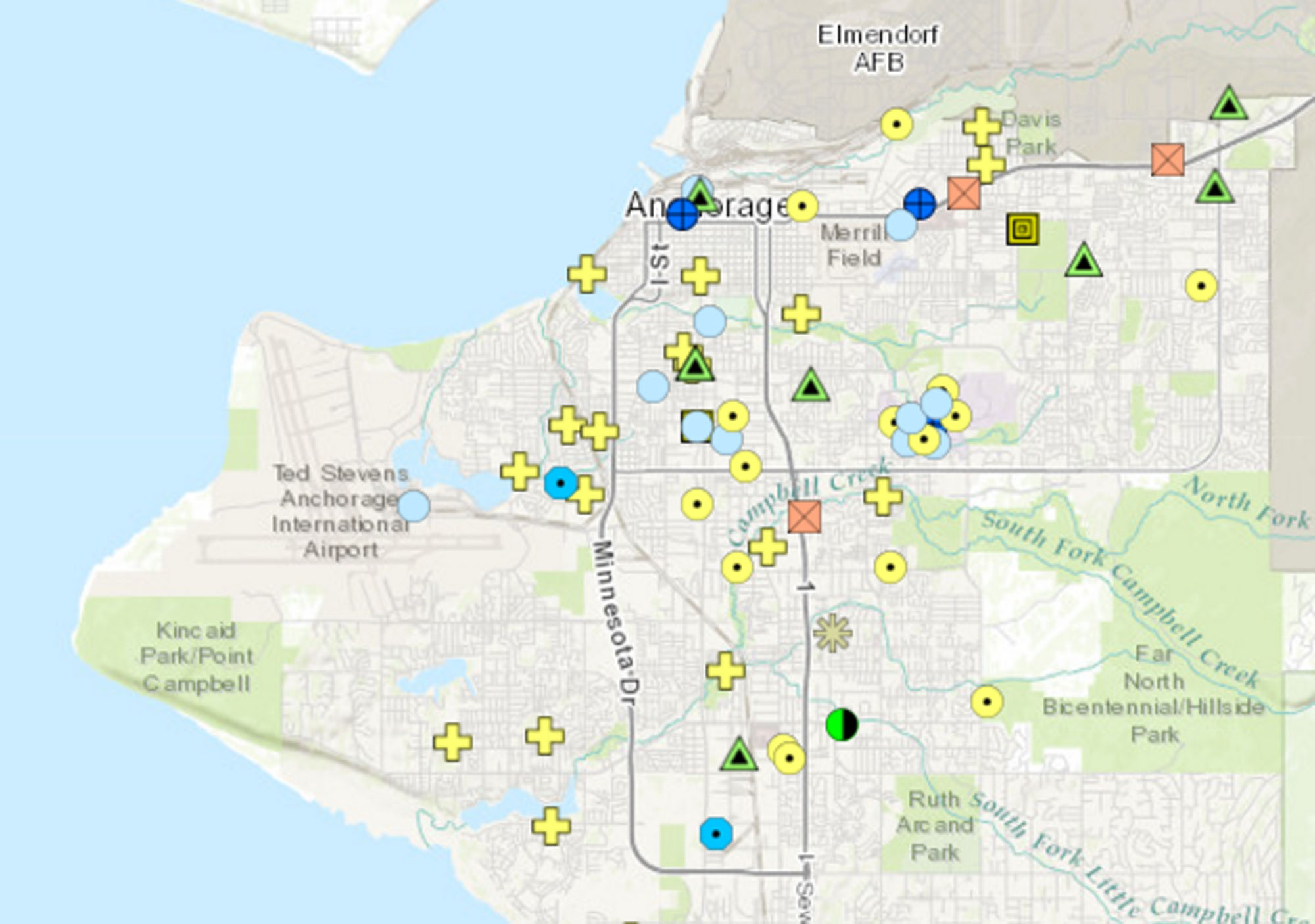
Mayor Berkowitz and the municipality are taking action to stop early-stage streambank erosion and protect fisheries. From Kings Landing to Muldoon to Campbell Lake, the city is implementing dozens of stormwater retention projects to preserve Anchorage’s fisheries. A complete map of the projects is available at http://moapw.maps.arcgis.com/apps/OnePane/basicviewer/index.html?appid=0c7498cca28146e0af6aa40dda17d359. Many of these projects on are municipal land, but citizens who want to do their part have an opportunity to do so. Municipal staff provide technical assistance to help land owners install rain gardens, while reduce localized flooding while protecting our streams and fish.
One of the larger scale stream protection projects in Anchorage is a bank stabilization project on Campbell Creek. The Municipality’s Parks and Recreation Department is using downed trees to anchor the stream bank in places where it had eroded. This streambank restoration is occurring simultaneous with repaving of Campbell Creek Trail, which is logical: Erosion was one of the causes of the trail collapsing in places. The Campbell Creek project shows how preserving fish habitat is related to other public policy needs: Reducing stormwater runoff and stabilizing streambanks doesn’t just protect fish. It also reduces flooding and reduces what would otherwise be more expensive infrastructure repairs.
While the projects being implemented by the city are ambitious and laudable, the current model for funding them is less than ideal. Stormwater runoff and its associated impacts on property and fisheries should be addressed equitably, with property owners taking responsibility for impacts of their land and paved surfaces. That is more fair and more effective than paying for stormwater infrastructure though bonds that socialize the cost of needed infrastructure. Mayor Berkowitz is exploring creation of a stormwater utility, and if implemented it would ensure that the municipality can continue protecting its fisheries and citizens’ vulnerable properties long into the future.
If you want to go fishing without a long drive, or any drive at all, check out your local creeks. Chester and Campbell Creek have great trout fishing, and salmon fishing is legal in certain stretches of Campbell Creek. Ship Creek has a very popular salmon fishery, including kings and silvers. No other state in America’s largest city is home to trout and salmon in all its largest streams. Anchorage’s hometown fisheries are part of what make this an exceptional place to live, so enjoy and protect them.

By Kyle Wilkinson Kyle in the outside Our spring bear hunt was bittersweet this year. We’re heading home without

Frontiersman.com Valley athletes earned titles during the Region III Championships track and field meet last week at Colony High

Leila Petersen Palmer Moose Leila Petersen, a member of the Palmer track and field team, has been named a Frontiersman

By Jeremiah Bartz J’s World August would have been the start of my 25th year as an editor at