Retiring teacher, coach urges Colony grads to ‘find their 68’
By Jeremiah Bartz Frontiersman.com A football coach using a hockey reference as the centerpiece for his keynote address may


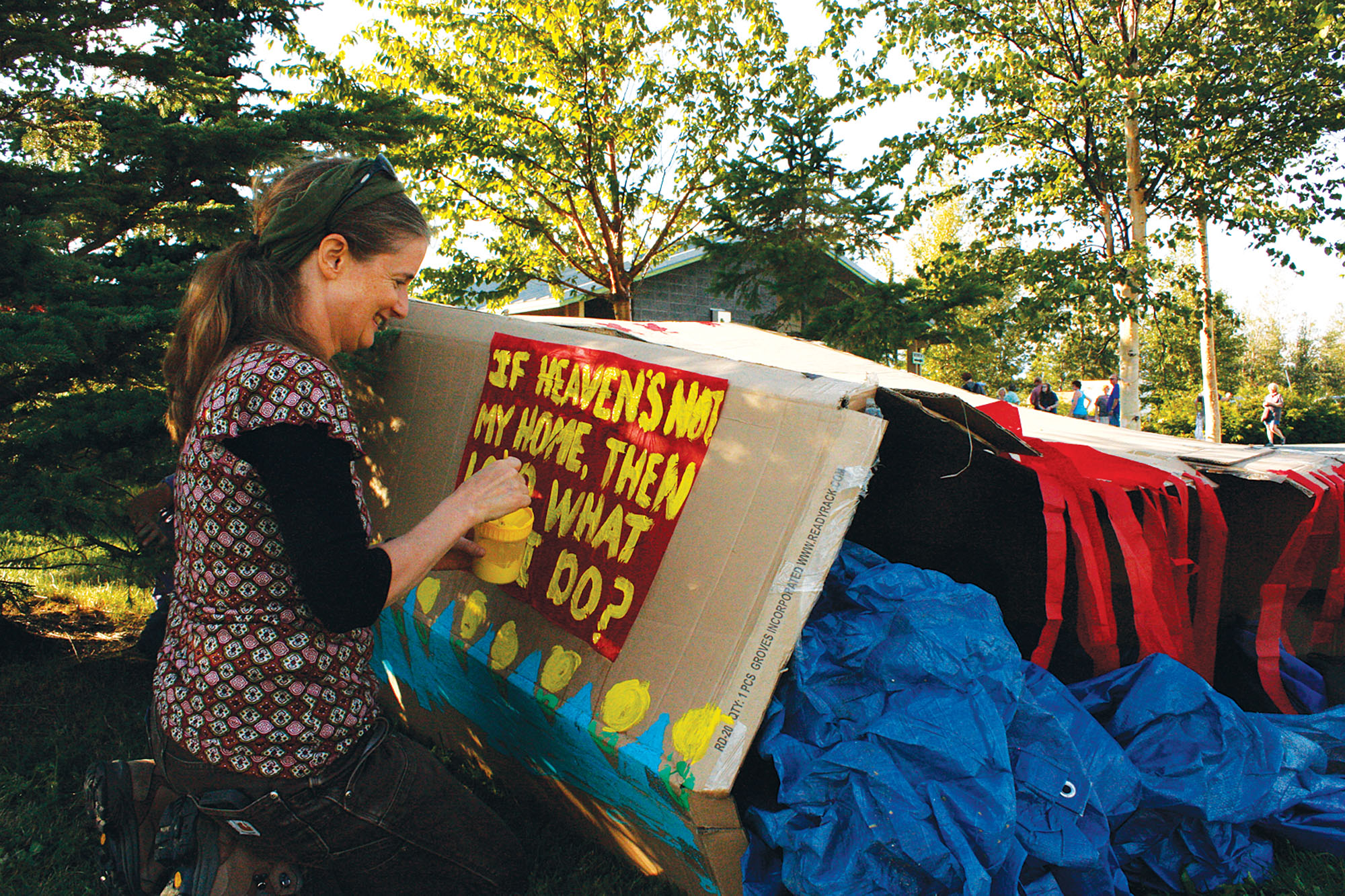
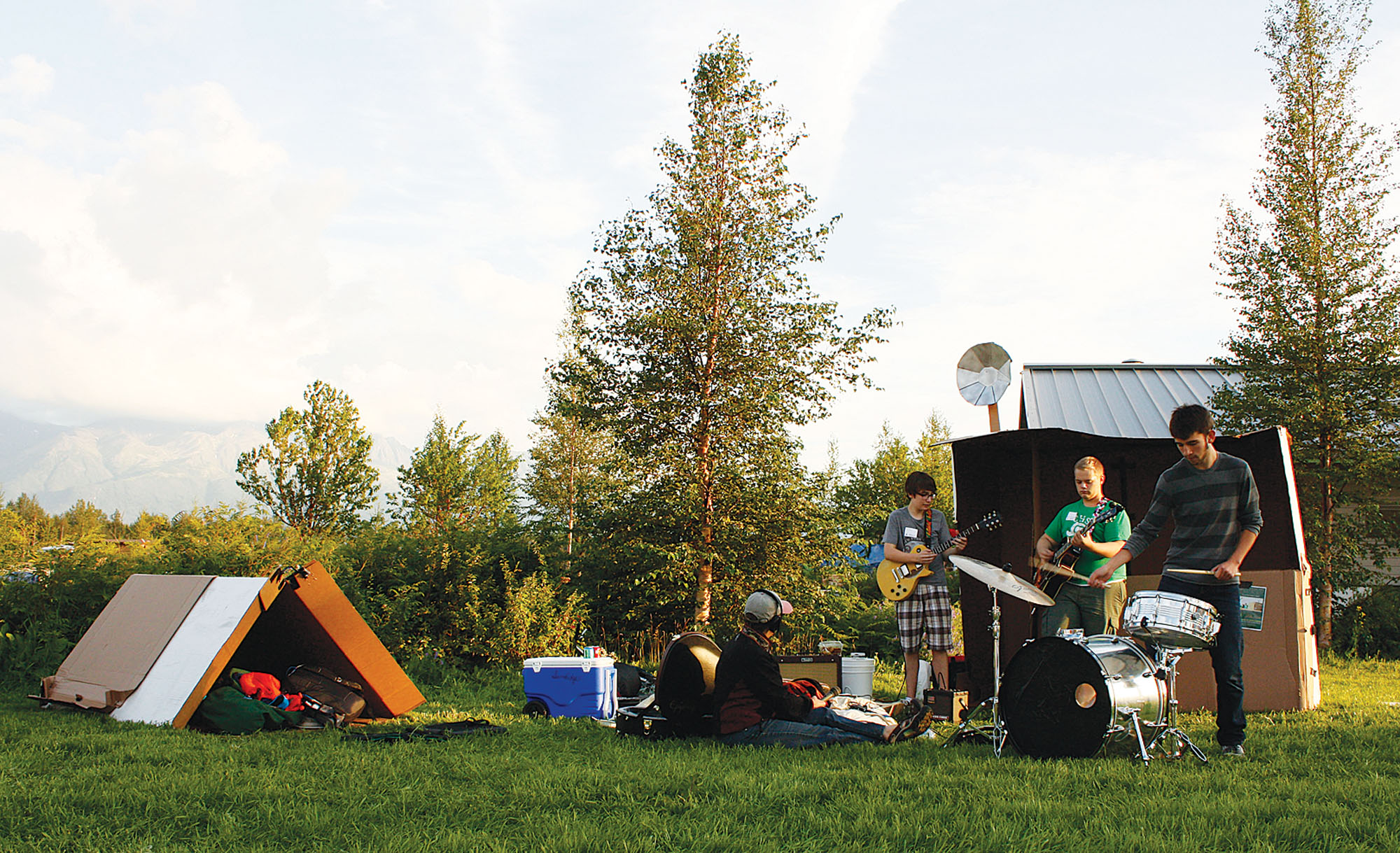
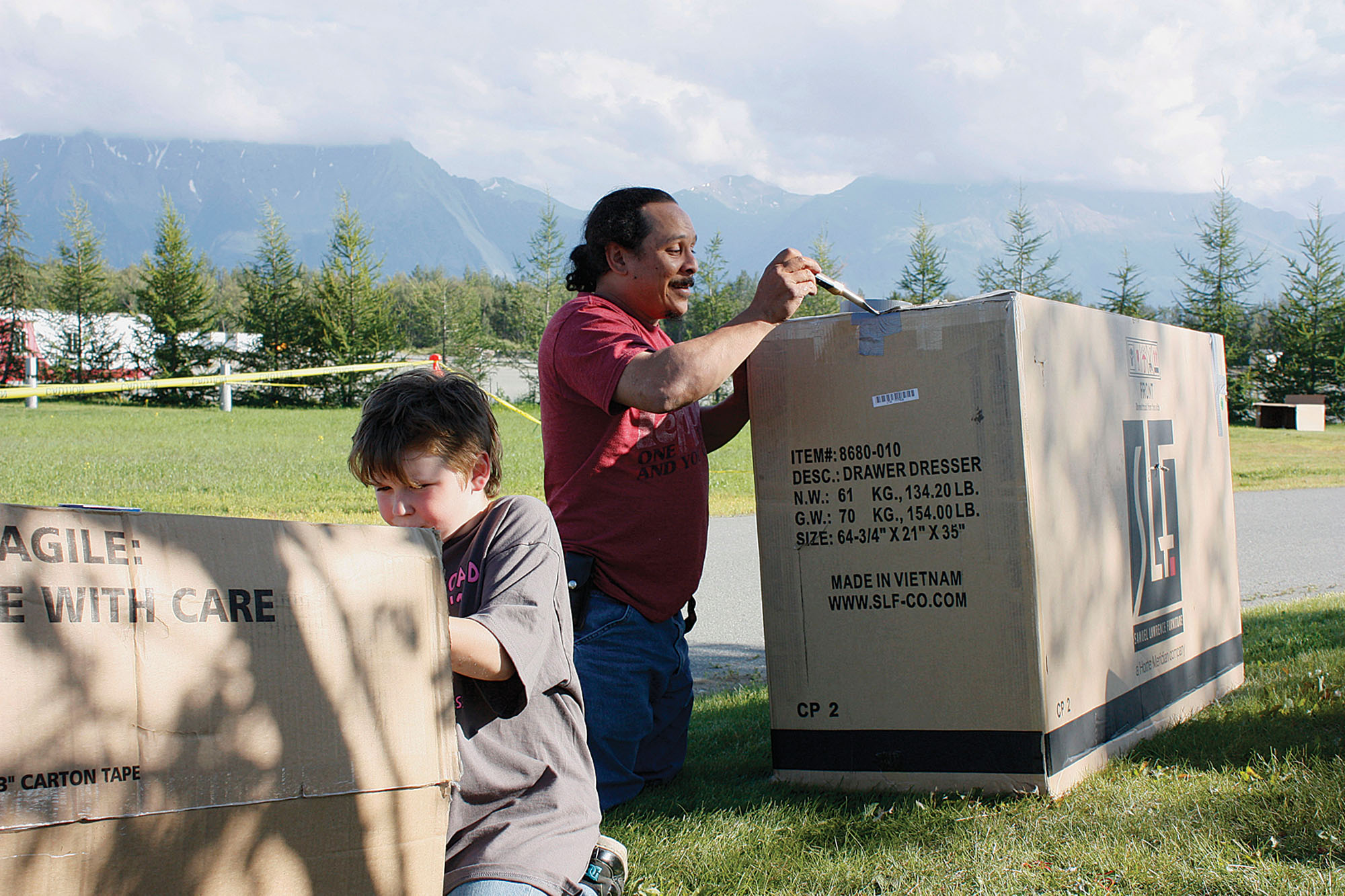
This weekend, I spent 15 hours trying to be homeless as a participant of Cardboard City 2014. It was a little disorganized due to some miscommunication, misplacement of things, and lack of sufficient volunteer staff, but there was plenty of good food, great cardboard creations, and the sun shone into the evening.
When I awoke early the following morning in my sleek, heavy-duty sleeping bag to a soggy, sinking roof and a steady rainfall, however, I started to get a clearer picture of reality; after all, the Family Promise staff did say it has rained on Cardboard City every year.
But as I drove home in my warm car, donut in hand, daydreaming of the hot coffee and shower I would soon experience, I realized a very important truth:
I am not homeless.
This may seem like a fact that I should have been well aware of long before the event, but Cardboard City really drove it home. It was not because I was deprived of the daily “needs” of the upper middle class for a night, but because I pretended to be, when I had food, water, money, clothes, and a car with a full tank of gas at my immediate disposal.
One woman, as part of the introduction for the event, shared the story of her family’s sudden loss and Family Promise’s successful push to get them back on their feet. Her husband was suddenly laid off, “with no explanation,” and with their small son, they couldn’t afford to stay in their current living situation, nor did they have enough time to find a new place before they were kicked out. No job meant no money, no money meant no housing and no food, and no housing or permanent address meant no job that could pay enough for them to get a new place. Both parents were working long hours and could not secure a babysitter.
Family Promise paid for the family’s car insurance and connected them with a church, and through that church the husband of the family was able to get a job. Now the family has a place of their own and the mother is free to stay home with their child. The rest, of course, is history.
As a reporter, one is expected to be a paragon of objectivity — to simply deliver the crucial Who, What, When, Where, Why and How of the news, the event, the story. But if we are not at least sympathetic as people, things will never change. We will keep reading and writing about homeless people freezing or starving to death in the headlines, and that is not something I want to have to do.
Each homeless person’s situation is different, and not every one is a success story. Even though Cardboard City only gave me a glimpse of one case of homelessness, I know the previous statement to be true.
But I would like to change that. I still probably have no idea how very far I am from being homeless, but that could change at any moment, and I think I am starting to understand this. Understanding, as far as I can see, seems like a good first step, and a good first goal. So here are some things to understand about homelessness:
Being homeless isn’t camping, and for most people it isn’t expected. Not only that, but it isn’t private, either. One doesn’t always have the luxury of simply having a door to shut out the public eye, even if it’s only made of cardboard. There are public computers and bathrooms to use for free in towns like Palmer and Wasilla, but those are not always a given. Either way, every person feels the need to have some privacy at some point, and homeless people often do not have a choice.
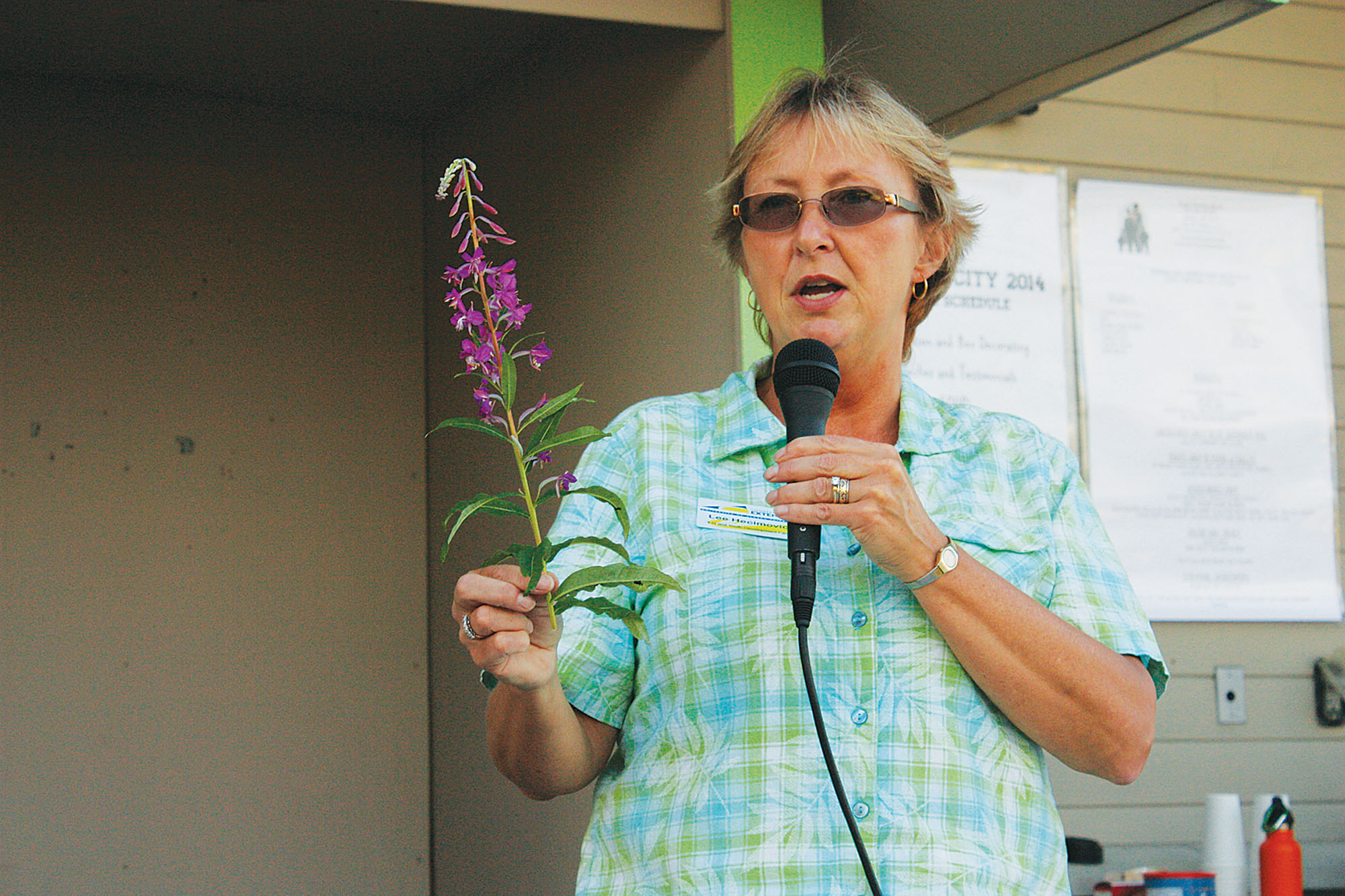
Lee Hecimovich, the Cardboard City 2014 resident plant expert, also pointed out that in desperate situations, one might very well have to “live off the land,” which is fairly difficult to do if one has no weapons and no knowledge of edible versus non-edible plants. If I had suddenly found myself in such a situation before Cardboard City, I am fairly certain I would have made myself sick eating plants I misidentified.
With this in mind, I hope to look on homelessness in Alaska in a different light — rather than a problem to be covered up or ignored as a quick solution, I hope to see it as, first of all, an opportunity to help and get to know people. Maybe then, eventually, there won’t even be homeless people who need help.
Caitlin Skvorc is an Alaska Grown reporter who lives in Wasilla and writes for the Mat-Su Valley Frontiersman.


By Barbara Hunt Palmer Buzz It was 6:43 on Friday morning and the Plant Owner was sound asleep when

By Kyle Wilkinson Frontiersman Memorial Day Weekend was filled with a variety of events in Willow. From live music to

By Kyle Wilkinson For the Frontiersman The Susitna Valley Emergency Preparedness Fair will be held at the Willow Community Center

By Barbara Hunt Palmer Buzz Green-Up happened at exactly 9:34 am on Saturday morning in Palmer. This was