Retiring teacher, coach urges Colony grads to ‘find their 68’
By Jeremiah Bartz Frontiersman.com A football coach using a hockey reference as the centerpiece for his keynote address may


Think Scotland and the Alaska Scottish Highland Games, and inevitably three things comes to mind: haggis, bagpipes and kilts. They undoubtedly form part of the nation’s identity and history, much like rubber boots, outdoors, and ATVs are often a part of Alaska’s identity.
Perhaps the most prominent of the Scottish identity has to be the kilt—a typical item of men’s Highland Dress. Kilts are a source of pride and honor, embodying the Scottish heritage and tradition. Worn at weddings, christenings and military parades alike, this icon of Scottish clothing endures even today. As a long-standing and much-respected emblem of Scotland, it’s only right that the kilt’s history is remembered and celebrated.
Kilts are usually worn at formal events, but competitors also wear them at the Highland Games. But this wasn’t always the case. Starting in the 16th century, kilts were mostly restricted to the Highlands and widely thought to be the garment of savages. The Lowlanders, who make up the majority of Scots, regarded this form of apparel as barbaric and loathsome. It wasn’t until centuries later that the kilt became associated with the wider Scottish and Gaelic cultures and is often made of a woolen cloth in a tartan pattern.
Starting out as the ‘great kilt’, the kilt that is recognized today (the small kilt) has its roots in the late 1600s. But the history of the kilt stretches back to a century before, appearing at the end of the 16th century, as the belted plaid or ‘great kilt.’ It was a full-length garment whose upper half could be worn as a cloak draped over the shoulder or brought over the head as a hood.
The stormy weather and treacherous terrain of the Scottish Highlands made the belted plaid advantageous. The wool fabric provided warmth, and the skirt allowed freedom of movement, while the upper half served as a cloak against the weather, drying quickly and providing adequate overnight blanketing.
Most may be familiar with this early version of the kilt from the film: ‘Braveheart,’ depicting the life of William Wallace, defender of Scottish liberty, who dons a belted plaid to show his commitment to the Scottish cause. However, this depiction is seen as inaccurate as the great kilt did not come into existence until some 300 years after Wallace’s death. Still, it leaves an idea of what this large blanket-like piece of fabric looks like.
The knee-length tartan kilt most are familiar with today closely resembles the small kilt or walking kilt, which wasn’t developed until the late 17th or early 18th century.
Essentially the bottom half of a great kilt, the small kilt, also known as walking kilt, became popular in the Highlands and northern Lowlands, even as the great kilt continued to be worn. The design of the small kilt was adopted by the Highland regiment of the British Army, the military kilt, then passed into civilian usage and has remained popular ever since.
For some, the belted plaid too cumbersome for the labors of smelting ore and manufacturing charcoal, so for efficiency and practicality, a kilt made up of the lower half of the belted plaid, also known as the walking kilt was born. The tartan skirt-like garment soon became a fashion hit.
In 1746, in the wake of the Jacobite Uprising, to avoid the bloody battles of the past, all items of Highland Dress, including the kilt, were outlawed by the Dress Act (or Diskilting Act). It was an attempt to suppress Highland culture and bring warrior clans under government control. An exception was given to the Highland Regiments of the British Army—each of which was given different tartans so they could be identified.
Anyone defying the ban was sentenced to six months’ imprisonment for their first offense; and for their second, they were confined for the space of seven years. During the ban, it became fashionable for Scottish romantics to wear kilts as a form of protest.
In 1782, the Diskilting Act was repealed. By that time, kilts and tartans were no longer ordinary Highland wear, paving the way for new interpretations of Highland Dress, and thus, a new identity of the Highlander was conceived. No longer bare-legged, dangerous barbarians, they became admirable, kilted versions of the ‘noble savage’. This romanticized vision of Scottish Highlanders was a reaction to the urban and the industrial and a celebration of the untamed wilderness.
A traditional Scottish kilt is made from worsted wool and twill, creating a distinctive diagonal-weave pattern in the fabric. When woven in a particular sett or color pattern is called tartan.
Perhaps the most striking feature of the authentic Scottish kilt is the tartan pattern, or the sett-an association of particular patterns with individual clans or families can be traced back centuries.
Known for its vibrant tartan designs, kilts were worn depending on the wealth of the wearer. They were either colored in various check tartan designs or plain wool. Many original wearers could not afford to purchase elaborate designs. After all, this Scottish traditional dress was a largely practical form of clothing, not ceremonial as it is considered today.
Today there are particular tartan patterns for organizations, societies, districts and counties. There are also setts for universities and schools, sporting activities, and individuals.
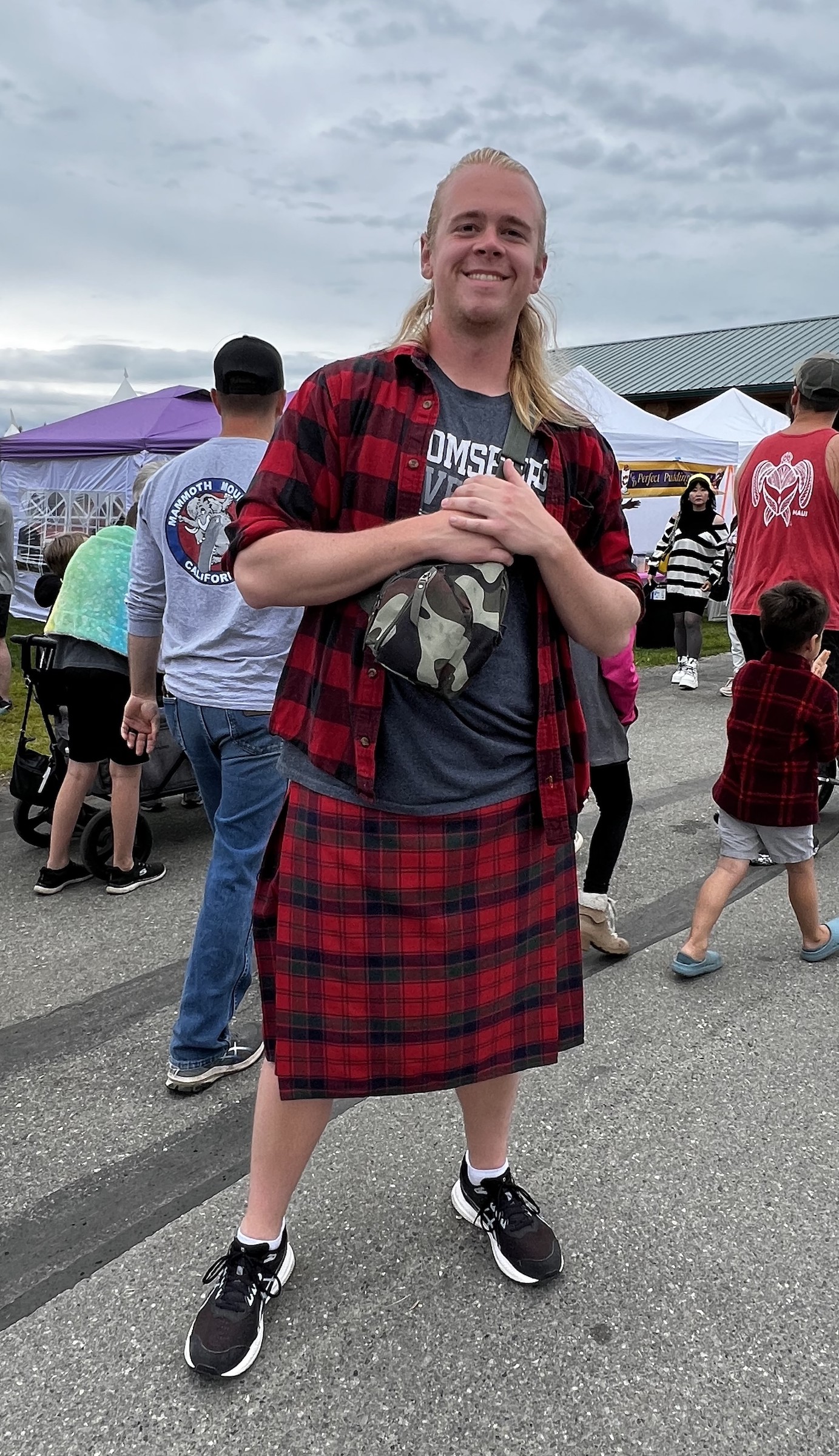
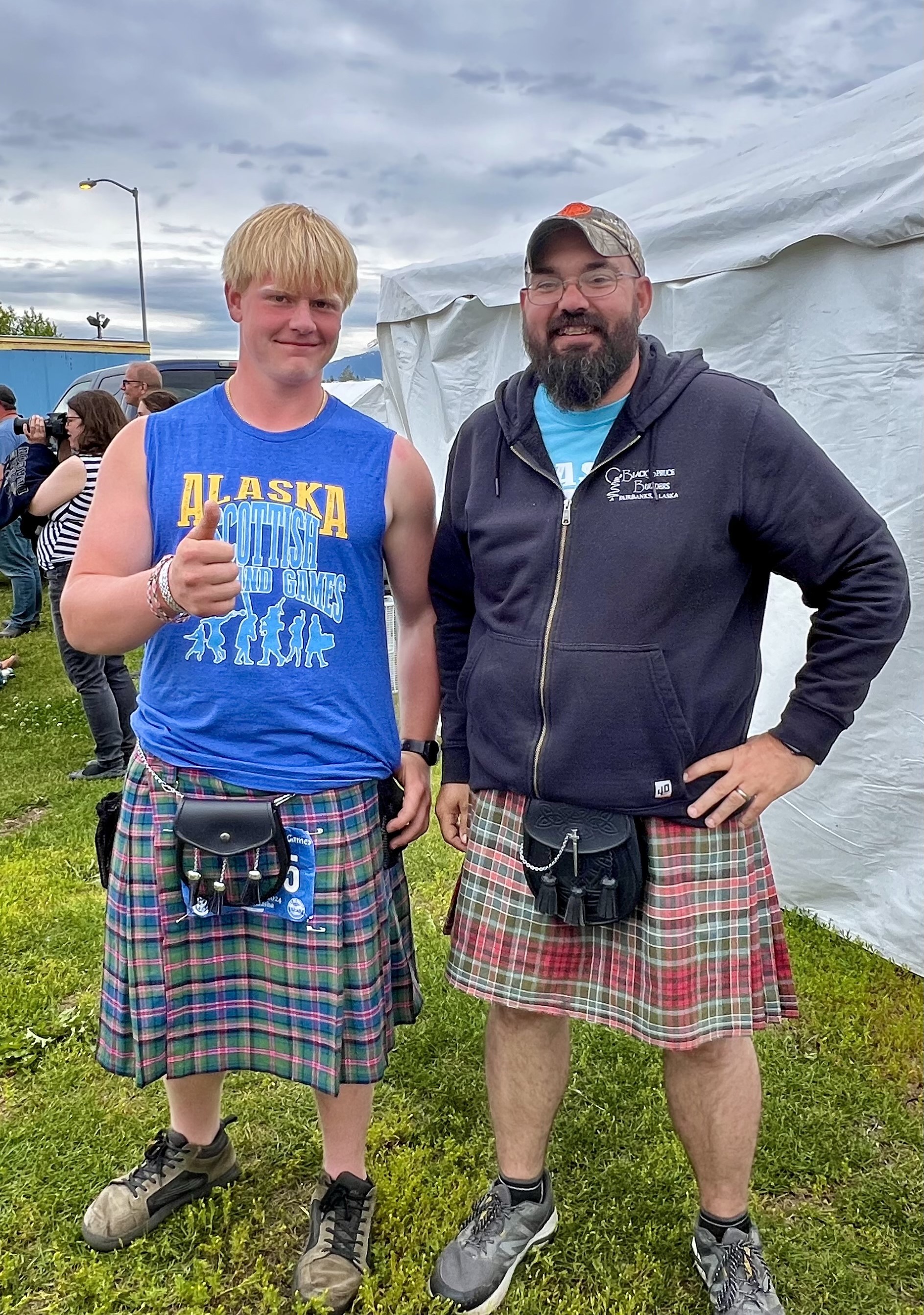
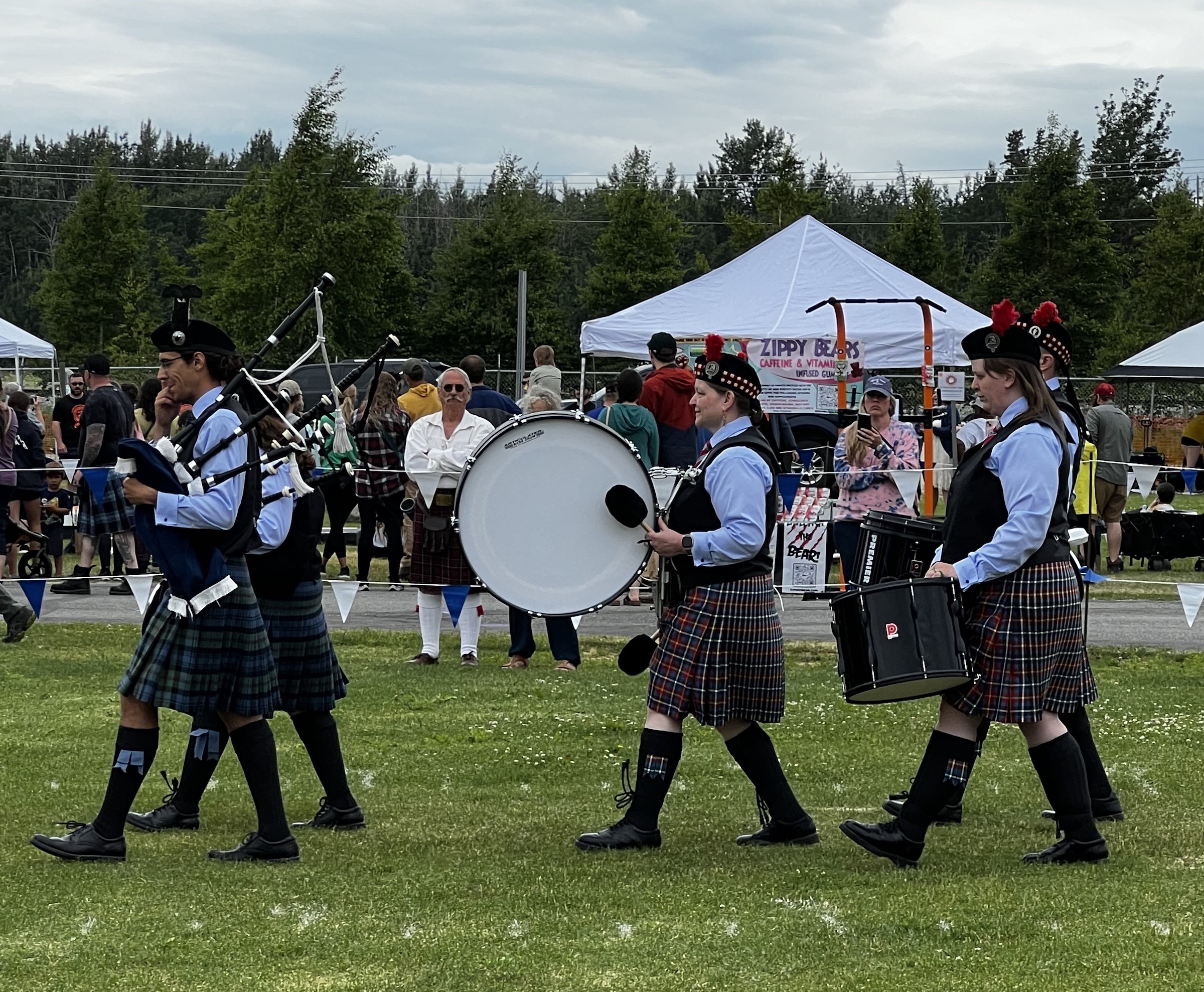
Men can be seen wearing kilts as an alternative to trousers at formal events like weddings, christenings, and graduations, and of course at the Alaska Scottish Highland Games.

By Barbara Hunt Palmer Buzz It was 6:43 on Friday morning and the Plant Owner was sound asleep when

By Kyle Wilkinson Frontiersman Memorial Day Weekend was filled with a variety of events in Willow. From live music to

By Kyle Wilkinson For the Frontiersman The Susitna Valley Emergency Preparedness Fair will be held at the Willow Community Center
By Katie Stavick Frontiersman.com From the remote villages of the Arctic coast to the bustling studios of Juneau, Alaska