Retiring teacher, coach urges Colony grads to ‘find their 68’
By Jeremiah Bartz Frontiersman.com A football coach using a hockey reference as the centerpiece for his keynote address may


TALKEETNA — Ruth Wood and John Strasenburgh know a special place when they see it.
In 1993, Wood and Strasenburgh bought land in Talkeetna along the shores of Little Question Lake. The property included shoreline and a spectacular boreal forest. They knew from the moment they first laid eyes on the property that it was worth protecting.
“We were immediately struck by the rich, natural environment,” Strasenburgh said.
After building their new home in 1998, the couple reached out to Great Land Trust, and they began working on a voluntary agreement to permanently protect their land.
As a land trust, the organization is tasked with safeguarding the Southcentral Alaska way of life by conserving the lands and waters Alaskans love. Through partnerships with private landowners, driven by our shared connection to the land, the trust is working to conserve the purity of local drinking water and the integrity of fish and wildlife habitat.
Wood and Strasenburgh knew a conservation easement on the land they loved and had cared for over the years would be a way to ensure this important fish and wildlife habitat would be protected, even after they were gone. At the time, the trust had recently formed and had only completed a few conservation easements in Anchorage.
Strasenburgh reflected on the initial conversations.
“We learned a lot from GLT, and GLT, in turn, learned a lot from working with us,” he said. “There were many questions that were new to all of us.”
Wood’s and Strasenburgh’s partnership with the trust yielded a conservation easement that both parties are proud of and that will stand the test of time. Silver salmon will continue to spawn in the lakes and streams on their land, and the property will be a home to terrestrial animals such as moose, black bears, brown bears, porcupines, red squirrels, snowshoe hares, beavers, ermines, muskrats, river otters, flying squirrels, lynxes and numerous bird species.
For landowners, deciding to permanently limit certain types of development on their lands is a big decision that requires careful consideration. Conservation easements are permanent, and making choices about how the land can be used now and in the future is a process. Each conservation easement the trust drafts is unique, depending on each landowner’s wishes and the habitat and open-space values of the property.
For example, an easement could limit all future development, or it could allow for a future home, agricultural activities like farming or ranching, and/or trails. The trust works closely with each family to draft a conservation easement that represents their needs while protecting the community assets the land provides.
The landowners benefit by having peace of mind about the future of the land and potentially gaining federal income tax benefits that could be associated with the easement. And for some landowners, there may also be a reduction in property taxes, if the development value of the land is reduced by the easement.
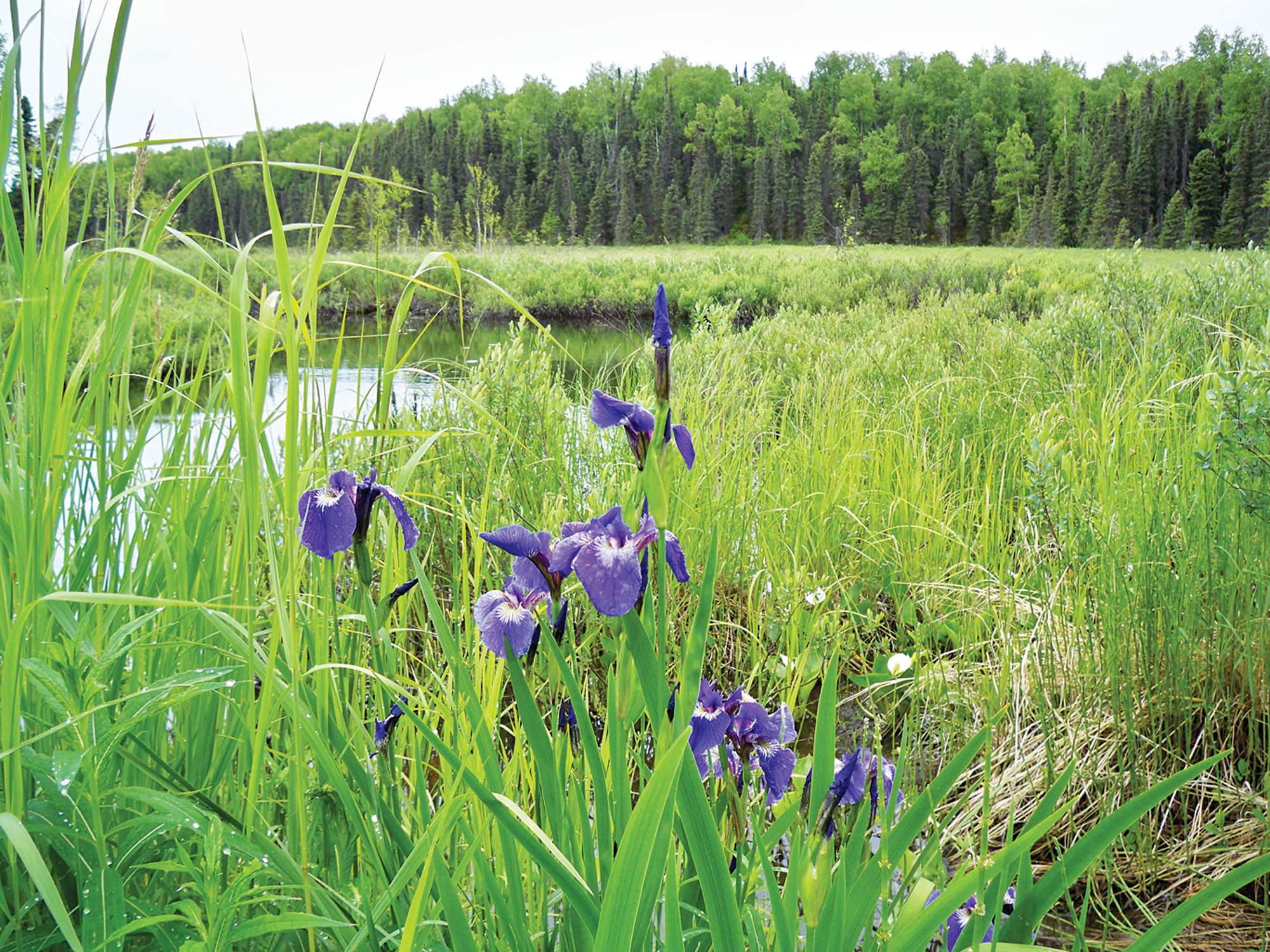
A few years after Wood and Strasenburgh purchased their original property, they acquired nearby parcels that contain a productive wetland complex that feeds Little Question Lake. They felt the same way about these newly acquired lands and wanted to see them conserved. The couple has now completed two conservation easements with the trust and they have begun working on a third.
For the trust, protecting wetlands like those on Wood’s and Strasenburgh’s properties is a high priority because of their high conservation value. Wetlands filter and store water, provide storm-resultant flood control, support a wide variety of plants, and offer essential habitat for wildlife and migratory birds. Headwater wetlands are especially important in supporting spawning and rearing habitat for young salmon.
Wetlands offer an exceptionally diverse selection of foods for salmon fry, including plants, decomposing plant matter, detritus and many different insects. Wetlands also contain ideal places for salmon to rest, hide from predators and practice their tactical swimming skills.
By living in the slow-moving water of wetlands, juvenile salmon spend less energy fighting strong currents and can focus their energy on growing into smolt. Without wetlands, many salmon would not survive to adulthood.
Wood said she is proud of their conservation decisions.
“While lakefront property is very desirable in the Mat-Su Borough, undisturbed lakefront property is equally desirable, for the aesthetic as well as the ecological values it provides,” she said. “We don’t have kids and are not passing the land on to children who could continue to enjoy and protect it. So our legacy is to leave this habitat intact, forever — for the salmon, for the wildlife, and for its own sake.”
Great Land Trust names Ruth Wood and John Strasenburgh “King Makers,” for choosing to work with the trust to protect their family lands, which will forever remain a sanctuary for salmon and other wildlife.
Kim Sollien is the Mat-Su program director at Great Land Trust. To learn more about the King Maker campaign, or for information about how to conserve your family lands, contact her at 746-6406 or ksollien@greatlandtrust.org, or, greatlandtrust.org.

By Barbara Hunt Palmer Buzz It was 6:43 on Friday morning and the Plant Owner was sound asleep when

By Kyle Wilkinson Frontiersman Memorial Day Weekend was filled with a variety of events in Willow. From live music to

By Kyle Wilkinson For the Frontiersman The Susitna Valley Emergency Preparedness Fair will be held at the Willow Community Center

By Barbara Hunt Palmer Buzz Green-Up happened at exactly 9:34 am on Saturday morning in Palmer. This was