Retiring teacher, coach urges Colony grads to ‘find their 68’
By Jeremiah Bartz Frontiersman.com A football coach using a hockey reference as the centerpiece for his keynote address may


WASILLA — As the snow begins to fall, Mat-Su Valley gardeners are shutting down their operations, but they won’t be sitting idle during Alaska’s longest season.
At least a couple garden clubs are meeting this first week of November, with Meadow Lakes Bloomers hosting Good Earth Garden School owner Ellen Vande Visse yesterday (Nov. 2) and Wasilla’s Valley Garden Club hosting Steve Brown from the Mat-Su Cooperative Extension Service this morning.
Meadow Lakes Bloomers board member Bev Marple, who recently stepped down from the club’s presidency, said she’s been gardening in Alaska since 1967, and is “still learning,” she said.
Last year, for example, Marple learned about pallet gardening, where one secures cloth between the wooden slats to hold dirt for planting herbs or small flowers outdoors in summer or indoor in winter. This type of gardening is ideal for people without much space, who want to keep plants year round, she said.
That’s how Marple likes it.
“I’m all about perennials, not spending money on annuals every year and then throwing them away,” she said.
Geraniums are a good example of flowers that do fine indoors if brought in before the frost (check to make sure they’re bred as perennials, since there are also annual and biennial varieties), but with a greenhouse, the possibilities are almost endless. Marple said she currently has eight tomato plants thriving in the warm, bright environment indoors, and will continue to cultivate them through the winter.
Light is the key to success for any greenhouse fruit or vegetable, she said.
“People wonder why stuff doesn’t do so well — well, we just don’t have enough light,” this time of year, she said.
Marple said the grow lights don’t have to be anything special and can be purchased at just about any commercial location. As long as they can be placed right above the seeds and raised as the plant grows, any style should work.
Mid Valley Greenhouse owner Mark Oathout said keeping the soil warm is important, too — which he and his family do with forced-air wood furnace — as is keeping the greenhouse clean.
“If you’re not really stringent on your cleaning process year after year, that’s where you start increasing your risk of pathogens and funguses and insect eggs wintering over,” he said.
Mold and the like can still grow in extra moist areas when the greenhouse is annually sanitized with bleach, he said, but doing that decreases the likelihood of that growth harming the gardener’s plants.
Though Mid Valley will continue to provide markets and restaurants like Turkey Red in Palmer with fresh tomatoes and peppers throughout the winter, Oathout said they usually close up shop this time of year — primarily to rest.
“The days in the summer are not eight-hour days — they’re all day,” he said.
Oathout and his family do work during the winter, though, looking for new seeds, new ways to do things and new trends in the consumer market, primarily online. They also use the “down time” to focus on school and sports, in their kids’ case, and start or finish personal and home projects, he said.
Currently, the Oathouts and Mid Valley employees are working on moose-proofing a recently purchased and cleared tract of land next to their main property that, by next year, will be home to more gardens, and eventually more greenhouses.
Employee Charlie Ferguson said they’ve been lucky to have clear (though chilly) weather to work in, and other gardeners should take note of the impending freeze.
“If you don’t take advantage of this unusual (good) weather, you’re a fool,” Ferguson warned, wielding a shovel in the field on Saturday.
Pressing time
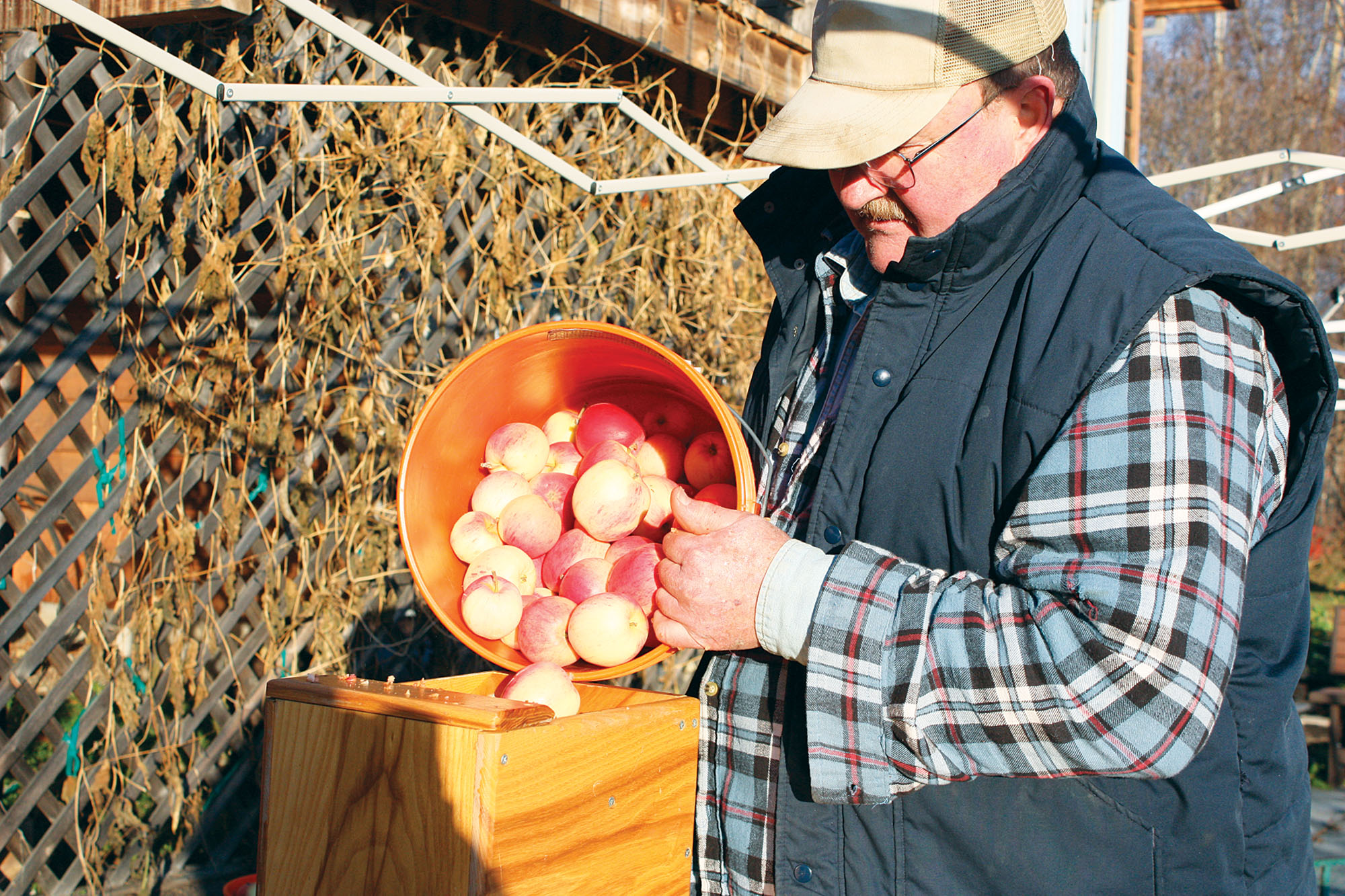
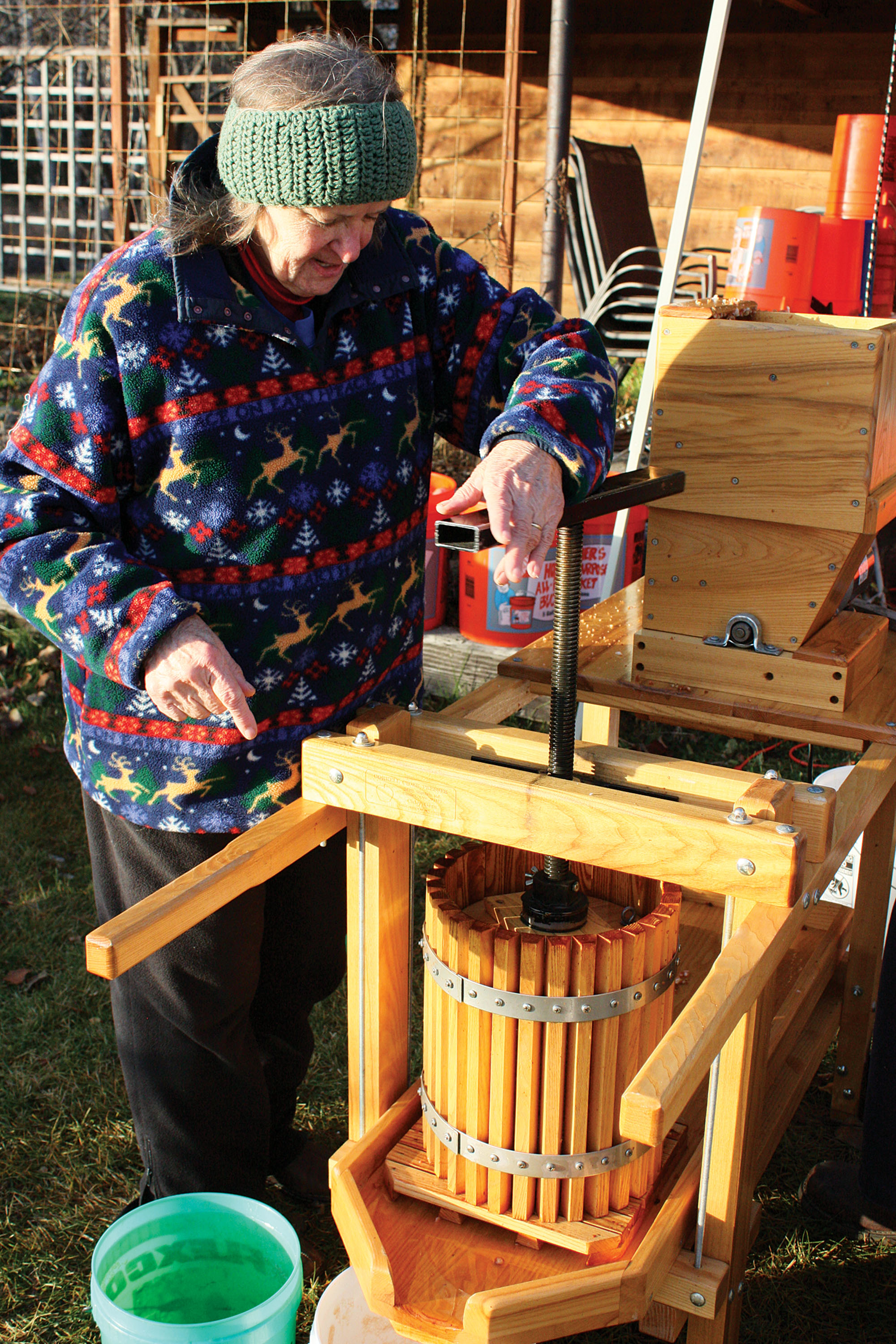
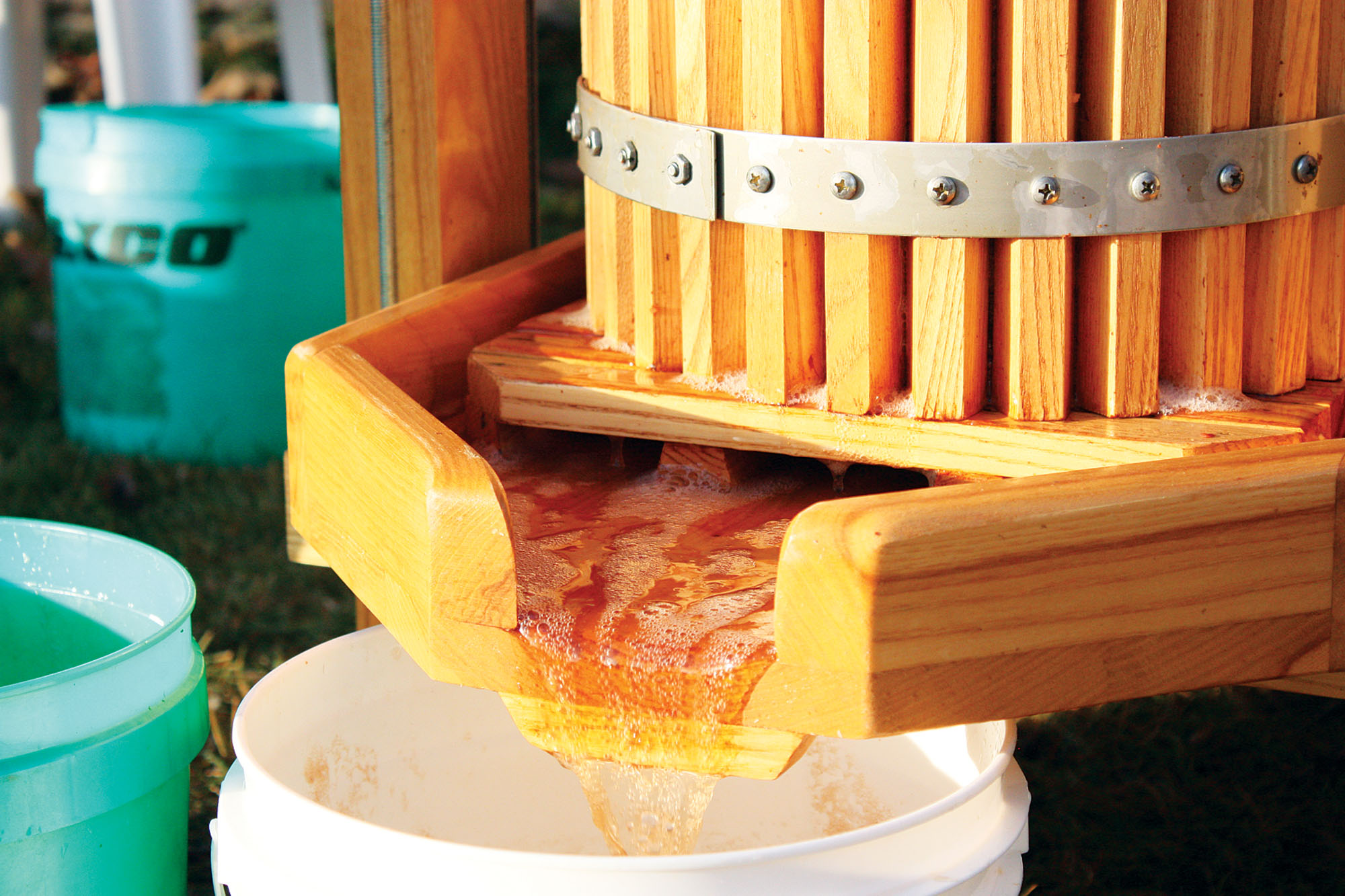
Wasilla gardeners Dan and Marian Elliott said they’ve already taken too much advantage of the long season, putting off their routine apple pressing until Halloween weekend.
“We were gonna go to our cabin this weekend but I said we can’t put this off anymore,” Marian Elliott said Saturday, looking around at the buckets of apples and juice in their yard.
After 20 years on their property, the Elliotts have come to produce thousands of pounds of 100 different kinds of apples a year. Not surprisingly, they usually have enough to sell year round, whether in the form of whole apples, cider, pie, sauce or pomace — ground and crushed apples, also known as reindeer food.
Though that last one’s always a donation — as are the few apples they leave on the trees for the birds — Marian Elliott said growing apples and making them into everything imaginable is not about raking in the dough.
“This is a hobby, but then you get too many apples and it’s like, what do you do with them?” she said.
Dan Elliott said he sells some apples to farmers markets, but they primarily operate on word-of-mouth orders that can be picked up at their home. Though they don’t grow anything during the winter, they do make sure their “baby trees,” as Marian called them, are tucked in for the long, cold, dark.
“To keep them protected for the winter, you kinda bury them in dirt so they don’t freeze and thaw (until spring),” she said.
Brussels sprouts, too, can handle most winters in the Valley, Dan said, so they just leave them in the ground. On the other hand, next year, the root vegetables, kale and swiss chard will be planted anew.
For more information on what to grow in Alaska or how to do it, contact the Mat-Su Cooperative Extension Service weekdays at 745-3360, or visit the office at 1509 Georgeson Rd. in Palmer.
Contact reporter Caitlin Skvorc at 352-2266 or caitlin.skvorc@frontiersman.com.

By Jeremiah Bartz Frontiersman.com A football coach using a hockey reference as the centerpiece for his keynote address may

Frontiersman.com With its headquarters in Wasilla, the Frontiersman has been a primary source of news for the Matanuska-Susitna

By Katie Stavick Frontiersman.com The next generation of leaders took flight this week as the Houston High School Class

By Kyle Wilkinson For the Frontiersman Keynote speaker and Carry the Cure President Bill Pagaran’s words boomed through the