Retiring teacher, coach urges Colony grads to ‘find their 68’
By Jeremiah Bartz Frontiersman.com A football coach using a hockey reference as the centerpiece for his keynote address may


WASILLA — Students from Mat-Su Career and Technical High School have put Alaska on the global map with scientific research beyond their years.
Career and Tech students Lucas Arthur, Kailey Carlson, Joshua Hartman and Ariel Hasse were selected with four other teams from across the United States for the Global Learning and Observations to Benefit the Environment (GLOBE) Learning Expedition, a “worldwide hands-on primary and secondary school-based science and education program,” according to the organization’s website.
On Aug. 3, Haase and Hartman traveled to New Delhi, India, with teacher Tim Lundt to present their team’s 20-page research paper entitled, “Assessing the Relationship between Local Annual Climate and the Green-Down Period of Indigenous Alaska species Using the GLOBE Green-Down Protocol.” Due to India government issues, Lundt said, Carlson and Arthur were unable to obtain their visas and did not attend the four-day conference.
According to Lundt, his students’ paper was one of 51 presented at what organizers called the 18th annual Partners meeting.
“The Mat-Su Career and Technical High School team gathered GLOBE green-down data from 2009 to 2013,” the abstract reads. “Green-down measures the number of days from the end of chlorophyll production to the day when the leaf falls off. The green-down period is used to examine a seldom-observed sector of the ecosystem and could be a potential indicator of climate trends.”
Arthur, Carlson, Hartman and Haase respectively compared five and two years worth of temperature and precipitation data in Wasilla and Zadar, Croatia. The students’ findings revealed that there was “a direct correlation in climate change and green-down period.”
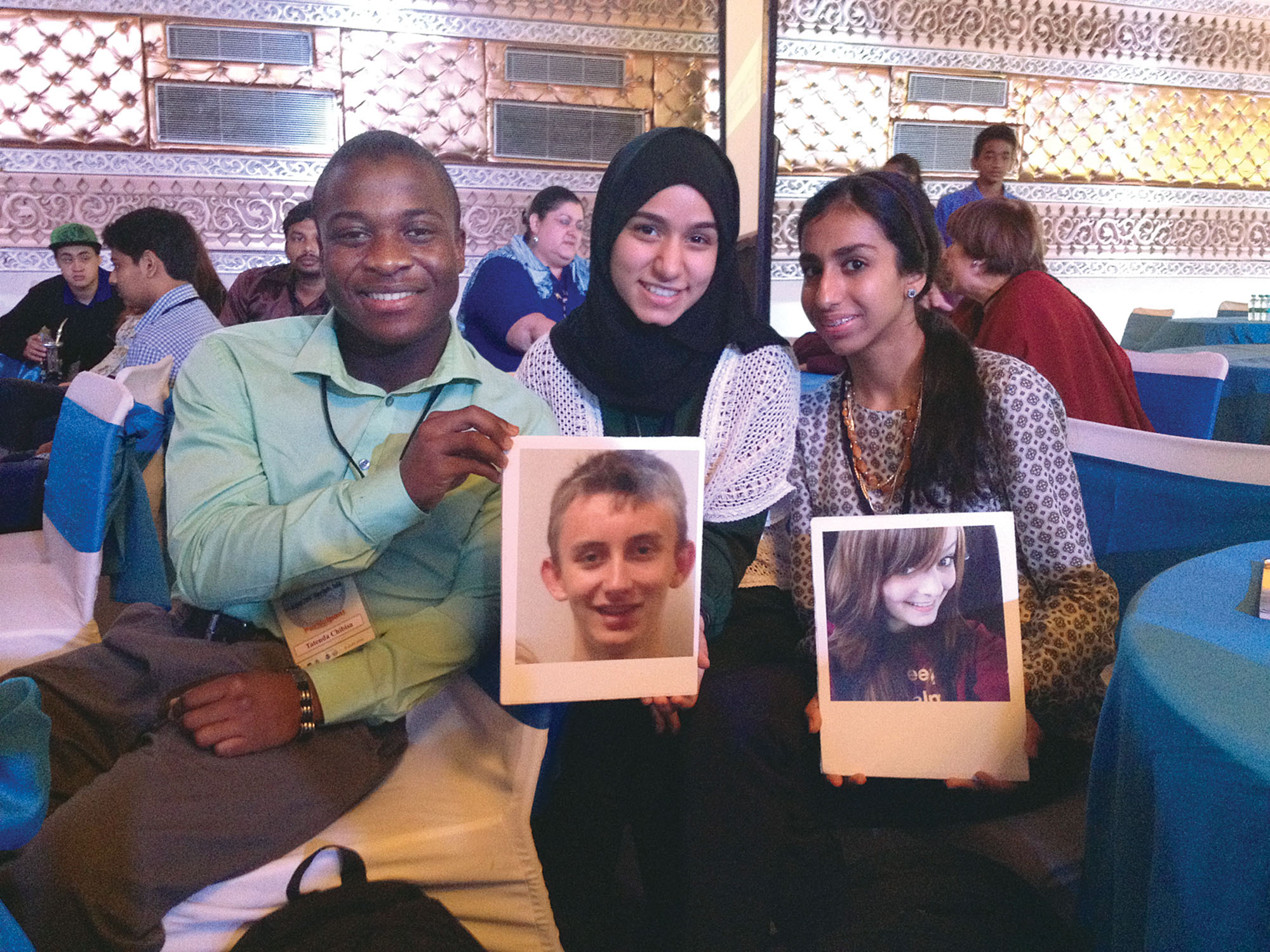
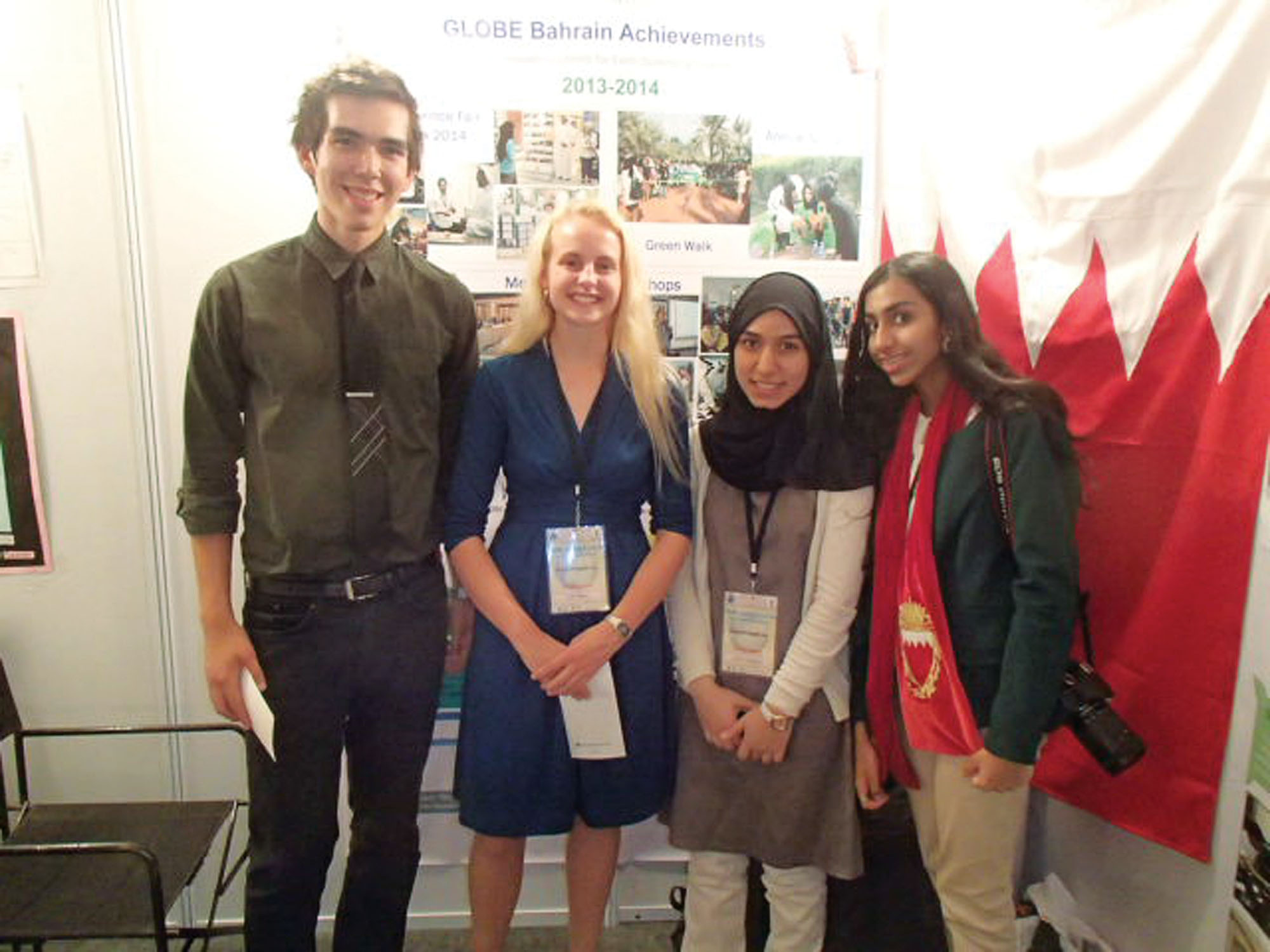
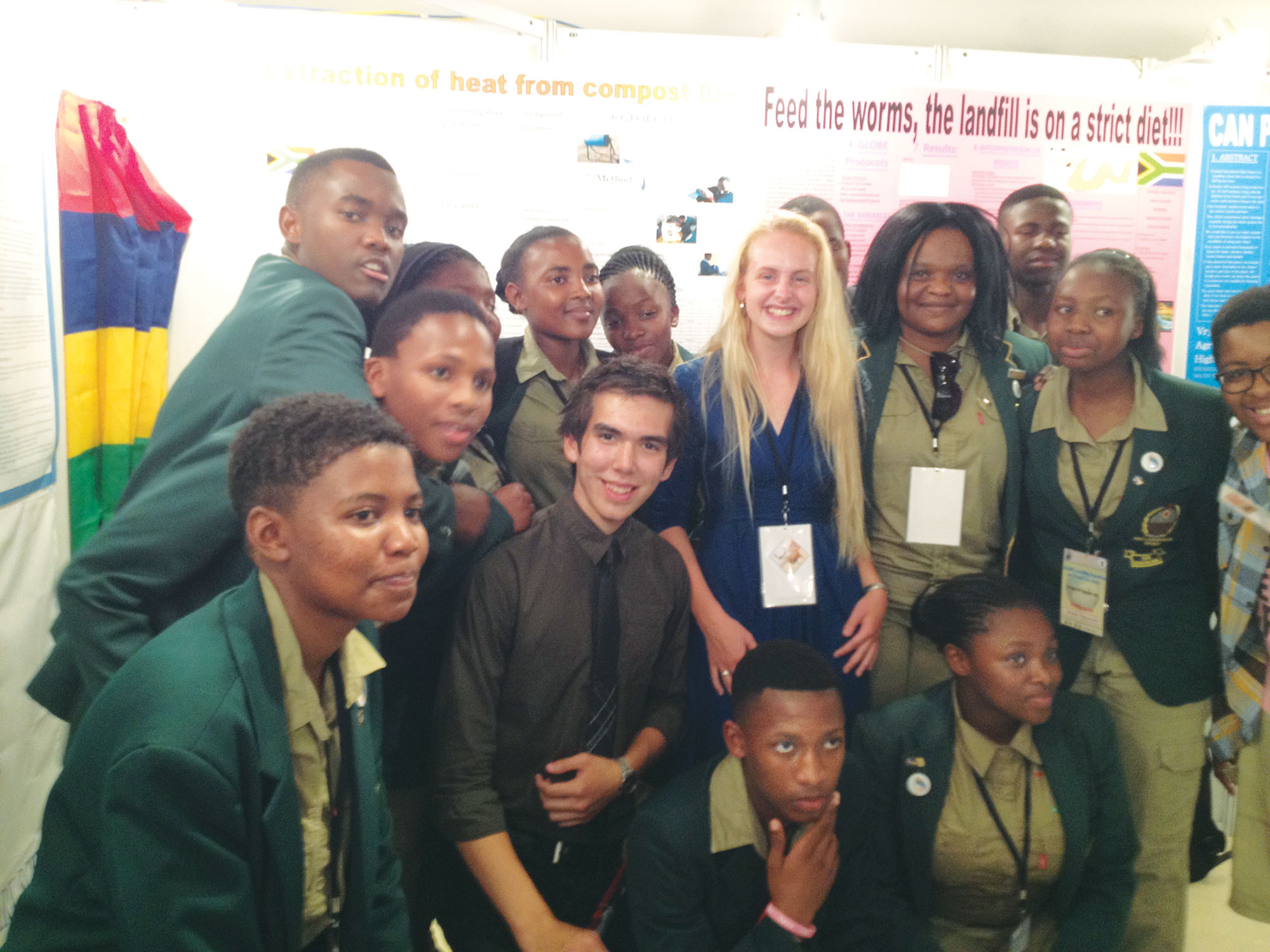
Mat-Su Career and Tech was one of five U.S. schools selected from the states of Alaska, Michigan, West Virginia, Ohio and Texas to attend the meeting, Lundt said. American students interacted with other budding, young scientists from 34 other countries, including the Kingdom of Bahrain, South Africa, Nepal, India, Czech Republic, Madagascar, Taiwan, Oman, Argentina, Thailand, Trinidad and Tobago, Uruguay and Peru.
“This was a truly an international experience for all the students involved,” Lundt wrote in an email.
For Haase, it was her first time out of the country, “not including Canada,” she said.
“It was really different but not in the ways that I expected,” she said. “As you’re preparing to go to a place like that you hear a lot of things like ‘be careful, it’s scary,’ but it’s not. It’s a really nice and embracing culture.”
As far as the conference itself, Haase said, just meeting so many different people who have the same interests as her and Hartman was “really awesome.”
In addition to presenting the papers, Lundt said, attendees of the GLOBE Learning Expedition (GLE) participated in a workshop in which they practiced GLOBE protocols for collecting surface, air and ground temperatures, finding the height and circumference of trees, collecting soil moisture, and cloud identification while visiting a variety of sites in India.
Students also listened to a variety of research scientists and speakers from NASA and the National Oceanic and Atmospheric Administration (NOAA) lecture on Global Climate and its effect on their communities. Cultural programs also offered students the opportunity to learn about each country represented at the conference.
“Our project wasn’t as a cool as a lot of others,” Haase confessed.
In example, she cited one group’s “rudimentary filtration system” as a “really cheap” solution for improving water quality in India.
“These are the people who are going to be the scientists of tomorrow,” Haase said. “I want to be a scientist when I grow up, so it was really inspirational and really neat for me to connect with people who have the same interest in the environment as I do.”
Haase also said she is “definitely” going to keep in touch with the people she met at the conference, in the hopes that they will re-connect later as professionals in the field as they work toward a better global environment.
“We consider ourselves industrialized (in the United States) but we’re really not,” Haase said. “If we were, we would be watching out for our environment and trying to live sustainably.”
For more information on GLOBE or GLE, visit globe.gov.
Contact Caitlin Skvorc at 352-2266 or caitlin.skvorc@frontiersman.com.

By Jeremiah Bartz Frontiersman.com A football coach using a hockey reference as the centerpiece for his keynote address may

By Katie Stavick Frontiersman.com The next generation of leaders took flight this week as the Houston High School Class

By Kyle Wilkinson For the Frontiersman Keynote speaker and Carry the Cure President Bill Pagaran’s words boomed through the

By Jeremiah Bartz Frontiersman.com The community of Palmer is known for a couple of things. At or near the