Retiring teacher, coach urges Colony grads to ‘find their 68’
By Jeremiah Bartz Frontiersman.com A football coach using a hockey reference as the centerpiece for his keynote address may


“Where do I find berries?”
That’s the question many Valley would-be berry enthusiasts ask this time of year. As the days get shorter and the weather cools, Alaska shows off by delivering a wide variety of berries literally ripe for the picking — if you only know where to look.
For long-time berry pickers, the know-how is second nature. But for those who have yet to make annual berry harvesting a habit, breaking in can feel daunting. So what’s a hopeful berry hunter to do?
That’s the question we asked a few Alaska berry experts who have made a berry picking an expertise either through a lifetime of effort or dedicated study and practice. And while knowing which berries to pick as well as where, when and how to find them involves some learning, getting into the sport is easier than it sounds, our experts said. All it takes is getting out there. These are their best tips.
Suzie Odomin, a member of the Yu’pik community who was born in Bristol Bay, has spent her life berry picking. She said she now dedicates several months every year to foraging berries from her home in Homer and ranging into the Valley. And while finding berries has become second nature to her — she can even spot them while driving down the highway, she said — she recommends new berry pickers take time before anything else to learn the plants.
One key resource, said berry picker Matt Worden, who owns guiding company Hike Alaska, is buying a few good berry picking guide books. He recommends three: “Alaska’s Wild Berries and Berry-Like Fruit,” by Verna Pratt; “Using Alaska’s Berries and Other Wild Edibles,” by the Alakas Cooperative Extension; and “Alaska: Illustrated Guide for the Curious” by Nikki Mann and Jeff Wohl.
By either studying those guides or carrying them into the field, Worden said he has become a confident and regular berry picker over the last several years. A little bit of study, he said, has gone a long way.
Just where to find berries can be a big holdback for inexperienced pickers. And while you likely won’t convince the experts to give up their favorite spots, knowing a general area for finding berries is a good starting point, Odomin said. Doing that means understanding the types of ground different berries like so you can easily find good picking areas.
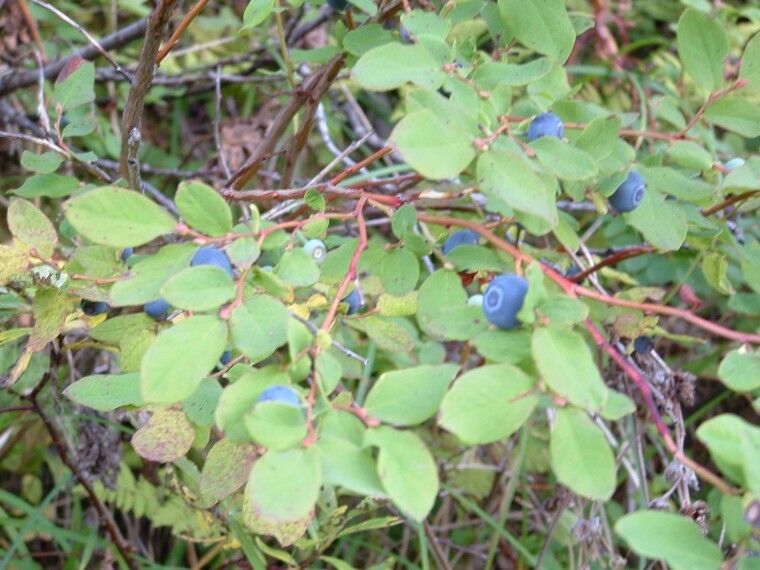
For example, she said, both lowbush blueberries and lowbush cranberries grow close to the ground high in the mountains. Areas like Archangel in Hatcher Pass or the ridge line between Matanuska Peak and Lazy Mountain are a great place to find those in the Valley. Highbush blueberries, which grow taller than lowbush berries and tend to have larger fruit, grow in sunny spots at lower elevation. They are plentiful just off the Glenn Highway near Matanuska Glacier. And highbush cranberries grow in moist but well-drained areas, making many Valley spots, such as the Crevasse Moraine trail system, perfect for them.
Julie Cascio, who leads the Home, Health and Family Development section for the University of Alaska Fairbanks Mat-Su cooperative extension, said pickers should also think about what’s going on around the berries as they grow. Bushes near the road may be convenient, but are also be impacted by exhaust and other road grime. She advises heading at least 10 feet off the road before starting to pick.
“You have to be careful wherever you find them easily,” she said.
Just like any outdoor sport, bad behavior can make the experience not just unpleasant for everyone, but ruin an area for years to come. When it comes to berry picking, that means following a few obvious guidelines, like general “leave no trace” ethics, plus some you might only know through the guidance of others.
The most important among these, Odomin said, is making sure you are not picking on private property. When she wants to access berries on someone else’s land she asks the landowner for permission, and usually gets a warm welcome, she said.
Foragers should also avoid over-picking, she said. While she doesn’t follow a specific set of rules for how many berries to leave behind, she said she works hard to focus on the ripe berries, leaving the smaller or unripe ones for later.
Cascio agrees. She advises students to not pick too soon, and make sure the berries are truly ready to be harvested before heading out.
Finally, Odomin said, wise foragers only pick what they like and will use. She said she never picks highbush cranberries, for example, because she doesn’t like them, but she picks an abundance of other varieties, puts them up for herself, shares them with friends and family and gives what she makes from them as gifts.
While you might see berry pickers out gathering with large buckets, that can get cumbersome if you’re hiking high into the mountain or can result in berries crushing themselves. Worden said his favorite container is a 32 ounce, wide-mouth reusable water bottle. They are easy to transport and fill, he said.
One tool that might be tempting for new pickers is a berry rake, which allows foragers to pull many berries off the bush at once. Worden and Odomin both said they typically do not use the rake on blueberries, but do use it on other varieties. The rake, they warned, can damage the plant or pull off large numbers of not ripe berries that need to be left behind to keep the area good for picking later.
So what do you do with all of those berries? Blueberries make excellent baked goods, sauces, syrups, jams and jellies, said Cascio. Odomin said she typically freezes lowbush cranberries to use around the holidays. And while harder to process — they have a large seed that is best removed by using a food mill — highbush cranberries can make a ketchup, used as a game sauce or made into fruit leather or jelly.
Odomin said one of her favorite uses, however, is as an ingredient for Akutaq, also known as “Eskimo ice cream.” Often made by mixing and freezing Crisco or other animal fat, sugar and foraged berries, Odomin said she now prefers to make hers with yogurt.

By Jeremiah Bartz Frontiersman.com A football coach using a hockey reference as the centerpiece for his keynote address may

Frontiersman.com With its headquarters in Wasilla, the Frontiersman has been a primary source of news for the Matanuska-Susitna

By Katie Stavick Frontiersman.com The next generation of leaders took flight this week as the Houston High School Class

By Kyle Wilkinson For the Frontiersman Keynote speaker and Carry the Cure President Bill Pagaran’s words boomed through the