Retiring teacher, coach urges Colony grads to ‘find their 68’
By Jeremiah Bartz Frontiersman.com A football coach using a hockey reference as the centerpiece for his keynote address may


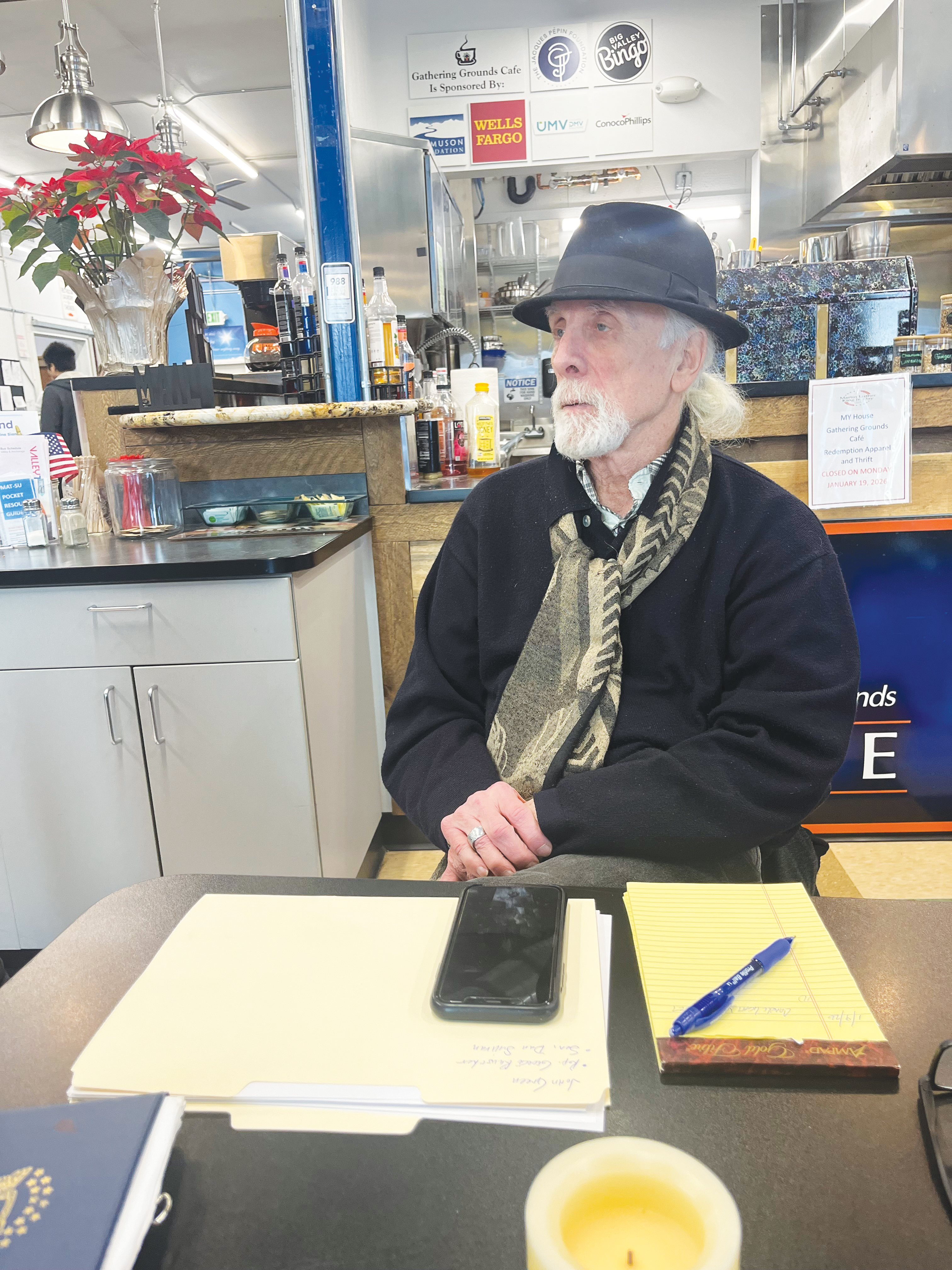
** This is the second part of a two-part series that began with a conversation over coffee on the anniversary of Kellsie Green’s death. The first installment examined the human cost of Alaska’s addiction crisis; this article looks upstream at the broader youth mental health crisis and the role of education in addressing its root causes.
“The timing of Kellsie's death was the spark that launched the Mat-Su Opioid Task Force...everything came together all at once, and skyrocketed.” States its founder Michael Carson. “It was remarkable, people all came together at once and said enough is enough we need to do something!”
Nearly ten years after a young woman died alone on the floor of an Anchorage jail, the conversation around Alaska’s addiction crisis is shifting to looking upstream to help a generation of Alaskan’s in the midst of a mental health crisis.
The Mat-Su Opioid Task Force’s early work focused on treatment, prevention, recovery, and harm reduction addressing both ends of addiction. “What we felt was really important was the therapy part, really diving down on what is wrapping them up around the axle, and throwing them into the ditch,” Carson said. “Last year we met our top five priorities. We really believe we need to transition upstream.”
Michael Carson shared data from the Alaska Youth Risk Behavior Survey that shows troubling trends in mental health for young people in Alaska over the past decade. “The results of the YRBS [2023]... is what initiated the idea that we need to move upstream.” Carson said.
Between 2011 and 2023, the number of Alaska high school students who reported persistent sadness or hopelessness increased sharply. In 2011, about one in four students said they felt so sad or hopeless for two weeks in a row that they stopped doing their usual activities. By 2023, that number had climbed to more than four in ten students.
“In those sad and hopeless statistics, kids are disengaging and they need to be doing the opposite,” Carson said. “They need to be engaging and feeling like they belong.” Carson said. “Kids need to really feel like they belong. We want...safe, healthy, thriving connections.”
Those connections can take many forms. “The connection journey is personal,” he added. “What works for one young person may look different for another; but having something to belong to greater than oneself... that connection is the antidote to sadness and hopelessness. ”
Suicide-related indicators also increased between 2011 and 2023. The percentage of students who seriously considered attempting suicide rose from 14.5 percent in 2011 to more than 22
percent in 2023, peaking above 25 percent in 2019. Suicide attempts nearly doubled over the period, increasing from about 9 percent in 2011 to roughly 19 percent in 2023
That translates to roughly six students in a typical high school classroom of 30 who have attempted suicide. This is important data for community leaders, teachers, principals, group leaders, and parents. This data is reflective of the urgency of this crisis in our Alaskan youth.
“We are in crisis,” Carson said. “The alarming part is the kids are disengaging from regular activities.” Now, for the Mat-Su Opioid Task force the goal of the work is shifting upstream; reaching youth before desperation sets in, providing strategies to address loneliness, fostering a sense of belonging, and mental health.
“We have to provide our youth with skills so they know how to be able to deal with trauma, grief and loss, strong emotions... being able to have those strategies to be able to know when it's time to ask for help.” Carson said.
Recently at a presentation at Career Tech, students shared with him their needs. “They don’t have any safe places to go to talk about their emotions, they can’t find any support, that is why we need to move upstream and provide opportunities early on so kids can know and have the skills to manage and navigate everything that is thrown at them everyday.”
The candle on the café table remained unlit and the coffee went cold, but the conversation about meeting youth upstream is heating up. “ I’d like to see more help from our state, a change in our health curricula in our schools.” Carson said. “We need to educate the whole child, and give them the skills to navigate this world. And not just schools, our parents need help too.”
Those upstream efforts are beginning to take shape in state policy:
Representative George Rauscher (R-Sutton) has introduced legislation (HB 166) aimed at opioid awareness in public schools. The bill requires the Department of Education and Early Development to create a curriculum for grades 6-12 regarding opioid abuse awareness and prevention.
Senator Elvi Gray-Jackson (D-Anchorage) has advanced legislation (SB 41) relating to mental health education in schools. Her proposed legislation seeks to amend the education curriculum in public schools to include mental health issues.
Russell Clark is a Curriculum Specialist with Onward & Upward, a nonprofit focused on developing upstream solutions that support youth and community well-being. https://www.onwardandupward.org/ Onward & Upward engages students through outdoor experiences such as ice fishing, cross-country skiing, and snowshoeing, helping them build connections with nature and with one another.

By Jeremiah Bartz Frontiersman.com A football coach using a hockey reference as the centerpiece for his keynote address may

Frontiersman.com With its headquarters in Wasilla, the Frontiersman has been a primary source of news for the Matanuska-Susitna

By Katie Stavick Frontiersman.com The next generation of leaders took flight this week as the Houston High School Class

By Kyle Wilkinson For the Frontiersman Keynote speaker and Carry the Cure President Bill Pagaran’s words boomed through the