Retiring teacher, coach urges Colony grads to ‘find their 68’
By Jeremiah Bartz Frontiersman.com A football coach using a hockey reference as the centerpiece for his keynote address may


WASILLA — Mat-Su Career and Technical High School is about to get bigger in more ways than one.
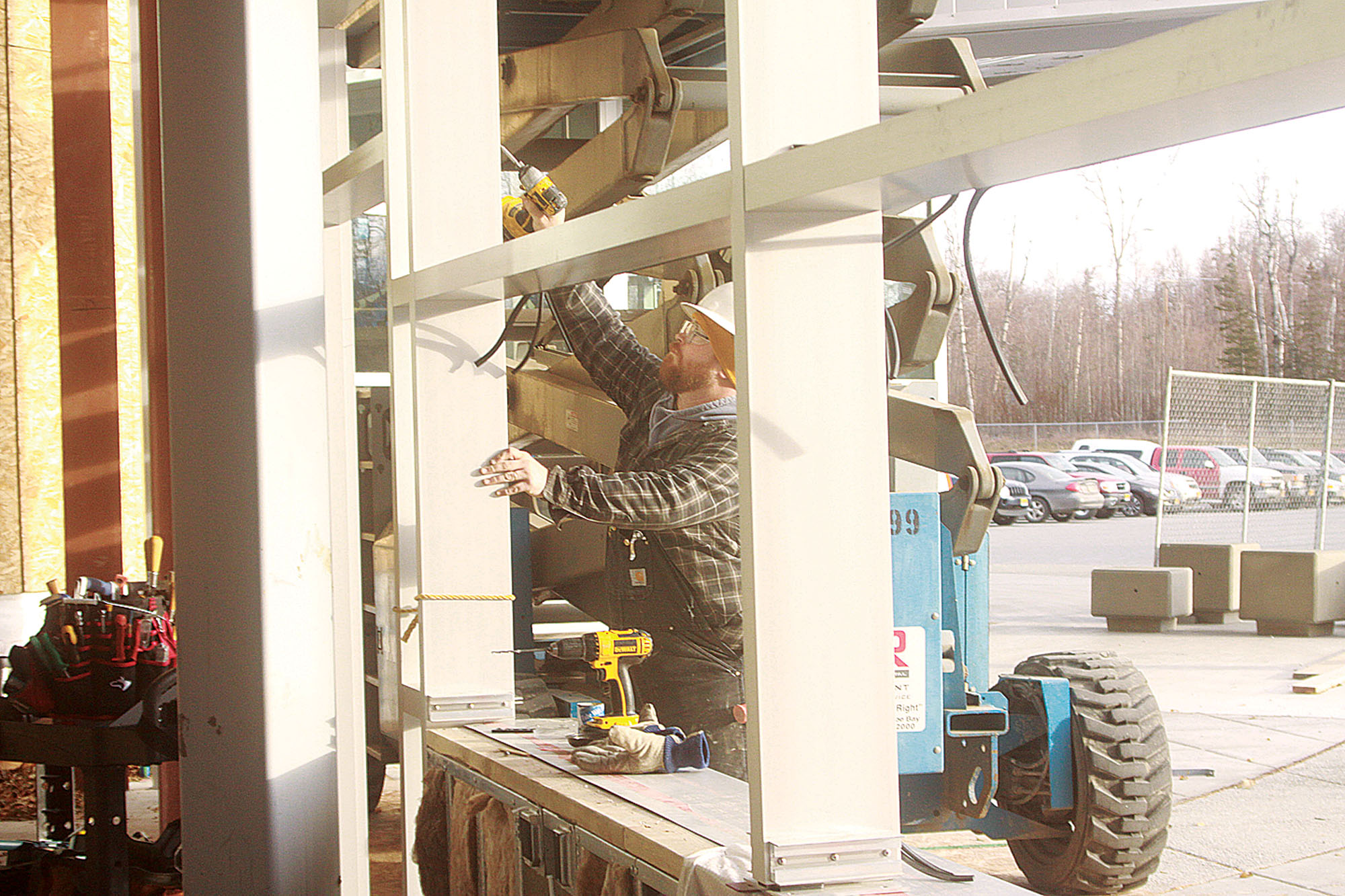
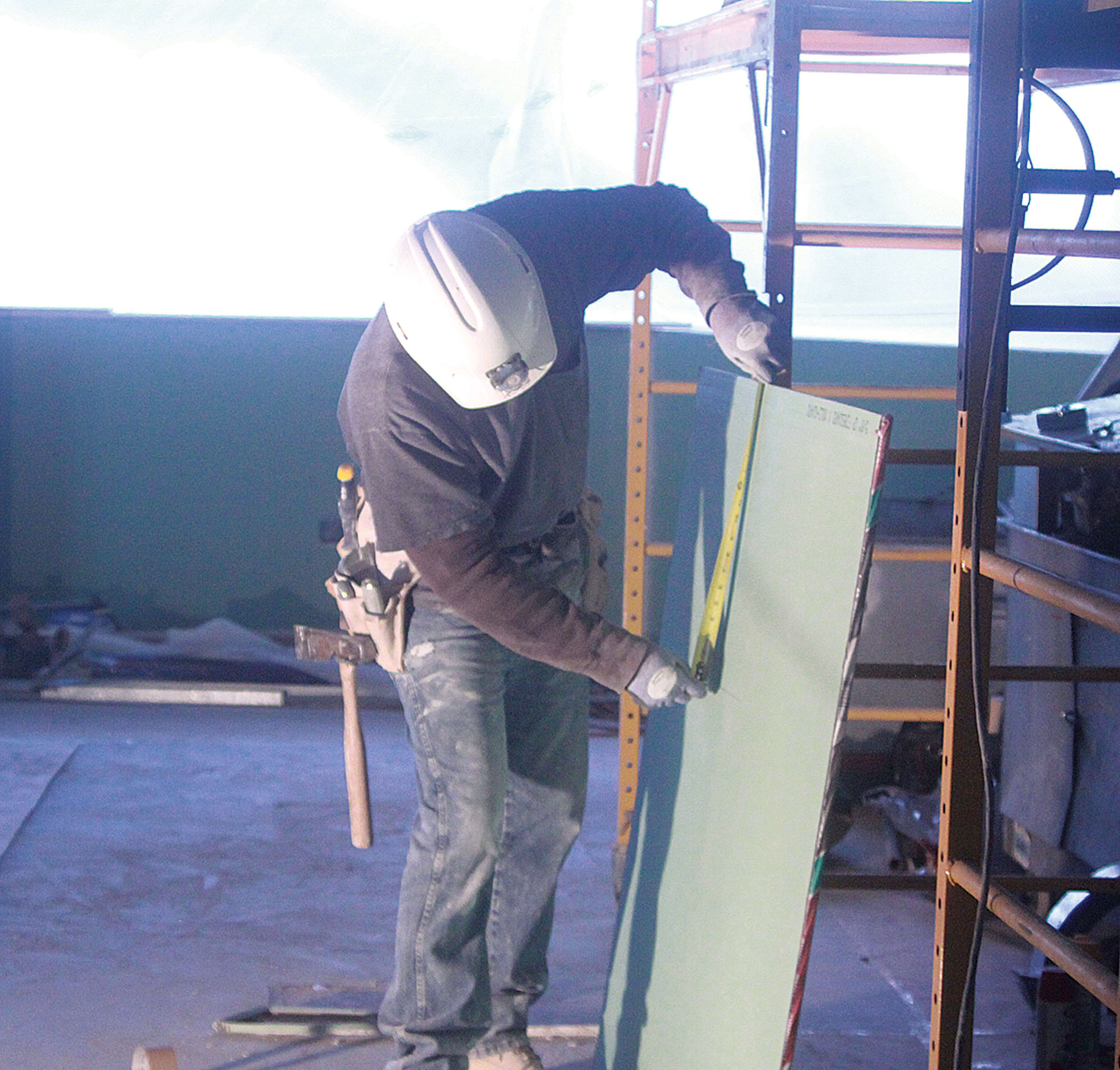
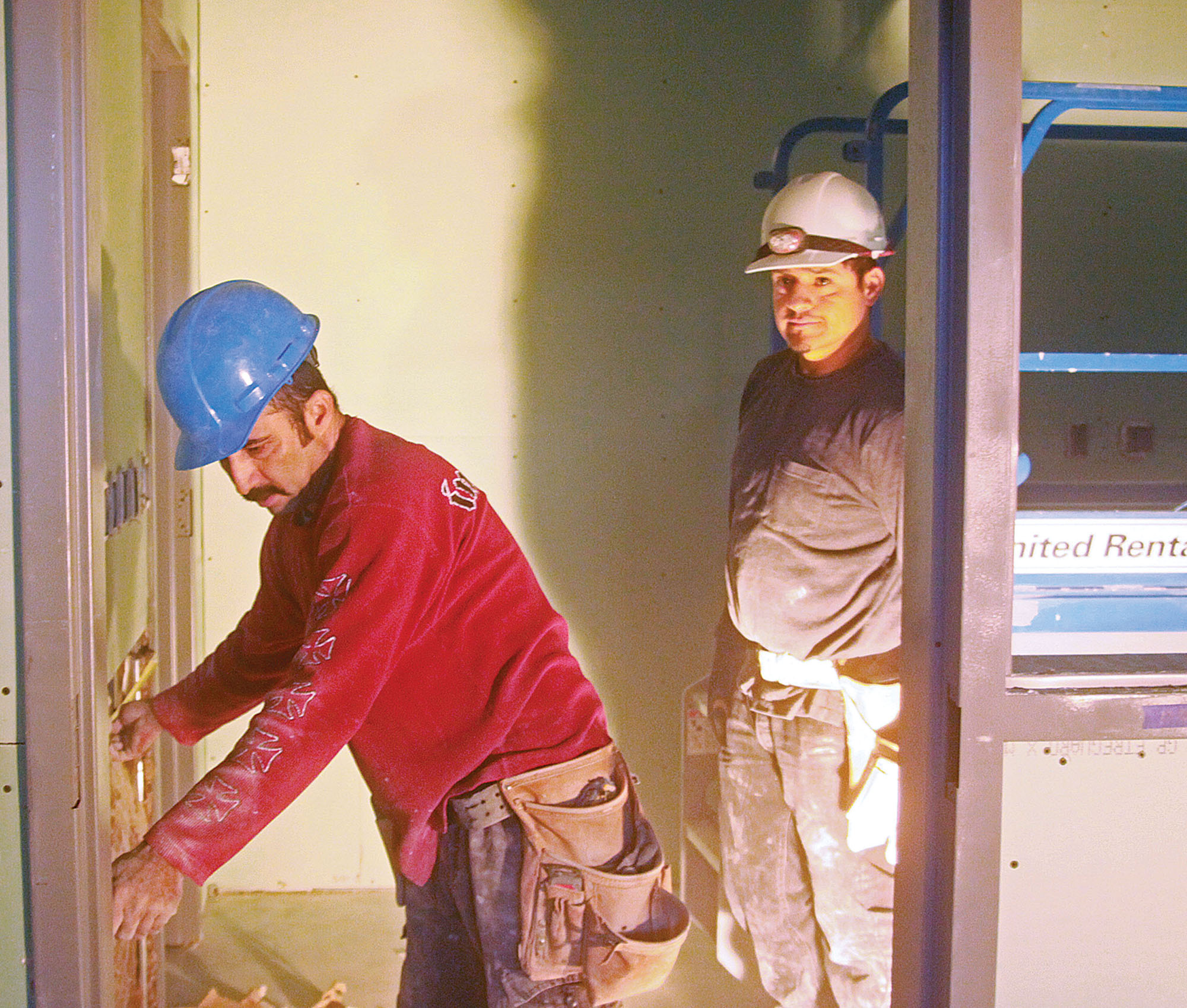
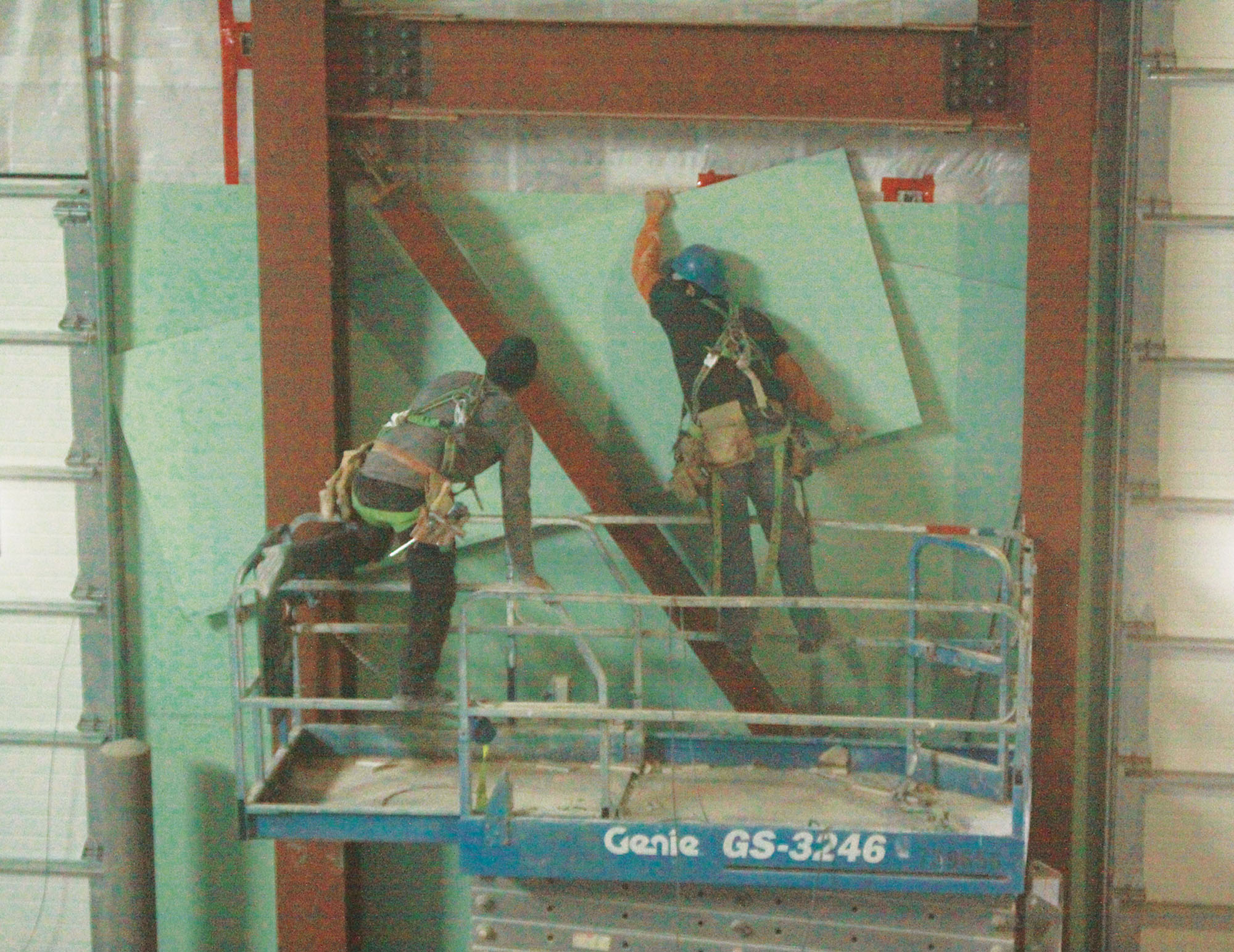
Construction is underway for the $16.1 million project to expand Career Tech and its educational pathways with the addition of a 5,000 square foot, high-bay transportation lab, an open-concept media center, multiple subject-specific classrooms and labs, storage areas and teacher offices. The project is one of several — the Valley Pathways and the Mat-Su Day School are two more that opened this year — funded by a $214 million school bond proposition approved by Mat-Su voters in 2011.
“I think people can see the return on the investment,” said school district Public Information Officer Catherine Esary.
They can see the progress, too. During last weekend’s Alaska State Association of Student Government Fall Conference, hosted at Career Tech, Mat-Su Borough Project Manager Robert Scott led a group of interested students and parents on a walk-through of the construction site.
Some of the students had an interest in architecture and construction and, “it was a great tutorial for those kids,” Scott said. “They got to see all the infrastructure that’s in the wall cavities of a building that they never get to see after its finished.”
More education is to come when the additions are finished. Besides standard subject labs such as those for chemistry and physics, students will have access to all the equipment needed for practicing the basics of dental hygiene and veterinary science (such as dentist chairs and exam tables).
In the transportation lab, Scott said, students and their teachers not only will have room to assemble and disassemble a small aircraft — a huge benefit for students heading into aviation and automotive fields — they also will be able to demonstrate how to perform subterranean operations — such as oil drilling on the North Slope — on a Concrete Masonry Unit or CMU wall more than 20 feet high.
Career Tech Principal Mark Okeson said the school currently boasts 100 percent employment in aviation jobs for students who pursue them, so the transportation lab is a significant asset.
“We’re pretty excited about that,” he said. “It’s a huge, fun project for us this year.”
Okeson said their Building and Health Care pathways are currently the most popular — they include engineering and architecture and certified nursing programs, for example — and the additions will benefit both the current programs and those coming with the Transportation, Human Services and Natural Resources pathways.
The Transportation pathway will provide programs for aviation technology, process technology and diesel power and hydraulics; Human Services will include programs for dental assistants, veterinary assistants, radiography and early childhood education; and Natural Resources will offer wildfire science, emergency medical technician training, and emergency management systems training.
“This whole school is about introducing kids to specific industries,” Okeson said.
The extra square footage helps to do that, too. With the added 33,000 square feet of space Career Tech will be able to accept up to 250 more students. Okeson said they have about 460 full-time students this year, plus about 100 part-time students who spend most of the school day at a traditional, local high school. He thinks they will admit about 50 more every year “as we maximize our new space,” he said.
Increasing options for the existing student body is just as important as increasing capacity, however. Esary said Career Tech is currently “maxed-out” in terms of population, and these new opportunities will help everyone in the long run.
“It’s a big push for Alaska,” Esary said in reference to the statewide initiative to increase career and technical education.
Each year, she said, the Legislature sets aside funds for this type of education across Alaska, in order to connect Alaska’s students to high-paying jobs and sustainable careers in-state.
“The better we can prepare them for tomorrow’s jobs, the better off we are (as a community),” Esary said. “We have to make sure we can help them be prepared to get really excellent jobs in Alaska.”
According to Scott, recent studies show that students in these types of schools are taking more responsibility for their education, too, and the new architecture might actually prove it. On the second floor, in the Human Services wing, for example, one classroom doesn’t have any doors — it opens straight into a hallway that will connect to the current sky bridge in the school. When asked about potential distractions, Scott answered that it is actually more likely passing students would be attracted to what’s going on and take an interest in the associated field, rather than the student in class being attracted to their friends passing by behind them.
“When we entrust them with an open space to learn, they respect it,” Scott said of the students.
Scott said during a walk-through on Monday that construction is currently about 55 percent complete. The project is on schedule for completion by July 2015, in time for the 2015-2016 school year.
McCool Carlson Green architects and contractor Collins Construction are the organizations with the most hands-on involvement, but contributing members of the Mat-Su Borough, the School District and numerous individuals have had a hand in the project.
“There are so many behind-the-scenes people involved,” Scott said.
Contact Caitlin Skvorc at 352-2266 or caitlin.skvorc@frontiersman.com.

By Jeremiah Bartz Frontiersman.com A football coach using a hockey reference as the centerpiece for his keynote address may

By Katie Stavick Frontiersman.com The next generation of leaders took flight this week as the Houston High School Class

By Kyle Wilkinson For the Frontiersman Keynote speaker and Carry the Cure President Bill Pagaran’s words boomed through the

By Jeremiah Bartz Frontiersman.com The community of Palmer is known for a couple of things. At or near the