Retiring teacher, coach urges Colony grads to ‘find their 68’
By Jeremiah Bartz Frontiersman.com A football coach using a hockey reference as the centerpiece for his keynote address may


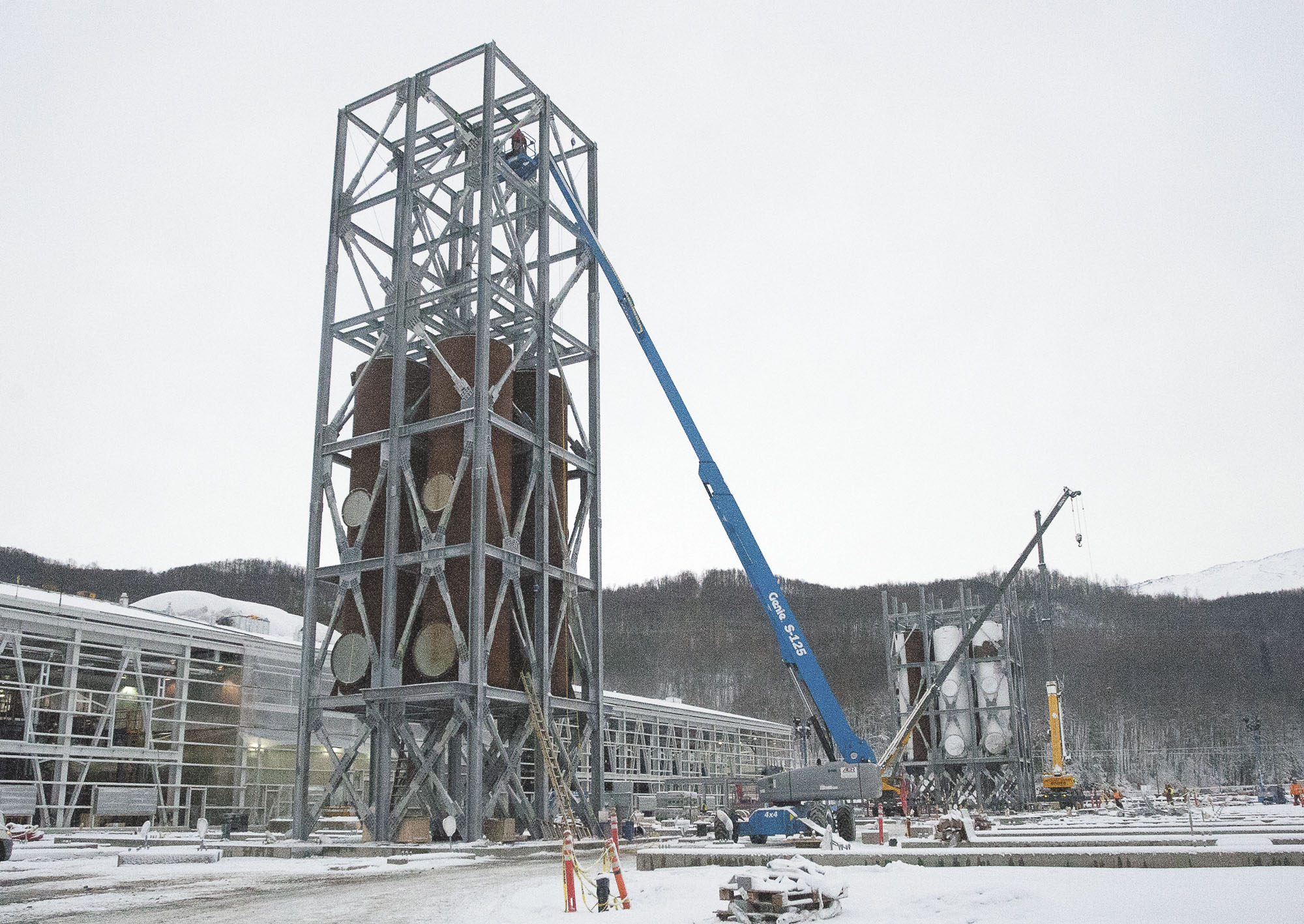
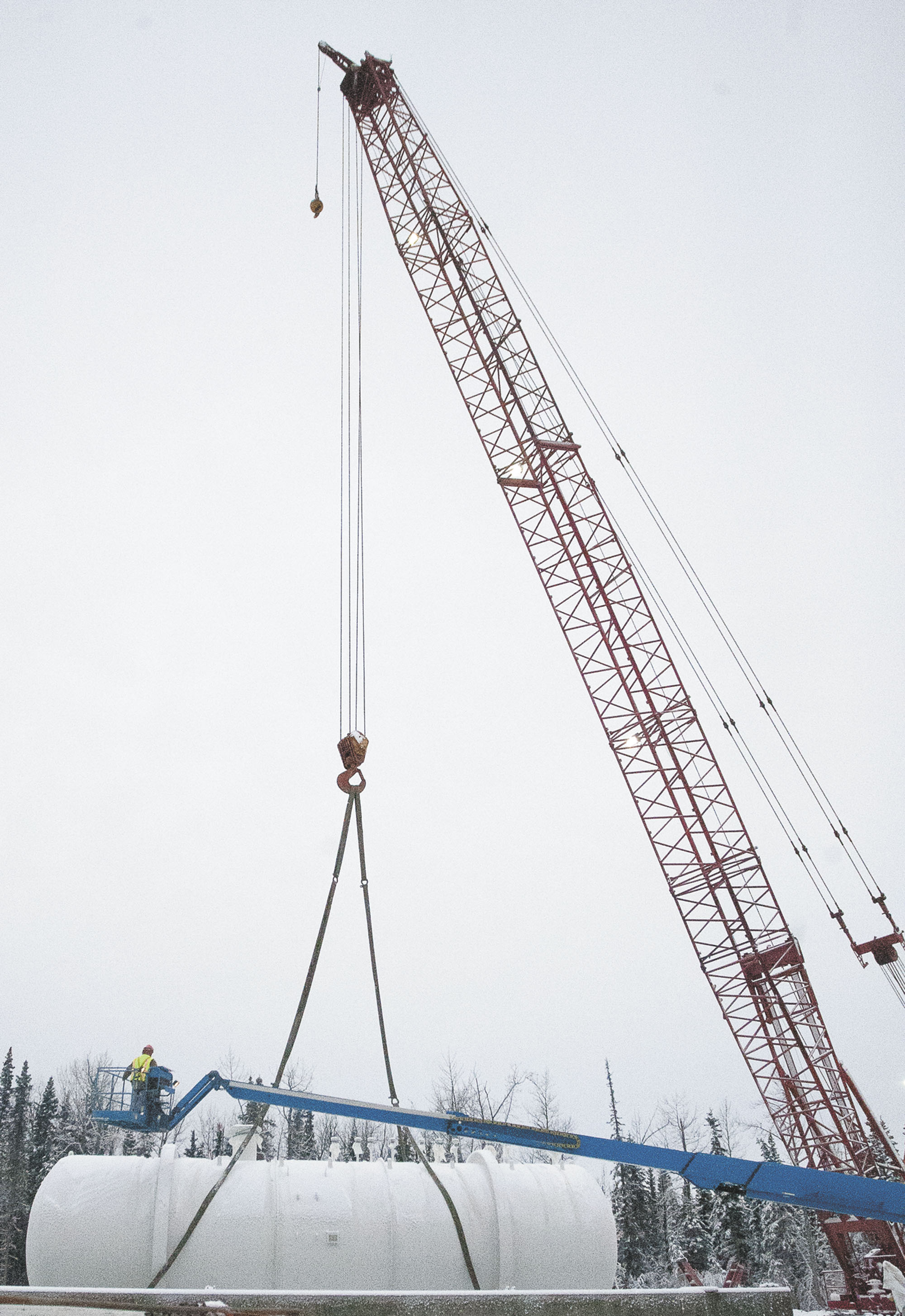
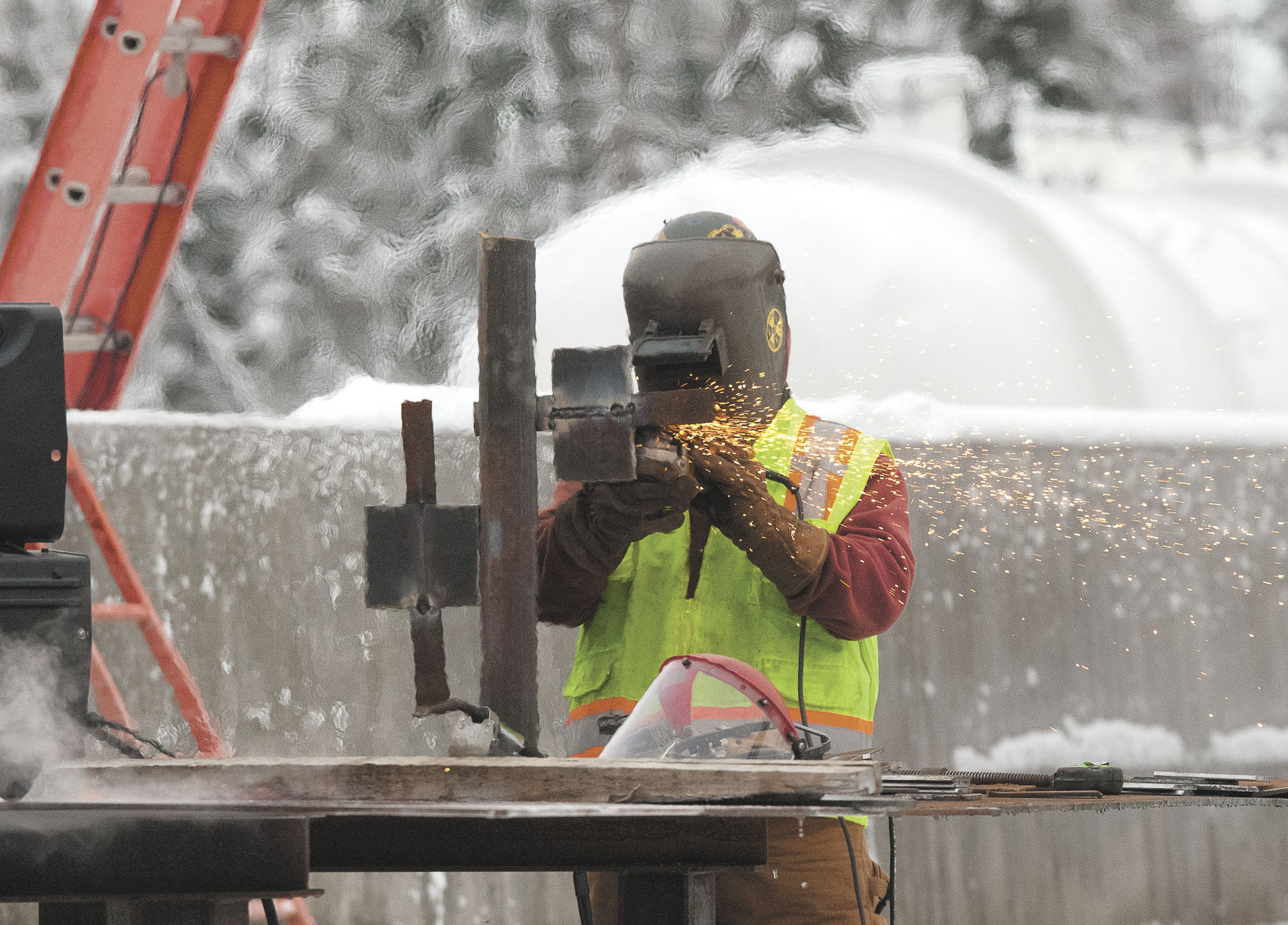
EKLUTNA — If you think construction is a seasonal business that shuts down when the air turns cold, you haven’t been to Eklutna lately. On Friday morning, with ice and snow covering the ground, dozens of workers moved equipment, grinded parts, welded components. In the words of Matanuska Electric General Manager Joe Griffith, the utility is, and has for some time, been “working huckledy-buck” to get its power plant built in time for Jan. 1, 2015, when it will no longer have a contract to buy energy from Chugach Electric Association.
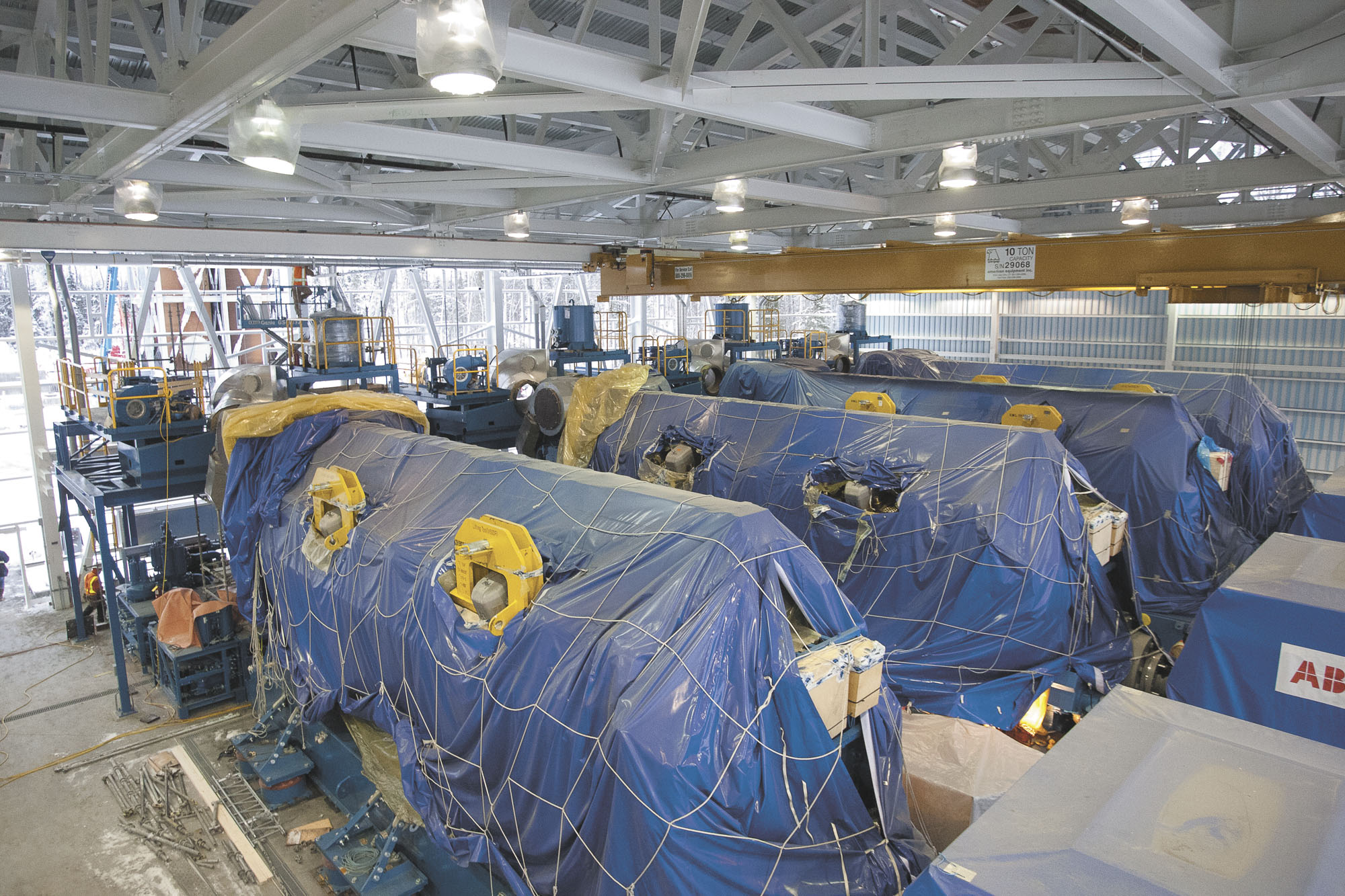
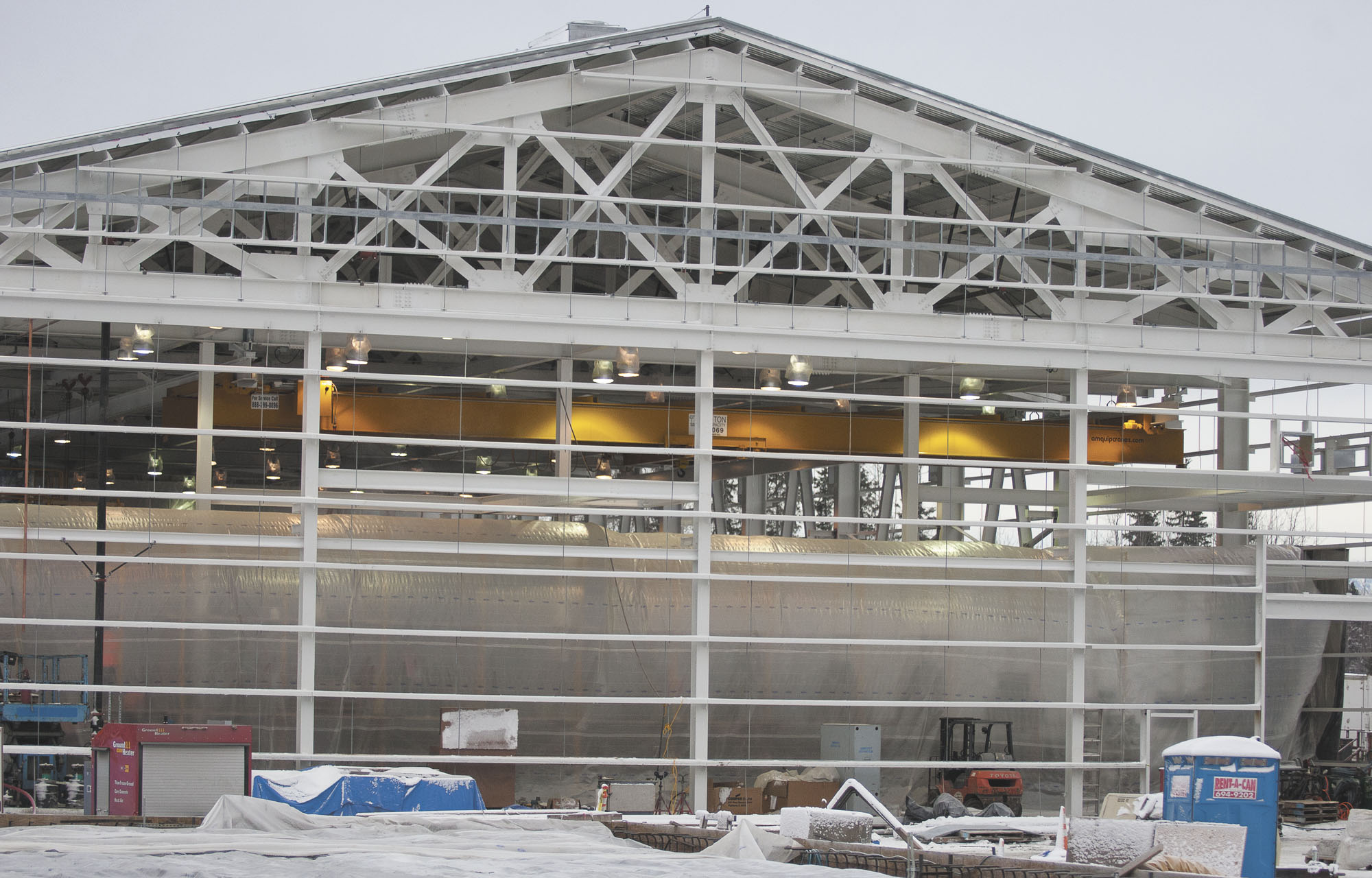
“As soon as this plant comes online, it’s a whole new scenario for the Railbelt than we’ve seen in the last 40 years,” Griffith said of the $300 million Eklutna plant back in 2011. These days, it’s hard not to see excitement in Griffith’s eyes as he walks past the gigantic Wartsila engines in place in the power block building or points out the thick copper cables that will act as grounding wires for the equipment. Griffith is a former head of Chugach Electric and a veteran of decades of work in the power business in Alaska.
“A lot of people said we couldn’t get it done,” he said.
Judging by the work underway, Griffith and MEA have proved those people wrong.
Tony Zellers, director of the Eklutna Generation Station Project, said January 2015 is the timeframe he’s working on.
“There are a lot of cranes swinging some pretty hefty pieces of iron out here,” Zellers said.
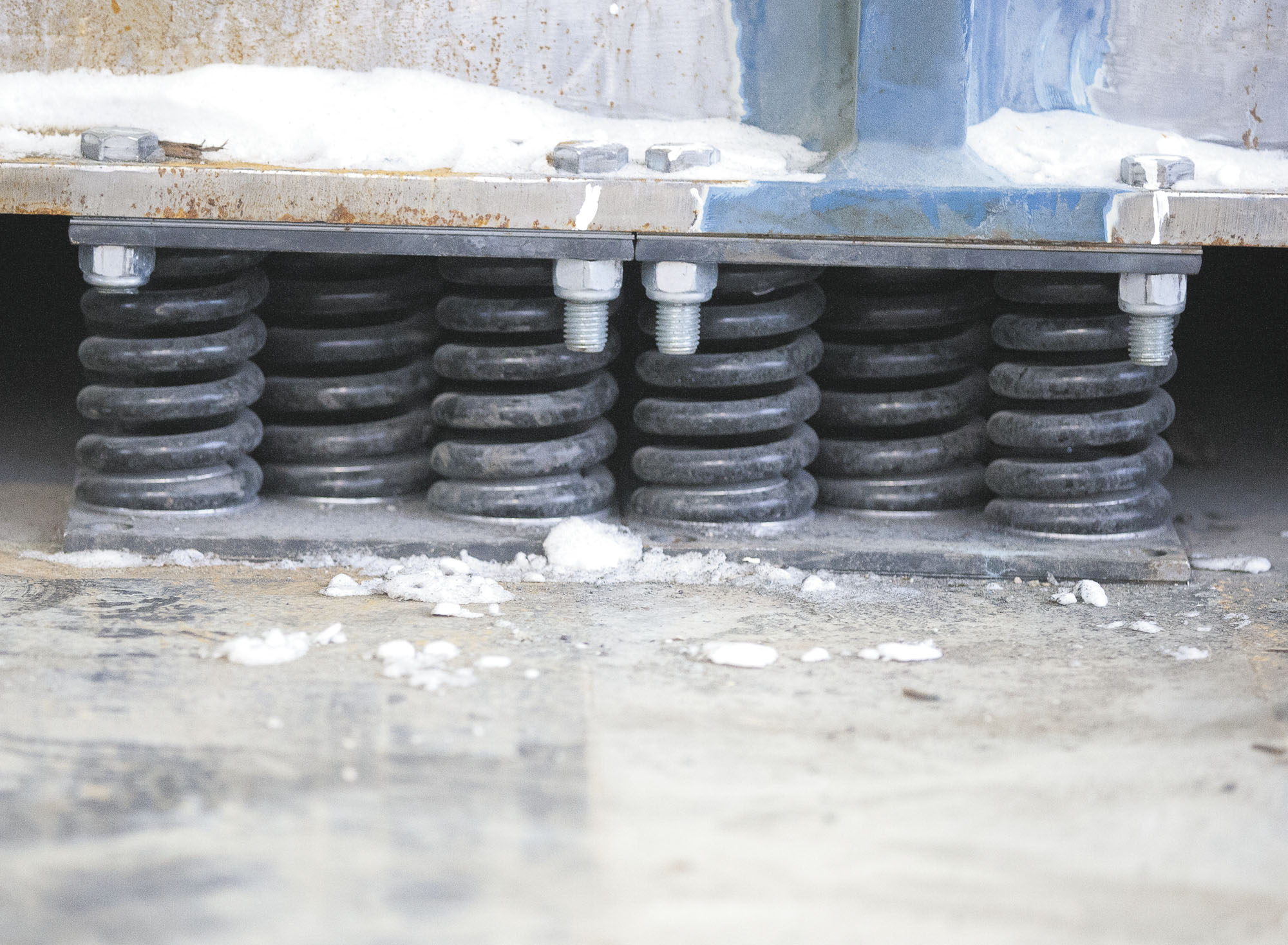
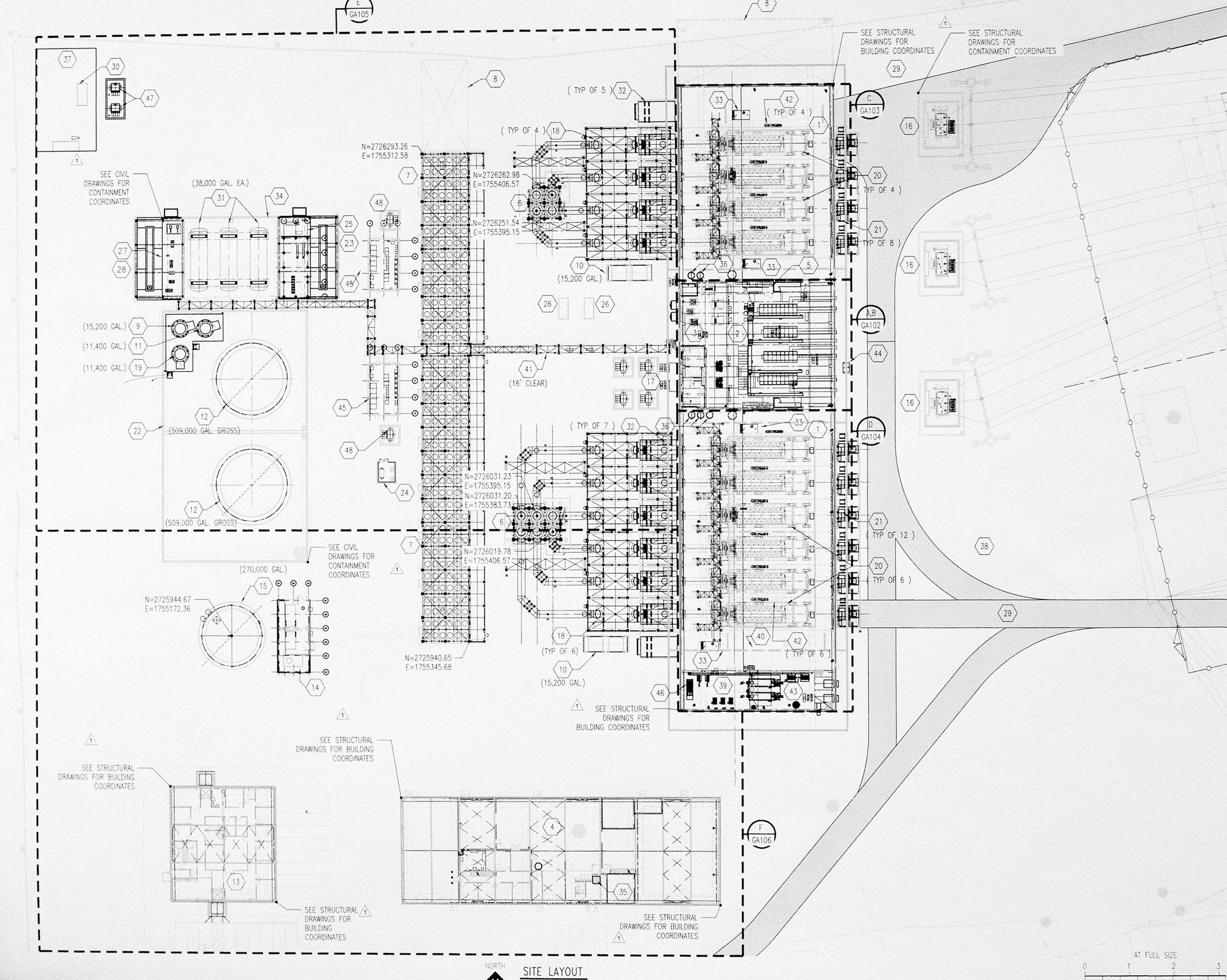
Once complete the Eklutna Generation Station will house 10 engines, each putting out 17.1 megawatts of electricity. Eight of them were built in South Korea, two in Italy. The ship that brought them to Alaska made two stops.
Each engine is 19 feet tall, 65 feet wide and weighs in at 390 tons. They’re piston-driven engines rather than turbines. Zellers said MEA studied what type of power generator to install with before settling on the Wartsila engines because they’re more efficient when throttling up and down to handle the changing demand for power.
“They’ll sit there and run a all day at 40 percent,” Zellers said.
Griffith said piston engines were the right choice, albeit an unorthodox one.
“A lot of people poked a lot of fun at us for selecting reciprocating engines,” he said.
They’re also built to handle both natural gas and diesel, something MEA thought prudent given the uncertainty at the time the decisions were being made about gas supplies in Cook Inlet.
Zellers said MEA was impressed with how the engines performed when executives went to see a demonstration.
“They’ll switch right to diesel and they won’t miss a beat,” he said.
One of the projects ongoing Friday was building diesel storage tanks on the grounds.
“There’ll be right close to a million gallons here,” Griffith said.
But that’s just four days worth of power for MEA when running at full capacity.
MEA has been a cooperative since 1941. Its original 242 members were families of Colonists who had come to settle the Matanuska Valley during the Great Depression. In its 72 years of service, MEA has bought nearly all of its power from other producers. The co-op also has some minority interests in a few small generation projects.
All of that changed in 2007. That was the year the co-op’s board of directors voted to end its contract with Chugach Electric.
The board then had frosty, if not openly hostile, relations with Chugach. One board member, David Dahms, even brought a toaster to an annual meeting to demonstrate how Chugach felt about MEA — the co-op was just another toaster plugged into the system sucking down power.
That 2011 vote began a journey that led MEA down the path of building its own plant and jumping with both feet into the generation game before it was solely in the business of transmission and distribution.
Almost from day one, fuel was an issue. MEA’s initially announced plan was to build two plants. One would run on natural gas, the other on coal. That second plan drew fierce opposition in the form of protests and heated public meetings. MEA maintained that coal power is cheaper to produce than natural gas.
In reaction, the Mat-Su Borough implemented a power plant permit requirement that would have applied to both plants. The borough said that the permit requirements weren’t any more onerous than other permits MEA would need to seek.
MEA disagreed. The ordinance changed the ballgame, shelving the coal plant and pushing the now much larger natural gas plant out of the borough’s boundaries to Eklutna, which is in the Municipality of Anchorage.
Getting out of the coal market, though, made MEA an even bigger player in the natural gas market, which has been a source of concern for years as existing Cook Inlet fields dry up.
That’s why a diesel contingency is important, Griffith said. Going dark in the middle of the winter is just not an option. Most homes freeze up in 24 hours.
“The last Railbelt blackout that I was involved in it took five days to get it back together,” he said.
It wasn’t until just a few months ago — in July — that MEA was finally able to breathe a sigh of relief about a gas supply for its new plant.
That month, MEA’s board of directors voted to approve a contract to buy the 7 billion cubic feet of natural gas it will need to run its plant each year. The contract runs through 2018.
“It’s always good when all these things come together. We’re very happy. As Joe (Griffith) put it last week, he can finally sleep well for the first time in many years,” MEA spokesman Kevin Brown said at the time.
Between the fuel supply fight, a battle over the ouster of former general manager Wayne Carmony (who did not go quietly), the struggle with the borough over the power plant ordinance and a desperate search to find someone to sell MEA natural gas, the cooperative has had its share of tribulations to get here.
And they’re not over.
Because the plant is in Eklutna and not Wasilla closer to the Valley’s booming residential and commercial growth, MEA needs big transmission lines to get large amounts of power to its customers.
That need has sparked a fight with the city of Wasilla, where officials didn’t like the idea of tall, unsightly towers running through town.
The city’s planning commission in August voted to require that those lines be buried as they run through the city.
MEA has said that it would take the issue to the Regulatory Commission of Alaska and seek an order that Wasilla ratepayers pay the cost of burying the lines. What was a $9 million project, MEA says, could cost $40 million if the lines have to run underground.
Griffith said that when the plant is built, the ability to control power loads will be housed at the plant, at MEA headquarters in Palmer, at Chugach Electric Association in Anchorage and at Municipal Light and Power, also in Anchorage. In an extreme emergency, Golden Valley Electric Association in Fairbanks could probably also dispatch MEA’s system.
That kind of cooperation between utilities, Griffith said, is a big deal. It’s almost unprecedented in state history, especially in MEA’s history.
“It’s starting to sound more like a symphony than a cacophony,” Griffith said.
One part of the business that is not quite so symphonic, though, is transmission. Bradley Lake Hydroelectric could be putting out much more very cheap power than it currently does if the state could fix its transmission problems. Big transmission lines are aging and they’re owned by six entities.
“It’s a crisis in our state and it needs to be fixed,” he said.
But on the generation side, MEA is confident it will be able to flip the switch right on time.
Zellers said the engines will be switched on for the first time in August. After two to three months of tuning, they’ll be ready to roll.
“We’ll be COD on Jan. 1, 2015,” he said.
Contact Andrew Wellner at 352-2270 or andrew.wellner@frontiersman.com.
Fast facts about Matanuska Electric Association’s new Eklutna Generation Station.
• 1,800 truckloads of cement went into the construction.
• 1.5 million pounds of rebar went into the building housing the engines.
• 144 tires were on the specially designed truck that hauled the engines to the site.
• 10 engines will power the plant.
• Each engine weighs in at 390 tons.
• 2 countries built those engines.
• 1 — and only one — rail car in the United States is able to haul the engines.
• $80 million in contracts were awarded in constructing the plant.
• 58,000 customers make up MEA.
• 4,000 miles of electrical lines make up MEA’s network.
Source: Matanuska Electric Association.
The Matanuska Electric Association Board of Directors on Monday voted to drop rates by 1.13 percent. The average user that consumes 800 kilowatt-hours of electricity in a month should expect a $0.98 monthly decrease, according to a press release from MEA. MEA is allowed under state law to move rates up and down in small increments each quarter. This particular decrease goes into effect in the first quarter of 2014.
ROBERT DeBERRY/Frontiersman.com

By Jeremiah Bartz Frontiersman.com A football coach using a hockey reference as the centerpiece for his keynote address may

Frontiersman.com With its headquarters in Wasilla, the Frontiersman has been a primary source of news for the Matanuska-Susitna

By Katie Stavick Frontiersman.com The next generation of leaders took flight this week as the Houston High School Class

By Kyle Wilkinson For the Frontiersman Keynote speaker and Carry the Cure President Bill Pagaran’s words boomed through the