Retiring teacher, coach urges Colony grads to ‘find their 68’
By Jeremiah Bartz Frontiersman.com A football coach using a hockey reference as the centerpiece for his keynote address may


Travis Beals, 27, was born and raised in Anchorage. “I ran my first sled dog race at four years old,” he says. “I’ve always wanted to run the Iditarod.” In 2013 that dream came true. In Seward, he operates tours. He and his partner, Sarah Stokey, both ran the Iditarod last year. Travis enjoys flying helicopters, fishing, hiking and the outdoors.
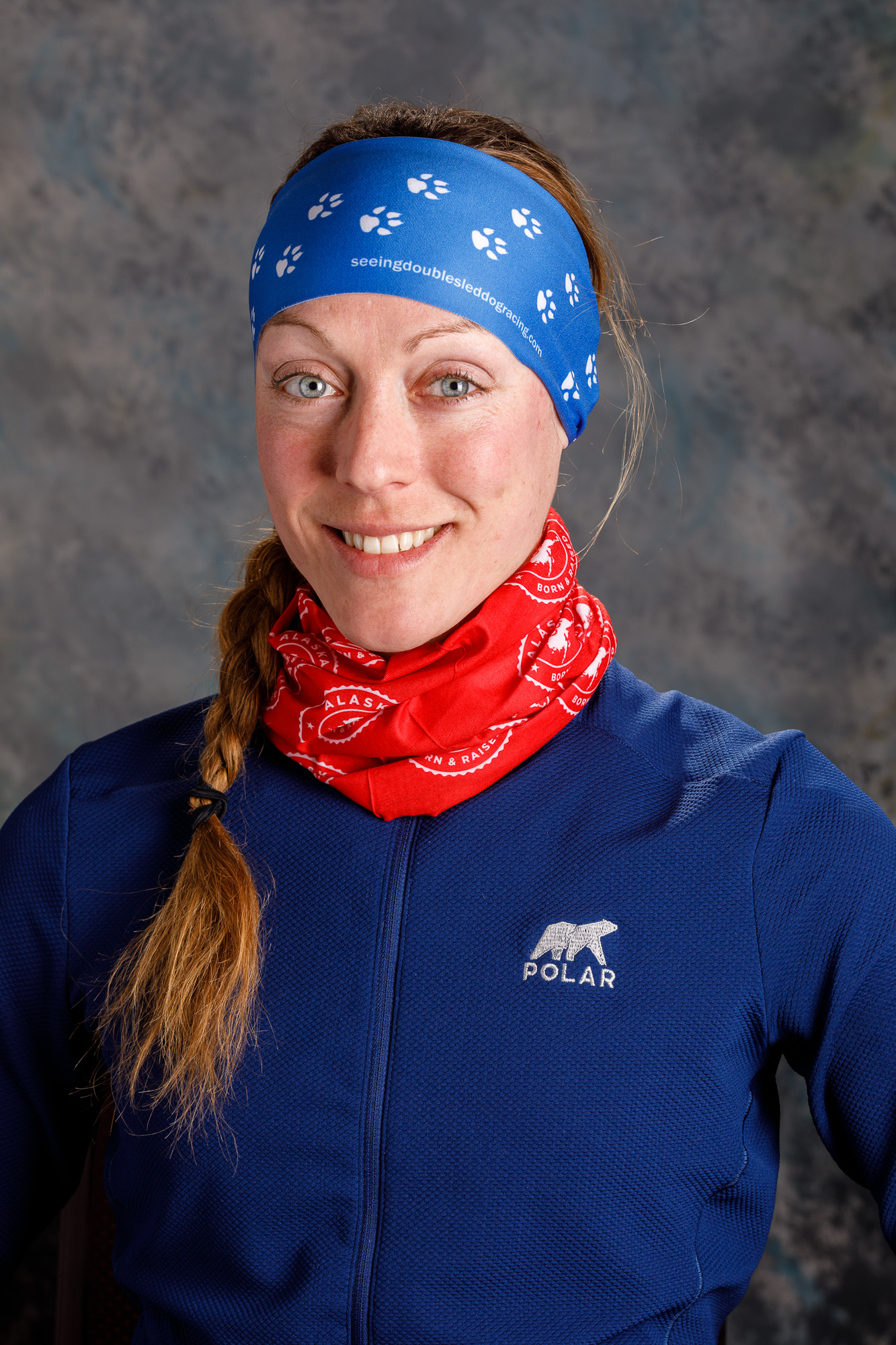
Anna Berington, 36, has been loving life in Alaska since 2007 racing sled dogs, commercial fishing, building and constructing homes, landscaping and competing in running races. With her sister, they are Seeing Double Sled Dog Racing. Being able to raise and train dogs together has been a dream come true, and racing the Iditarod is a perfect fit for these endurance racers. These dreams have been made possible because of help and support from friends, family and sponsors. Anna started mushing when she was only 9 years old. The twins have come a long way from mushing their pet dog in Wisconsin to giving tourists rides in the Sierra Nevada’s, to training with former champion Dean Osmar, and many mushing friends like Scott Janssen here in Alaska. Now dog mushing is a family affair with visits and help from Mom, Dad, and sister Kat, and of course their fur children, 30 amazing dogs! Anna lists her hobbies as running, triathlon, biking, swimming, canicross and skiing.
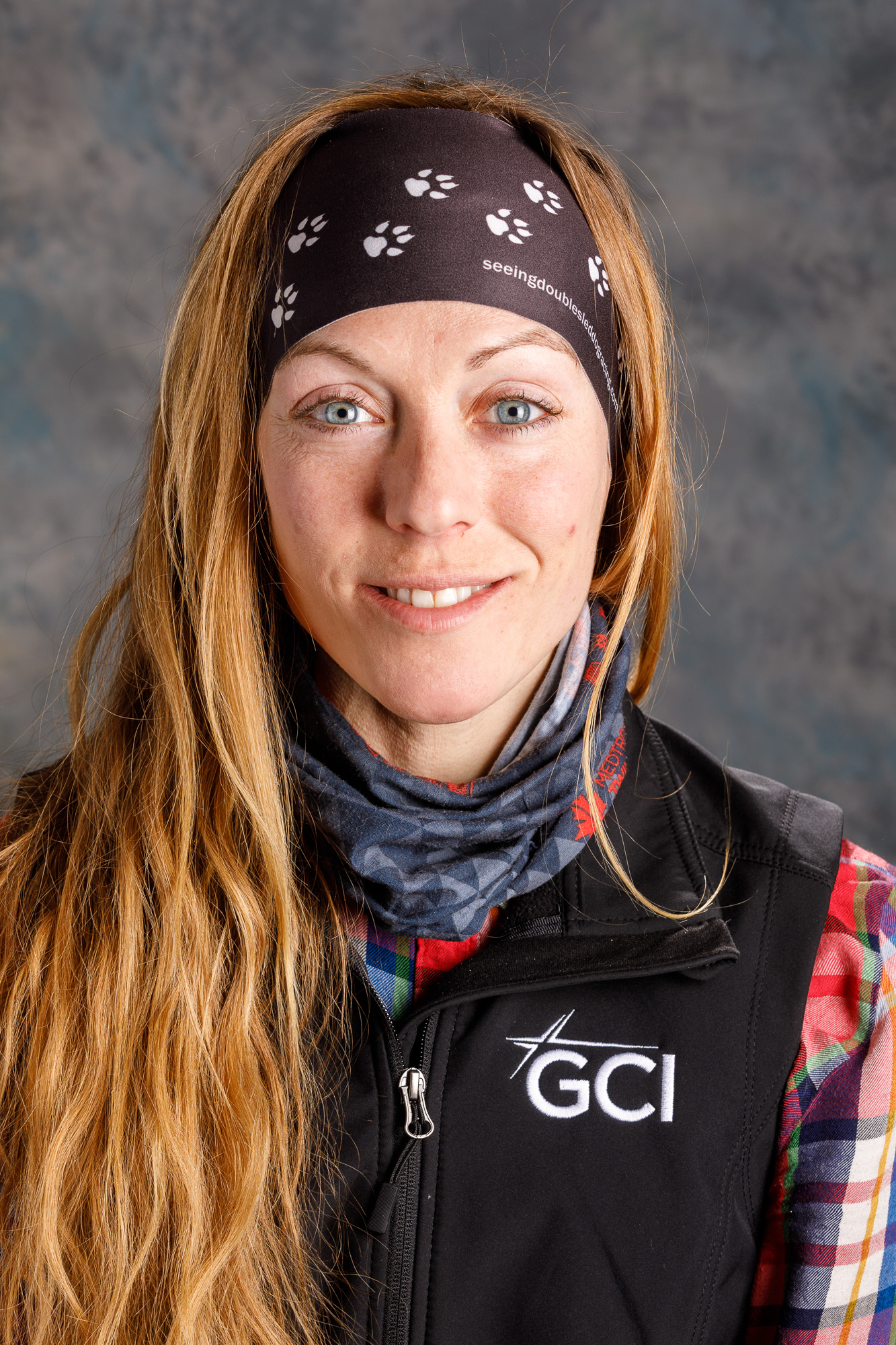
Kristy Berington, 36, operates Seeing Double Sled Dog Racing with her twin sister Anna and her husband, Andy Pohl, in Knik. Mushing dogs has become part of family life. Andy races and trains the dogs, Kat Berington manages their website, Vicki Pohl sews harnesses and dog coats, Ray Pohl runs trail support, and the entire family supports and sponsors from the sideline all the way from Wisconsin to South Carolina. This is Kristy’s 11th running of the Iditarod. She moved to Alaska 13 years ago to learn more about mushing from 1984 Iditarod Champion Dean Osmar in Kasilof. Since then she has raced all over Alaska and into Canada competing in the Yukon Quest, Kusko 300, and Copper Basin 300, just to name a few. “I love endurance sports and adventure!” says the ultra-athlete. “What better way to combine those two factors than running sled dogs in the most beautiful place in the world.” Never sitting still, in the off season Kristy competes in many running races from half marathons to ultra-distances and triathlons with Anna. “Anna and I are always in friendly competition. I’m so proud of her in her mushing and athletic career. And to be a part of it all with her is amazing.” Kristy and Anna pay the bills by doing carpentry work and landscaping. “Thank you to the many fans, friends, family, volunteers and sponsors for making all of this possible. We couldn’t do this without you!” “I’m looking forward to running another Iditarod with my incredible canine athletes! Best of luck to all the mushers and their amazing dogs.” Kristy lists her hobbies as running, cycling, hiking, keeping up with her husband and canicross.
Aaron Burmeister, 45, was born and raised in Nome. He graduated from the University of Alaska Fairbanks and has worked in construction for the last 26 years. “I have been racing the Iditarod over the last 27 years and have been raising dogs my entire life. Iditarod is an event that brings the state of Alaska together every year to celebrate the rich history of dog mushing and its role in developing travel through Alaska, from delivering mail to transporting gold miners, and hauling wood, ice and checking traplines. Thousands of people come together each year to help put on this great event so that we as mushers, can participate. It is an honor to be on the trail to see old friends and make new ones. As a musher, it is no easy task to get to the starting line and I would like to thank my family for allowing me to do it, and my partner Tony Browning, and Marion for making it possible.”
Born in Winterthur, Switzerland in 1958, Martin became fascinated with sled dogs while still a teen. He came to Alaska in 1979 to enhance his knowledge of care and training of sled dogs. He began working and training with long-time Alaskan mushers Earl and Natalie Norris and ran his first Iditarod in 1980. Martin and wife Kathy Chapoton, a retired teacher, reside in Big Lake, Alaska, where the family owns and manages Happy Trails Kennel. Their sons, Nikolai and Rohn, both named after Iditarod checkpoints, have been involved with dogs at various times in their lives. Nikolai currently resides in Seattle. Rohn completed three Iditarods, his first Iditarod in 2008, as a senior in high school.
Martin was inducted into the Alaska Sports Hall of Fame in 2017.
Martin runs the race each year with his dogs to test the success of their breeding, training and physical endurance. He regards his racers as true competitive athletes and prides his team on their longevity and spirit of competition. For nine years, Martin’s 2002 team held the record for the Fastest Iditarod by completing the race in 8 days, 22 hours, 46 minutes and 2 seconds.
As a tribute to his treatment of his racers, Martin was awarded the coveted Leonhard Seppala Award an unprecedented five times, in 1988, 1993,1995, 1997 and again in 2014 for the most humanitarian care of his dogs. The award was named for the most famous Alaskan musher who ran the longest and most dangerous stretch of the 1925, 674-mile diphtheria serum run from Nenana to Nome, which saved hundreds of lives.
Following Martin’s 2002 Iditarod victory, the process for his becoming a naturalized citizen of the United States was completed under the burled monument. He then turned around in Nome and made the trip from Nome to Big Lake with his family by snowmachine.
Upon completion of the 2005 Iditarod after a woodworking accident four days prior to the race start resulting in the amputation of a part of his finger; he was awarded both the Sportsmanship and Most Inspirational Awards by his fellow mushers.
Martin is an honorary member of Rotary. He is always involved with some project around the kennel or house. While he and Kathy moved into the retirement home that Martin built, they are still working on finishing all the details, your typical Alaskan self built home that is never quite finished. Martin is on the Board of Directors of the Blood Bank of Alaska and has donated over 11 gallons of blood!
In the summer, Martin and his family give tours of their working kennel. The tour begins with a DVD trip from Anchorage to Nome narrated by Buser and includes his unique anecdotal stories gathered over 33 Iditarods. Visitors are offered a glimpse of a mock-up of the Cripple Checkpoint complete with campfire and wall tent. Veterinary and dog care topics are discussed and of course, there’s the cuddling of puppies. The tour ends with a riotous symphony of dogs barking as a team is hooked up and taken on a demo run to show folks the dogs in action.
Mile by Mile: Martin Buser’s Iditarod is a newly revised video. In partnership with Jeff Schultz and Sprocketheads, LLC and Little Frog Video, a unique journey from Anchorage to Nome with some of the most spectacular imagines ever assembled in a DVD was created. With a combined 54 years on the trail, Jeff’s photos and Martin’s trail stories make it possible for you to “be there” on the back of the sled! The video now includes insight into life with sled dogs.
Martin tailors motivational speeches on many topics to large and small audiences in and outside Alaska. Some titles include:
• “You’re Only As Fast As Your Slowest Dog: Elevating the Entire Team for Maximum Performance”
• “Capitalizing on Extreme Challenges”
• “Travelogue Alaska: Negotiating 1000+ miles with a Dog Team”, “Work Hard, Never Quit, the Mantra for Life in the Last Frontier(or anywhere else for that matter)”
Martin is currently the musher with the most consecutive Iditarod finishes, 33 races completed in row, 35 total finishes. He is a four time Iditarod champion winning the race 1992, 1994, 1997 and 2002. While the race is always the final exam, the year round interaction and relationship with the dogs is the most valuable aspect of this lifestyle. On a daily basis, we are amazed by the stamina, loyalty, honesty, and joy of our dogs. Author Brian Jacques went on a ride with Martin and the team many years ago and described the dogs as “eternal children.” We couldn’t agree more. It is our good fortune to be able to take care of them.
Martin published DOG MAN: Chronicles of an Iditarod Champion in March 2015. The book is available at our online store at www.buserdog.com.
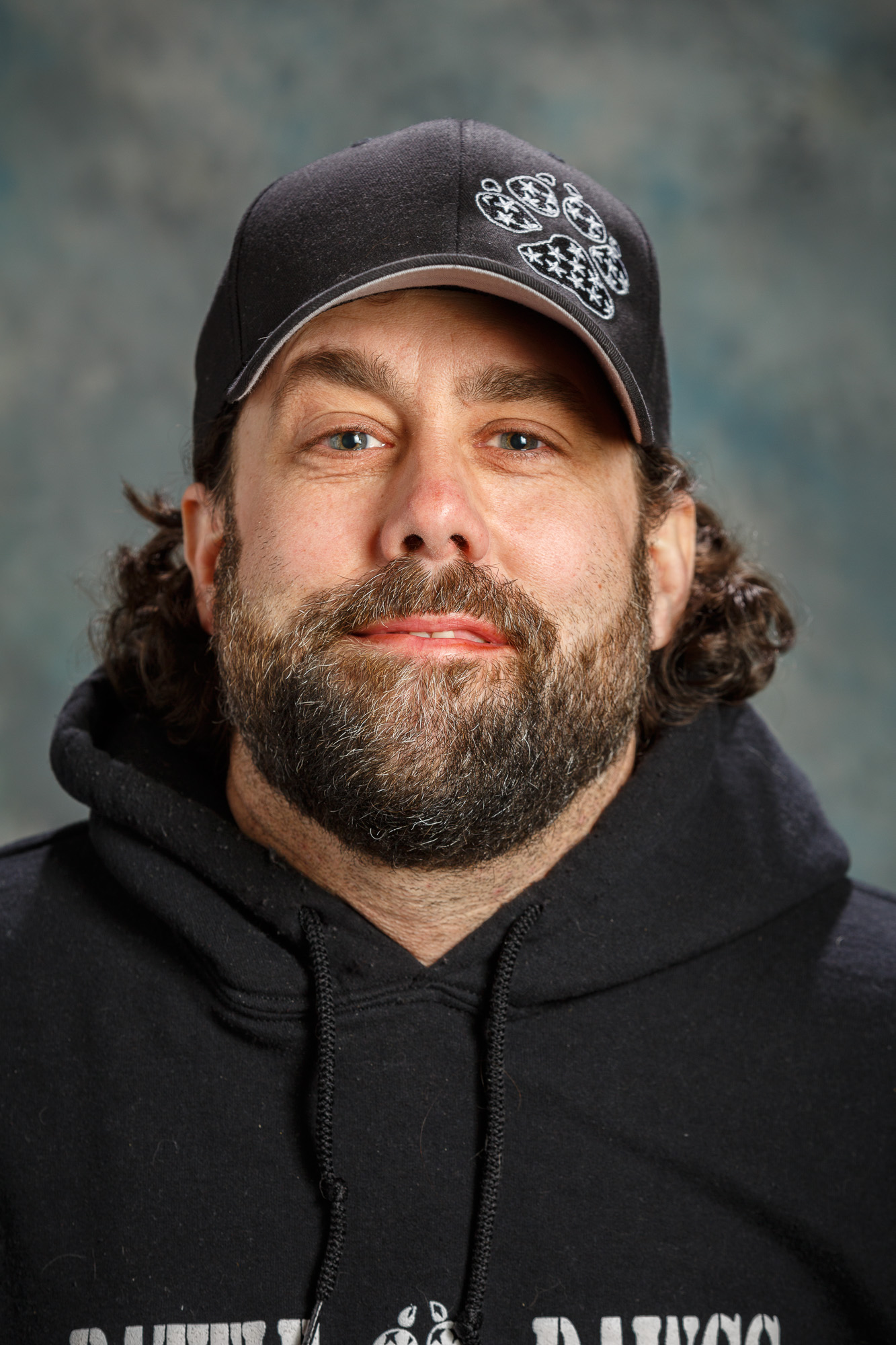
Rick Casillo, grew up in a small country town of Alden, outside of Buffalo, NY. He worked in Alden as a sub-contractor before moving to Alaska in 1999 to become a fly fishing guide. He began mushing in 2002. He says, as he watched the race go by, he began to get interested in actually running it. He first ran in 2004. He came back in 2014, after establishing their kennel, Battle Dawgs Racing. “The primary goal of our kennel is racing the Iditarod and raising awareness for combat veterans. My wife, Jennifer, a combat veteran, and I have a non-profit organization called Battle Dawgs. This is separate from the race kennel. Battle Dawgs’ focus is providing year round camps for warriors all across the country and Alaska. Activities include Iditarod, dog mushing, rafting, hiking and hunting. Our motto is ‘Helping Our Warriors one step at a time.’” Rick lists his hobbies as working with combat veterans and fly fishing.
Jeff Deeter, 32, started mushing at the age of 15. After completing his first Iditarod in 2008, Jeff took 10 years away from the race. In that time, he met his wife, KatieJo, built a home in Fairbanks, and started a tour business, Black Spruce Dog Sledding.
After following and analyzing years of Iditarod races, Jeff has made it his goal to run competitively. Finishing 15th and 16th in the last two races, he is planning to take his team to a faster, and more competitive finish in the years to come. “But more than anything, what matters to me is experiencing the trail with my dogs, and living this unique dream. The Iditarod is unlike any other event, and running this trail, with my four legged friends, is truly amazing!”
Follow Jeff and his team by going to their website, or liking their kennel page on Facebook and Instagram.
Richie Diehl, 34, was born and raised in Aniak, Alaska. He graduated from the University of Alaska Anchorage in 2008 with a Bachelor of Science degree in Aviation Technology. He’s been working as a carpenter in Aniak the last 10 years. He says he began mushing “as a kid” and has been racing competitively in Alaska since 2010, having completed the Kusko 300 several times as well as the Paul Johnson Memorial 450 in its inaugural year, 2012, and the Iditarod seven times, his best finish being sixth in 2018. He lists his hobbies as hunting, flying, fishing and boating.
Paige Drobny, 45, was born in Bryn Mawr, Pennsylvania, and says she moved all over growing up. She graduated from Virginia Tech in 1997 with her B.S. in Biology and from UAF in 2008 with her M.S. in Fisheries Oceanography. Before moving to Fairbanks in 2005 for graduate school, she lived in Colorado and was a fisheries biologist. “I enjoy the outdoor lifestyle. I work as a fishery biologist and help my husband, Cody Strathe, build dog sleds for our company, DogPaddle Designs, during the summer. Our mushing started in 2006 as a way to explore the wilds of Alaska with no plan to ever do any racing. We spent several years camping and traveling with our dogs. In 2010, Cody and I decided to give it a whirl and entered the GinGin 200 together…we had a blast, and suddenly we were on the slippery slope.” Paige has run the Iditarod five times.
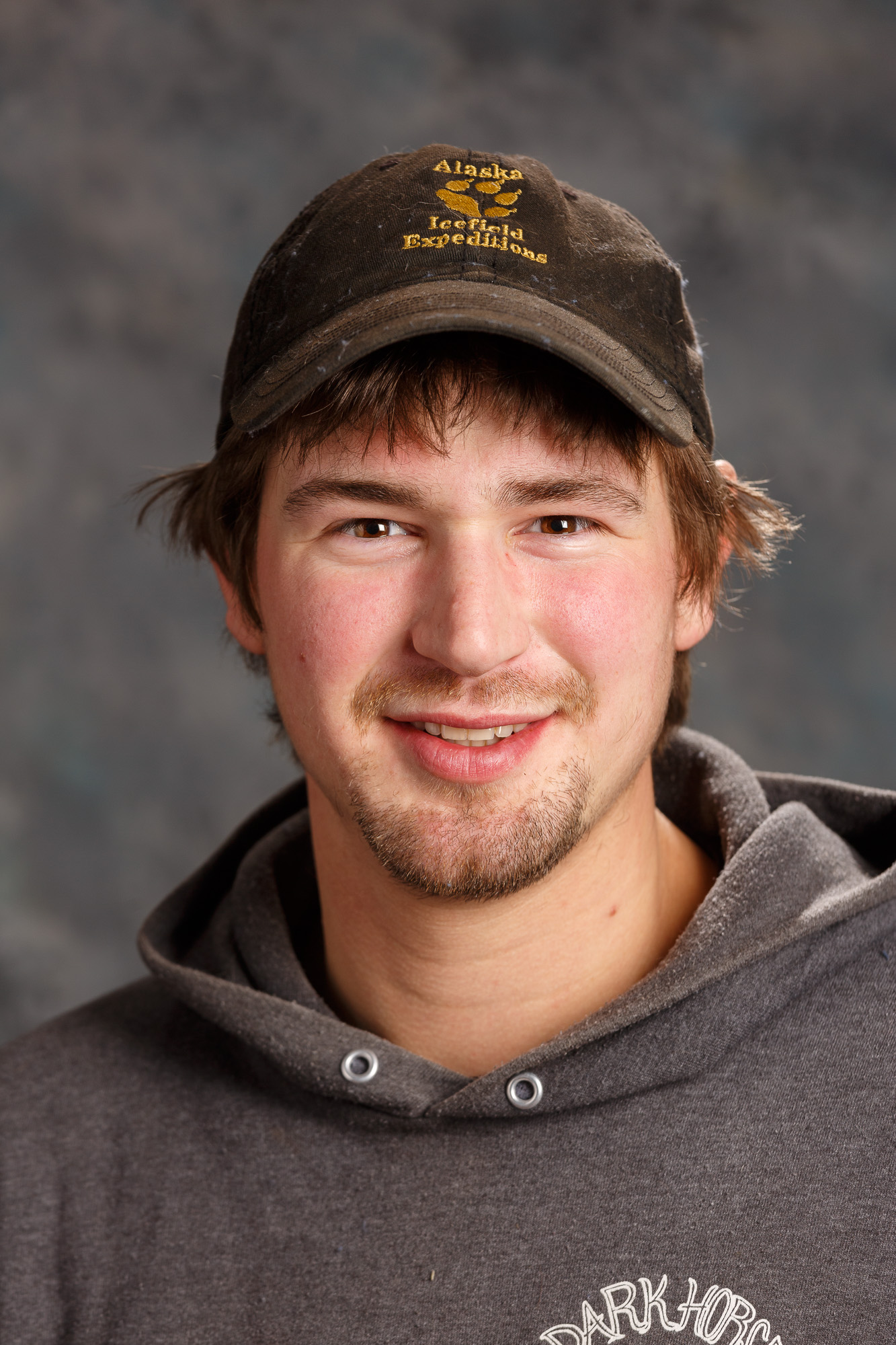
Riley Dyche grew up in Farragut, Iowa and started running dogs in Leadville, Colorado in 2010, while he was attending college there, with a major in Outdoor Recreation Leadership. He moved to Alaska in the spring of 2013 to work for Alaska Icefield Expeditions. While there he met Matt Hall. He handled for Matt that year and then a year with Ryne Olsen and then a year with Sven Haltmann, before he started his own kennel, Dark Horse Racing Kennel, in 2016. He continues to spend summers on the Denver Glacier in Skagway, offering tours for Alaska Icefield Expeditions. In the winter he focuses on training and racing at his home north of Fairbanks. This year, Riley will be running his team from the past year’s race and will be looking to utilize what we learned in 2020 to improve in 2021.
Matthew Failor, 37, was born and raised in Ohio. He says, “My family taught me a love of the outdoors; camping, fishing, canoeing, backpacking, hunting, were all things we did on family vacations. My mom and dad and brothers and sister all enjoy an active outdoor lifestyle. My three brothers and I are Eagle Scouts.” He moved to Alaska in 2006 for a summer college job as a dog handler at Gold Rush Sled Dog Tours. He graduated with a Bachelor of Fine Arts Photography from Ohio State University in 2007. He moved to Alaska permanently in 2008 to work with Matt Hayashida and train with him and his dogs. He has worked for various mushers and in 2010, he started handling for Martin Buser and ran his first Iditarod as Martin’s handler. He recently moved to Willow to run dogs under his own name. 17th Dog, Team Matthew Failor. “The dogs and I spend all summer, fall and winter together living as a family and learn to work towards a common goal, improving in everything we do and never stop learning. Twenty eight canines have become my immediate family now, however, Ohio will forever be called home.” Matthew is currently a dog trainer and has been manager of Alaska Icefield Expeditions for 12 years. He says he enjoys sports, staying active and is an avid outdoorsman.
I have been a dog musher for about 33 years. I was introduced to dog mushing when I lived in northern Minnesota. Since then, dog mushing has been a very special part of my life. Along with my family and my work as a nurse practitioner, dog mushing remains one of my life passions. I think sled dogs, especially Alaskan huskies, are remarkable beings that give us so much pleasure and inspire us with their enthusiasm, affections, incredible athleticism and remarkable resilience. After retiring from Iditarod three times I have decided to run “one more time” because I love the dogs, love working with the dogs and because running across Alaska with my dogs fills my soul.
Matt Hall, 29, was born and raised in Eagle, Alaska on the Yukon River, where he worked his trap line with his sled dogs and guided week long expeditions for his parents company, Bush Alaska Expeditions. He started mushing when he was just 2 years old and that began his dream of racing. The first generation of pups that would create the foundation of his future race team was then born the summer he turned 16. He moved to Two Rivers, Alaska, to pursue competitive racing and completed his first long distance race, the Yukon Quest 1000, at the age of 22. His kennel, Smokin’ Ace Kennels, sits on a 40 acre parcel of land next to the Chena River. He maintains an off-grid lifestyle by hauling water and firewood with his Smokin’ Ace family of 35 Alaskan Huskies. For the last 12 summers, he has lived and worked for Alaska Icefield Expeditions on the Denver and Mendenhall Glacier. Winters are spent training, guiding tours and enjoying this encompassing life of mushing with his dogs. At the age of 26 he was the Yukon Quest 1000 champion of 2017 and continues his racing career by competing in his third Iditarod of 2021.
I moved to Alaska seven years ago and found an opportunity mushing with Myron Angstman. Having a chance to bond with the dogs and listen to Myron’s stories inspired me to decide to run the Iditarod. After my rookie race in 2019 I fell in love with the adventures and challenges my dogs and I experienced on the trail, and we’re excited to race again.
Jessie Holmes, 39, was born and raised in Alabama. He left there at the age of 18 to go see Alaska. But he ended up in Montana where he worked as a carpenter for three years. He came to Alaska in 2004 looking for adventure and found it running dogs on a remote trap line on the Yukon River. This love for the wilderness and dogs eventually led to his competing in many races, both sprint and distance. He won the Kobuk 440 in 2017 and placed seventh in the 2018 Iditarod, taking home the honor of being the “Rookie of the Year” in that Iditarod. A subsistence resident of Nenana, Jessie is currently works as a carpenter and TV personality, appearing on “Life below Zero,” a documentary television show about the daily lives of people living in remote Alaska. He lists his hobbies as running ultra-marathons, hunting and fishing.
Gunnar Johnson, 52, was born and raised in Minnesota. During his growing up years he spent many summers in Alaska. He received a degree in biology from the University of Minnesota at Duluth and his JD from American University in Washington, DC. He spent two years in Alaska running dogs, commercial fishing and working for the court system. He first began mushing in 1990 but when he was 11 years old in 1979 he saw Jim Lanier’s slide show on his first Iditarod. Gunnar says “that changed my life”. He ran the Iditarod in 1991 and came back in 2004 and ran the Copper Basin, then the Denali Doubles in 2016 and the Northern Lights 300. “I have strong memories of my 1991 Iditarod. I was 22 years old when I started the race. I felt like I was in my late 40’s when I finally rolled into Nome. I gained a lifetime of knowledge between Anchorage and Nome. Now years later, mushers like Martin Buser, Jeff King, Ketil Reitan and Mark Nordman are still involved with the Race. Others like susan Butcher, Joe Redington Sr. and Steve Fossett are no longer with us.”
“I am taking a break from legal work this winter. My children are off to college. Jim Lanier still has a few dogs left from his 2020 Iditarod team. Now is as good of a time as any for me to run the Iditarod one more time. It is a special opportunity to be a part of this amazing race. I’m looking forward to it in 2021.” Gunnar has twin 18-year old daughters, Ilsa and Lily. He lists his hobbies as “watching my daughters play sports, cross country skiing, hunting and fishing”.
Dan Kaduce, 51, was born and raised in Chippewa Falls, Wisconsin. He moved to Alaska in 1993 “for fun.” He began mushing in 1994 and did many races in Alaska and Canada, including multiple Yukon Quests, before he just “ended up running the Iditarod.” He and his wife, Jodi Bailey, also an Iditarod veteran, own Dew Claw Kennel in Chatanika, Alaska. Dan says that where they are now is the “perfect place for training dogs.” In his first Iditarod in 2010, Dan was the Rookie of the Year. For the last eight years he has been an equipment operator and says he enjoys construction and woodworking as well as hunting.
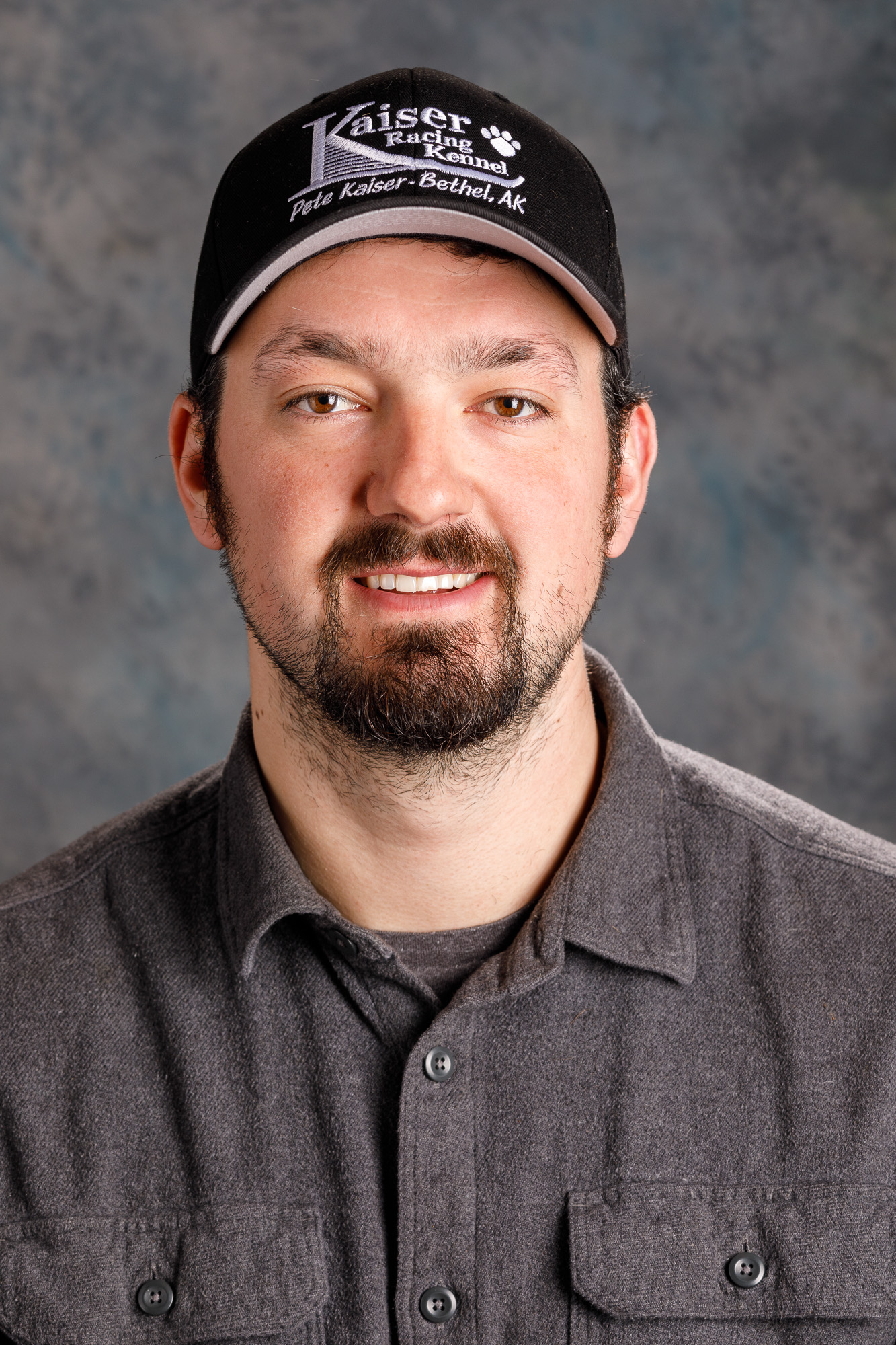
Peter Kaiser, 32, was born and raised in Bethel, Alaska. He graduated from Bethel High School in 2005 and has worked for Knik Construction/Lynden for the last twelve years. He says, “Our family has always had dogs, and I’ve been mushing since I was a kid. Watching the Kuskokwim 300 every January sparked my interest in long distance racing, and a few years ago, I decided that I would give the Iditarod a try.” He has finished in the top 5 six times including a first place finish in 2019. Peter says he enjoys boats, hunting, and fishing. He and his wife, Bethany, are the parents of seven year old Ari and Aylee who is two.
Dennis moved to Alaska in 1997 and can’t imagine living anywhere else. Alaska has provided him with much opportunity and a lifestyle that affords him to live under his own terms much of the time. A lifestyle many in the lower 48 wouldn’t understand or even consider. Dennis ran the Iditarod in 2004 and finished 29th. Sixteen years later he has decided to run it again. He took a ten-year hiatus while he re-established himself and learned the trade of telephone lineman through the IBEW apprenticeship program. In 2013 he acquired 11 sled dogs from a friend and two leaders from Jason Mackey. It was inevitable that he would enter the Iditarod again. For the past six years Dennis has been building his Outlaw Kennels while breeding dogs and running many races, from small sprints to the Kuskokwim 300. All dogs he plans to run in this year’s race will have been born at Outlaw Kennels and selectively bred. After completing the 2020 Iditarod last year with a young team of three-year olds and two-year olds, Dennis has decided to enter the 2021 Iditarod because he feels that he and the dogs can both improve in this year’s race.
Wade Marrs, 29, was born and raised in the Knik area outside of Wasilla, Alaska. “I have been behind a dog team since I was born.” The biggest influences for his mushing were his late uncle and the Redingtons. Wade says, “I was a quiet kid, learning the ropes of mushing, not asking many questions, just listening to words of advice from the many mushers visiting the Redington home in Knik. Having now served on the Iditarod’s Board of Directors and as the IOFC president, I look forward to continuing being an advocate for the mushing lifestyle and the future of this sport.” Wade moved to Willow in 2014 to expand his growing kennel and for better training opportunities. When he isn’t with his dog team Wade likes to adventure, fish, hunt, build and spend time with his wife Sophie.
Ryne Olson was raised in Durango, Colorado. Five years ago, she moved to Alaska to pursue dog mushing at SP Kennels. She worked with Aliy Zirkle and Allen Moore and in 2012, ran a team for SP Kennels in the Iditarod. It was then that she knew what she wanted to do for the rest of her life. I’ve always loved dogs and the outdoors and I’m so happy I stumbled upon this incredible sport. There’s no bond quite like the one between a dog team and their musher. I’ve raised almost all of the Ryno Kennel canine athletes from puppyhood and find immense enjoyment in being a part of their lives. We’re excited to race the 2021 Iditarod and test ourselves against Mother Nature and some of the top dog teams in the world.
Aaron Peck, 40, was born in Cobourg, Ontario. He received his diploma in Agriculture from the University of Guelph in 2002. He began mushing in 1992 and says “I was hooked at the age of 13 when I saw on ABC Wide World of Sports Susan Butcher winning the Iditarod.” Aaron and his Swiss-born wife Eva, along with their three children Clancy, Sunny and Jocko, own a small ranch near Grande Prairie Albert Canada. Here they operate Elevation Dogs Boarding and Training center as well as Elevation Sled dogs Racing and Tours. They are proud to raise their family in this dog-filled environment. The dogs offer so many opportunities to help them learn and grow. Aaron and the main team of Elevation Sled Dogs are working hard to run into the top ten of Iditarod. Aaron is beyond grateful to be able to head down the Iditarod Trail once again in 2021!
Nicolas was born in France, raised in New Mexico and moved to Girdwood, Alaska. He began racing while helping Jim Lanier train for Iditarod in 2011 and in 2012 when Jim had to sit out the race with hip replacement surgery he let Nick run his first Iditarod. That’s how Jim Lanier changed Nicolas Petit’s life, the rest is history.
Michelle Phillips, 51, was born and raised in Whitehorse, YT. “After traveling the world for 10 years, I decided to settle down in a small cabin in the Yukon Bush. After living for a few years in the Southern Lakes region of the Yukon, I met my partner, Ed Hopkins. Ed introduced the sport of dog mushing to me and I immediately fell in love with the sport. Growing up in a very athletic family and training for many years as a figure skater, I enjoyed challenging myself and working with such an elite and talented group of athletes. After running my first Yukon Quest, I was hooked on long distance mushing and I’ve been doing it since. I love traveling with my team of dogs and spending time with my best friends.” She and Ed own and operate Tagish Lake Kennel. Michelle has run seven Yukon Quest races (best finish 4th and Vet’s Choice award in 2009.) For the past 17 years, when not racing professionally, Ed and Michelle, with their son Keegan, 19, have provided visitors with sled dog adventures of 30 minutes to seven days throughout the year. I love running dogs and Iditarod is a test of what I have trained for, for many years. Michelle lists her hobbies s trail running and herbs.
The 2020 Iditarod Rookie of the Year, Mille Porsild started mushing in 1992, running a team of Polar Husky sled dogs for polar explorer Will Steger on a three-month-long dog sled expedition in Canada. She was hooked. Ever since Mille has lived with her sled dogs to experience the people and places in the magical North while finding ways to be sharing the adventures with people around the world. She has slept more than 1,000 nights in a tent on the dog sled expeditions and feels home anywhere in the circumpolar Arctic. Mille has done 15 long-haul expeditions with her freight dogs. Each expedition lasted two-six months and was as long as 3,000 miles in greenland, Russia, Sweden, Norway, Finland, Alaska and crisscrossing Canada. In 2011 she entered her first sled dog race, running the 800-mile Nadezhda Hope race in Chukotka, Russia. Mille then moved to Alaska with Team Racing Beringia and her then partner, Joar Leifseth Ulsom. Together they trained and raced with great success that culminated in 2018 with his Iditarod championship.
Mille was born and grew up in Denmark until she came to america and did her first dog sled expedition at 18 years old. Her great-grandfather founded the world’s first Arctic research station in Greenland. His sons traveled Arctic North America by dog team and canoe in the 1920’s, the “normal” son being Mille’s grandfather who left Greenland to live back in Denmark. Growing up, Mille would sit in his basement surrounded by drawings, mystical cravings and seal skin clothing, listening to his adventures as a kid across the ice with his sled dogs. That’s when Mille decided she wanted to grow up to live her life with sled dogs. Mille will be racing the 2021 Iditarod for Team Racing Beringia.
Ryan Redington, age 38. I am racing Iditarod because I love the Iditarod and the dogs. My grandfather is Joe Redington Sr. He is known as the ‘Father of the Iditarod’ for starting the race in 1973. My dad is Raymie who has raced in the Iditarod 14 times. My grandpa, dad and Uncle Joee are all in the Mushing Hall of Fame. I got big footsteps to follow and am glad to be racing in the 2021 Iditarod. In the 2020 Iditarod I had my best finish in eighth place. Henry, Ghost and Splint are my lead dogs. My daughter Eve and son TJ are also carrying on the family tradition racing. They love dogs and mushing. www.redingtonmushing.com.
Jessie Royer, 43, was born in Idaho. She grew up on a cattle ranch in Montana where she lived for 21 years. She worked on ranches as a horse wrangler and horse teamster. She says she got her first sled dogs when she was 15. She started learning about dogs from Doug Swingley whom she worked with for a couple of years. She had dogs in Montana seven years before moving to Alaska in the spring on 1998. She won Montana’s Race to the Sky when she was only 17, and she was the winner of the invitational La Grande Odyssée in France in 2005. She says her hobbies are horses, hunting and mounted shooting.
“Brent was born and raised in Minnesota but moved to Alaska over 20 years ago. After falling in love with the trails of Eureka, AK, Brent took over a homestead established in the 70s and this is where he now lives with his dogs since 2012. Brent is a three time Yukon Quest 1000mi Champion (2015, 2019 and 2020, also rewarded with the Vet’s Choice award for his dog care in the 2015 and 2019 win). Brent and his team are excited to be back on the Iditarod trail again in 2021! Mushing is a way of life for Brent – it gives him a chance to get out and explore Alaska, but most importantly it is all about the dogs and the relationship he has with each and every one of them. Getting to know each dog’s behavior and personality is what makes dog mushing such an adventure. Every day is exciting, whether it is traveling on a new trail or learning something new about the dogs. Living his dream and setting and accomplishing goals is what drives Brent every day, along with all of his incredible fan support.”
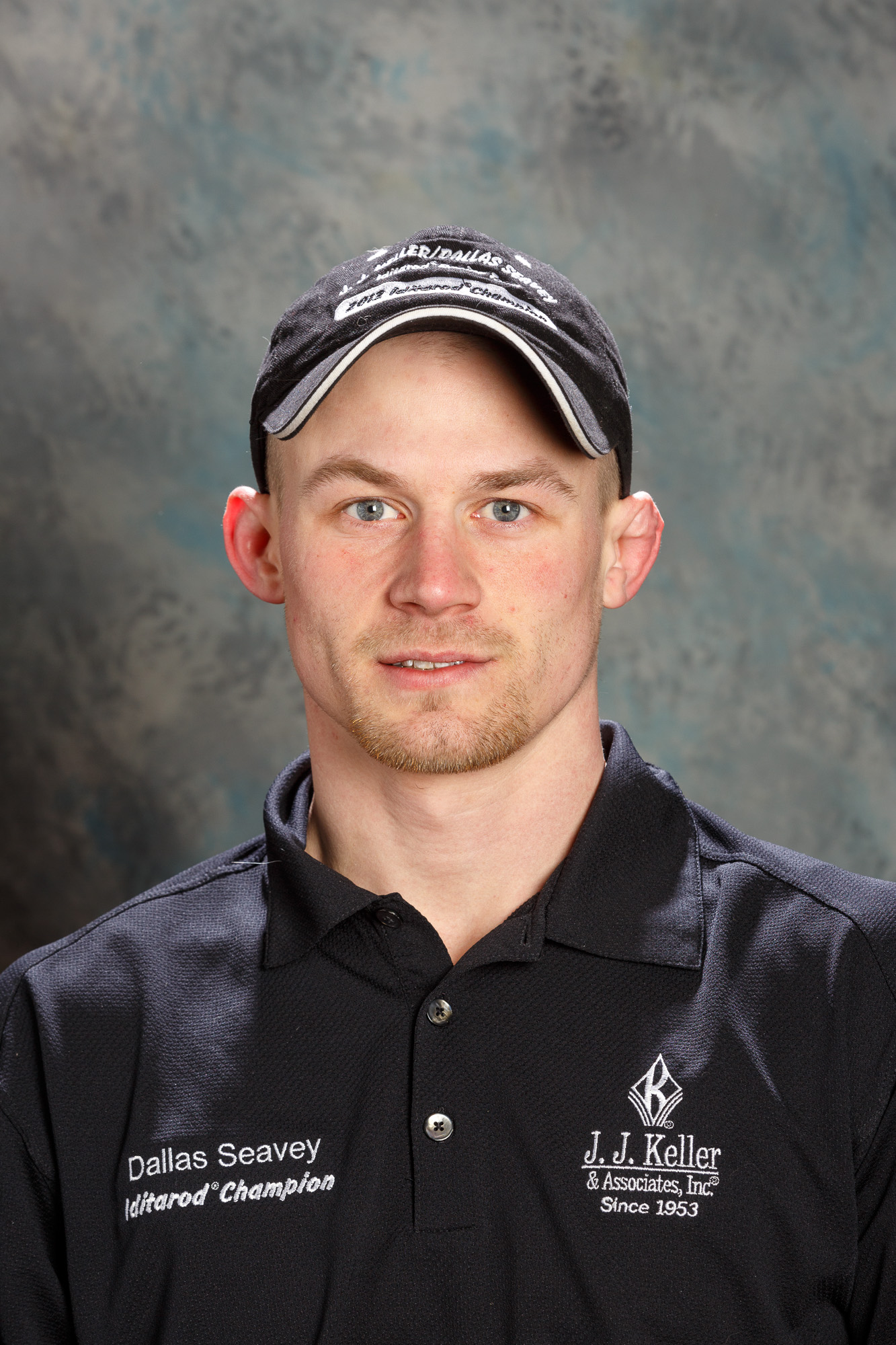
Dallas Seavey was born in Virginia and his family moved back to Seward when he was five. He is a third generation musher who grew up helping his dad, Mitch, the 2004/2013/2018 Iditarod champion, train his racing teams. He ran the Jr. Iditarod four times and in 2005, Dallas became the youngest musher in history to run the Iditarod. He also wrestled for Sky View High School and spent one year training at the U.S. Olympic Training Center. He is a High School State Champion, a Jr. National Champion, and was on the 2005 Jr. World team. In 2011, he won the Yukon Quest and in 2012, he became the youngest Iditarod champion in its history. He is one of four mushers ever to hold a championship in both the Yukon Quest.
Lev Shvarts, 40, says he was born in a country in the Ukraine in the Soviet Union and is now a proud US citizen. He grew up in the Boston area, got a BS in Electrical Engineering at Carnegie Mellon in Pittsburgh. He went back to work in Massachusetts, but while sitting in an air conditioned office, he decided to leave a perfectly good career in engineering to pursue dog mushing. He moved to Willow, Alaska in 2011. “I am now a self-employed contractor and operate a short-run manufacturing and light fabrication / machine shop. He is married to Melissa. His hobbies include tinkering, tools, and tattoos.
Ramey Smyth, 44, was born and raised in Alaska. He is the son of Iditarod mushers Bud Smyth, who raced in the first Iditarod and the late Lolly Medley who raced in the second Iditarod. Ramey has lived all over the state but says he moved to Willow to put down roots and build a home for his family. Ramey has raced the Iditarod 27 times placing in the top 10 eleven times. He won the Kuskokwim 300 in 1995 and has raced in, and won, many other events throughout the state. He began mushing “as soon as I could walk” and won the Jr. Iditarod twice before his first Iditarod in 1994. He is a full time log home builder and owns and operates Smyth Logwork and Construction in Willow. He says, “I am entering the Iditarod because I love working with sled dogs. Musing is a great way to connect to my historical Alaska roots and to challenge myself. My family loves sled dogs and this gives us an opportunity to work together on a common goal. Ramey operates Smyth Racing Team-Homestretch Kennel, which is 70 dogs strong, with his wife Becca Moore and their children, daughter Ava 13 years old, son Banyan 9 years and Coral,3. Ramey says his hobbies are “family, hunting and reading.
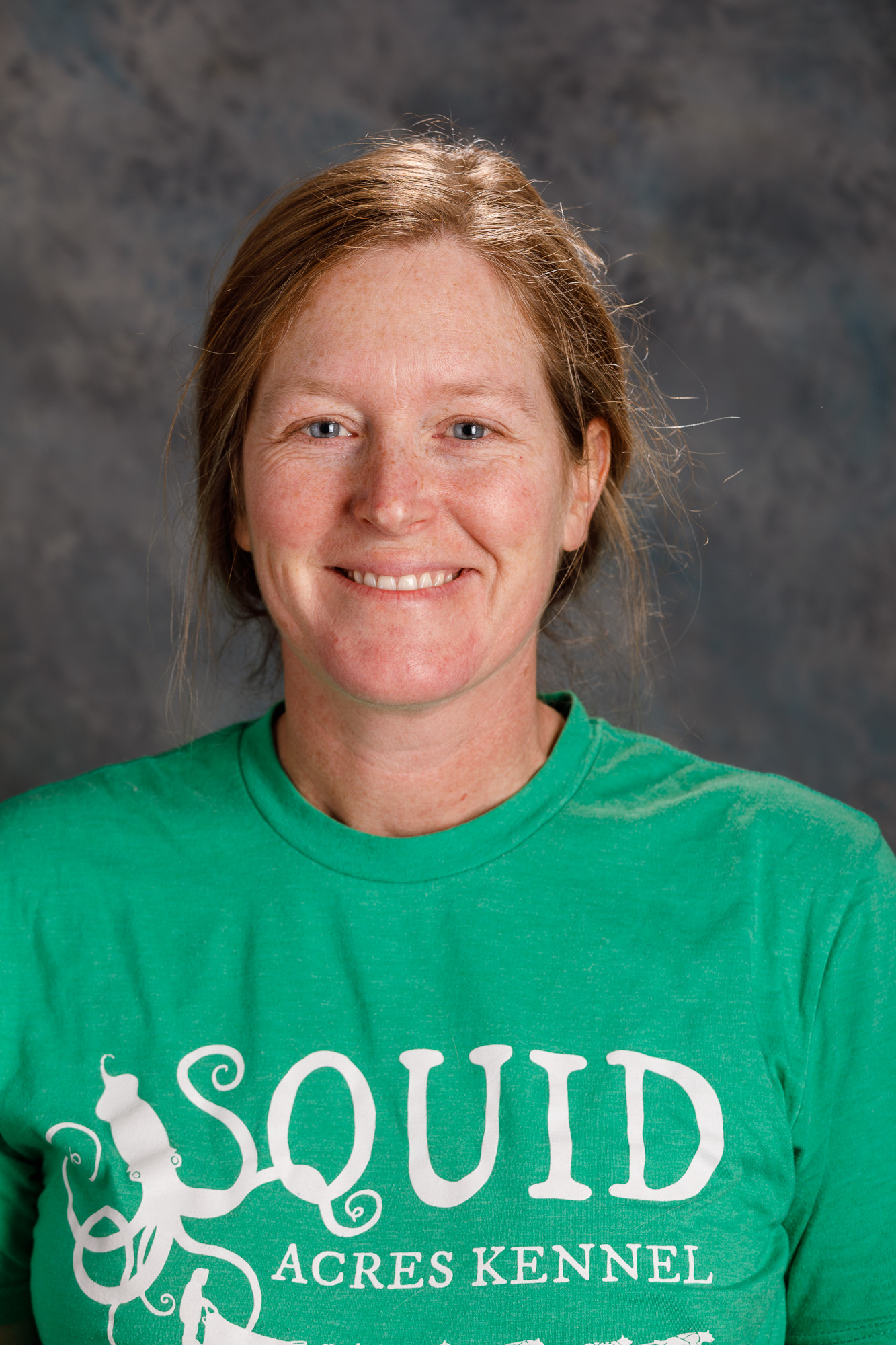
Cody Strathe, 40, was born and raised in Iowa and Wisconsin. He received a BS in Natural Resource Management from the University of Wisconsin, Stevens Point, in 2001. He first came to Alaska after college in 2001 as a canoe and backcountry guide and “got hooked.” He moved to Fairbanks to go to graduate school for archaeology, where he graduated with a Masters in anthropology in 2009. He has been working as a sled builder and archeologist for the last 11 years. Cody says, “I am an explorer at heart. Being out in the wild areas of Alaska is what makes me happiest, regardless of the season.” During the summer, Cody wears many hats when it comes to a profession. Cody and his wife, Paige, also an Iditarod veteran, own Spearfish Research, a fisheries and archaeology consulting company. This past summer, Cody worked with subsistence salmon fishers along the Yukon River to teach them how to collect scientific data from their catch. Some summers, he does archeological survey work in very remote areas of Arctic Alaska. In between field jobs, Cody builds custom dogsleds for other mushers through his company, DogPaddle Designs. He also builds custom handcrafted paddles and wooden boats. When fall comes, all of Cody’s time and energy is devoted to the mental and physical training of himself and of Team Squid. He began mushing in 2006 and says, “I first became interested in running the Iditarod He became interested in running the Iditarod after finishing the 2013 Yukon Quest. Both Cody and Paige ran the2016 Yukon Quest and the Iditarod, becoming the first couple to run both the Yukon Quest and the Iditarod in the same season. Our lives revolve around our dogs physical and mental well being. We live at an off-grid homestead in the Alaska Range where we train and have fun with our dogs year round. We also offer year-round kennel tours and winter dog mushing experiences. When not mushing I build dog sleds and wooden boats for our company DogPaddle Designs. I also work part-time as an archaeologist and biologist on remote field projects around Alaska.
Joar comes from Mo I Rana, an industrial town just south of the Arctic Circle in Norway. He was born with an insatiable love of dogs, sense of adventure and desire to get into the mountains. As he was without a dog himself, he would take his neighbor’s dogs for skijoring, hikes and camping trips, always enjoying the company of a canine friend. Once Joar finished with primary school he enrolled in an agricultural program at Val Lansbrukskole where he studied animal husbandry and farming science. During this time he worked a variety of locum jobs farming dairy cows, pigs and sheep.
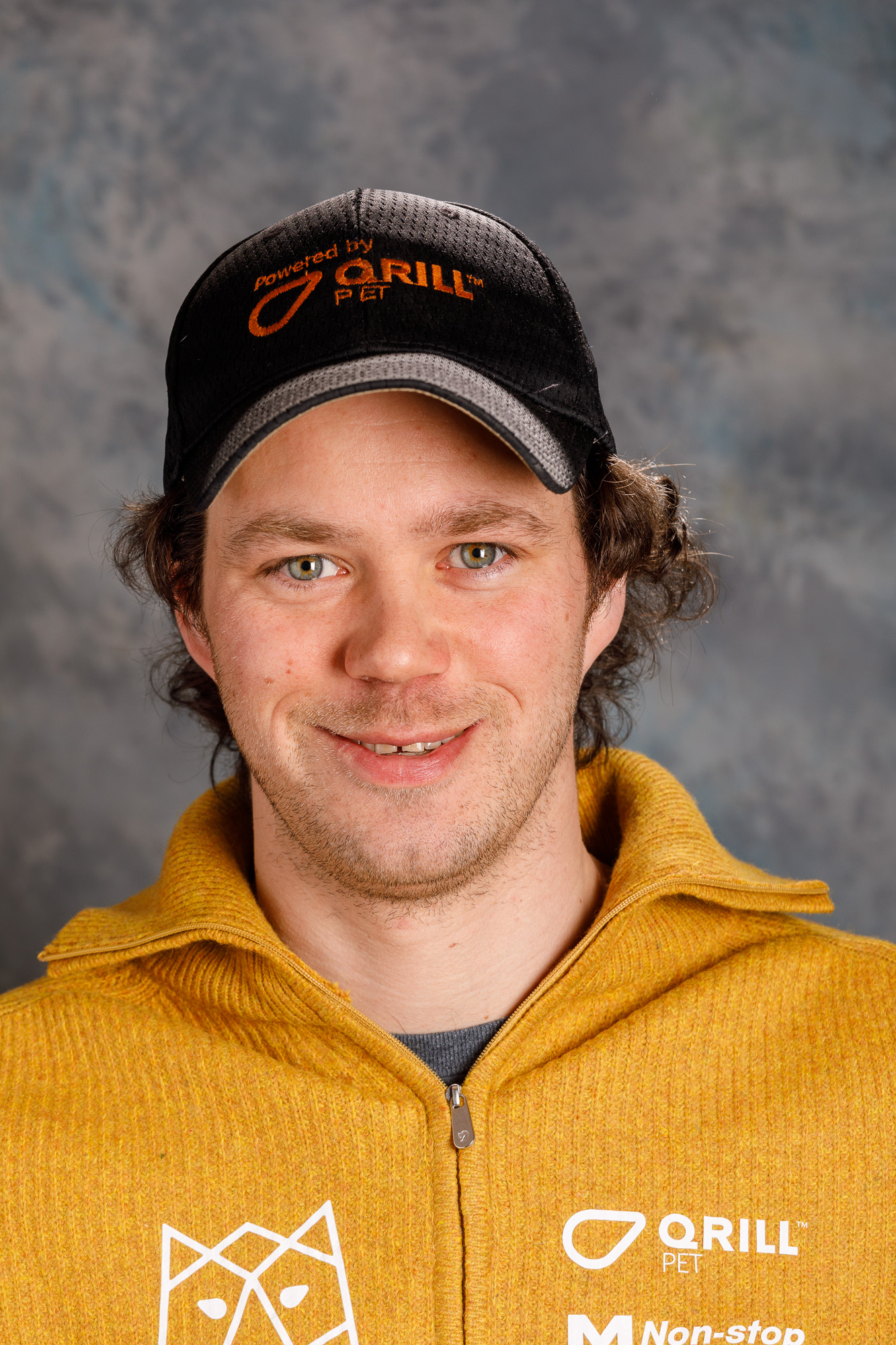
Initially, Joar participated in small sled dog races with borrowed dogs and it was in 2008 that he found himself in a position to start his own kennel in Norway. In 2011, an opportunity to launch his racing career arose and he took it, making the bold move with his dog team to Alaska. Once settled in Willow, Joar set out to hone his racing technique and dog care while continuing to develop and grow his race team. He was thrilled to be able to participate in the races he had read about as a boy including the Iditarod, Yukon Quest, Nadezhda Hope Race and Kuskokwim 300. In 2018, Joar became a proud member of the Qrill Pet Mushing Team and it was a dream come true when he crossed the finish line in first place during that year’s Iditarod. In 2019, Joar and his wife Margot, who is a veterinarian, founded Sivo Racing Kennel based in Willow, Alaska.
Always keeping his roots with him, Joar remains a life-time member of Rana Trekk-og Brukshundklubb based in Mo I Rana and travels home to Norway as often as he can. In his free time he is still always trying to get into the mountains either on foot, skis, a bike or dog sled. In line with his love of adventure and the outdoors, in summer 2020 Joar started the process of obtaining his private pilot’s license with the ultimate goal of acquiring a commercial pilot’s license.
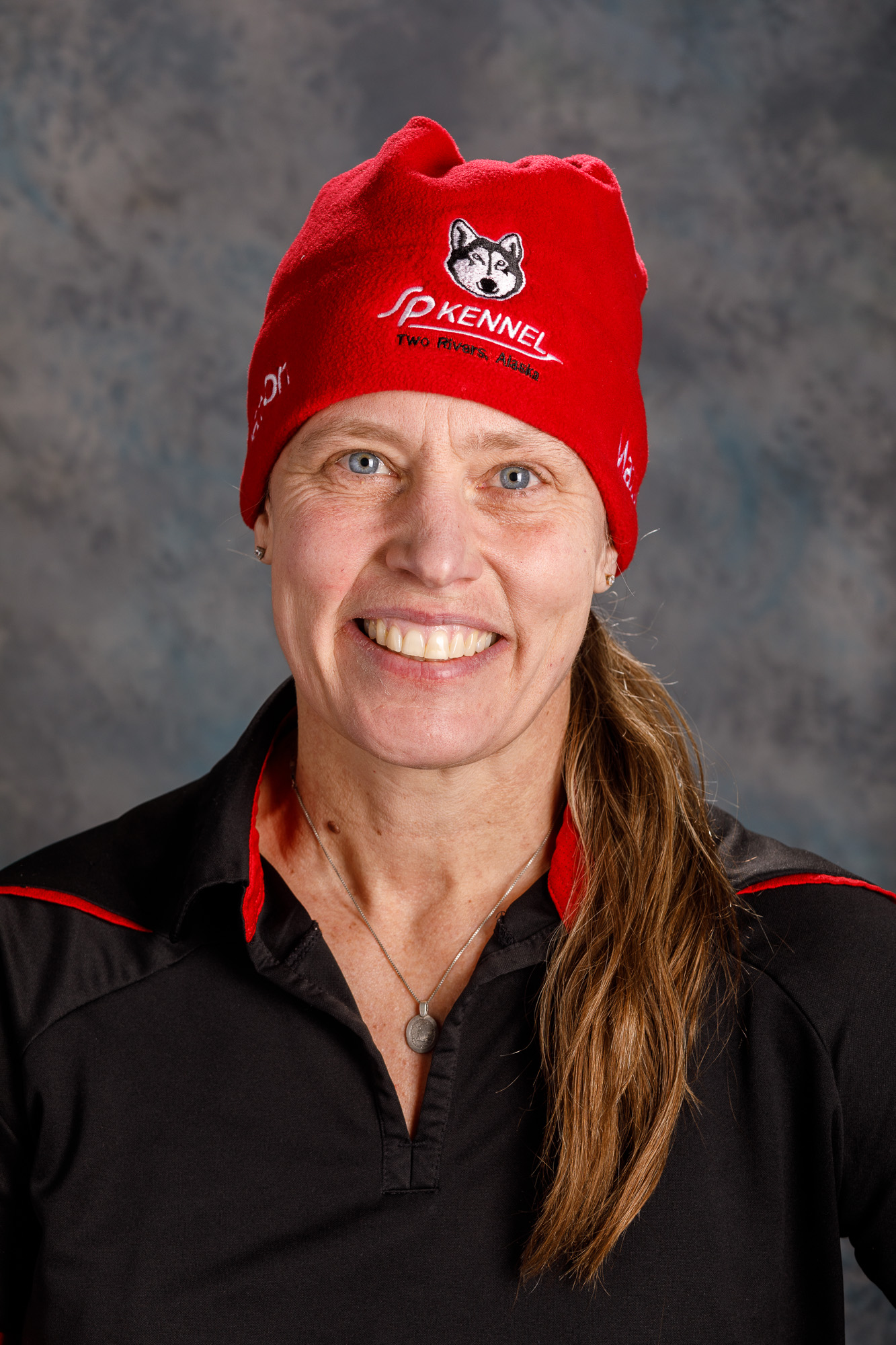
Aliy Zirkle, 50, was born in New Hampshire and was raised in New Hampshire, Puerto Rico, St. Louis and Pennsylvania. She graduated with a degree in biology from the University of Pennsylvania. When she was in her early 20’s, she moved to a small Alaskan town north of the Arctic Circle. During her first winter, she adopted six huskies, built a dog sled and explored the surrounding wilderness with her dog team. The challenges of this first winter taught her many of the skills that she uses today. This solitary, independent, wilderness lifestyle that Aliy fell in love 26 years ago has now ironically, thrown her into the media spotlight. While she has had many successes in her dog mushing career, she has also had notable disappointments. Aliy finished 2nd place in the Iditarod three times in a row. She is the first, and only, woman to win the Yukon Quest (a 1,000 mile remote mushing adventure race.) Aliy and her husband, Allen Moore, an Iditarod veteran and Yukon Quest winner, own and operate SP Kennel – a premier sled dog kennel in Two Rivers, Alaska. They strive to be the best they can through complete dedication to their canine teammates and to the sport. They are also committed to the Alaskan community that has given them unwavering support and incredible encouragement through the years. Huskies, dog mushing and Iditarod have been the center of my life…not just ‘part of my life’ for over 20 years. However, over the past few years Allen and my lives have evolved. The dogs that were the life forces of our amazing teams have mostly retired or passed away. While we still have their amazing genetics and we still have our skills to train and race, we are admittedly following in the paw prints our our retired dogs. Allen will not be racing in 2021 after racing in 11 Iditarods and 10 Yukon Quests. After the 2021 race, I will retire as will many of the dogs that have brought me some of the greatest joys in my life. Let’s have a fantastic 2021!
Information courtesy of the Iditarod Trail Committee.

By Kyle Wilkinson Kyle in the outside Our spring bear hunt was bittersweet this year. We’re heading home without

Frontiersman.com Valley athletes earned titles during the Region III Championships track and field meet last week at Colony High

Leila Petersen Palmer Moose Leila Petersen, a member of the Palmer track and field team, has been named a Frontiersman

By Jeremiah Bartz J’s World August would have been the start of my 25th year as an editor at