Retiring teacher, coach urges Colony grads to ‘find their 68’
By Jeremiah Bartz Frontiersman.com A football coach using a hockey reference as the centerpiece for his keynote address may


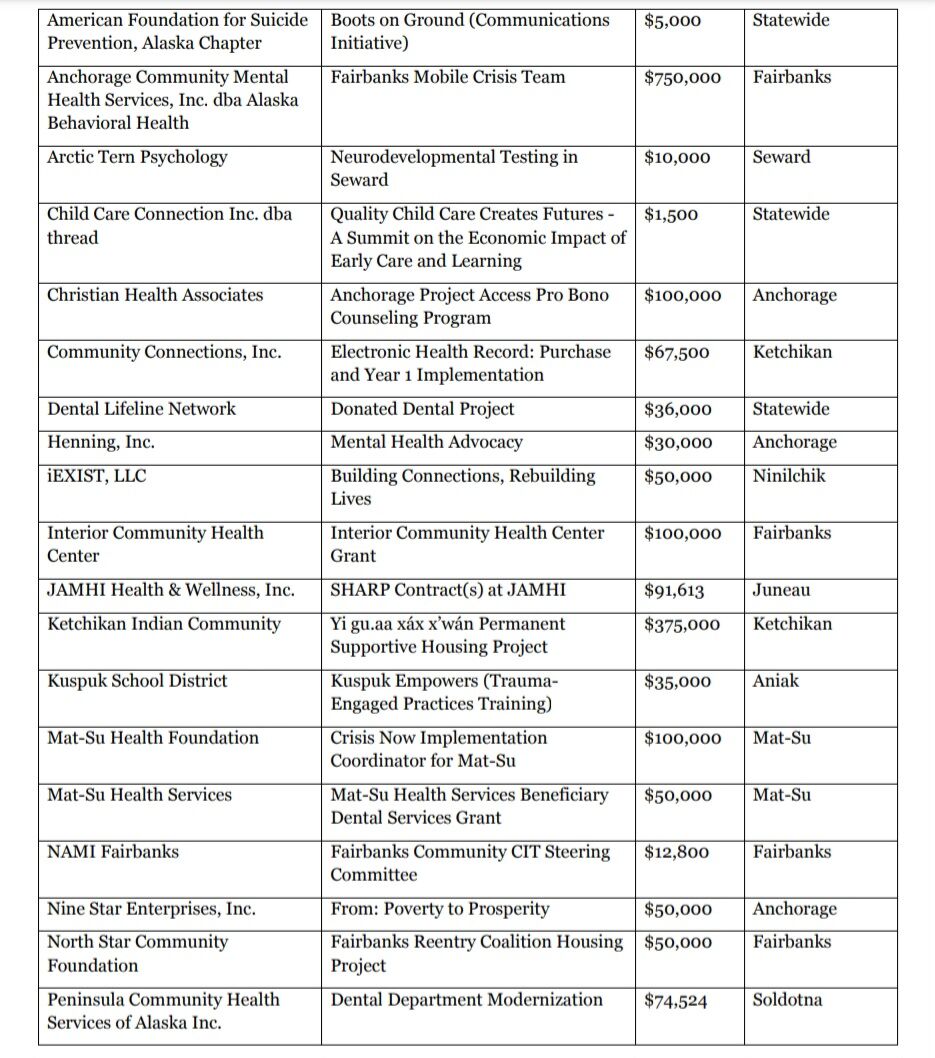
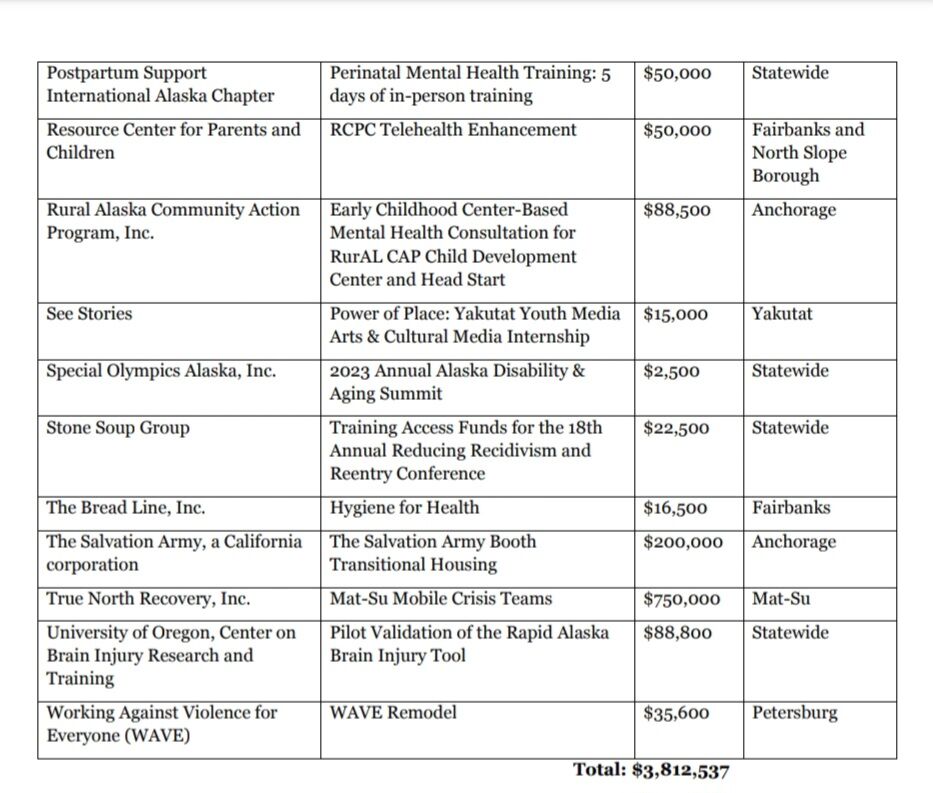
ANCHORAGE, Alaska (January 19, 2024) — The Alaska Mental Health Trust Authority awarded $3,812,537 in grants to beneficiary-serving organizations in the second quarter of fiscal year 2024.
These grants to partners are a part of the Trust’s $20+ million annual grant program supporting Alaska organizations that serve and support Trust beneficiaries including nonprofits, service providers, Tribal entities, and state and local government agencies.
“With a mission to improve the lives and circumstances of Trust beneficiaries, our grants help our partners implement system-level improvements such as bringing on new lines of service, accessing innovative training opportunities, and implementing data-driven approaches to improving Alaska’s system of care.” said Steve Williams, CEO of the Trust. “We are grateful for the work of all our grantees, and for our ability to support their important work across the state.”
Many of the projects funded by the Trust also receive funding from the philanthropic community, private donations, earned revenue, and other community support. The total value of the projects funded by the Trust this quarter is an estimated $14.3 million.
Trust grants are awarded for capacity building, direct service, outreach, planning, capital, and
workforce initiatives, as well as in support of conferences, seminars and training to organizations that serve Trust beneficiaries.
Applications for Trust grants are accepted year-round. Organizations interested in applying for a Trust grant can visit: https://alaskamentalhealthtrust.org/about/grants/.
The Alaska Mental Health Trust Authority is a state corporation that administers the Mental
Health Trust, a perpetual trust, created to ensure that Alaska has a comprehensive mental health program to serve Trust beneficiaries, Alaskans who experience mental illness, developmental disabilities, chronic alcoholism and other substance-related disorders, Alzheimer’s disease and related dementia and traumatic brain injury that results in permanent brain injury. The Trust operates much like a private foundation, using its resources to fund system change, demonstration projects, funding partnerships, technical assistance and Trust-initiated projects.
The Trust is fully self-funded and is overseen by a seven-member board of trustees.

By Jeremiah Bartz Frontiersman.com A football coach using a hockey reference as the centerpiece for his keynote address may

Frontiersman.com With its headquarters in Wasilla, the Frontiersman has been a primary source of news for the Matanuska-Susitna

By Katie Stavick Frontiersman.com The next generation of leaders took flight this week as the Houston High School Class

By Kyle Wilkinson For the Frontiersman Keynote speaker and Carry the Cure President Bill Pagaran’s words boomed through the