Retiring teacher, coach urges Colony grads to ‘find their 68’
By Jeremiah Bartz Frontiersman.com A football coach using a hockey reference as the centerpiece for his keynote address may


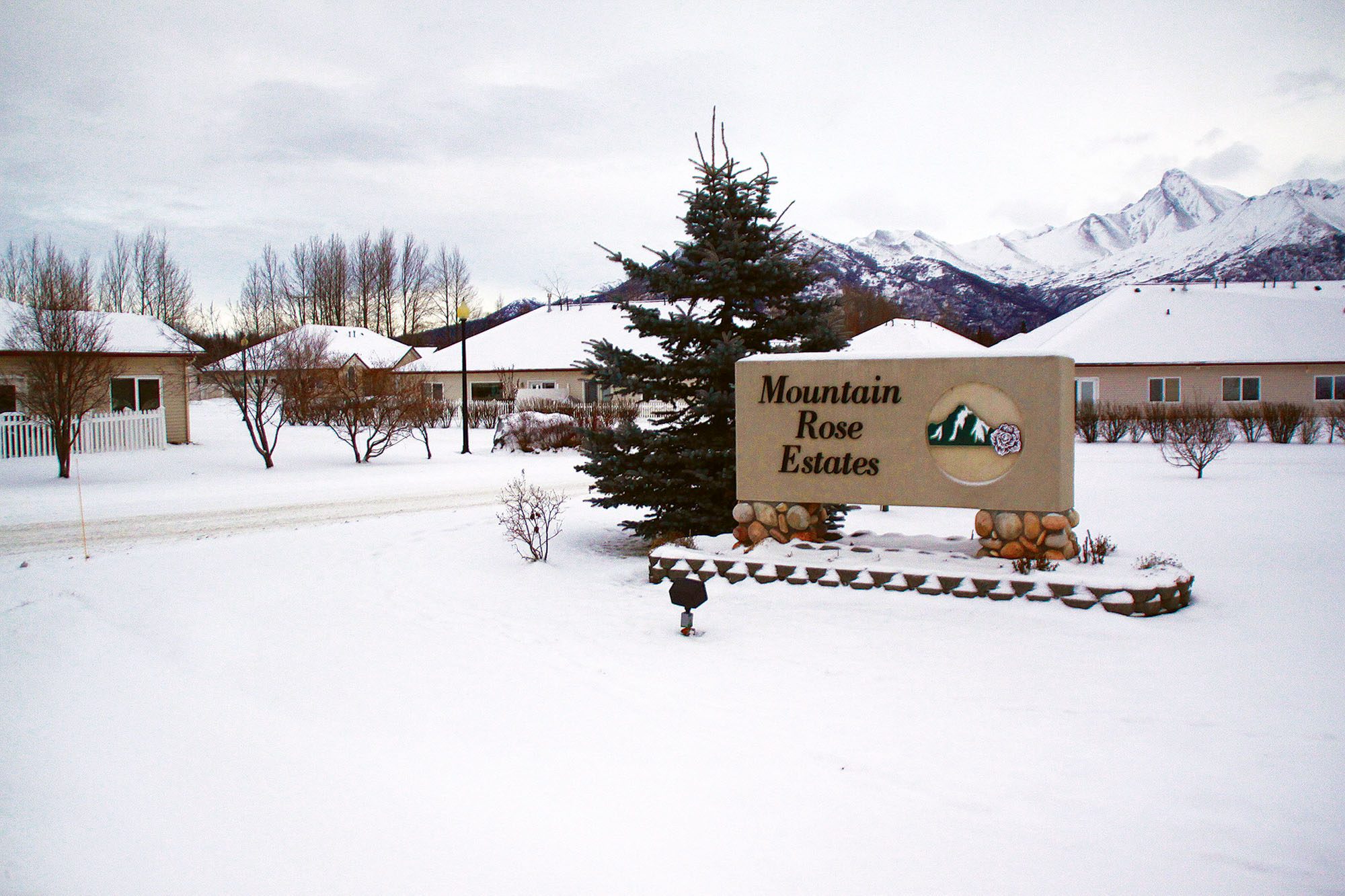
PALMER — Residents of neighborhood near a planned 88-unit affordable housing complex said they plan to appeal a Palmer Planning Commission decision allowing builders to move forward.
The still unnamed townhome-style development will eventually include 22 buildings constructed in two phases (Phase I would begin in 2015). Each building would contain between three and five units each, and is a cooperative effort between Valley Residential Services and Volunteers of America-Alaska. The development would have apartments ranging in size from 750 square feet for a one-bedroom unit to 1,250 square feet for a three-bedroom unit, according to the project’s application for a Planned Unit Development (PUD). Each unit would have a garage and a private entrance. The housing project would include a community building with a computer lab, courtyard, exercise facility, central laundry meetings rooms, picnic area, basketball court, and a playground. It would also feature on-site property management.
The planned project is located on a flag-shaped lot nestled between Mountain Rose Estates to the south and Alaska Job Corps to the east. A proposed main entrance would be across the street from Palmer Junior Middle School.
The apartments would cost between $800 and $1,100 per month (depending on when the units opened) according to Valley Residential Services president John Weaver. The model is a recently opened development in South Anchorage called “Trailside Heights,” recently opened by Volunteers of Alaska, Weaver said.
“We’re trying to make it a comfortable housing environment for the residents,” he said. “The reason for it (the basketball court) will be so the residents have a place to exercise.”
The development would be an economic boost to the community by drawing in more residents within walking distance of downtown Palmer, developers said.
However, residents of the Mountain Rose Estate senior condominium development submitted numerous comments opposing the development, and about 15 residents turned up at an Aug. 20 meeting on the subject. The planning commission received 42 written comments, with 33 opposed, one in favor, two with no objection, two with concerns about the project, and one person undecided.
The chief concerns about the development are that the building is too dense and doesn’t fit with the surrounding neighborhood, said Mountain Rose Estates Homeowners Association board member Keith Morberg. Residents have submitted an appeal and are waiting to hear from the city’s selected hearing officer about a possible hearing date. The homeowner’s association has retained the services an attorney just in case, and an objection to the appeal would end up in superior court.
“Mountain Rose Estates is a relatively low-density area,” he said. “What is being proposed is a high-density, low-income community.”
The city should leave the area with its current zoning and relocate the planned project somewhere else, Morberg said.
“It’s the wrong location for this type of development given the surrounding area,” he said.
City planning staff disagreed in a report written by planner Cindy Garley.
“The surrounding area includes a mix of land uses from businesses such as Terra Sond, public uses like the middle school, Fire Training Center, Borough Nutrition Center, Job Corps, MTA Events Center and soccer fields, Eagle Ridge Apartments, and Mountain Rose PUD and Mountain Rose East PUD,” she wrote. “The proposed residential project has been designed to incorporate as much of the surrounding mountain views as possible. Garages for each unit are being proposed to eliminate the need for larger parking lots.”
Garley said the units would also not conflict with health or safety effects, meet visual standards for varied design, will have adequate parking, and would not place an undue burden on either Chugach Street or Cope-Industrial Drive. Designers were working with the city to address roads storm drains, sewer and water. Staff ultimately recommended approval.
Commissioners unanimously amended the approval to make Cope-Industrial the main exit and to consolidate gardens to the southwest corner to help with noise abatement.
The developers said the unit was in line with the Borough Housing Needs Assessment, published in early 2014. The report estimates housing costs — including utilities — should account for 30 percent of income. In order to afford the median rental price of $1,500 per month for a three-bedroom unit, household income would have meet or exceed $30.77 per hour, or $64,000 per year.
“Low income households with 80 percent of the median income can barely afford rent,” the report reads. “In some cases, the median rental cost is more than their income, and they are paying more than 30 percent of their income on housing.”
Mountain Rose Estates residents generally understand the need for such facilities, but worry about it’s impact to their community, Morburg said. Families mean younger people, and high density sometimes potentially means increased crime, Marburg said. There are no elementary schools in the area, he said.
“We thoroughly enjoy our grandkids, but they go home at the end of the day,” he said.
Contact reporter Brian O’Connor at 352-2270, brian.oconnor@frontiersman.com, or on Twitter @reporterbriano.

By Jeremiah Bartz Frontiersman.com A football coach using a hockey reference as the centerpiece for his keynote address may

Frontiersman.com With its headquarters in Wasilla, the Frontiersman has been a primary source of news for the Matanuska-Susitna

By Katie Stavick Frontiersman.com The next generation of leaders took flight this week as the Houston High School Class

By Kyle Wilkinson For the Frontiersman Keynote speaker and Carry the Cure President Bill Pagaran’s words boomed through the