Retiring teacher, coach urges Colony grads to ‘find their 68’
By Jeremiah Bartz Frontiersman.com A football coach using a hockey reference as the centerpiece for his keynote address may


CAITLIN SKVORC/Frontiersman.com
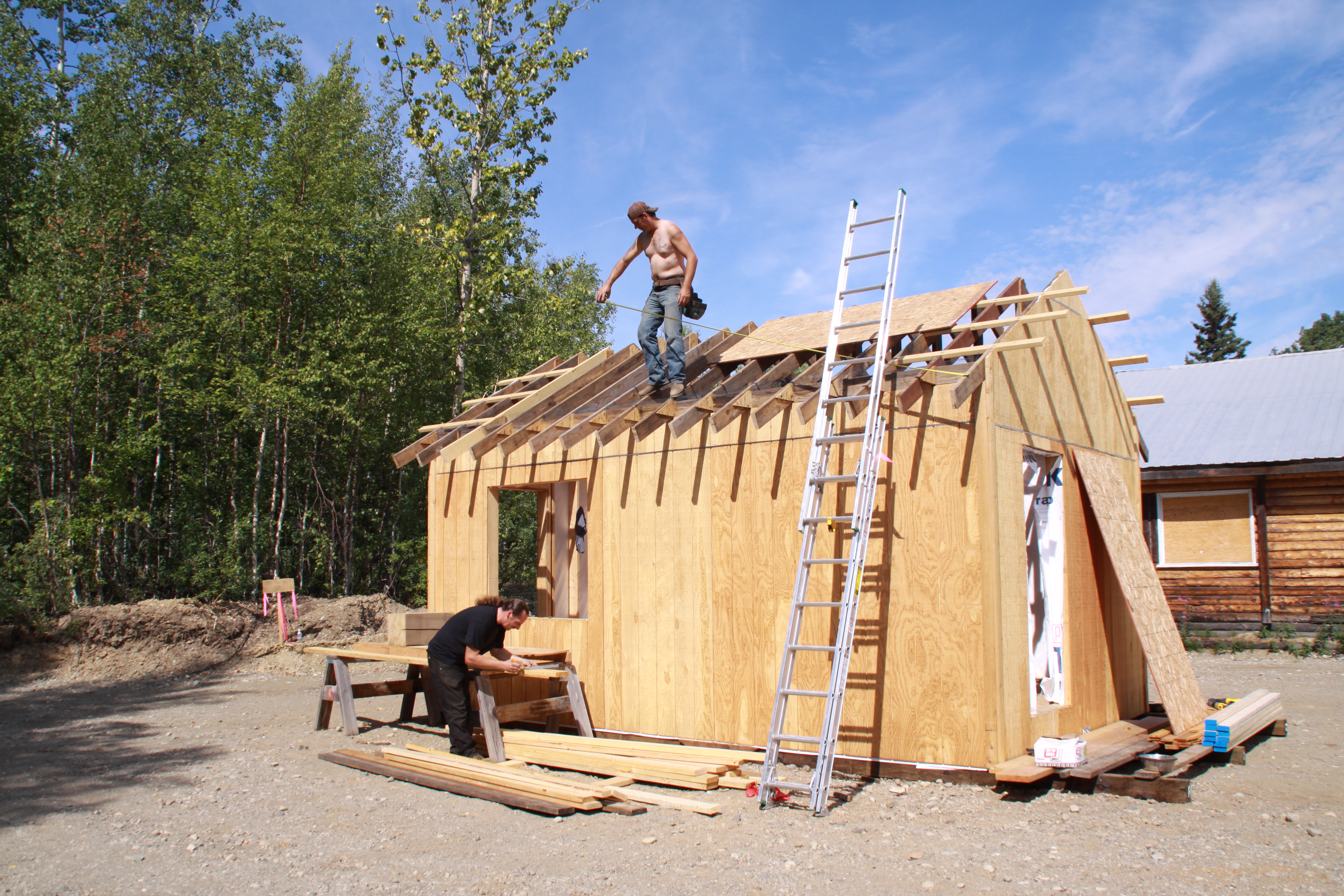
WILLOW — For those without sufficient insurance to cover their lost homes in the wake of the Sockeye fire, the Willow Community Rebuild Project is making a life-altering difference.
Sahara Storm Studio choreographer Krista Fee, who lives in Big Lake, began working with her mother-in-law, Willow author Helen Hegener, just a day or two after the fire began to address the needs of their friends and neighbors. Fee and her husband James, who is helping rebuild homes now, felt compelled to help from past experience.
“In October of last year we lost our house (to a fire), so we kinda know what they’re going through,” Fee said, of the seven individuals and families currently on the rebuild list. “When you don't have insurance or you’re under-insured, there’s nothing. There’s nothing there to help you. So we kinda figured we would fill that gap for people that there wasn't really gonna be any solution for.”
Fee also has a degree in criminal justice and emergency response; her husband was a firefighter; and Hegener has experience with disaster relief after floods, earthquakes and avalanches, so public assistance “kind of runs in the family,” Fee said.
With the community rebuild project, the main objective is to replace the home each family had before the fire, in terms of square-feet, Fee said, but the overarching goal is to help rebuild lives.
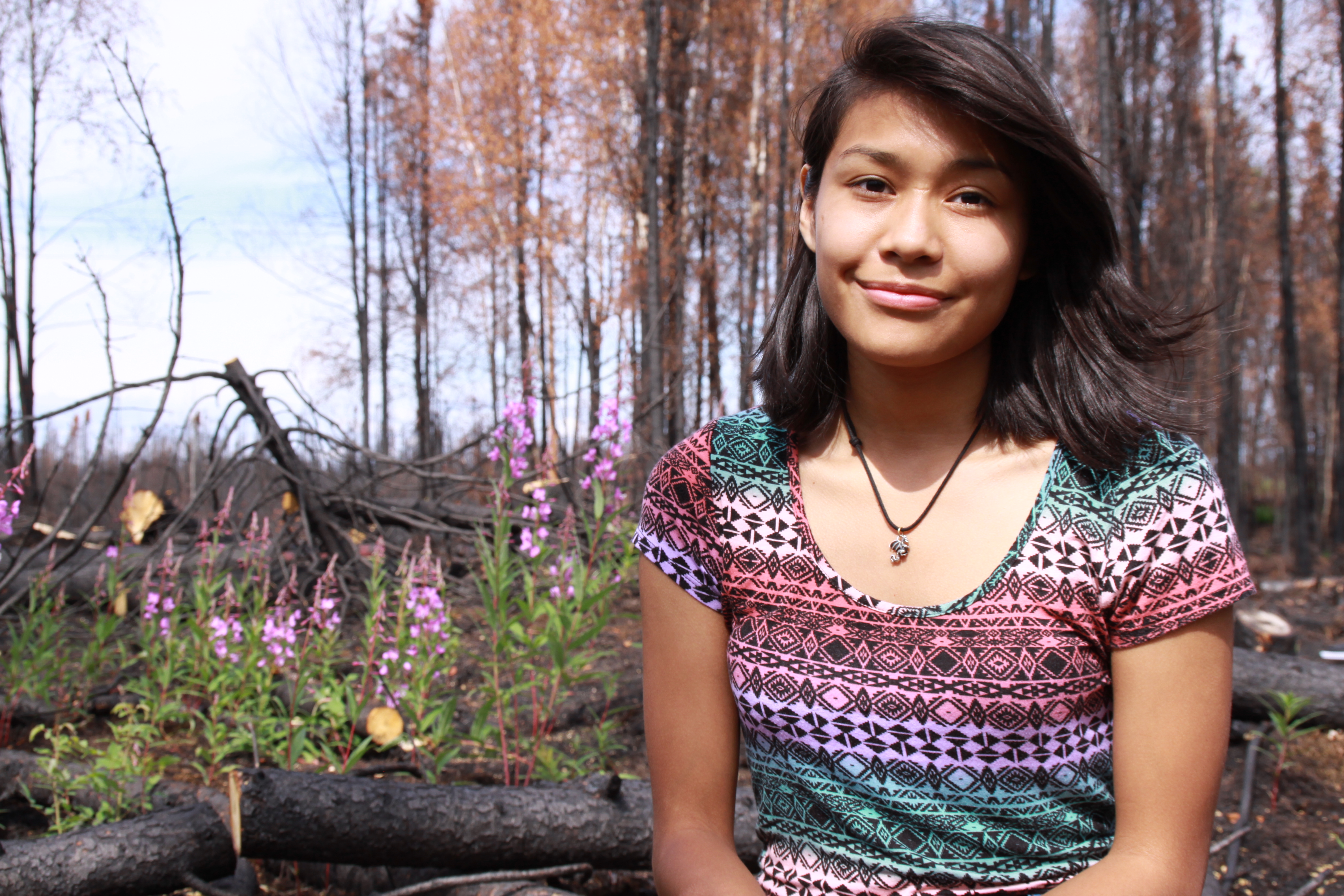
Take Helena, Lincoln and Krystiana Mark, for example. Krystiana graduated from Susitna Valley High School this spring with University of Alaska college credits through the Alaska Native Science and Engineering Program, or ANSEP. Her parents are retired, and moved to Willow from Huslia about eight years ago, in efforts to expose Krystiana to expanded educational opportunities.
When the family was evacuated to the Talkeetna senior center, the Sockeye fire flames were visible across the street, Helena said. Krystiana grabbed her ninth-grade track and field medals, her sketchbooks and her laptop, but left behind the prom dress she bought this spring and the computer she built through ANSEP. Helena didn't grab anything.
“I thought I was coming home again,” she said.
When she did come “home” to a practically empty lot, Helena had lost all the ivory and artifacts of her Eskimo culture, in addition to her house.
Though the family knew their most precious possessions could not be regained, Krystiana was determined to find a way to put a roof back over her family’s heads as soon as possible. She found the rebuild project on Facebook and sent a message to Fee, admitting, “We are officially homeless,” Helena said.
Helena then contacted Fee directly and it was only a matter of time before they had an RV donated to them through the program.
“Krista’s program has really helped out everybody,” Helena said.
And Lincoln has put in plenty of his own effort to house his family by clearing all the trees on the plot for their new home by himself with a chainsaw.
“I am so amazed at my dad,” Krystiana said, in reference to her father’s work.
Fee has been equally impressed.
“We have crews of men that don't do what he does on his own,” she said.
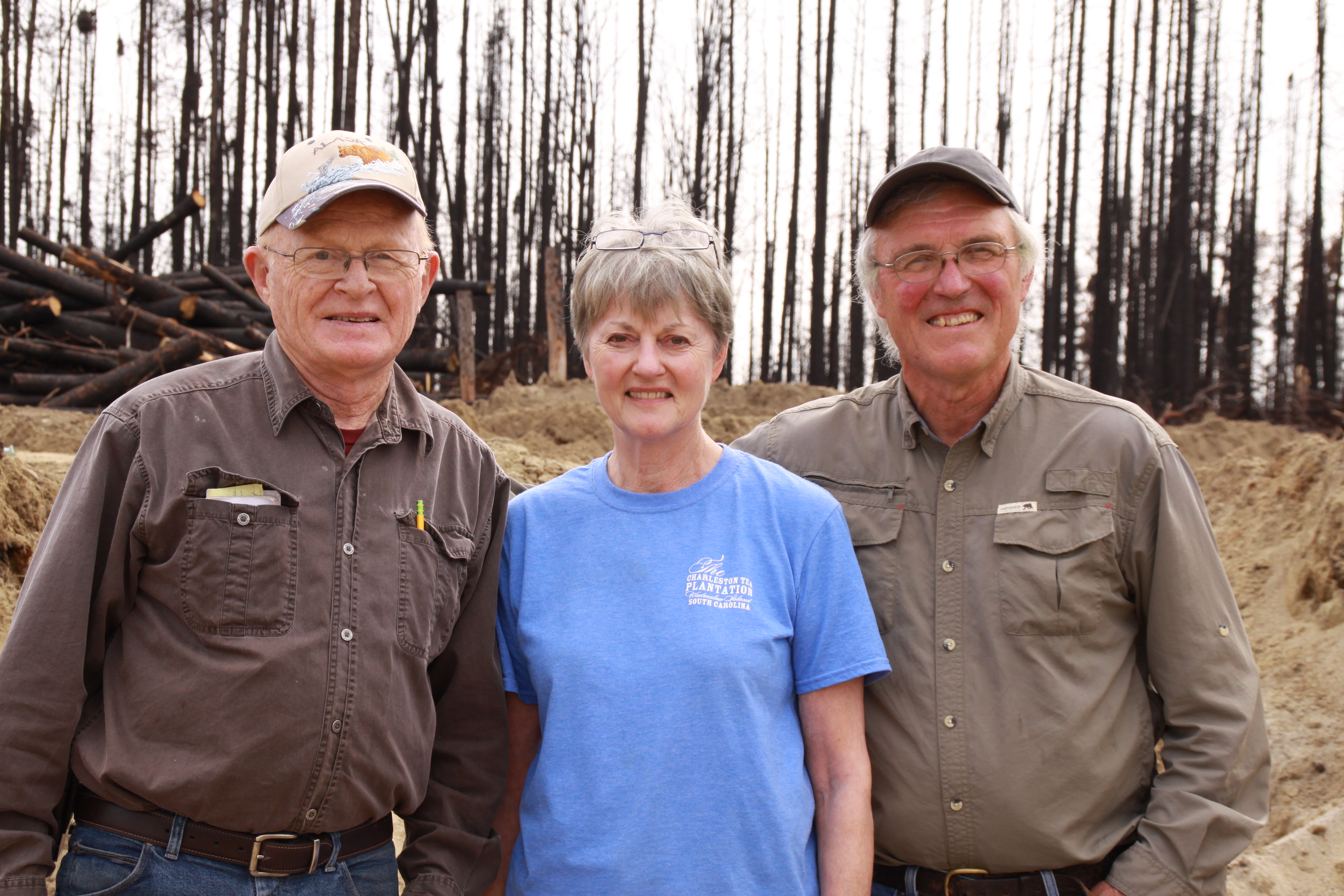
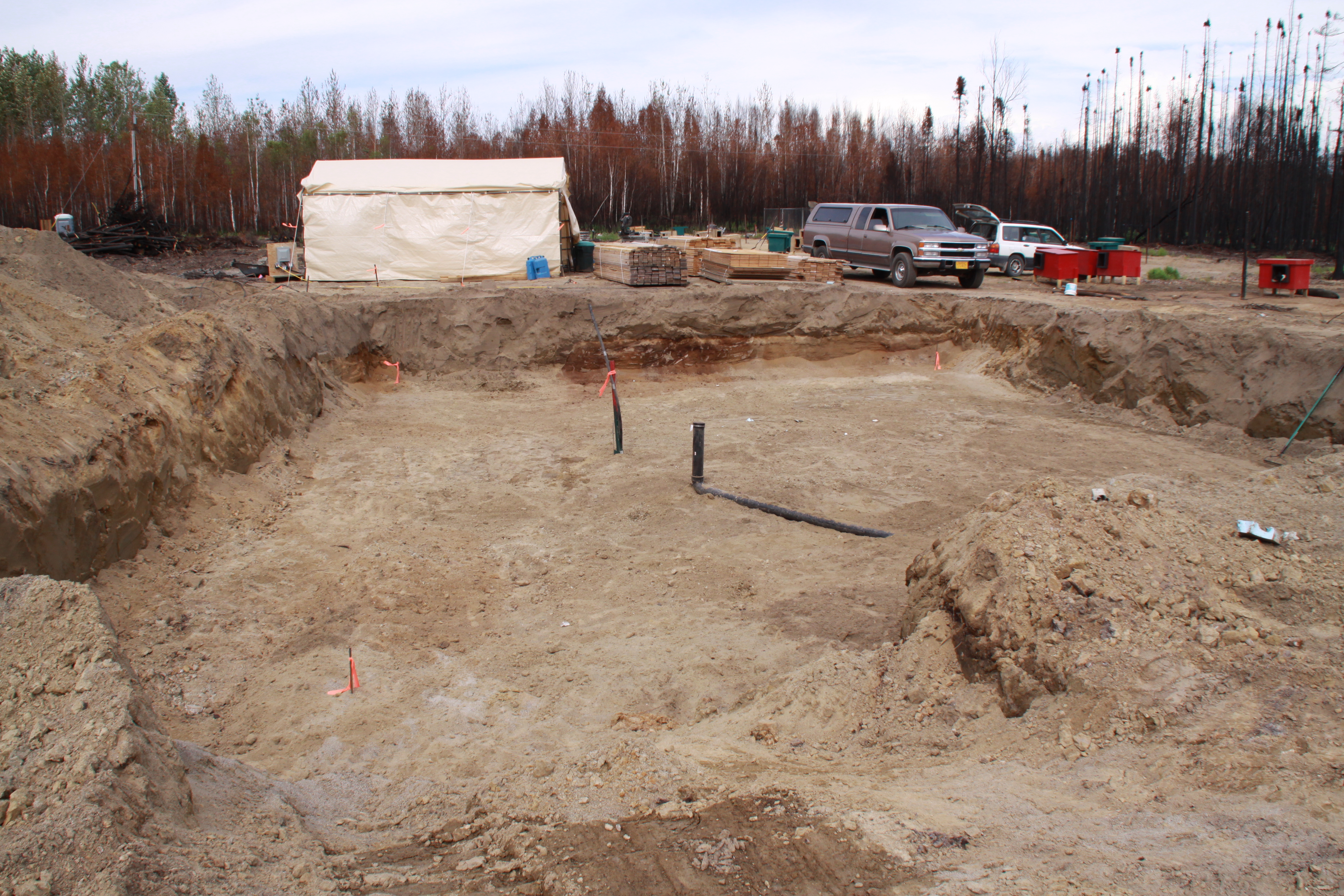
Musher Bob Chlupach also is having a successful start to the construction of his new home. Chlupach still has the blueprints from his first house, and is working with his friends, Larry — a retired general contractor — and Linda Cline of Caswell, to make their first home back better than before.
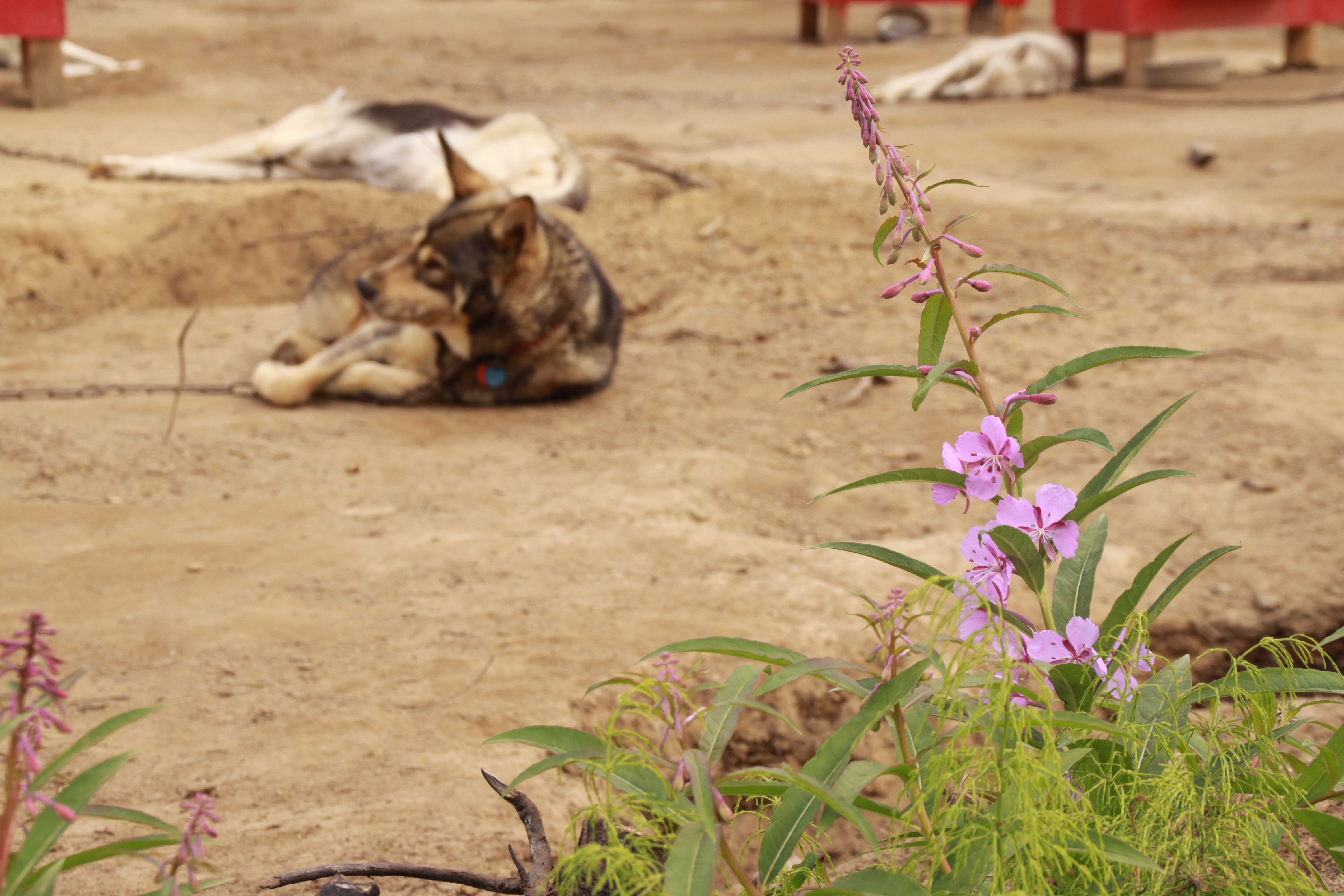
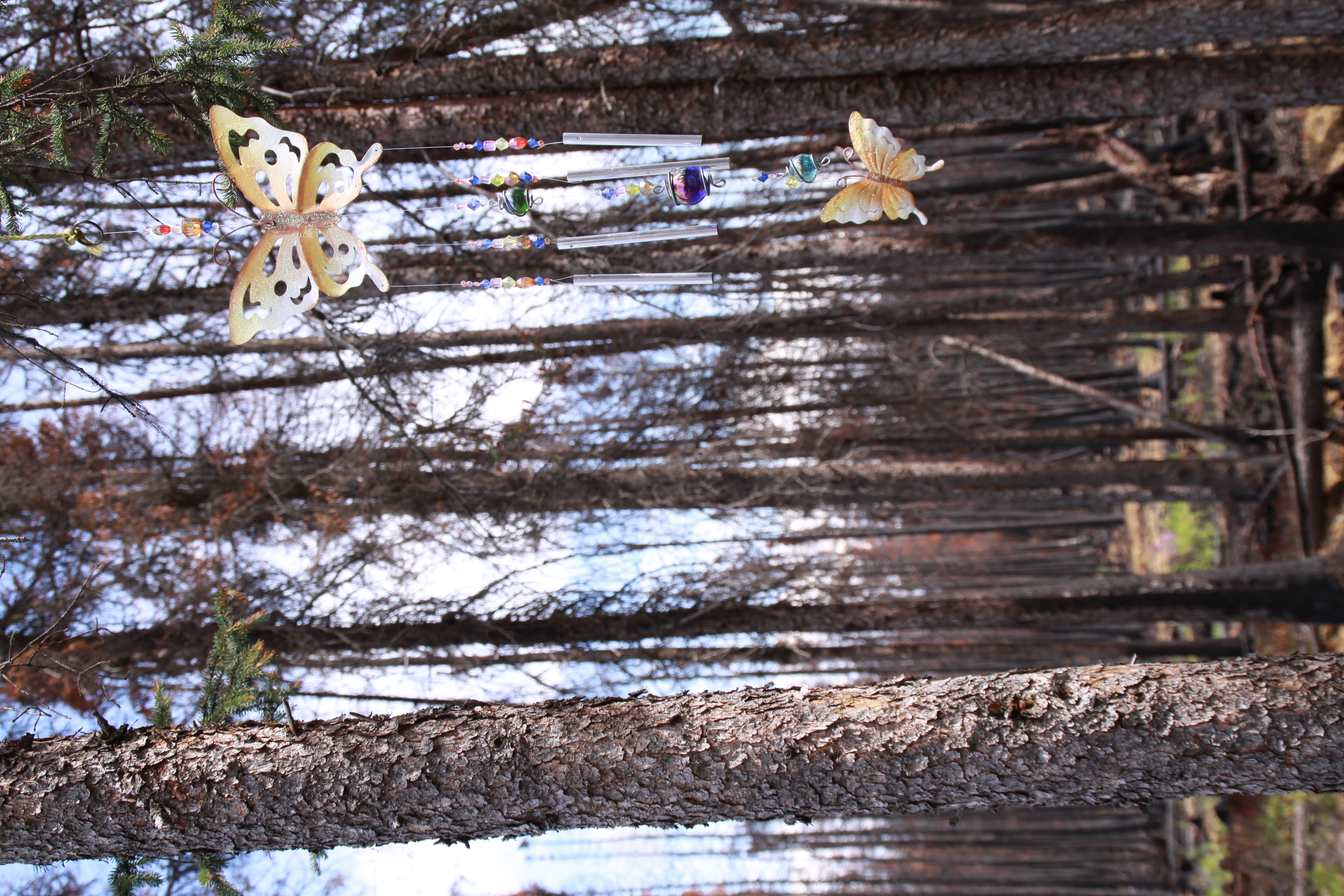
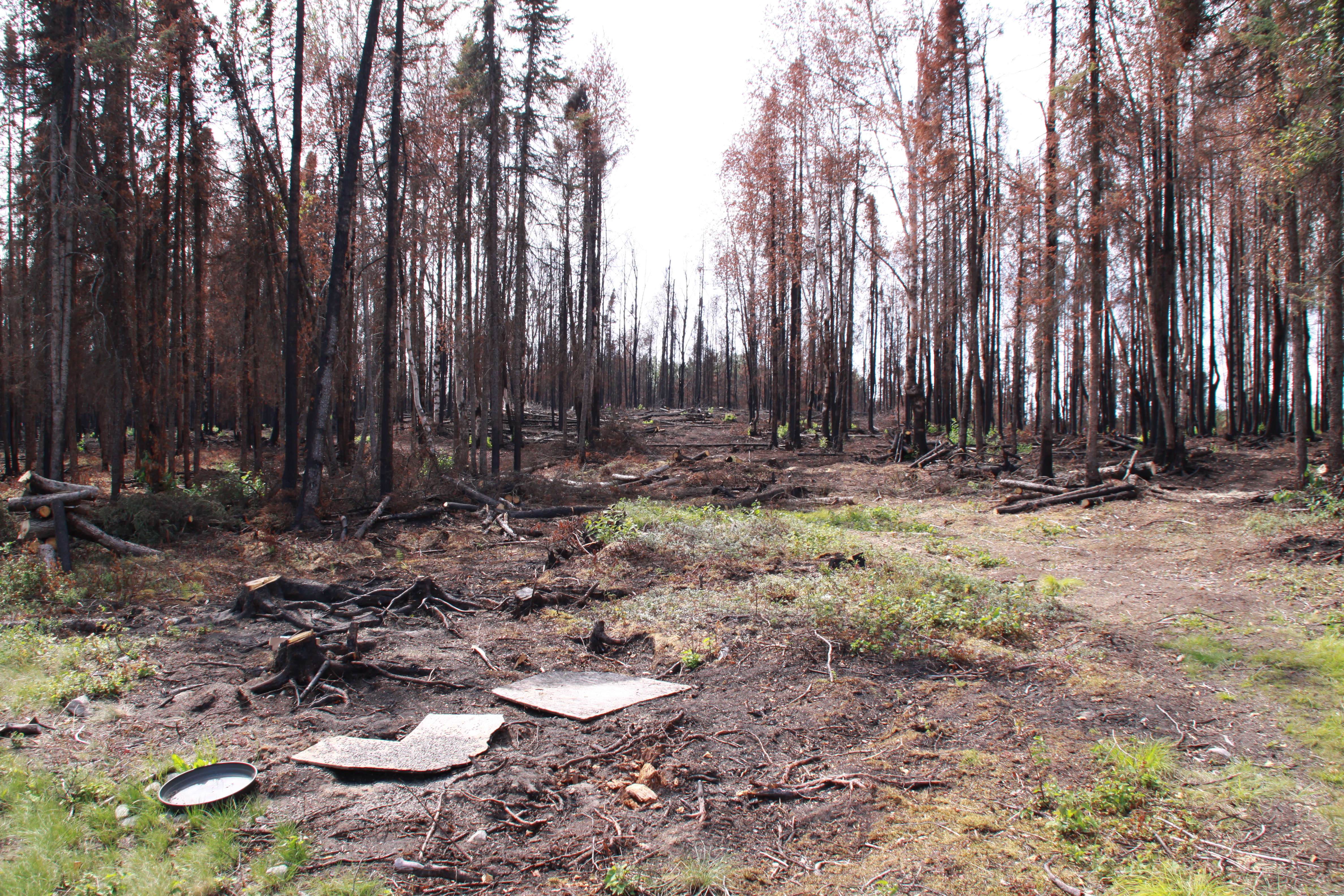
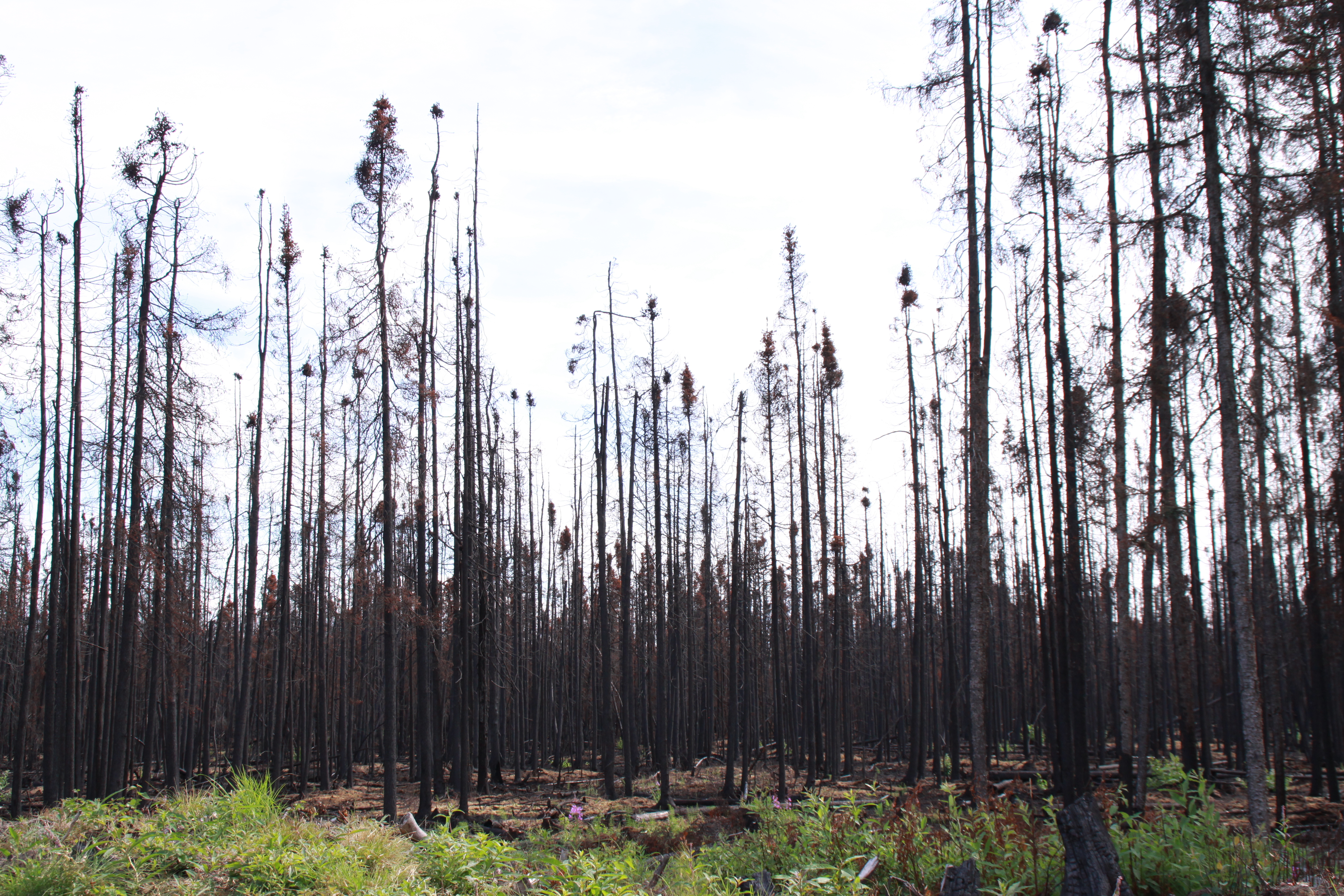
Chlupach and his partner, musher Jan Steves, live in a close neighborhood of Willow mushers where some houses were miraculously — almost strangely — spared, while others burned to the ground. In the first part of the subdivision, green trees still stand full and healthy, but farther in, charred, dead poles offer a stark contrast.
“I can’t say you go into shock, it’s just, I don't even know how to describe it, a real downer,” Chlupach said. “You go around the corner and see something you built like that … reduced to rubble. It’s just like the house sort of imploded.”
But thanks to a great “upwelling of the human spirit,” largely manifested in the Willow Rebuild Project, he and Steves have been able to move forward.
Chlupach likened the mushing community’s support and ability to overcome adversity to Nelson Mandelas ability to stifle racism in South Africa through soccer. He also referenced letters from fans in Czechoslovakia and old colleagues in New Jersey as evidence of the “really neat support network” that the world of sled dog enthusiasts offers.
Of course, not all the Sockeye fire victims are mushers, but many are starting to have a positive outlook on their coming lives. And some, like Vietnam War veteran Paul “Fly” Flath, see nothing but rainbows and happiness in their futures.
Fly was living in a school bus with thousands of trinkets and treasures acquired in various ways over the years when the fire struck. Though he’s sad to have lost so much from friends, he said he’s sure he’ll have “just as much stuff” once he moves into the cabin the project volunteers are building for him.
“I think there’s no one in their right mind that wouldn’t be happy and grateful” for the project, Fly said. “It’s been nothing but positive, positive, positive in every direction.”
Fly gets around on a bright yellow four-wheeler — almost as decked out as his old bus was — which will soon match his very own home, to be painted by the Fees.
To learn more about Fly and donate to his cause specifically, visit gofundme.com/xc4zc4y8.
Money can be donated to the Willow Community Rebuild Project through Mat-Valley Federal Credit Union account 149984.
To inquire about non-monetary donations to the project, contact Krista Fee at saharastormstudio@yahoo.com or through the “Willow Community Rebuild Project -Krista Fee” Facebook page.
Contact Caitlin Skvorc at 352-2266 or caitlin.skvorc@frontiersman.com.




By Jeremiah Bartz Frontiersman.com A football coach using a hockey reference as the centerpiece for his keynote address may

Frontiersman.com With its headquarters in Wasilla, the Frontiersman has been a primary source of news for the Matanuska-Susitna

By Katie Stavick Frontiersman.com The next generation of leaders took flight this week as the Houston High School Class

By Kyle Wilkinson For the Frontiersman Keynote speaker and Carry the Cure President Bill Pagaran’s words boomed through the