Retiring teacher, coach urges Colony grads to ‘find their 68’
By Jeremiah Bartz Frontiersman.com A football coach using a hockey reference as the centerpiece for his keynote address may


Sadly, it is known that Alaskans face some of the highest numbers when it comes to substance use disorder. It is also widely known that Alaska has the most veterans per capita. So it should be no surprise that sometimes these two groups intersect.
For military veterans, especially veterans who served in active combat, there are additional have to deal with many stressful things. These can include physical injuries, PTSD (post-traumatic stress disorder), and adjusting back to civilian life. As a result, many use alcohol and other substances to cope with such stressful experiences.
Despite numerous attempts by the VA and other agencies over the past two decades to reduce problematic substance use, rates of SUDs in veterans continue to rise, finding that sometimes using substances can be a way of numbing, or self-medicating, their physical or emotional pain.
More than 10% of veterans have been diagnosed with a substance use disorder. This is higher than in the general population. However, veteran addiction assistance is available.
In May of this year, Banyan Recovery, located off of the Palmer-Wasilla Highway in Wasilla, opened its doors to veterans needing to find a way out of substance use disorder.
“We are a veteran program, helping military veterans in recovery. We also work with Active Duty and do help civilians with private health insurance,” explains Sam Garcia, Business Development Representative for Banyan Recovery Services. He also serves as Peer Support.
Unlike other recovery treatment centers in the Mat-Su Borough, Banyan does not take Medicaid, which can sometimes leave a gap for those needing treatment but who are still employed, meaning sometimes they need to leave the state to seek recovery.
While there are some resources for veterans needing treatment for SUD or psychiatric care, like the Chris Kyle Patriotic Hospital in Anchorage or the VA Healthcare, but it’s never enough.
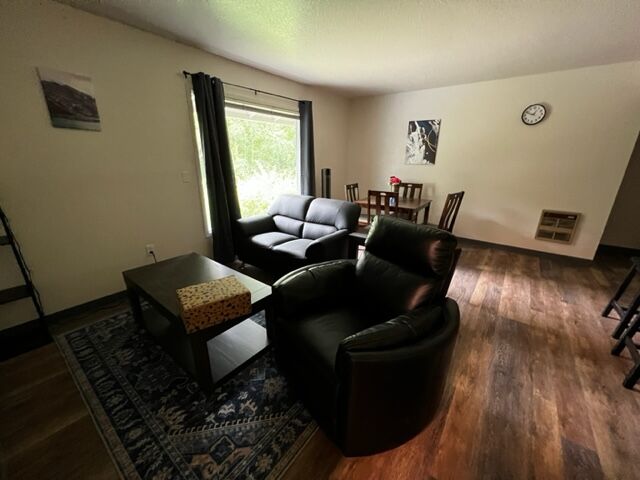
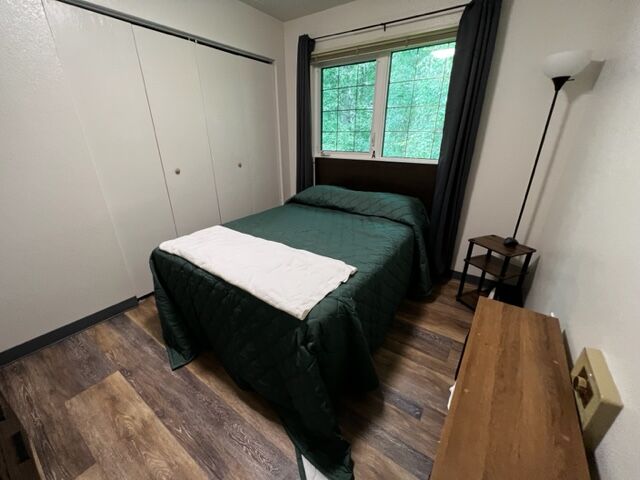
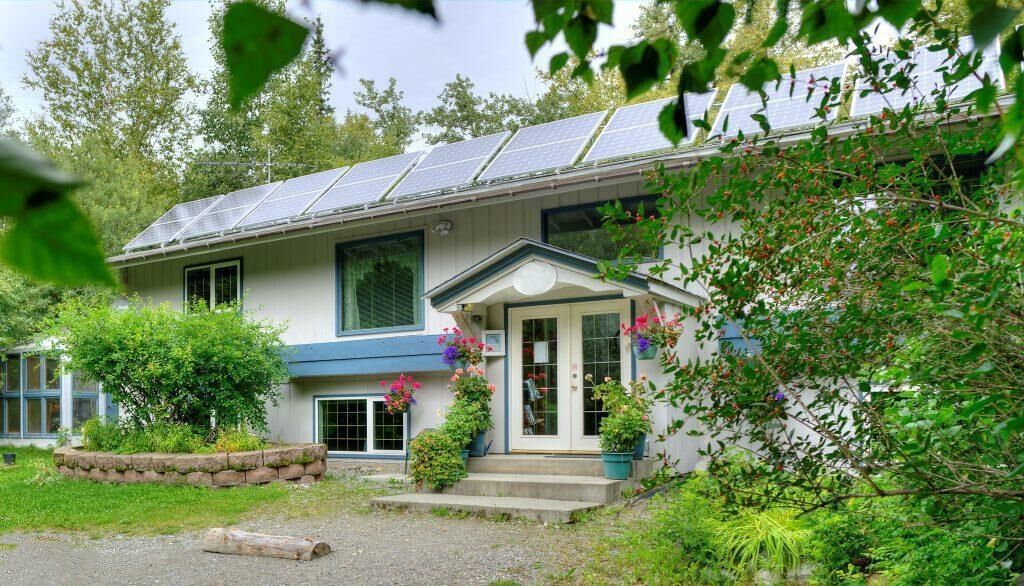
The Level 2.5 treatment center sits on 11 acres that used to be a bed and breakfast, providing intensive outpatient treatment with supportive housing. Most of the outer buildings have been remodeled into housing, which consists of small apartments with communal living spaces, while other buildings provide spaces for group therapies, individual sessions, and case management.
“All of these things really grant us the freedom to do a little more, provide more care,” says Garcia.
Garcia says as professionals, it is vital to work with other recovery centers to provide wraparound care for clients going through treatment, really help people achieve the best possible outcomes.
“This is people’s lives, so by working together and communicating with others that’s how we can keep people from falling through the cracks.”
PTSD is widely considered the most common cause of addiction or alcoholism among military veterans. This disorder occurs after a person has been exposed to some type of severe trauma –physical, mental, emotional, or a combination of all three. PTSD can cause feelings of anxiety, isolation, depression, suicidal ideations, rage and panic. In order to cope with these feelings, many turn to drugs or alcohol.
Almost 22% of Iraq and Afghanistan war veterans received a diagnosis of PTSD, and that trauma can take many forms while on active duty-the death of a fellow service member, survivor guilt, severe injuries or disabilities, such as loss of limbs or hearing loss.
Because of the unique situations and traumas that veterans may have faced, the road to recovery may look a little different, something Garcia says that Banyan recognizes, starting with staffing. Most of the staff at Banyan are veterans, which helps build a rapport and level of trust with the clients through shared experiences and understanding that sometimes cannot be found elsewhere.
“I’d say about 90% of our staff are veterans. Our entire clinical team has served. Having that experience factor goes a long way with the population they’re working with, when they (the clients) know they share some of those same experiences and can see what you have achieved since being in that same pit, it makes a big difference in how they respond, and how far they can grow,” says Garcia.
That’s not to say the approaches to treatments are any different than can be found at other recovery treatment centers-cognitive behavioral therapy, dialectical behavior therapy, alongside any co-occurring mental health disorders and life issues in an integrative, multi-disciplinary fashion. The staff offer the therapies to address veterans and their families, and shared support with other veterans going through recovery.
One therapy Banyan will soon begin offering is Accelerated Resolution Therapy (ART), a unique approach to psychotherapy in which the ART Therapist guides the client to replace the negative images in the mind that cause the symptoms of PTSD with positive images of the client’s choosing. And this is done quickly, sometimes in a matter of a few sessions. Once the negative images have been replaced by positive ones, the triggers will be gone. Nightmares and repeated intrusive thoughts will stop.
“ART works to replace the negative imagery with positive ones. Under a clinician’s direction, using eye and hand movements while going through the crisis or event, the goal is to place a different image in their head, leading to a different outcome. So, when someone is triggered and having a crisis or trauma response, this other image pops up, so they don’t go into crisis, leading to a better, calmer outcome.”
Garcia says that so far, the community response has been excellent, working with other providers and people in the recovery community.
“I think other providers and people are supportive of anything that’s going to help people get clean, get sober, and get their lives back. At the end of the day, we all have the same goal, the same purpose, so we have that shared support.”
With Banyan only open a few months, there is room for the program to expand, and Garcia is excited about the opportunities to collaborate with other veteran-based groups throughout the Mat-Su Borough, incorporating things like hiking, fishing, dog-mushing to bring it all together.
“Things where we can continue to grow, get that fellowship and experience, I can’t wait to implement. And keep moving forward.”
For more information about Banyan Recovery, visit www.banyantreatmentcenter.com
For those in immediate crisis, please dial 988.

By Jeremiah Bartz Frontiersman.com A football coach using a hockey reference as the centerpiece for his keynote address may

Frontiersman.com With its headquarters in Wasilla, the Frontiersman has been a primary source of news for the Matanuska-Susitna

By Katie Stavick Frontiersman.com The next generation of leaders took flight this week as the Houston High School Class

By Kyle Wilkinson For the Frontiersman Keynote speaker and Carry the Cure President Bill Pagaran’s words boomed through the