Retiring teacher, coach urges Colony grads to ‘find their 68’
By Jeremiah Bartz Frontiersman.com A football coach using a hockey reference as the centerpiece for his keynote address may


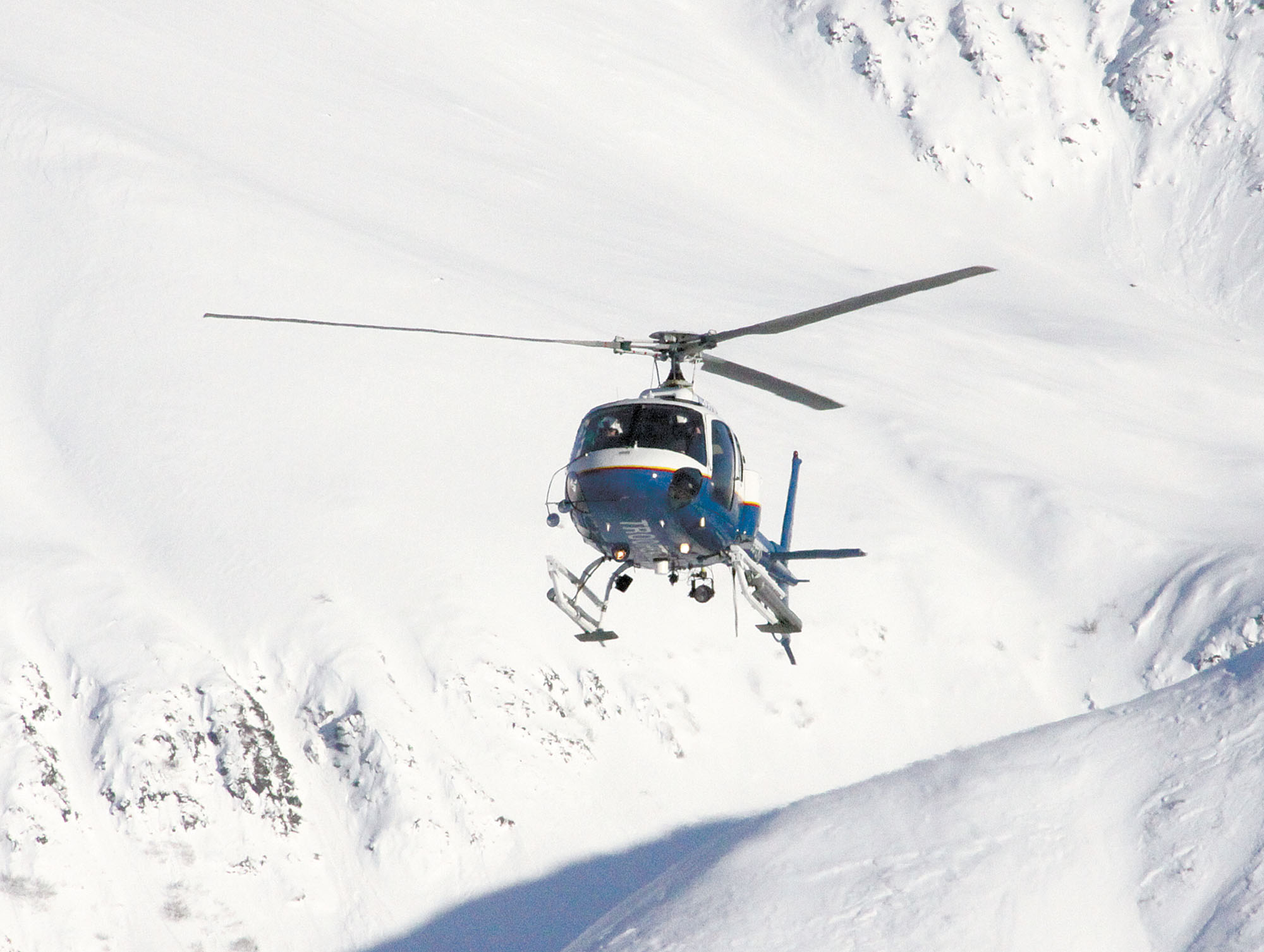
TALKEETNA — A “punitive culture” at the Department of Public Safety and pilot error led to a helicopter crash that killed an Alaska State Trooper, a pilot, and the snowmachiner they were rescuing, federal officials have found.
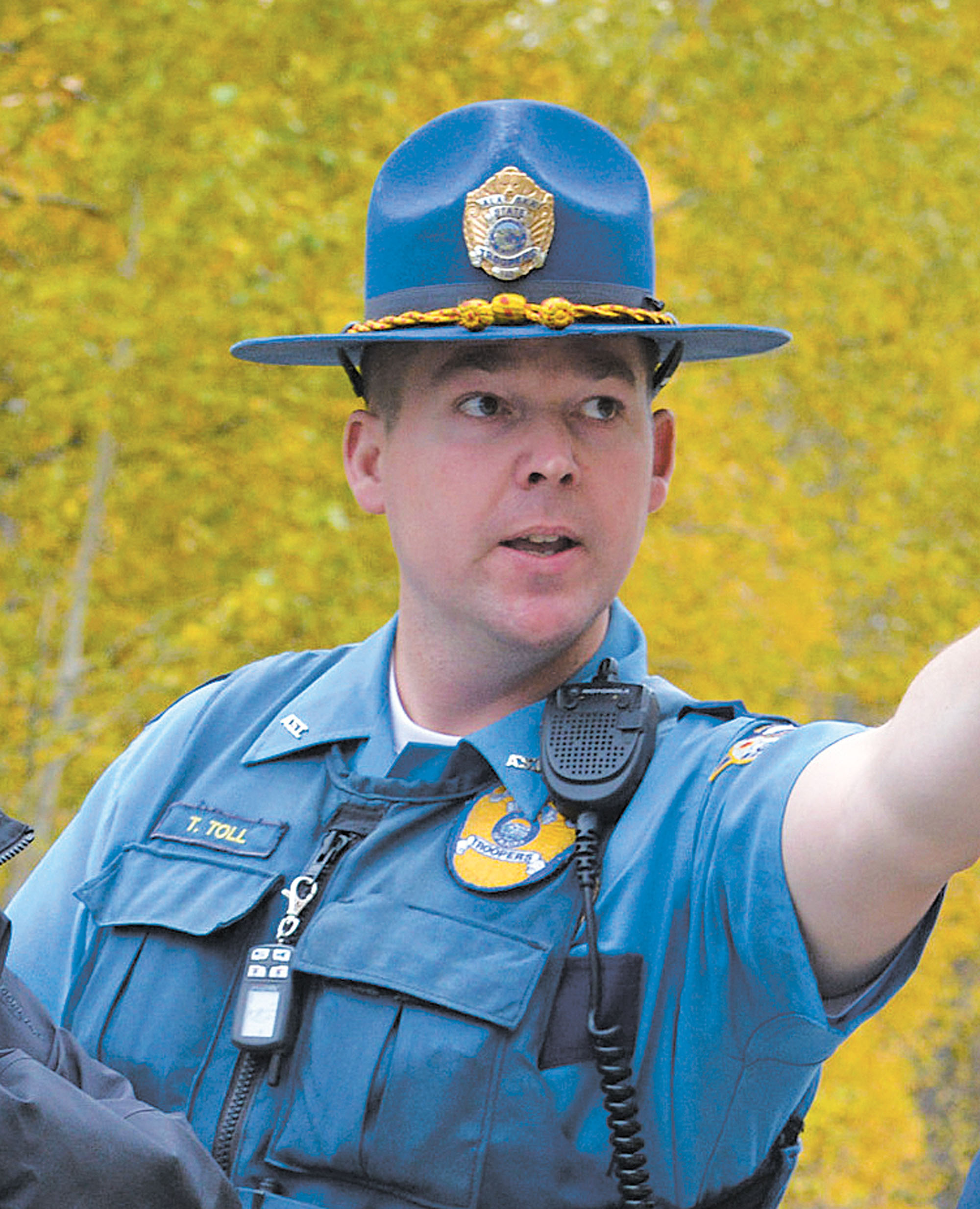
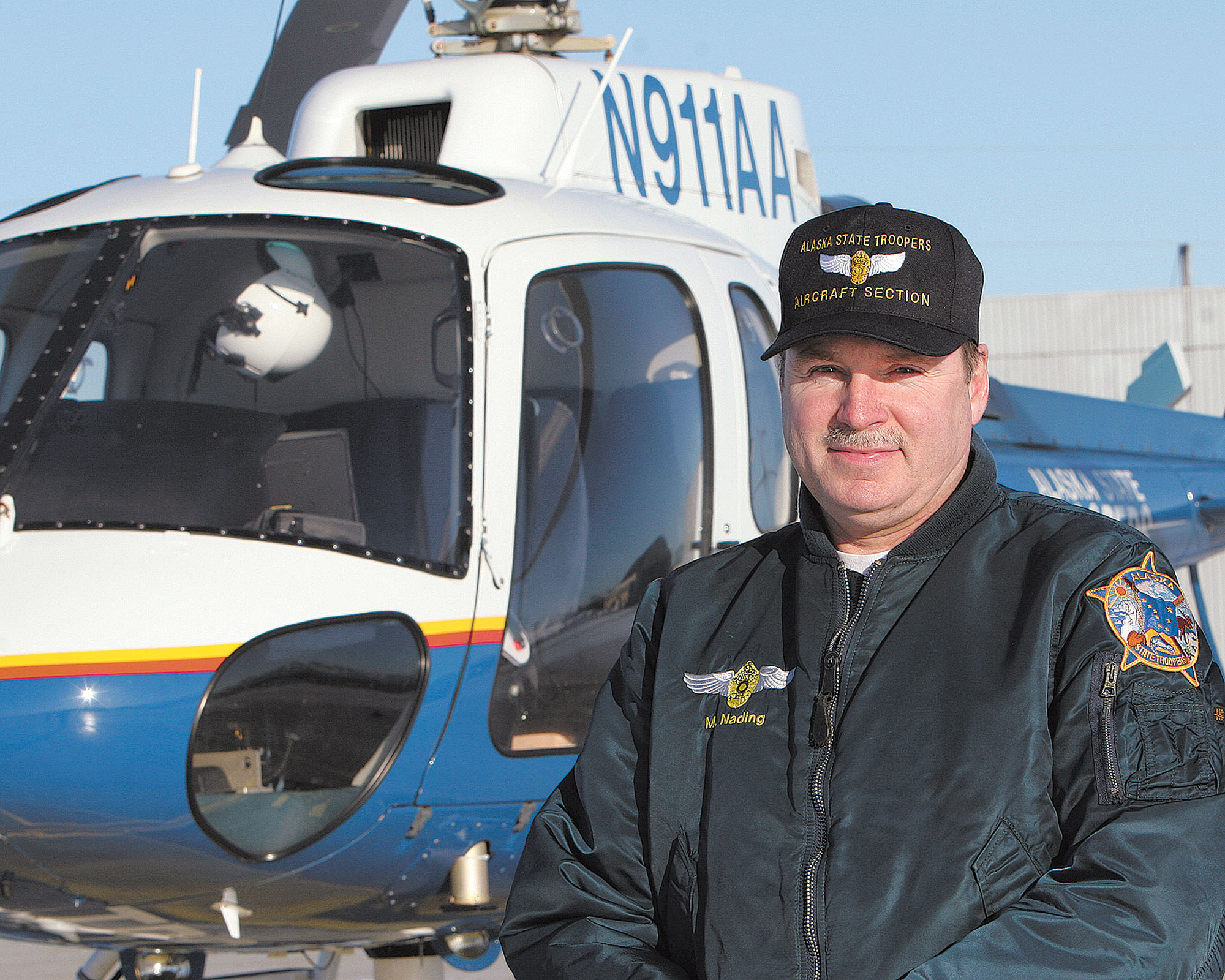
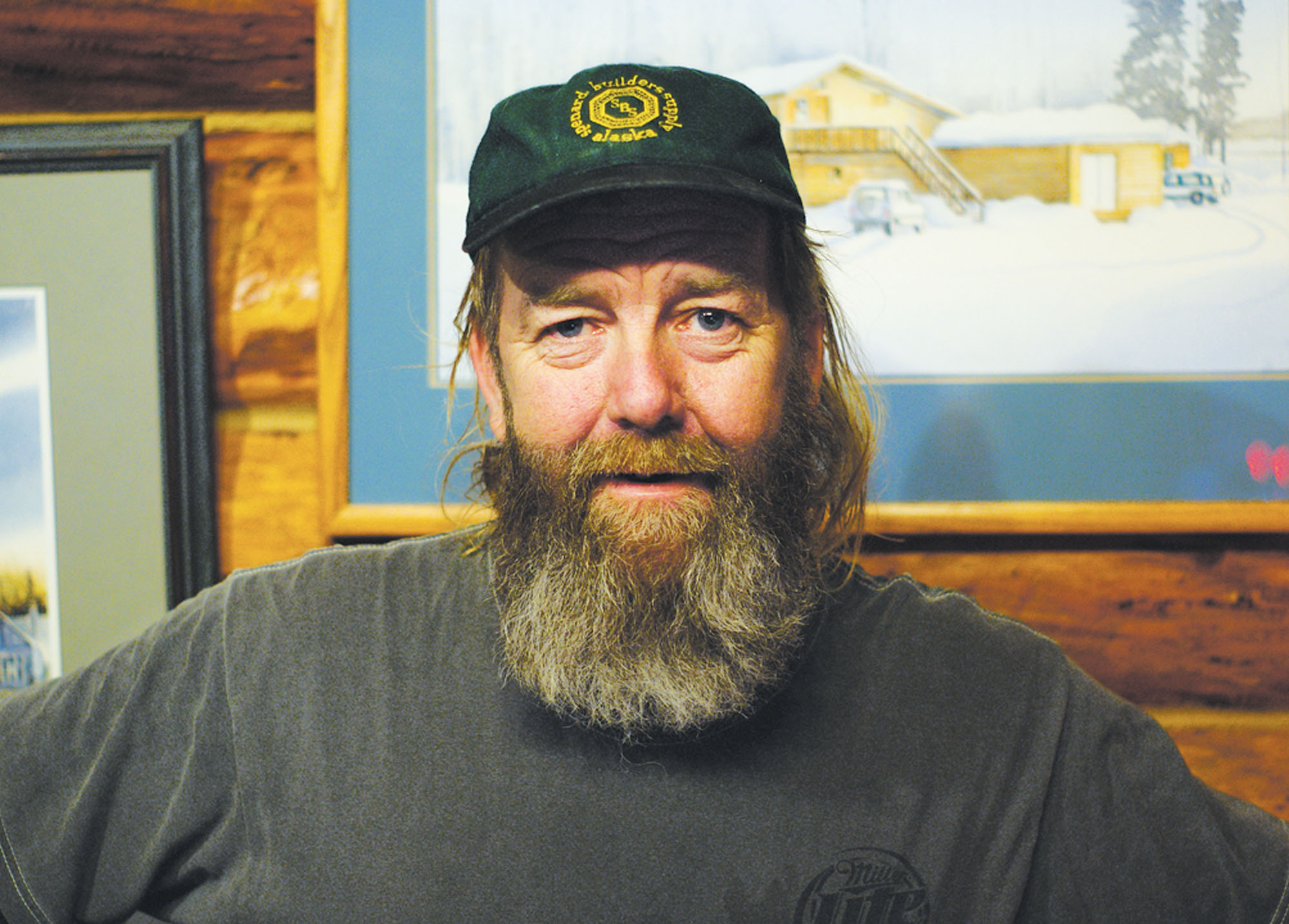
The National Transportation Safety Board, which investigates civil aviation disasters, voted 4-0 Nov. 5 to adopt 25 findings and seven recommendations stemming from the March 30, 2013, crash that killed veteran pilot Mel Nading, 55, Trooper Tage Toll, 40, and Carl Ober, 56. The findings pertain specifically to the investigation of the crash, while the recommendations are targeted at 22 states that presently don’t meet them, according to board staff.
Ober called emergency services to report he was injured on a frozen lake at 8:19 p.m. the night of the crash, according to a chronology of the crash, complete with a computer-generated simulation of the flight’s last moments, presented before the NTSB in Washington, D.C.
Nading, a pilot with 8,500 flight-hours in helicopters, departed Anchorage at 9:17 p.m., picking up Toll from the Talkeetna post at 9:42 p.m., according to the summary.
Investigators conclude that before he left, he would have seen a forecast for the Talkeetna area showing a cloud ceiling of between 350 and 950 feet, with visibility up to 4 miles, as well as low-light conditions in the time between sunset and moonrise, requiring him to use night vision goggles.
Nading and Toll landed about a quarter mile away from Ober’s position at 9:56 p.m. The helicopter spent about an hour on the ground. While they retrieved Ober, weather conditions worsened, according to the NTSB report.
Helo-1 departed the landing zone with Ober aboard at 11:13 p.m. The first five minutes of the flight were even-keeled at an altitude of about 200 feet. At about 11:16 p.m., the helicopter slowed to a hover. At 11:17 p.m., the helicopter started to climb and bank left. According to NTSB testimony, Nading had told colleagues he planned to use a similar rapid climb to escape instrument-only flight conditions.
A minute later, photographs collected by a flight data recorder show Nading “caging,” or resetting, the helicopter’s attitude indicator, according to investigators who testified at the board meeting. NTSB investigators still aren’t sure why — audio for the flight data recorder wasn’t hooked up, and the unit had been incorrectly calibrated — but speculated it was either because Nading was already disoriented, or because the indicator hit a built-in limit of 25 degrees and froze, at which point Nading tried to reset it.
However, the reset meant that the attitude indicator, tasked with showing the helicopter’s orientation relative to even flight, was now set to show incorrect, but hard-to-ignore, information, according to NTSB testimony.
The helicopter next entered a series of erratic maneuvers. A simulation shows the craft banking, yawing and rolling in the seconds before the crash.
The last contact with the helicopter was made at about 11:20 p.m., 3 miles south of the rescue site and 14 miles north of their planned rendezvous, according to investigators. Attempts about midnight to reach either Nading or Toll via cellphone were unsuccessful.
The burned wreckage of the helicopter was located about 9:25 a.m. the next morning about 6 miles east of Talkeetna, authorities said.
According to the adopted probable cause report read during the board meeting:
“The NTSB determines that the probable cause of this accident was the pilot’s decision to continue flight under visual flight rules into deteriorating weather conditions, which resulted in the pilot’s spatial disorientation and loss of control. Also causal was the ADPS’s punitive culture and inadequate safety management, which prevented the organization from identifying and correcting latent deficiencies in risk management and pilot training. Contributing to the accident was the pilot’s exceptionally high motivation to complete search and rescue missions, which increased his risk tolerance and adversely affected his decision-making.”
When Nading responded that night, he was operating the helicopter in visual flight rules that did not conform to his personal rating, set by the Department of Public Safety at a 500-foot ceiling and 2-mile visibility in 2003. In a 2009 email referenced in NTSB testimony, Nading cited his own limit as a 200-foot ceiling and 5-mile visibility, meaning weather conditions the night of the crash were definitely worse than his 2003 rating, and possibly worse than his stated 2009 personal rating.
Investigators believe Nading became blinded by snow or low-hanging clouds, forcing him to rely on the instrument readouts in the helicopter’s cockpit to figure out where he was, which is why the craft slowed to hover before the crash, according to the report.
Nading had accumulated about 388 hours of instrument-only flight, of which 38 were in a helicopter. His most recent instrument flight had been in 2001, in a plane. And his most recent helicopter instrument flight had been in 1986, almost three decades before the crash, according to NTSB testimony.
His only training with night vision goggles was in 2003 from other pilots, and the department did not provide formal night-vision goggle training for its pilots, according to testimony before the NTSB.
However, the culture of the Alaska Department of Public Safety also played a role in the crash, experts said. Of the 25 findings the NTSB issued, three pertain specifically to operations within Public Safety.
Nading decided to accept the mission on his own, investigators found.
“No evidence was found that Alaska DPS managers ever pressured the pilot to accept or complete a mission,” said Georgia Struhsaker, the board’s operations group chairman.
However, pilots were rewarded — with overtime pay for taking on missions and public acknowledgement for accepting missions — and motivated by a desire to save lives. A safety management program audit by the Medallion Foundation in 2012 found the department’s safety program lacked “adequate high-level support,” had low operational risk reporting, and decreased resources. Nading also had experienced success in difficult conditions in the past, making him more likely to brave the weather, according to NTSB testimony.
The department’s safety manager had departed at the time of the crash, and safety committee meetings were no longer held, according to NTSB testimony.
In addition, investigations of safety errors within the department were focused on blaming the pilots themselves and didn’t address underlying systemic issues, according to the ruling. This placed the pilots on a defensive footing within the department, meaning safety information wasn’t passed along.
Because the department’s culture contributed to the crash, it is listed as a “causal factor” — the strongest language available to the NTSB — instead of a “contributing factor,” like Nading’s desire to save lives.
“It’d be easy to walk out of here this morning and say, ‘well, that was a pilot-error accident,’ and in fact there were errors made by the pilot, but that’s not all there is to it,” said board member Robert Sumwalt. “I think this board meeting and this report is pointing out that there were organizational issues that staff is even proposing are labeled as partly causal to the accident, not just contributing.”
In addition, department pilots had sought to implement a Tactical Flight Officer program, but that effort had met with inadequate high-level support, according to testimony before the NTSB. Such a flight officer would essentially serve as a second set of eyes, reducing the workload on pilots.
They also questioned the value of some of the training given as a result of the crash, particularly training focused on avoiding weather requiring instrument-only flight, according to the report. Best practices for pilots unrated for instrument flying to escape weather conditions aren’t widely published, according to report.
The board also found fault with essential Federal Aviation Administration texts. The books do not mention that attitude indicators are programmed to freeze 25 degrees from their default setting.
The crash had caused Public Safety to re-evaluate the conditions under which department pilots were allowed to take to the skies, according to a February press release.
“DPS will examine the mission risk assessments and mission briefings before taking flight,” a statement issued by the department reads in part. “Pilots will ensure a set of guidelines, that may include supervisory or management approval, are met before launching.”
In addition, the department was re-examining training procedures.
“Part of the training restructuring will be developed to further meet the challenges of Alaska State Troopers’ unique mission, and the extreme weather and unforgiving environment in Alaska,” the statement says.
The department placed a commissioned lieutenant in charge of decision-making for the flight group. They also installed live-streaming GPS devices on the department’s 43 aircraft.
Night-vision goggles, a tactical flight officer program, and specific changes to the safety program aren’t specifically mentioned in the release, though the findings of the NTSB weren’t publicly available until last week. It wasn’t immediately clear whether NTSB staff had shared the information with the Department of Public Safety prior to releasing it to the public.
Then Commissioner of Public Safety Joe Masters resigned in October 2013, and has been replaced. His resignation letter made no mention of the crash, according to widespread reporting at the time. He is now the security manager for ConocoPhillips, according to his LinkedIn page.
Department of Public Safety officials were e-mailed a list of specific questions about their response to the report, as well as changes implemented since the crash. Officials were reviewing the questions and would provide a response within the next few days, said Public Safety spokeswoman Elizabeth Ipsen.
Contact Brian O’Connor at 352-2269 or brian.oconnor@frontiersman.com.

By Jeremiah Bartz Frontiersman.com A football coach using a hockey reference as the centerpiece for his keynote address may

Frontiersman.com With its headquarters in Wasilla, the Frontiersman has been a primary source of news for the Matanuska-Susitna

By Katie Stavick Frontiersman.com The next generation of leaders took flight this week as the Houston High School Class

By Kyle Wilkinson For the Frontiersman Keynote speaker and Carry the Cure President Bill Pagaran’s words boomed through the