Retiring teacher, coach urges Colony grads to ‘find their 68’
By Jeremiah Bartz Frontiersman.com A football coach using a hockey reference as the centerpiece for his keynote address may


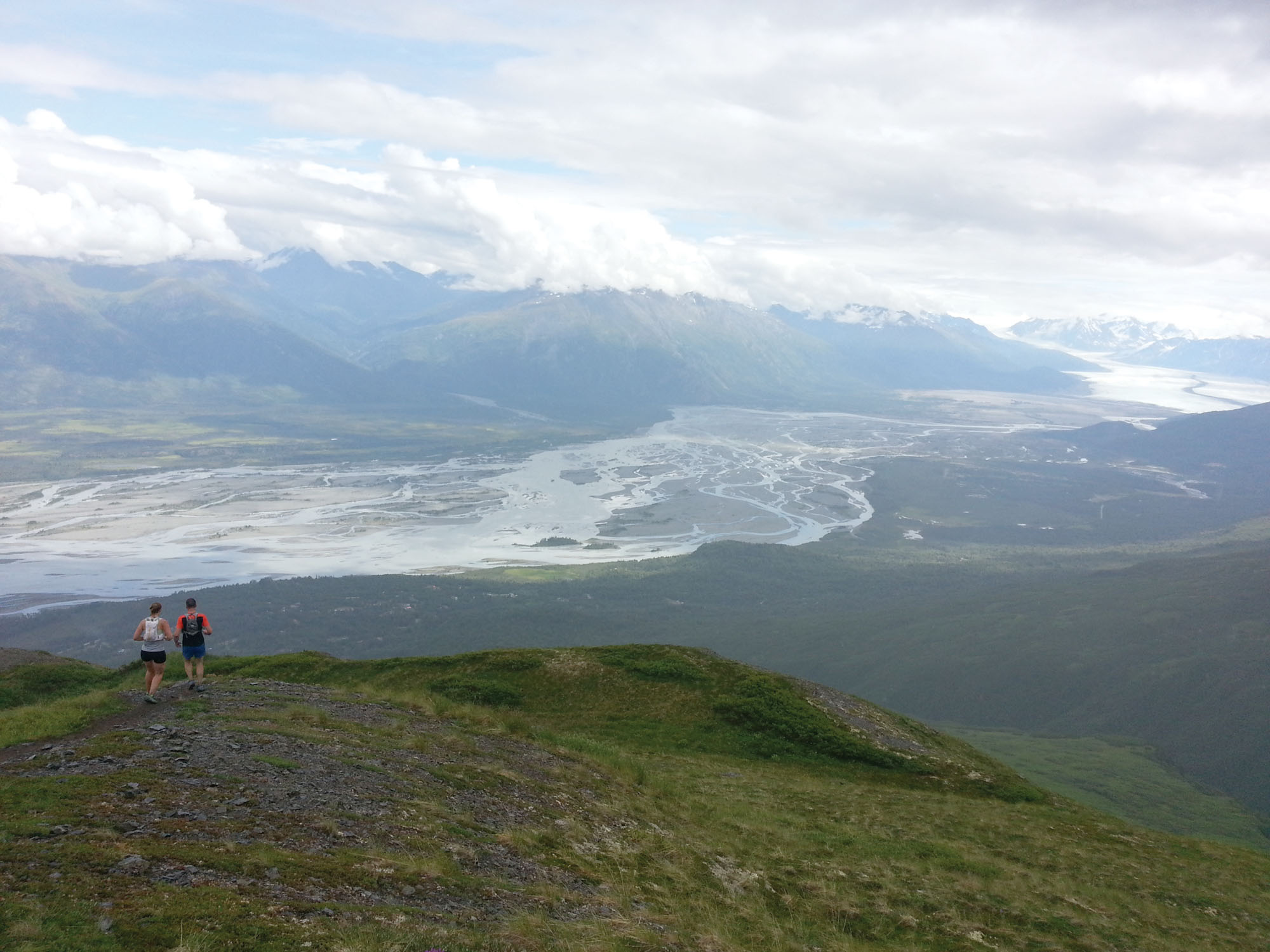
The pain was immense. My muscles screamed and my lungs heaved in a failing attempt to keep pace with my pounding circulatory system. And yet, all my legs had to do was slow down a little, slide back into the familiar pace that had carried me up this climb many times before, but something wouldn’t let them. As the sweat trickle down my back began to flow with a troubling vigor, I started to question the sanity of my decision that welcomed this painful predicament. It was my first foray into the nutty world of mountain racing and I was halfway through the vertical mile towards the east ridge of Pioneer Peak.
Don’t get me wrong, I love climbing mountains and I have spent many hours since childhood exploring the peaks that ring our valley. Racing up them however, has never really been a calling. Maybe it’s because my typical foot race sees me finish somewhere between the 10-year-olds and the Clydesdales — happily oblivious in the middle of the pack. I am terrible at following a focused training regimen for a particular event, and my trips up hills tend to involve chatting with a friend and spending time taking in the view. The pull of mountain racing had never captured me until a good friend called the night before the Pioneer Ridge Climb and asked me if I wanted in.
Mountain racing in Alaska has always been a bit special thanks, in large part, to Mt. Marathon. The ever-growing popularity of that race and the increased attention to the Alaska Mountain Racing Series has ensured that there is enough interest in the races to provide stellar competition and produce some truly amazing athletes. Indeed, renowned valley names like Strabel and Kopsack are often seen at the top of the leaderboard and until this year’s Mount Marathon, which was won by the legendary Kilian Jornet of Spain, Alaskans usually dominate.
Arriving at the trailhead indicated that this race might be a bit different then the flat land races I had competed in before. There was no T-shirt for signing up, or massive race fee — just $5 and a signature on a waiver. The people were friendly and the pre-race feeling was jovial. Looking around at the competition I couldn’t help but notice that I was the chubbiest person racing, which did little to inspire confidence and made me question my coffee and donut breakfast. Based on their percentage of body fat, these were the folks who actually trained for running up a mountain, and I suspected that my typical middle of the pack time might slide a little further back.
The start was un-ceremonial, and when given the word by the race director, the presumed leaders sprinted across the parking lot to get a fitting place at the front of the queue that formed as the pack funneled down onto the trail. The self-described “slow” racers had started an hour before, the hope being that everyone would finish at about the same time. Even with this, 60 people packed onto the single-track trail in my heat, and the slow movement of that train resulted in a few minutes of dusty waiting until the pack stretched out and the pace quickened.
I am not a mountain runner, with the exception of some downhill jogs, if the grade is as steep as most Alaskan trails are then only one of my legs will leave the ground at a time. I put on my fastest hike pace and tried to keep up with the folks in front of me. The trail is marked every 200 horizontal feet, which provides an abundance of points of information and squelches any optimism based on delusion. The first mile hurt badly and with 3.5 to go, I tried to convince myself that once above the trees I would hit my stride and the long, alpine tundra ridge that snakes to the end would provide respite. This mental trickery fell apart when I passed the last of the alders and instead of providing me a much-desired break, the trail steepened.
I downed a caffeinated gel pack and sucked on my Camelbak, but still the pain and exhaustion mounted. The clouds rolled in and even a fleeting view of Knik Glacier did little to boost my morale. I passed people and got passed by others. My scumbag brain searched fervently for pathways of escape, inventing phantom pains in my knees trying desperately to convince me that the only prudent thing to do was to dial it back, have a seat on the tundra and quietly slip back down the way I came without notice. Some small amount of perverted pride sadly removed this possibility and up I continued, longing for the end.
Fortunately, despite my infernal and incessant internal whining, after close to two hours the end was in sight — or rather would be if not for the bank of clouds that clung to the mountain. It was only one more flatish stretch and then a final steep pitch to the top of the ridge. I could do this. I put it all out, pushing harder than ever, certain I had enough in the tank to finish strong and maybe even muster a faux smile at the line. As I hit the steep section, a woman shot by with a force and dignity that suggested that she had been dropped off high on the mountain by a helicopter, erasing any hope I had for gaining a spot or two with a strong final push.
Mercy soon arrived and as I dropped to my knees on top of the ridge one vertical mile above where I began I was granted relief and a clearer understanding of mountain racing. I finished at just under 2 hours,1:59:47, to be exact, by far my personal best on a climb that I had only done previously for fun. This was different. It wasn’t fun, per se, but as the pain evaporated, I was left with a feeling of satisfaction and contentment.
As I caught my breath and chatted with other racers and familiar faces at the summit, it was clear that these were good solid Alaskans and time amongst them might be reason enough for giving mountain racing a try. And, to be frank, I think more regular folks are needed. A one-hour finish of a grueling climb is almost meaningless without a guy like me giving it his all and doing it in twice the time. So hats off to the middle of the pack and back — the regular folks who have no hope of winning and will never see the glory enjoyed by the contenders and yet still come back to test themselves and get it done. I encourage you whole-heartedly to check out the calendar at the Alaska Mountain Runners website, climb the mountain once or twice beforehand and then give the race a try. There’s some events coming up soon (including the particularly grueling Matanuska Peak Challenge) and if not now then there’s always next summer. I’ll do my best to be there, occupying a solid spot at the back of the pack and squeezing whatever fun I can out of an, on the surface, miserable experience.
Pete LaFrance grew up in Palmer and has moved back to the area after a number of years living abroad.

By Kyle Wilkinson Kyle in the outside Our spring bear hunt was bittersweet this year. We’re heading home without

Frontiersman.com Valley athletes earned titles during the Region III Championships track and field meet last week at Colony High

Leila Petersen Palmer Moose Leila Petersen, a member of the Palmer track and field team, has been named a Frontiersman

By Jeremiah Bartz J’s World August would have been the start of my 25th year as an editor at